Product List Background Cancer stem cells (CSC) Aptamer Analysis
Background
Cancer stem cells (CSCs), or cancer-initiating cells (CICs), are unique, self-renewing cells found in nearly all types of both liquid and solid cancers. They drive the continuous and unchecked growth of tumors and are pivotal in the processes of tumor initiation, progression, resistance to treatment, relapse, and metastasis. Their notable resistance to standard therapies makes them a primary factor in treatment failure and cancer recurrence. To enhance cancer treatment efficacy, it is essential to focus on understanding and targeting CSCs, as they are frequently the underlying cause of tumor persistence and spread.
Cancer Stem Cells (CSC) in Cancer
CSCs, a small subset of cancer cells within the tumor mass, are crucial in tumor initiation and progression. Their distinctive properties are believed to be central to the initiation, advancement, and recurrence of cancer.
-
Self-Renewal and Differentiation: CSCs possess the ability to both self-renew and differentiate, giving rise to the diverse cell types that constitute the majority of the tumor. This capability contributes to tumor growth and maintenance.
-
Tumorigenicity: CSCs are highly tumorigenic, meaning they can initiate tumor formation even when present in small numbers. This characteristic distinguishes them from the majority of cancer cells, which may have limited or no tumor-initiating potential.
-
Resistance to Therapies: CSCs frequently exhibit more excellent resistance to conventional cancer treatments like chemotherapy and radiation, in contrast to non-stem cancer cells. This resistance is attributed to several factors, including their quiescent state, efficient DNA repair mechanisms, and the expression of drug efflux pumps.
-
Tumor Recurrence and Metastasis: Because of their capacity to endure treatment and their inherent adaptability, CSCs are thought to be critical drivers of tumor recurrence and metastasis. After initial treatment, CSCs can remain dormant and later give rise to new tumor growth or spread to other parts of the body.
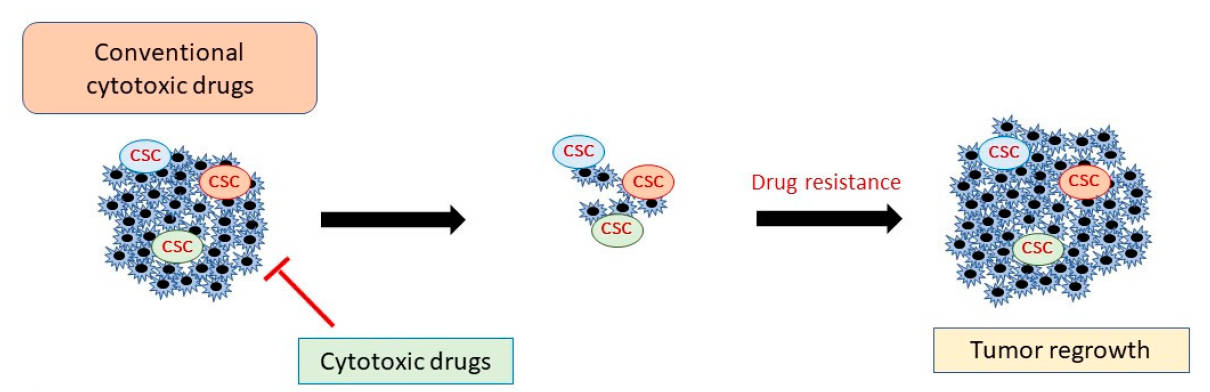 Fig. 1 CSCs can evade conventional anti-cancer drugs, leading to tumor regrowth.1,4
Cancer Stem Cells (CSC) Aptamers
Aptamers, sometimes referred to as "chemical antibodies,” can selectively bind to their molecular targets thanks to their unique tertiary structures. Their benefits, including reduced immunogenicity and smaller size, make them more advantageous compared to traditional antibodies. Therefore, aptamers have been used widely to target ligands for CSC-targeted therapeutic strategies in different tumor types. Aptamer-based targeted therapies for CSCs have made significant progress in recent years, especially in the development of multifunctional aptamer-based therapeutic strategies.
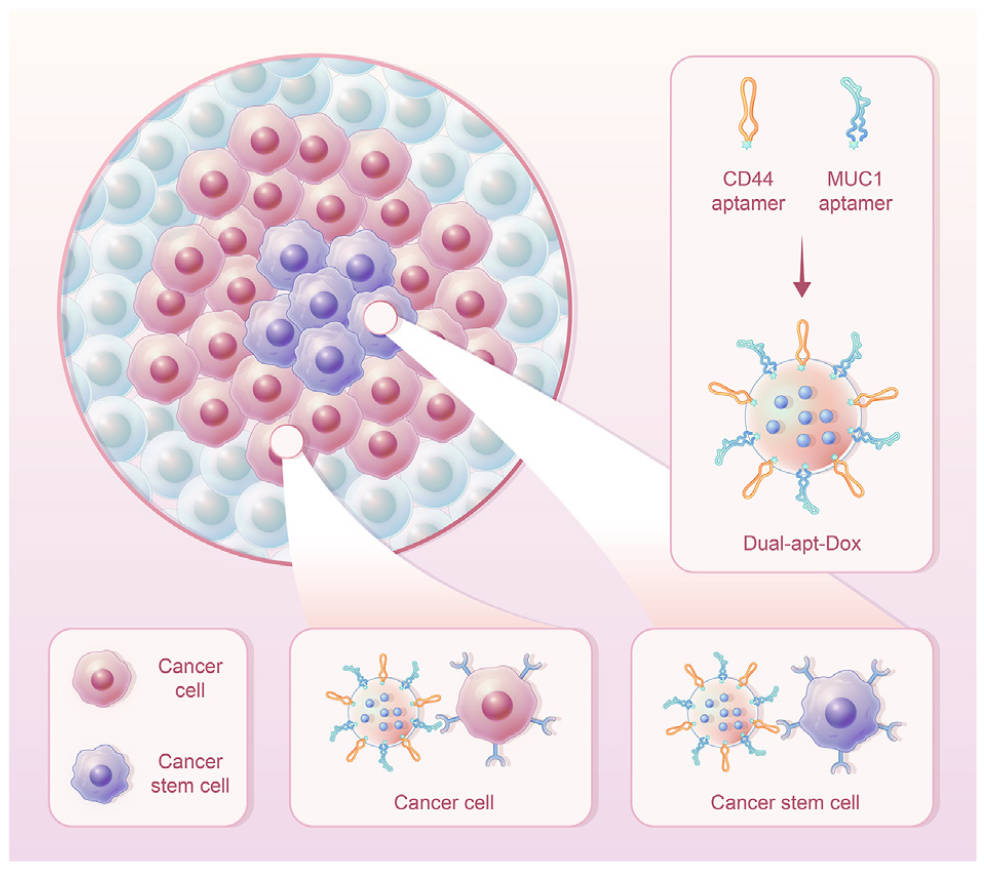 Fig.2 Scheme of CSC-targeted aptamers.2,4
Cancer Stem Cells (CSC) Aptamer Analysis
Creative Biolabs provides a wide range of cancer stem cells (CSC) related products, including anti-cancer stem cells (CSC) aptamer. These products can effectively help to carry out your experiments and thus play an important role in your research.
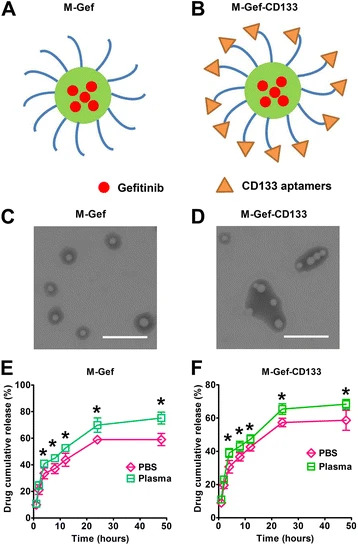 Fig. 3 Characteristics of nanomicelles.3,4
Lung cancer is the leading cause of death among cancers, and its recurrence, metastasis, and drug resistance are difficult problems in treatment. Lung cancer stem cells (CSCs) have been found to be the initiating cells of lung cancer, which are involved in the recurrence and metastasis of cancer. The therapeutic effect of anticancer drugs can be improved by eliminating CSCs. The drug CD133 is one of the markers of CSCs. Xiaolong Huang et al. developed a nanomicelle loaded with gefitinib, with CD133 aptamers bound to the surface.3,4 This nanomicelle can eliminate CD133-overexpressing lung CSCs through the effective interaction between CD133 aptamers and CD133.
Services
Creative Biolabs stands as a premier partner in the development of advanced aptamer technologies. We provide comprehensive services for the development of anti-CSCs aptamers, catering to the diverse needs of researchers worldwide. With a focus on targeting CSCs, which are implicated in tumor initiation, progression, and resistance to conventional therapies, Creative Biolabs leverages cutting-edge technologies and deep scientific expertise to create high-affinity, high-specificity aptamers. These bespoke aptamers serve as powerful tools for CSC detection, isolation, and therapeutic targeting, offering new avenues for cancer research and treatment.
References
-
Shibata, Masahiro, and Mohammad Obaidul Hoque. "Targeting cancer stem cells: a strategy for effective eradication of cancer." Cancers 11.5 (2019): 732.
-
Liu, Biao, et al. "Recent advances in aptamer-based therapeutic strategies for targeting cancer stem cells." Materials Today Bio 19 (2023): 100605.
-
Huang, Xiaolong, et al. "Gefitinib-loaded DSPE-PEG2000 nanomicelles with CD133 aptamers target lung cancer stem cells." World journal of surgical oncology 15 (2017): 1-10.
-
Distributed under Open Access license CC BY 4.0, without modification.



 INQUIRY
 Datasheet