Introduction Application What Can We Offer? Workflow Published Data Why Choose Us? FAQs Featured Services Feature Products
One-stop Aptamer In vitro Selection Services: Precision Engineering for Next-Generation Complement Therapeutics!
Are you currently facing high immunogenicity risks, limited tissue penetration, or the exorbitant costs associated with traditional monoclonal antibody development in the biopharmaceutical field? Our One-stop Aptamer In vitro Selection Services help you obtain high-affinity, low-immunogenicity nucleic acid ligands through advanced SELEX (Systematic Evolution of Ligands by Exponential Enrichment) platforms and state-of-the-art chemical modification techniques. By leveraging these "chemical antibodies," we empower you to bypass the biological limitations of protein-based inhibitors and accelerate your drug discovery timeline.
Contact our team to get an inquiry now!
Introduction to Aptamer Technology
The core of our platform lies in the high-fidelity in vitro Selection of aptamers, single-stranded oligonucleotides (DNA or RNA) engineered to fold into sophisticated three-dimensional architectures. By meticulously tailoring the selection environment, we isolate sequences that form stable stem-loops, G-quadruplexes, and pseudoknots, enabling high-affinity binding to complement targets via a combination of Van der Waals forces, hydrogen bonding, and electrostatic interactions. In the context of the complement system, which comprises over 30 fluid-phase and membrane-bound proteins, this selection process offers a unique strategic advantage. Current literature highlights a critical challenge: traditional monoclonal antibodies often struggle with "target-mediated drug disposition" (TMDD) due to the high circulating concentrations of complement proteins.
Explore Our Specialized SELEX Sub-pages:
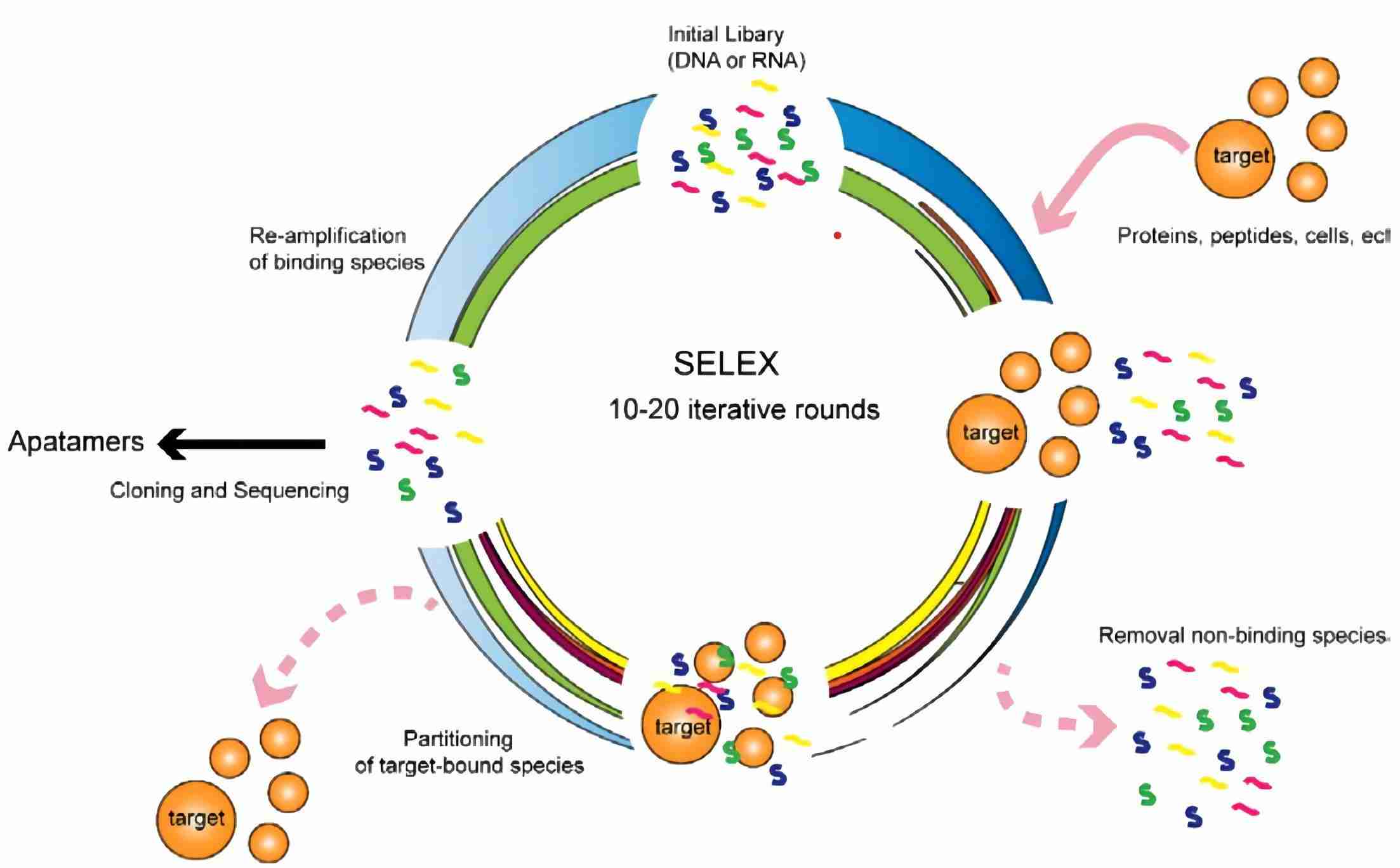 Fig.1 Optimization of the capture-SELEX protocol for enhanced nucleic acid selection efficiency.1,3
Creative Biolabs addresses this through Precision SELEX, utilizing iterative rounds of enrichment to isolate "Slow Off-rate Modified Aptamers" (SOMAmers) against key nodes like Factor B and C5. Our selection methodology focuses on achieving picomolar affinity while incorporating chemical modifications during the enzymatic amplification steps. These selected chemical inhibitors are uniquely capable of sterically hindering specific protein-protein interfaces, effectively blocking C3 convertase assembly or terminal Membrane Attack Complex (MAC) formation without the "Fc-mediated" side effects typical of full-length antibodies. By leveraging this robust selection-driven foundation, we develop next-generation inhibitors that are thermally stable, non-immunogenic, and exhibit superior pharmacokinetics. Their small molecular footprint, refined through post-selection truncation, allows them to penetrate biological barriers and reach sequestered inflammatory sites in ocular and synovial tissues that are often inaccessible to bulky IgG molecules.
Application
Aptamers generated through our platform are versatile tools used across multiple biopharmaceutical domains:
Therapeutic Inhibitors:
Direct antagonism of complement components (C1q, C3, C5, MBL) for treating AMD, PNH, and Myasthenia Gravis.
Targeted Drug Delivery:
Using aptamers as "homing ligands" to deliver siRNAs or small molecules specifically to cells expressing complement receptors (e.g., CR1, CR2).
Diagnostic Biosensors:
Development of ELONA (Enzyme-Linked Oligonucleotide Assays) for the precise quantification of complement activation products like C5a in patient sera.
Imaging Agents:
Small size (10-15 kDa) allows for rapid systemic clearance and deep tissue penetration, ideal for PET/SPECT imaging of inflammation.
What Can We Offer?
To support your diverse research needs, we provide a comprehensive range of customized aptamer products and selection services.
-
Protein-based SELEX: For purified complement components and enzymes.
-
Cell-based SELEX: For targeting receptors (C3aR/C5aR) in their native membrane environment.
-
Aptamer Conjugation Services: Biotinylation, fluorescent labeling, or drug-payload attachment.
-
Post-Selection Optimization: Truncation studies to identify the minimal functional core and thermal stability enhancement.
-
Aptamer-based ELONA Development: Custom assay development for diagnostic research.
Workflow
01
Generation of the Nucleic Acid Pool: We synthesize a vast molecular library containing roughly 1015 distinct DNA/RNA variants, featuring variable 20-60 nt regions enclosed by fixed primer-annealing segments.
02
Iterative SELEX Cycles: The target molecule is exposed to the pool to facilitate binding. We separate non-binding strands using magnetic beads or nitrocellulose membranes, subsequently recovering and enzymatically amplifying the high-affinity candidates.
03
Specificity Refinement: To prevent unintended interactions, negative selection is performed against molecular mimics (for instance, using C3 to filter out candidates intended for C3b), ensuring superior target discrimination.
04
Deep Sequencing and Data Analysis: We employ NGS technologies to track the evolution of the pool, utilizing custom-built bioinformatics pipelines to pinpoint enriched motifs and dominant structural clusters.
05
Validation and Refinement: Primary leads are evaluated for binding kinetics via SPR and undergo site-specific modifications (such as PEGylation or 2'-ribose edits) to boost metabolic stability and therapeutic duration.
Published Data
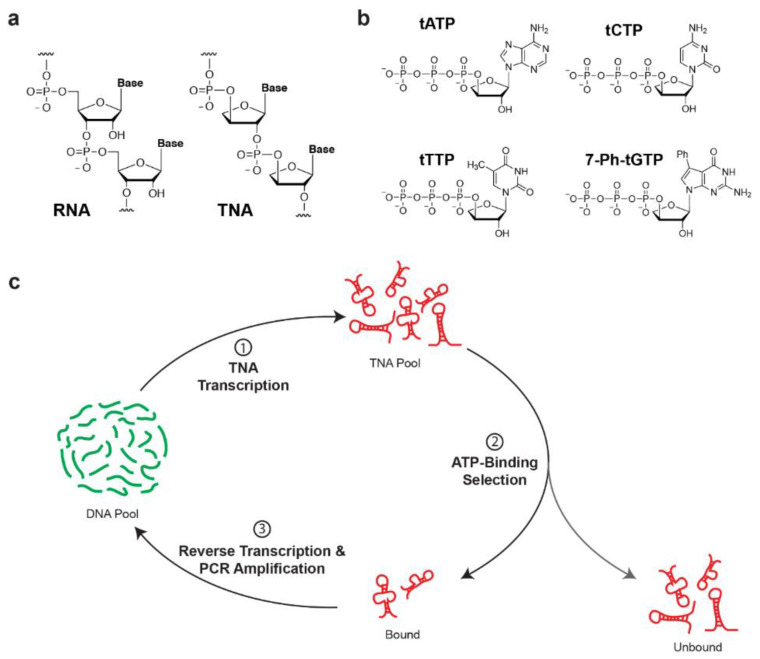 Fig.2 Selection of threose nucleic acid (TNA) aptamers.2,3,
This article details the successful in vitro selection of an adenosine triphosphate (ATP)-binding aptamer composed entirely of α-L-threose nucleic acid (TNA). While most xeno-nucleic acid (XNA) aptamers have previously targeted proteins, this study demonstrates that TNA can be engineered to recognize small molecules with high affinity and specificity. Using a laboratory-evolved TNA polymerase (Kod-RI), researchers isolated a 36-nucleotide truncated variant (T10-7.t5) that binds ATP with a dissociation constant (Kd) of approximately 22 µM, a performance comparable to traditional DNA aptamers.
Scientific evaluations confirmed that the TNA aptamer exhibits exceptional biological stability, remaining completely intact after 24 hours of exposure to human liver microsomes (HLM) and snake venom phosphodiesterase (SVPDE), whereas equivalent DNA sequences degraded within 15 minutes. The binding mechanism is highly specific; the aptamer showed no detectable affinity for other ribonucleotide triphosphates like GTP, CTP, or UTP. Furthermore, data indicated that the inclusion of a modified 7-deaza-7-phenyl guanine base was critical for molecular recognition, as replacing it with natural guanine significantly reduced binding activity. These findings establish TNA as a robust scaffold for diagnostic and therapeutic applications where resistance to nuclease-mediated degradation is essential.
Why Choose Us?
Creative Biolabs offers a best-in-class technical platform specifically optimized for the unique biochemical challenges of complement research.
-
Expert Specialist Team: Our PhD-level scientists have over two decades of experience in nucleic acid chemistry and complement biology.
-
Advanced Modification Platform: We offer a wide array of proprietary modifications to extend half-life from minutes to days in vivo.
-
Unrivaled Specificity: Our "Published Data" demonstrates our ability to distinguish between nearly identical protein isoforms with Kd values in the low picomolar range.
-
Batch-to-Batch Consistency: Since aptamers are chemically synthesized, we eliminate the variability inherent in hybridoma or CHO-cell production.
-
Non-Immunogenic Profile: Aptamers generally do not elicit an immune response, making them safer for chronic administration.
FAQs
Q: How do aptamers compare to monoclonal antibodies in terms of stability?
A: Aptamers are significantly more robust. They can be reversibly denatured (heated) and will refold into their functional 3D shape upon cooling. This allows for room-temperature shipping and long-term storage without loss of activity, unlike antibodies, which are prone to irreversible aggregation.
Q: Can aptamers be used against non-immunogenic or toxic targets?
A: Yes. Because SELEX is an entirely in vitro process, it does not rely on an animal's immune response. We can successfully select aptamers against highly toxic proteins or small molecules that would otherwise kill a host animal during immunization.
Q: Are aptamers susceptible to nuclease degradation in the bloodstream?
A: Natural DNA/RNA is quickly degraded. However, we utilize chemical modifications at the 2'-position of the ribose (e.g., 2'-F or 2'-OMe) and "capping" at the ends of the sequence to make them highly resistant to nucleases, ensuring sufficient half-life for therapeutic efficacy.
Q: Is the binding affinity of an aptamer comparable to that of an antibody?
A: Absolutely. Most aptamers selected through our optimized SELEX platform achieve Kd values in the nanomolar to picomolar range, matching or even exceeding the binding strength of high-end monoclonal antibodies.
Q: What is the primary advantage of the small molecular weight of aptamers?
A: Their small size (approx. 1/10th of an IgG) facilitates much deeper penetration into solid tissues, such as tumors or the posterior segment of the eye. It also allows for higher molar dosing in smaller volumes, which is critical for subcutaneous or intravitreal injections.
Creative Biolabs is your premier partner for One-stop Aptamer In vitro Selection Services. By combining deep expertise in the complement system with cutting-edge SELEX technology, we provide a reliable, scalable, and scientifically superior alternative to traditional antibody-based therapeutics. Whether you are targeting elusive small molecules or complex membrane proteins, our platform delivers the precision your project deserves.
Featured Services
Feature Products
References
-
Zhuo, Zhenjian, et al. "Recent advances in SELEX technology and aptamer applications in biomedicine." International Journal of Molecular Sciences 18.10 (2017): 2142. https://doi.org/10.3390/ijms18102142
-
Zhang, Li, and John C Chaput. "In Vitro Selection of an ATP-Binding TNA Aptamer." Molecules (Basel, Switzerland) vol. 25,18 4194. 13 Sep. 2020, https://doi.org/10.3390/molecules25184194
-
Distributed under Open Access license CC BY 4.0, without modification.
For Research Use Only.
Related Sections: