Product List Background CP Aptamer Analysis
Background
Creative Biolabs provides an extensive selection of top-notch aptamers targeting CP to help researchers improve their experiments and research. We uphold our standards for excellence and are dedicated to supporting your research in biology.
Introduction
Ceruloplasmin (CP), also known as copper oxidase, is a copper-containing α2 glycoprotein with a molecular weight of about 120-160 kDa and is not easy to purify. It is a single-chain polypeptide with 6-7 copper atoms per molecule and is blue due to its copper content. This aims to control how copper is distributed in different areas of the body and to produce proteins containing copper-containing enzymes. It has the function of an antioxidant and has oxidase activity. CP can catalyze the oxidation of polyphenols and polyamine substrates. It is generally believed that CP is synthesized by the liver, part of which is excreted by the bile duct, and the content in urine is minimal. The determination of CP is of particular significance in diagnosing certain diseases in the liver, gallbladder, kidney, and other organs.
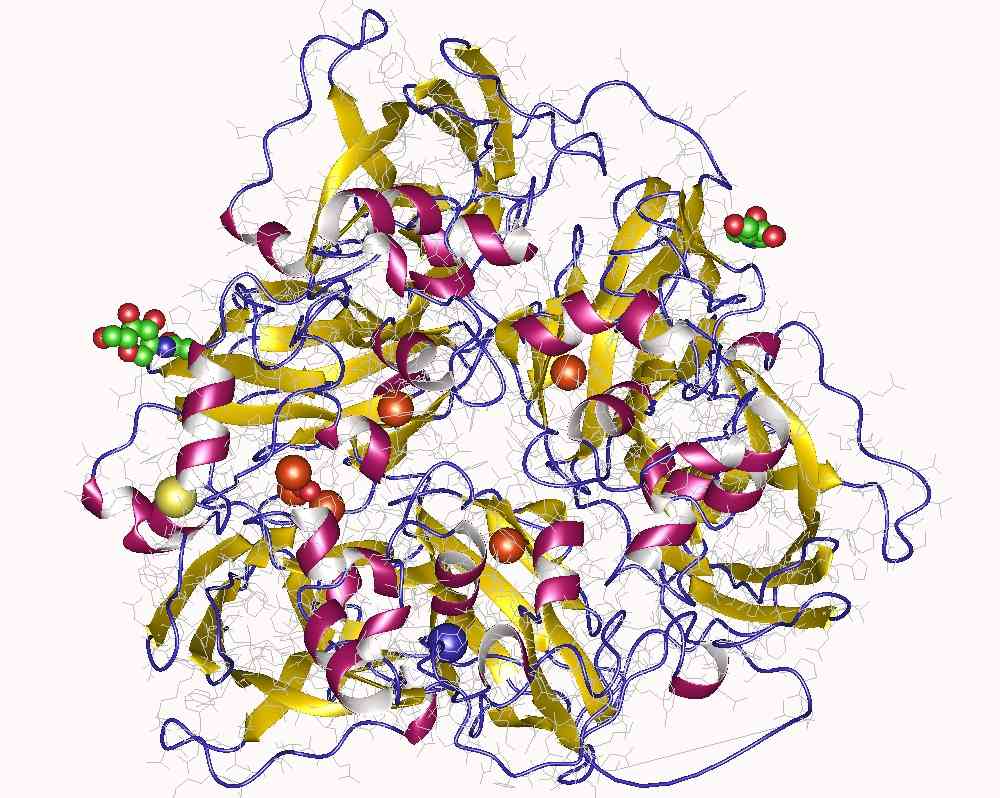 Fig.1 CP enzyme.Distributed under CC BY-SA 4.0, from Wiki, without modification.
CP has copper-dependent oxidase activity and can oxidize Fe2+ (ferrous iron) into Fe3+ (ferric iron), thus helping it to be transported in plasma with transferrin. In contrast, transferrin can only carry iron in the ion state. The transportation of copper to tissues outside the liver is modulated by phospholipids, which also participate in the regulation of biogenic amine levels in intestinal fluid and plasma through amine oxidase activity, the removal of oxygen and other free radicals from plasma, and the export of iron from cells and its transport using transferrin.
CP Lack and Diseases
When the human body lacks CP, it will cause a series of diseases and symptoms. Aceruloplasminemia arises from a mutation in the CP encoding gene and is a rare autosomal recessive degenerative disorder. Its main clinical manifestations are diabetes, retinal degeneration, and neurodegenerative lesions. The cause of this disease is the lack of CP, causing oxidation of Fe2+ to Fe3+ and affecting the binding of Fe3+ to transferrin. This interferes with the metabolism of iron ions, causing iron ions to be deposited in different tissues and organs in the body, causing different clinical manifestations. Low CP levels can also be seen in Wilson's disease, also known as hepatolenticular degeneration, and is the most valuable diagnostic indicator for the disease. CP levels lower than 80 mg/L strongly support the diagnosis of Wilson's disease.
CP Aptamer Analysis
Creative Biolabs offers aptamers that specifically target the CP protein, acclaimed for their precise binding capabilities. These aptamers are crucial in advancing research and innovation in therapeutic and diagnostic approaches centered around aptamers. Furthermore, we provide functional assays for anti-CP aptamers to further support our clients' needs.
We offer several assays for evaluating CP aptamers, including the selection of aptamers binding to the CP protein using SELEX. The affinity of these aptamers is indicated by the equilibrium dissociation constant (Kd), which was determined via q-PCR. Additionally, anti-CP aptamers have been utilized in various analyses. For instance, they have been combined with electrochemical biosensors for CP detection using a CP-specific recognition aptamer. The designed aptasensor employs a glassy carbon electrode modified with diazonium-functionalized multiwalled carbon nanotubes. The aptamer is attached to the electrode surface through an electrochemical approach, followed by the chemical immobilization of an aminated aptamer. This constructed aptasensor acts as a powerful tool for the rapid diagnosis of CP in human serum samples, demonstrating the substantial potential for practical bioapplications.
Creative Biolabs is committed to upholding outstanding quality while advancing innovations in its range of aptamer products. Through the use of state-of-the-art technologies and stringent quality assurance measures, we provide reliable and potent anti-CP aptamers tailored to meet the specific requirements of our clients.


 INQUIRY
 Datasheet