

The exosome regulated cell cycle modulation assay service at Creative Biolabs supports in vitro studies aimed at understanding how exosomes influence cell cycle progression. The cell cycle is a tightly regulated process that governs cell growth, DNA replication, and division. Subtle shifts in phase distribution often reflect underlying changes in signaling pathways and regulatory checkpoints. Measuring these shifts after exosome exposure provides valuable insight into functional mechanisms at the cellular level.
Creative Biolabs designs assays that quantify the distribution of cells across key phases, including G0 or G1, S, and G2 or M. By combining optimized staining strategies with precise analytical methods, the service enables accurate detection of phase specific changes. Experimental conditions are adjusted based on cell type characteristics, growth rate, and study objectives, ensuring that data reflect biologically meaningful responses.
| Step | Detail |
|---|---|
| Step 1. Study Planning and Objective Definition | Creative Biolabs works closely with researchers to define the biological question, identify target cell models, and determine whether the focus is on cell cycle acceleration, arrest, or redistribution across phases. |
| Step 2. Cell Culture Preparation and Synchronization Options | Cells are prepared under controlled conditions to ensure consistent growth status. Where appropriate, synchronization approaches may be applied to align cells at a specific phase prior to treatment, improving detection sensitivity. |
| Step 3. Exosome Treatment Conditions | Exosomes are introduced according to defined concentrations and incubation periods. Treatment timing is selected to capture expected effects on cell cycle transitions without introducing secondary artifacts. |
| Step 4. Cell Cycle Staining and Processing | Cells are collected and stained using validated DNA binding dyes or marker based systems. Careful handling ensures accurate representation of DNA content and phase distribution. |
| Step 5. Flow Cytometry Acquisition and Analysis | Samples are analyzed using flow cytometry to quantify the proportion of cells in each phase. Data processing includes gating strategies and quality control checks to ensure reliable interpretation. |
| Step 6. Data Interpretation and Reporting | Creative Biolabs provides detailed phase distribution data, graphical outputs, and statistical analysis. Results are organized to highlight differences between treatment groups and control conditions. |
To adjust workflow parameters or include additional analytical options, clients may contact Creative Biolabs technical support team.




Researchers interested in applying this assay to specific biological systems are encouraged to connect with Creative Biolabs for tailored advice.
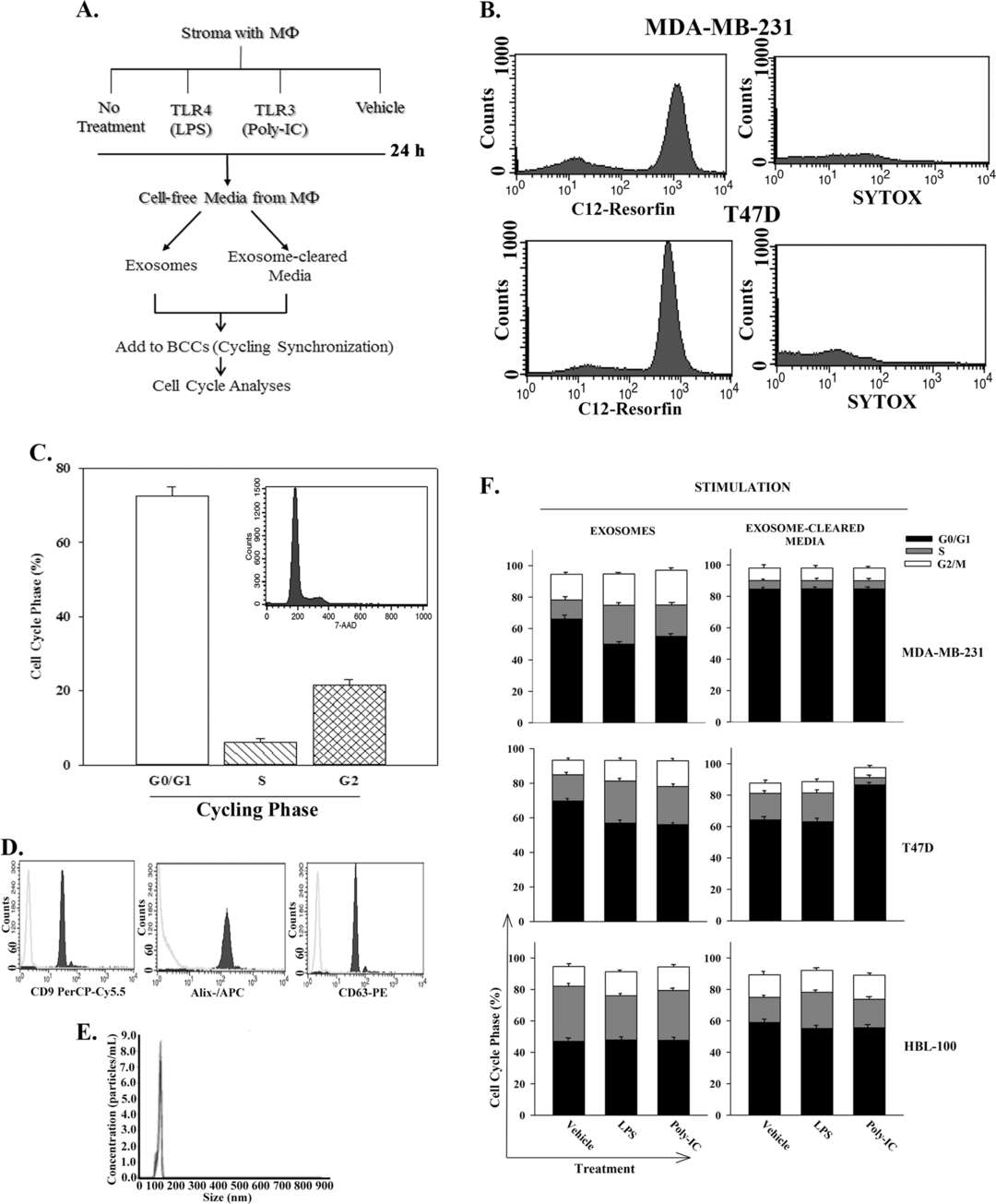 Fig.1 Exosomes from MΦs in the behavior of quiescent BCCs.1
 Phase Specific Quantification
Accurate measurement of cell populations in distinct phases allows detailed interpretation of regulatory changes.
Optional Synchronization Strategies
Pre treatment synchronization can be incorporated to enhance detection of subtle modulation effects.
Adaptable Experimental Design
Assay conditions can be tailored based on cell type, growth behavior, and expected response patterns.
Integration with Functional Studies
Cell cycle data can be combined with proliferation, apoptosis, or signaling assays for deeper mechanistic insight.
For assistance in selecting appropriate features for your study, Creative Biolabs specialists are available for consultation.
For similar project outcomes, Creative Biolabs welcomes direct communication to discuss experimental needs.
Understanding how exosomes influence cell cycle progression is essential for interpreting changes in cell growth and function. Through precise analytical methods and carefully controlled experimental conditions, Creative Biolabs delivers reliable phase distribution data that strengthen mechanistic research. For tailored assay design and expert technical support, researchers are invited to contact Creative Biolabs and discuss their study requirements.
A: Synchronization is useful when the goal is to detect subtle changes in progression from a defined starting point. It is not required for all studies. Creative Biolabs evaluates whether synchronization will improve sensitivity based on the research objective and cell model.
A: Time dependent analysis can provide insight into whether cells resume normal progression after treatment. By including multiple time points, Creative Biolabs can help differentiate transient effects from sustained alterations in cell cycle behavior.
A: DNA binding dyes that reflect total DNA content are commonly used to distinguish phases. In some cases, additional markers may be incorporated to refine interpretation. Selection depends on cell type and analytical requirements.
A: Creative Biolabs applies standardized gating strategies, includes appropriate controls, and performs quality checks on signal distribution. Replicates are analyzed to confirm consistency and reliability.
A: Yes. Combining cell cycle analysis with proliferation assays can provide complementary information. Creative Biolabs can advise on experimental design to ensure compatibility between methods.
Reference