

Inflammation is a crucial biological response to injury or infection, and the modulation of this process plays an important role in many diseases and physiological processes. Exosomes, as carriers of bioactive molecules, have been shown to impact immune cell signaling and inflammatory responses. Creative Biolabs' assay service provides an in vitro model to assess how exosomes influence inflammatory mediator release, including cytokines, chemokines, and other signaling molecules.
| Step | Detail |
|---|---|
| Step 1. Define Research Objectives and Assay Design | At the start of the study, Creative Biolabs works closely with researchers to define the specific inflammatory response they wish to study. Whether it's cytokine secretion, immune cell activation, or inflammation-related gene expression, the study objectives are tailored to meet the research goals. |
| Step 2. Cell Preparation and Culture Setup | The cells used in the assay, often immune cells or cell lines known to express inflammation-related markers, are cultured under standard conditions. These cells are then pretreated with exosomes at various concentrations and for different time points based on the desired experimental setup. |
| Step 3. Exosome Treatment and Stimulation | Exosomes are introduced to the cells, either alone or alongside other inflammatory stimuli, such as lipopolysaccharides (LPS) or pro-inflammatory cytokines. |
| Step 4. Inflammatory Marker Measurement | After treatment, various markers of inflammation (such as cytokines, chemokines, and cell surface markers) are measured in the culture medium or within cells. |
| Step 5. Data Analysis and Interpretation | Creative Biolabs' team processes the data and provides both qualitative and quantitative results. Statistical analysis is performed to determine significant differences between treated and control groups. |
For further customization or specific modifications to the experimental design, Creative Biolabs' team is available to provide expert guidance.
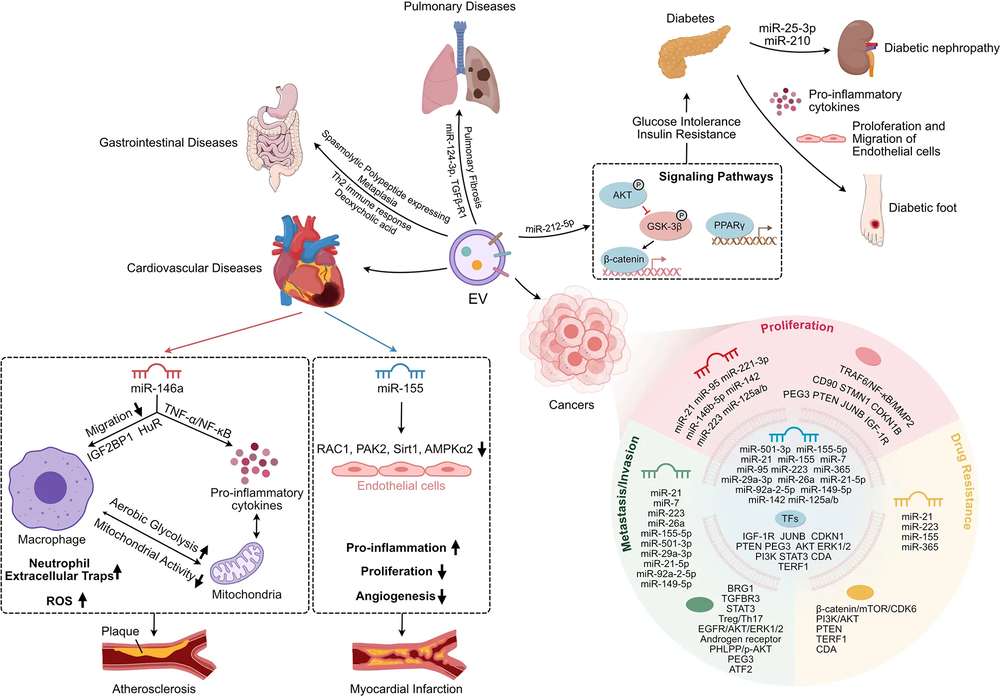 Fig.1 The Immunomodulatory Role of Macrophage Exosomes in Chronic Inflammatory Disorders.1
Exosomes are key regulators of immune responses. This assay provides insights into how exosomes affect immune cell activation, cytokine release, and other markers of inflammation. This knowledge is crucial for understanding exosome-based cell signaling mechanisms.
Chronic inflammation plays a key role in various diseases, including autoimmune disorders, cancer, and cardiovascular diseases. By modulating inflammatory responses, exosomes can provide a better understanding of disease pathogenesis and potential therapeutic interventions.
This assay allows researchers to study how exosomes modulate immune cell interactions and their response to inflammatory stimuli, contributing to understanding immune system regulation in health and disease.
Exosomes can modify cytokine networks by either promoting or inhibiting the release of specific inflammatory markers. This assay helps researchers evaluate the role of exosomes in cytokine modulation and how it affects cellular responses to inflammation.
For detailed support on how this assay can be tailored for your study, Creative Biolabs' technical specialists are available to assist.
 Customizable Protocols
The assay can be adjusted to study inflammation in various cellular contexts, allowing the selection of different exosome sources, immune cell types, and inflammatory stimuli.
Multiple Inflammatory Markers
Markers of inflammation, such as cytokines (TNF-α, IL-1β, IL-6), chemokines, and signaling molecules, are measured using highly sensitive and reliable techniques such as ELISA, PCR, and flow cytometry.
Quantitative and Qualitative Data
In addition to measuring the levels of inflammatory mediators, the service also includes qualitative data such as cell morphology changes or visual evidence of immune cell activation.
Adaptability to Different Cell Types
The assay can be performed with a variety of cell types, including immune cells like macrophages, T-cells, and dendritic cells, as well as cell lines known for their involvement in inflammation.
For more details on customizing the assay or integrating with other services, Creative Biolabs' technical team is available for consultation.
If you are interested in similar results, Creative Biolabs invites you to contact our team for tailored technical assistance.
Understanding how exosomes modulate inflammation is crucial for advancing research in immune system regulation and disease therapies. Creative Biolabs' exosome mediated inflammatory response modulation assay provides valuable insights into exosome-driven immune modulation, offering a reliable tool for your research needs. Contact us for assistance with study design or to customize your assay.
A: Yes. The assay is designed to measure a wide range of inflammatory markers, allowing the evaluation of both pro-inflammatory cytokines (e.g., TNF-α, IL-6) and anti-inflammatory factors (e.g., IL-10). This flexibility enables comprehensive assessment of exosome effects on immune responses.
A: Inflammatory markers are quantified using sensitive assays such as ELISA for protein levels or RT-PCR for mRNA expression. Flow cytometry can also be used to assess cytokine expression.
A: The assay supports a variety of immune cell types, including macrophages, T-cells, and dendritic cells, as well as various cell lines involved in inflammation. The choice of cell type depends on the research question and objectives.
A: The assay is typically completed within 48-72 hours, depending on the experimental design and the number of time points to be analyzed. Time-course studies can also be extended to assess long-term inflammatory responses.
Reference