A crucial step in antibody development, this service groups antibodies that bind to the same or overlapping epitopes, providing critical information for intellectual property and therapeutic development.
Learn More →B Cell based Western Blot Assay Service
Creative Biolabs' B cell-based western blot assay is designed to overcome the limitations of conventional methods by providing a direct, high-specificity solution for antibody validation and discovery. We deliver clear, actionable data and functionally validated antibodies that empower your research. This service is particularly valuable for projects requiring the identification of highly specific antibodies for diagnostic development, therapeutic validation, and in-depth protein characterization.
Introduction What We Can Offer Workflow Why Creative Biolabs Customer Reviews FAQs Related Services Contact Us
Introduction of Western Blot
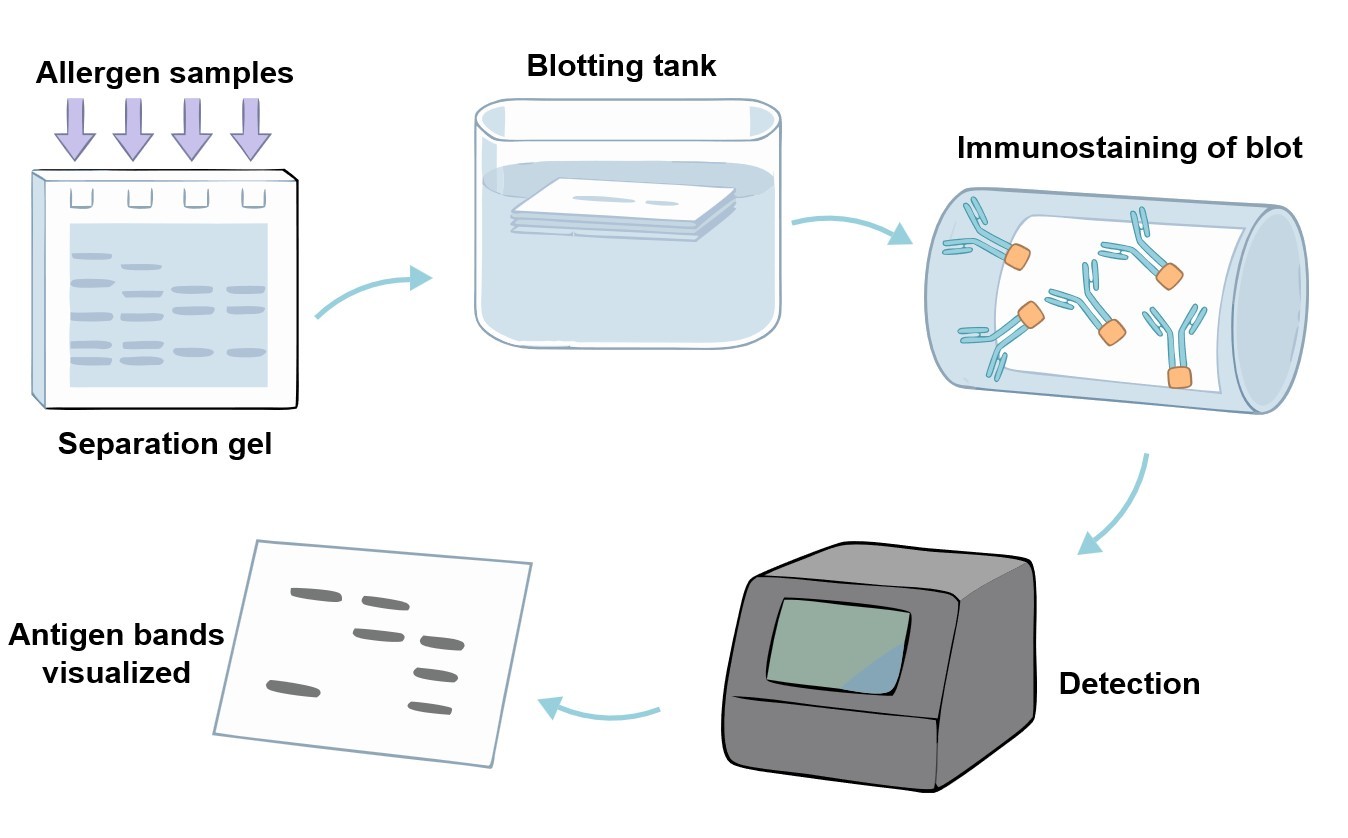
Western blot (WB) is a widely used technique to isolate and identify specific proteins in a protein mixture extracted from cell or tissue lysates based on the merits of specific antibodies. In this technique, protein samples are loaded on an electrophoresis gel and separated by molecular weight. The gel is then transferred to PVDF under electricity to produce corresponding bands, as shown on the SDS-PAGE gel. After a blocking step, the membrane is then probed with antigen-specific primary antibody, and bound Abs are detected with enzyme-conjugated secondary antibody. Due to the specificity of the antibody, only one band indicating the targeted antigen can be visible. The targeted protein is quantified by comparing the thickness of the band to a reference protein band.
Inquire about our capabilities - Request a consultation.
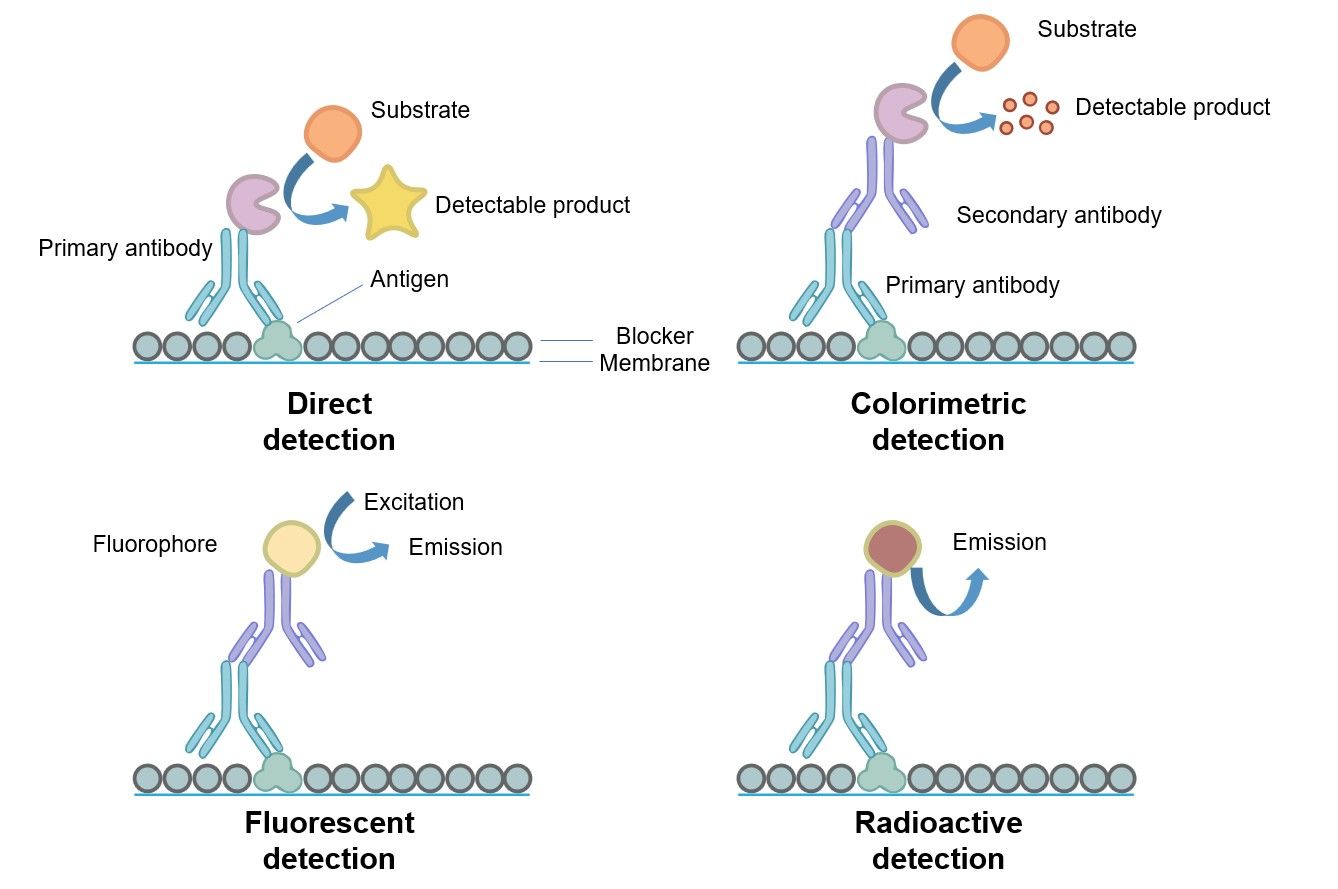 Fig.1 Multiple methods for detection and subsequent visualization of Western Blots.1
What We Can Offer
| Multiple western blot methods | Application of WB in Cancer Epitope Analysis |
|---|---|
|
|
Western Blot Service at Creative Biolabs
Creative Biolabs offers custom characterization services of cancer-associated epitopes by synthesizing overlapping peptide libraries derived from an antigen and screening them against antigen-specific antibodies.
Highlights
Unparalleled Precision
Partnering with Creative Biolabs provides a team that delivers unparalleled precision and efficiency in antibody discovery. We leverage the power of the body's natural processes to streamline your research and development, ensuring a faster path to meaningful results.
Superior Specificity
Our western blot assay stands out by leveraging the body's natural selection process. This approach results in antibodies with superior specificity, designed to recognize their targets with high-fidelity accuracy and function.

Reduced Off-Target Binding
The B cell-based approach minimizes the risk of off-target binding and significantly reduces background noise. This leads to cleaner, more reliable data for your experiments, allowing you to interpret results with greater confidence and accuracy.
Published Performance
Published data consistently show the superior performance of our methods compared to conventional techniques. This evidence-based approach gives you confidence in the quality and reliability of our services, ensuring your project's success.
To assess the advantages of our platform - Get a quote today.
Customer Reviews
-
Exceptional Efficiency
The streamlined workflow and rapid turnaround from Creative Biolabs' service facilitated a huge reduction in the time we normally spend on screening, allowing our team to focus on downstream applications. - M**ra F**z, Principal Investigator -
Clarity in a Complex Field
We compared their service to traditional methods and found a drastic reduction in background noise. This clarity was instrumental in our discovery of a new low-abundance biomarker for a complex disease. - D**na S**h*, Senior Research Fellow.
FAQs
What types of samples can be used for the B-cell-based western blot assay?
We can work with a variety of samples, including peripheral blood mononuclear cells (PBMCs), splenocytes, or bone marrow from human or animal donors, allowing for flexible project design.
Can your service help with identifying antibodies against post-translational modifications (PTMs)?
Yes, our assay is uniquely suited to identify antibodies that recognize specific PTMs. By screening a native repertoire of B cells, we can discover antibodies that bind to a protein in its biologically relevant form.
Related Services
Epitope Binning and Mapping
Protein Purification
Achieve high purity and yield for your target proteins through our advanced chromatography-based purification services. This is a critical step for preparing high-quality antigens for your Western Blot projects.
Learn More →How to Contact Us
Creative Biolabs is dedicated to providing high-quality solutions that accelerate your research. Our team of experts is ready to discuss your specific needs and develop a tailored project plan. If you have trouble with western blot and want to use this technique in cancer epitope analysis, please contact us and discuss your research with our expert.
 Download our brochure
Loading case studies...
Online Inquiry