Can Creative Biolabs start with my existing aptamer sequence?
Yes. We can review an existing DNA or RNA aptamer, its available terminal modifications, target-binding evidence, and compatibility with the proposed carrier. If further sequence discovery or optimization is needed, the nanocarrier program can be coordinated with our aptamer development capabilities.
Which nanocarrier types can be considered?
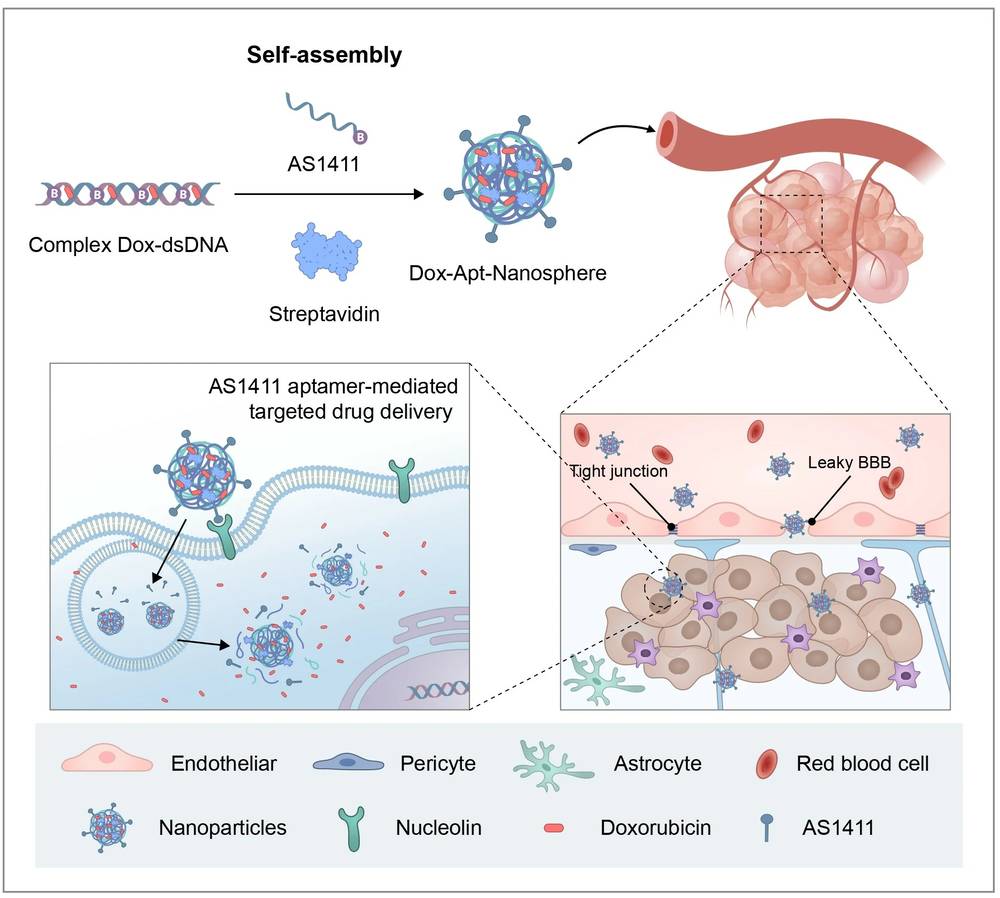
Programs may involve liposomes, polymeric nanoparticles or micelles, gold or other inorganic nanoparticles, magnetic particles, DNA or biomolecular nanostructures, hybrid carriers, and customer-supplied formulations. Final selection depends on cargo, surface chemistry, size requirements, stability, release behavior, and intended biological use.
How is an aptamer attached to the nanocarrier?
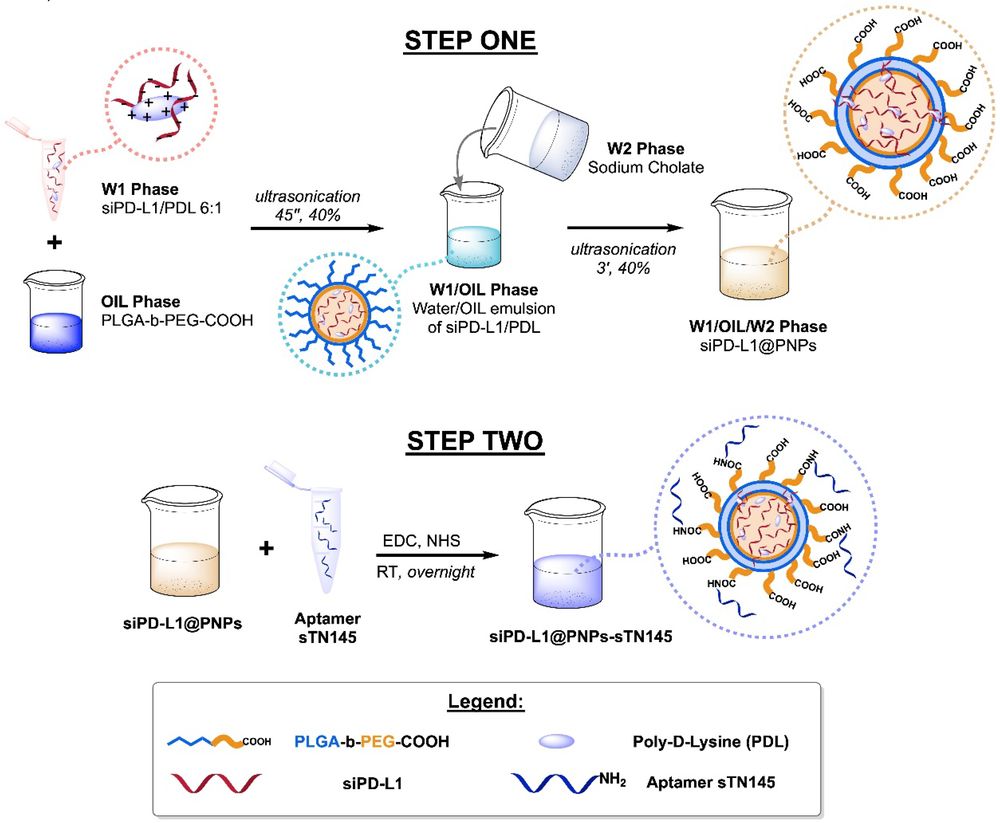
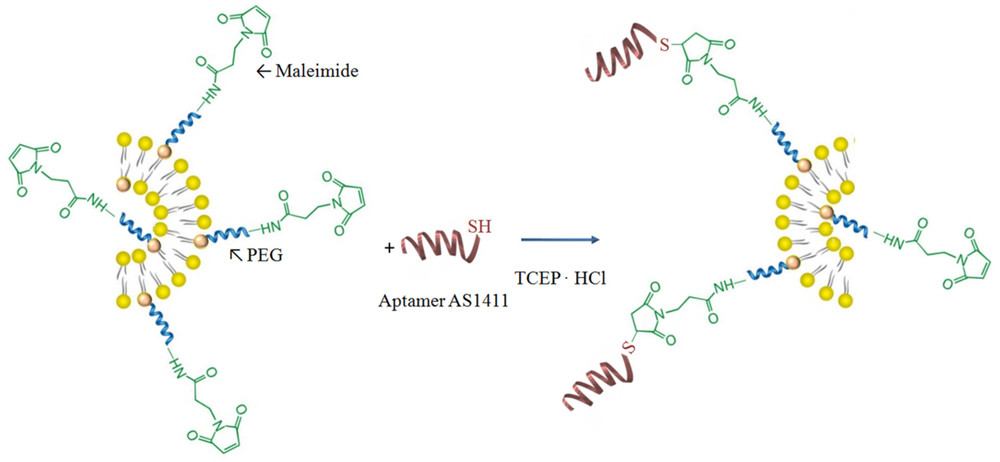
Potential strategies include thiol-maleimide, amine-NHS, azide-alkyne, biotin-affinity, gold-thiol, and other carrier-compatible chemistries. The best route is selected after reviewing the carrier surface, aptamer modification, desired orientation, linker needs, and tolerance of both components to the reaction conditions.
Can you optimize aptamer density on the carrier surface?
Yes. Ligand density can be evaluated across selected input ratios and correlated with conjugation yield, particle stability, target binding, uptake, and nonspecific association. This helps identify a practical density range rather than assuming that maximum loading produces the best function.
What payloads can be incorporated into an aptamer-nanocarrier system?
Depending on the carrier, projects may involve small molecules, oligonucleotides such as siRNA, proteins or peptides, fluorescent probes, imaging agents, or other research payloads. A feasibility review is used to confirm loading route, analytical detection, retention, release, and compatibility.
How do you confirm that conjugation has not impaired aptamer function?
We combine physicochemical evidence of conjugation with an appropriate binding comparison. Studies may compare free and conjugated aptamer, evaluate target-positive and target-negative models, use competition or blocking conditions, and measure target-dependent uptake or payload delivery.
What information is needed to scope a project?
Helpful starting information includes the target and application, aptamer sequence and modifications, available binding data, carrier composition and surface handles, payload properties, desired formulation attributes, biological model, required controls, material quantities, and the decision the final data should support.