Product List Background ANG Aptamer Analysis
Background
Angiogenin (ANG) is a protein crucial for angiogenesis, acting as a potent stimulator of new blood vessels through angiogenesis. Encoded by the ANG gene, it belongs to the ribonuclease superfamily, sharing sequence homology with pancreatic RNase A. Originally discovered in human carcinoma cells, ANG is found in various tissues and fluids, including serum and cerebrospinal fluid. Structurally, ANG comprises 123 amino acids with a conserved catalytic site essential for its ribonucleolytic activity. It interacts with RNase inhibitor proteins, regulating its enzymatic function. ANG's ability to cleave RNA suggests roles beyond angiogenesis, implicating it in diverse cellular processes.
Its Gene ID: 283, UniProtKB ID: P03950, and OMIM ID: 105850.
Mechanisms of Action of ANG
ANG exerts multifaceted roles through distinct mechanisms both intracellularly and extracellularly. Intracellularly, ANG modulates nucleic acid metabolism by directly interacting with RNA, promoting tRNA cleavage to generate small RNA fragments that can regulate protein synthesis and stress responses. This ribonucleolytic activity underscores its involvement in cellular processes beyond angiogenesis, influencing cell proliferation and survival. Extracellularly, ANG acts as a signaling molecule by binding to endothelial cell surface receptors, initiating signal transduction pathways crucial for angiogenesis, such as PI3K-Akt and ERK1/2. It stimulates endothelial cell migration and proliferation, essential to forming new blood vessels. Moreover, ANG can facilitate basement membrane degradation through its ability to activate proteolytic enzymes, promoting tissue remodeling and facilitating the invasion of endothelial cells into surrounding tissues during angiogenesis. ANG exemplifies a complex regulatory protein with profound implications in both physiological and pathological contexts within the cellular microenvironment through these dual mechanisms.
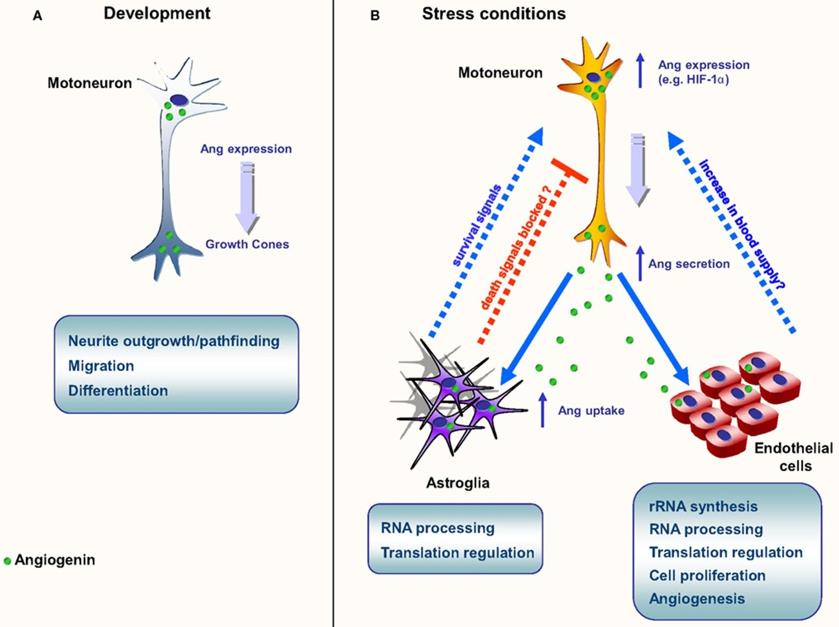 Fig.1 The main known functions of ANG.1
Functions of ANG
ANG is considered to perform functions in blood vessel homeostasis, pregnancy, innate immunity, and other pathological conditions. ANG contributes to maintaining blood vessel homeostasis by promoting endothelial cell survival, vascular integrity, and self-renewal. During fetal development, ANG is upregulated and is crucial for vascularization, ensuring proper blood vessel formation and function. Additionally, ANG is implicated in immune tolerance mechanisms, modulating immune responses to maintain tissue homeostasis. It also participates directly in immune responses, influencing inflammatory pathways and potentially contributing to the regulation of immune cell functions.
Roles of ANG in Diseases
ANG has been implicated in several cancers, including breast, prostate, colorectal, and ovarian cancers where it promotes tumor growth, angiogenesis, and metastasis through mechanisms involving RNA metabolism and angiogenic signaling pathways. ANG dysregulation is also associated with neurodegenerative diseases like amyotrophic lateral sclerosis (ALS) and Parkinson's disease, where mutations in ANG or altered ANG expression have been observed. These mutations can lead to neuronal degeneration and affect protein homeostasis, contributing to disease progression. Beyond cancer and neurodegeneration, ANG is also implicated in cardiovascular diseases like atherosclerosis and myocardial infarction, where it may influence endothelial dysfunction and vascular remodeling. Moreover, ANG has been studied in contexts ranging from inflammatory diseases to metabolic disorders, highlighting its broad impact on human health and suggesting potential therapeutic avenues targeting ANG-related pathways in these conditions.
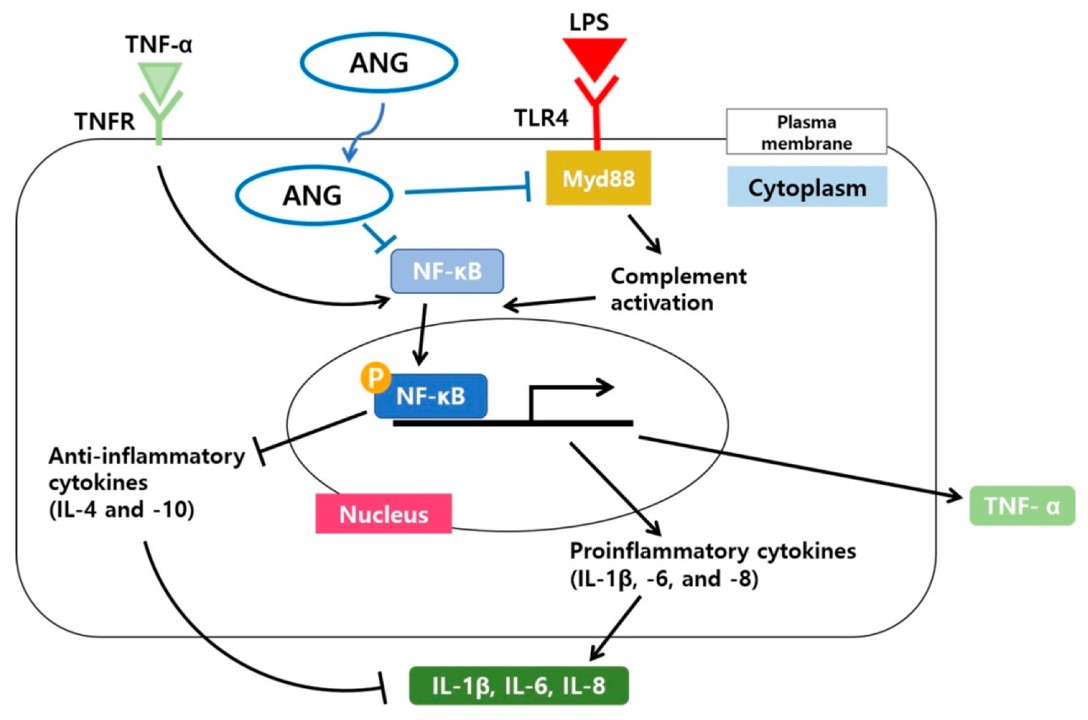 Fig.2 The signaling pathway by which ANG reduces the inflammatory responses in endotoxin-induced uveitis.2,4
Creative Biolabs offers several high-affinity aptamers targeting ANG, which are fully validated for complete reliability and ready support.
ANG Aptamer Analysis
Anti-ANG aptamers are single-stranded DNA or RNA molecules that bind ANG, inhibiting its pro-angiogenic activity. They show promise as therapeutics for diseases driven by angiogenesis, such as cancer and macular degeneration.
Anti-ANG aptamers serve as highly specific probes for detecting angiogenin in biological samples, enabling sensitive biomarker identification. These aptamers function by inhibiting both the angiogenic and cell proliferative activities of ANG, which is involved in promoting angiogenesis, inflammation, and tumor growth. By binding to ANG, they can disrupt its interaction with cell surface receptors, reducing endothelial cell proliferation and migration, and consequently preventing the formation of new blood vessels. This mechanism makes anti-ANG aptamers valuable in treating cancer, ischemic diseases, and other conditions involving excessive angiogenesis.
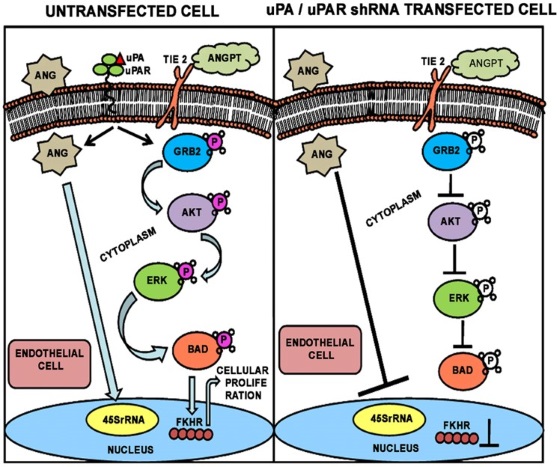 Fig.3 Inhibition of ANG in glioblastoma cell lines.3,4
Recent studies have demonstrated the efficacy of anti-ANG aptamers in reducing tumor size and improving therapeutic outcomes when used in conjunction with chemotherapy or other targeted treatments. For example, aptamers targeting ANG have shown promise in preclinical models of various cancers, including glioblastoma and melanoma, enhancing the precision and efficacy of targeted therapies.
Creative Biolabs provides comprehensive anti-ANG aptamer services, including discovery, development, and functional analysis. Our advanced technology guarantees exceptional specificity and affinity, accelerating your research or therapeutic development. Customers benefit from our expertise, gaining tailored solutions to enhance the effectiveness of ANG-targeted therapies.
References
-
Aparicio-Erriu, Isabela M., and Jochen HM Prehn. "Molecular mechanisms in amyotrophic lateral sclerosis: the role of angiogenin, a secreted RNase." Frontiers in Neuroscience 6 (2012): 167. Distributed under Open Access license CC BY 3.0, without modification.
-
Park, Jihae, et al. "The anti-inflammatory effects of angiogenin in an endotoxin induced uveitis in rats." International Journal of Molecular Sciences 21.2 (2020): 413.
-
Raghu, Hari, et al. "Suppression of uPA and uPAR attenuates angiogenin mediated angiogenesis in endothelial and glioblastoma cell lines." PLoS One 5.8 (2010): e12458.
-
Distributed under Open Access license CC BY 4.0, without modification.


 INQUIRY
 Datasheet