Product List Background MBL2 Functional Service
Background
The complement lectin pathway, one of the three pathways that play important roles in both innate immunity and acquired immunity, is initiated by the binding of pattern recognition proteins to microbial surface carbohydrates. Mannose-binding lectin 2 (MBL2) is one of the central recognition proteins mediating the activation of the complement lectin pathway.
Human MBL2 (also known as mannose-binding protein C, MPB-C), a 26 kD O-glycosylated polypeptide with 248 amino acid residues, is a C-type lectin synthesized in liver cells. Each MBL2 molecule consists of four distinct domains: an N-terminal cysteine-rich domain, a collagen-like domain, an α-helical hydrophobic neck region, and a C-terminal carbohydrate-recognition domain. Three identical polypeptide chains form a triple helix subunit through the collagen-like region, which is stabilized by disulfide bonds within the N-terminal cysteine-rich region and oligomerization. MBL2 circulates in serum in an oligomeric tulip-like nanobouquet form since single MBL trimers are not fully functional.
MBL2 mediated complement lectin pathway activation starts with binding to carbohydrate structures on pathogenic organisms. MBL2 can not only selectively bind to mannose, but also recognize 3-hydroxy and 4-hydroxy carbohydrates on the equatorial plane of the sugar ring, such as L-fucose, N-acetylglucosamine, and N-acetylmannosamine. In human circulating, MBL2 usually is complexed with MBL-associated serum proteases (MASPs). Once MBL2 binds to sugar-rich microorganism surface, the MASPs, especially MASP-2, are activated, leading to the cleavage of complement C4 and C2. The C4b and C2a fragments covalently bind to the microbial surface, generating C3 convertase (C4b2a), which is pivotal to complement activation and amplification. Another important function of MBL2 is that it is capable of binding to late apoptotic and necrotic cells, senescent fibroblasts, inducing complement-dependent cytotoxicity. MBL2 deficiency has been associated with a higher risk of infections, immunodeficiencies, and pulmonary tuberculosis, while high MBL activity is related to autoimmune disease.
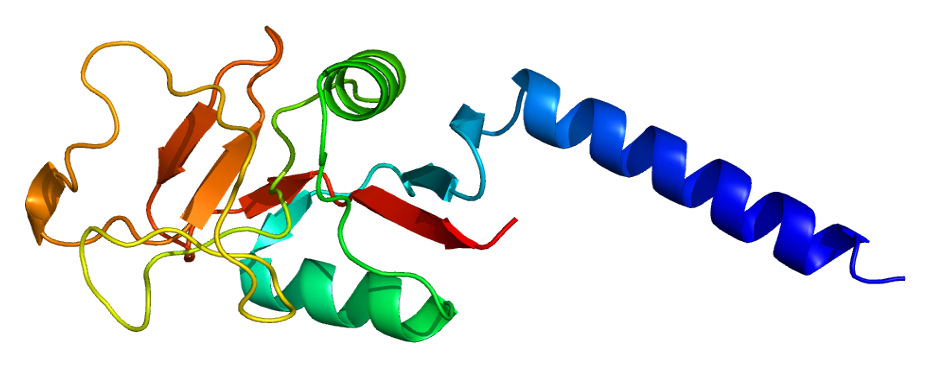 Fig. 1 Structure of MBL2. Distributed under CC BY-SA 3.0, from Wiki, without modification.
MBL2 Functional Service
Creative Biolabs delivers a comprehensive suite of products related to MBL2, comprising ELISA Assay Kits, anti-MBL2 Antibodies, and human complement MBL2 Proteins. These instruments are adept at efficiently detecting and tracking the interactions between antibody regions and human MBL2 protein, thus playing an essential role in research aimed at disease therapeutics.
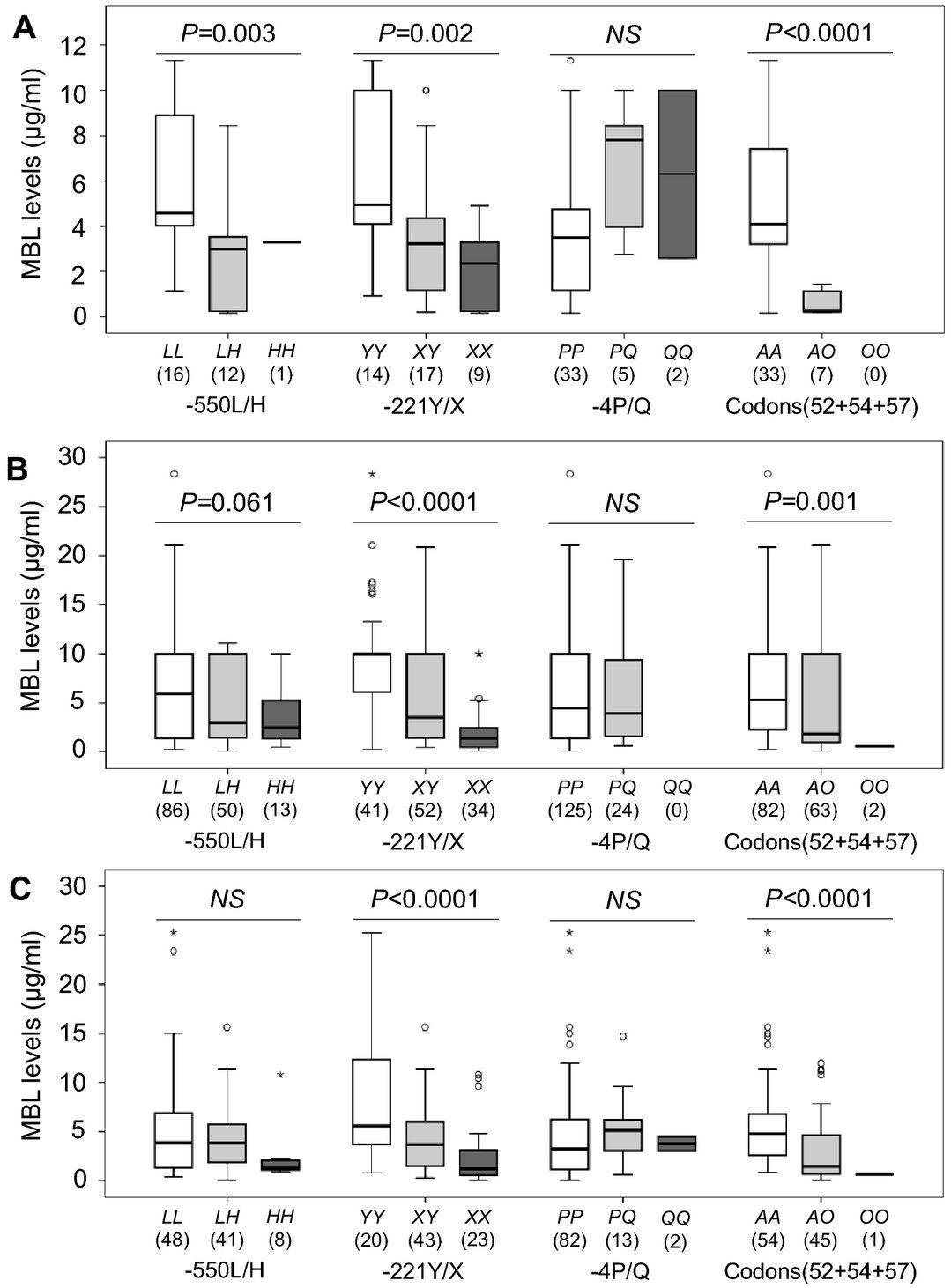 Fig.2 Graphical representation of MBL concentrations across various MBL2 genotypic profiles.1
This investigation elucidates the role of MBL2 genetic variations in dengue virus infection and its progression. By employing anti-MBL2 antibodies to quantify MBL levels and related complement proteins in serum, the study reveals significant associations between MBL2 genotypes, diplotypes, and haplotypes with dengue incidence. Notably, increased levels of complement factors C2, C5, and C5a were observed in patients with dengue and those exhibiting warning signs, while factor D levels were diminished compared to healthy controls. Consequently, MBL2 polymorphisms emerge as influential in dengue, with complement protein modulation marking the infection’s clinical progression.
Creative Biolabs provides a portfolio of MBL2-focused services, encompassing MBL2 binding analysis and additional functional assessments, crafted to aid our esteemed clientele in clinical and research environments.
References
-
Giang, Ngo Truong, et al. "Complement protein levels and MBL2 polymorphisms are associated with dengue and disease severity." Scientific Reports 10.1 (2020): 14923. Distributed under Open Access license CC BY 4.0, without modification.


 INQUIRY
 Datasheet