Why Complement Factor B Activity Evaluation Matters
Complement Factor B is indispensable for this alternative pathway amplification. In its native form, Factor B circulates as an inactive zymogen. When C3b is deposited on an activating surface, Factor B binds to C3b in a magnesium-dependent manner to form the C3bB proconvertase. Factor D then cleaves Factor B into Ba and Bb fragments. Bb remains associated with C3b and forms the alternative pathway C3 convertase, C3bBb. This convertase cleaves additional C3 molecules, generating more C3b and driving a positive feedback loop. When additional C3b joins the convertase complex, the pathway can progress toward C5 cleavage and terminal complement activation.
Because Factor B sits at this amplification node, even modest changes in its activity may significantly affect complement output. Excessive Factor B activity may contribute to complement-mediated inflammation, tissue injury, autoimmune pathology, renal disease, ocular disease, neuroinflammation, transplant-related injury, and other complement-associated disorders. Conversely, insufficient Factor B function may impair innate immune defense and reduce alternative pathway activity. Therefore, Factor B activity assays are essential for understanding whether a biological sample, therapeutic candidate, mutation, inhibitor, antibody, serum condition, or disease model alters the functional capacity of the alternative pathway.
Creative Biolabs designs Factor B activity assays to provide this functional perspective. Depending on the project, our scientists can evaluate Factor B at the level of cleavage, convertase assembly, enzymatic activity, pathway amplification, downstream complement fragment generation, hemolytic readout, cell-surface deposition, or inhibitor response. This flexible strategy enables clients to obtain mechanistic data rather than a single endpoint measurement.
Great Minds Choose Creative Biolabs
Sample Types and Species Options
Creative Biolabs supports multiple sample types for complement Factor B activity analysis. The selection of sample type depends on the scientific question and assay format.

Human/Animal serum, plasma with suitable anticoagulant selection

Purified factor B protein, recombinant factor B variants

Biological fluids, cell culture supernatants

Complement samples, disease-model samples
Workflow of Complement Factor B Activity Assay
Creative Biolabs proposes conducting the complement FB functional assay utilizing ELISA and SPR technology.
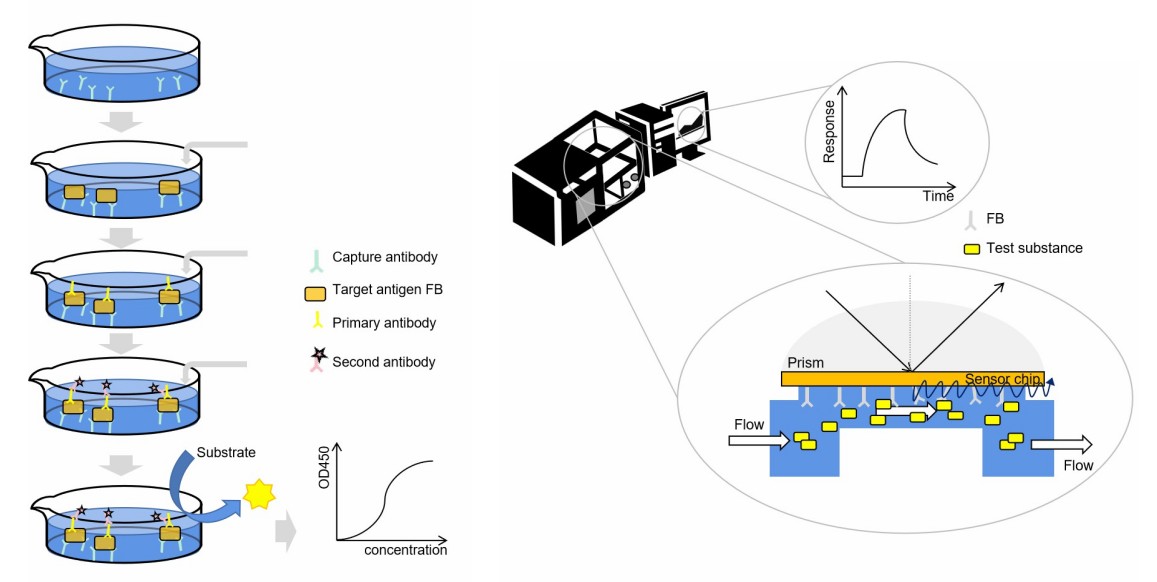 Fig. 1 Workflow of complement factor B functional test.
Design Your Workflow
Applications of Complement Factor B Activity Assay
|
Application
|
Description
|
|
Complement-Targeted Drug Discovery
|
Factor B activity assays can help determine whether a candidate molecule effectively blocks alternative pathway amplification, reduces convertase activity, suppresses downstream inflammatory fragments, or protects target cells from complement-mediated injury.
|
|
Factor B Inhibitor Characterization
|
For programs specifically targeting Factor B, functional characterization is critical. A candidate may bind Factor B but fail to prevent C3b binding. It may prevent cleavage but only at high concentrations. It may inhibit purified systems but perform differently in serum. It may block Bb generation but show limited downstream effect due to assay matrix or compensatory pathway activity.
|
|
Alternative Pathway Functional Profiling
|
Factor B activity analysis can contribute to functional profiling of patient-derived samples, disease-model samples, or experimental conditions. By measuring Factor B activation and downstream pathway activity, researchers can investigate whether alternative pathway amplification is elevated, suppressed, or altered under specific conditions.
|
|
CFB Variant and Mutant Analysis
|
Genetic variants in complement pathway components may affect pathway regulation, convertase formation, complement amplification, or disease susceptibility. Functional testing is important for understanding whether a CFB variant alters Factor B activity, binding, cleavage, convertase stability, or regulatory sensitivity.
|
|
Biomarker and Translational Research
|
Factor B-related activation products such as Bb and Ba are commonly used as indicators of alternative pathway activation. These biomarkers can be measured in research samples to assess complement activation status, therapeutic response, pathway engagement, or disease-associated immune activity.
|
|
Antibody and Biologic Safety Evaluation
|
Some biologics may unintentionally activate complement, while others are designed to harness complement-dependent activity. Factor B-dependent amplification can influence the magnitude of complement activation triggered by antibodies, immune complexes, nanoparticles, viral vectors, cell therapies, or other biological materials.
|
|
Cell Surface Complement Regulation Studies
|
The activity of factor B-dependent amplification is strongly influenced by the target surface. Cell-surface complement regulators, membrane composition, antigen density, antibody orientation, and local availability of C3b can all affect alternative pathway amplification. Creative Biolabs can help evaluate how target cells, disease-associated cells, engineered cells, or therapeutic antibodies influence factor B-dependent complement activity.
|
Design Your Customization
Case Studies
Case 1
Measurements of circulating complement factors in HF patients
FB levels were quantified by ELISA using plasma diluted 1:400. The coating monoclonal antibody recognizes the common epitope on both the native FB and the activated Ba fragment, and it does not distinguish between active and inactive fragments. As a result, this assay only reflects the total amount of FB that is present.
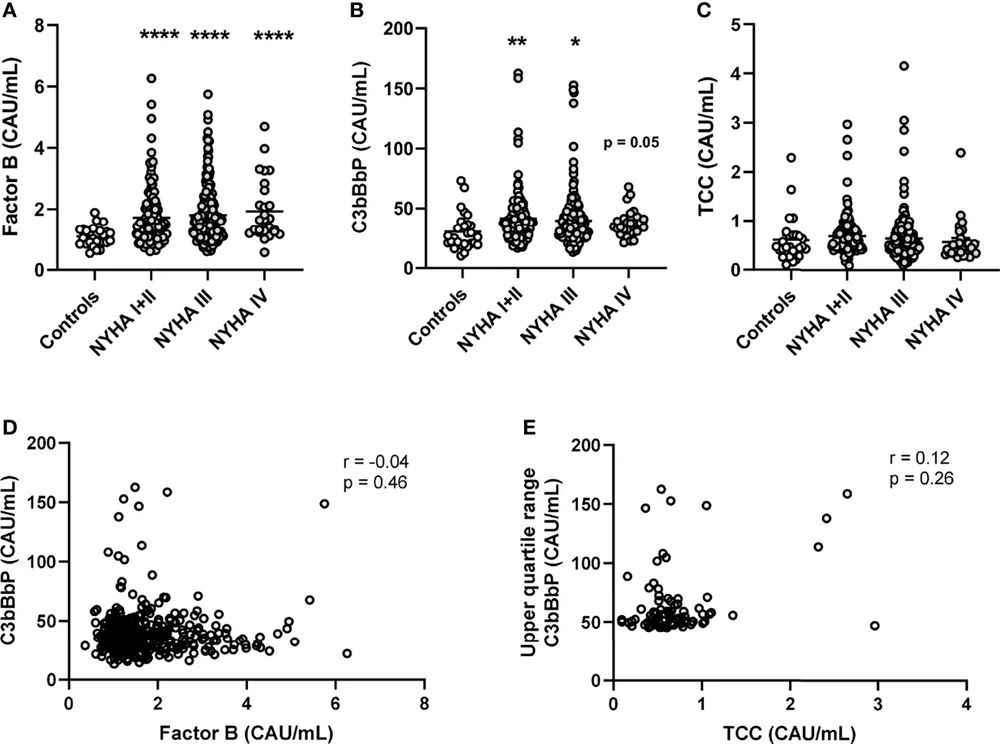 Fig. 2 Alternative complement pathway components Factor B and C3bBbP.1,2
References
-
Holt, Margrethe Flesvig, et al. "The alternative complement pathway is activated without a corresponding terminal pathway activation in patients with heart failure." Frontiers in immunology 12 (2021): 800978. https://doi.org/10.3389/fimmu.2021.800978
-
Distributed under Open Access license CC BY 4.0, without modification.
Frequently Asked Questions
When should I choose a functional factor B assay instead of a standard ELISA?
A standard ELISA may be suitable when the goal is to quantify total Factor B, Bb, or Ba. A functional Factor B activity assay is more appropriate when the goal is to understand whether Factor B contributes to alternative pathway activation, whether an inhibitor blocks pathway function, whether a sample has altered complement activity, or whether a candidate molecule affects convertase formation or downstream complement output.
Can Creative Biolabs evaluate factor B inhibitors?
Yes. Creative Biolabs can design customized assays to evaluate Factor B inhibitors, including antibodies, antibody fragments, peptides, small molecules, aptamers, fusion proteins, recombinant regulators, or other therapeutic candidates. Assay readouts may include Bb generation, C3 convertase activity, C3 cleavage, C3b deposition, hemolysis, and downstream complement activation markers.
What is the difference between Bb and Ba detection?
Bb and Ba are both generated when Factor B is cleaved by Factor D. Bb remains associated with C3b and forms the catalytic component of the alternative pathway C3 convertase, while Ba is released into solution. Bb detection is commonly used as a marker of Factor B activation and alternative pathway convertase formation. Ba detection can provide complementary information about Factor B cleavage and may be useful in biomarker studies.
Can factor H or other complement regulators be evaluated together with factor B?
Yes. Factor H, factor I, decay-accelerating factor, membrane cofactor protein, CD55, CD46, CD59, or other complement regulators may be incorporated into customized assay designs when the goal is to understand regulatory effects on Factor B-dependent amplification or convertase stability.
Can the assay be performed in a cell-based format?
Yes. Cell-based factor B-dependent complement assays can be developed to assess complement deposition, C3b or iC3b formation, Bb deposition, C5b-9 assembly, complement-dependent cytotoxicity, or protection by complement inhibitors on target cells. This format is especially useful when surface biology, antibody binding, or disease-relevant cell context is important.
How much sample is required?
Sample volume depends on the assay format, number of readouts, number of replicates, dilution requirement, and whether optimization is included. Serum-based multi-readout studies usually require more material than single-endpoint assays. Creative Biolabs can estimate sample requirements after reviewing your project design.