What is the Individual Complement Component Activity Test?
The complement system is a complex immunoregulatory network composed of more than 30 proteins, and
abnormal activity of its components is closely associated with infections, autoimmune diseases, genetic
defects and other diseases. The assay of individual components focuses on the mechanism of action and
biological function of specific complement proteins in the cascade reaction, providing key data for the
study of complement regulatory mechanisms and disease associations. Individual complement component
activity assay is used to quantitatively or qualitatively analyze the functional activity or content of
a specific component of the complement system (e.g., C3, C5, C1q, Factor B, etc.).
Great Minds Choose Creative Biolabs
Why Choose Our Services?
Whether you are in mechanism discovery, drug development, or preclinical evaluation, we can
provide reliable, customized activity testing solutions for individual complement components for your
research.

Compatible with a wide range of sample types

Highly specific assay platform for precise assessment

Combining sensitivity and quantification

Flexible adjustment of experimental procedures and assay indexes
Workflow of Individual Complement Component Assays
We have briefly summarized the workflow for testing several complement components. For more
information or customized service solutions, please feel free to contact us.
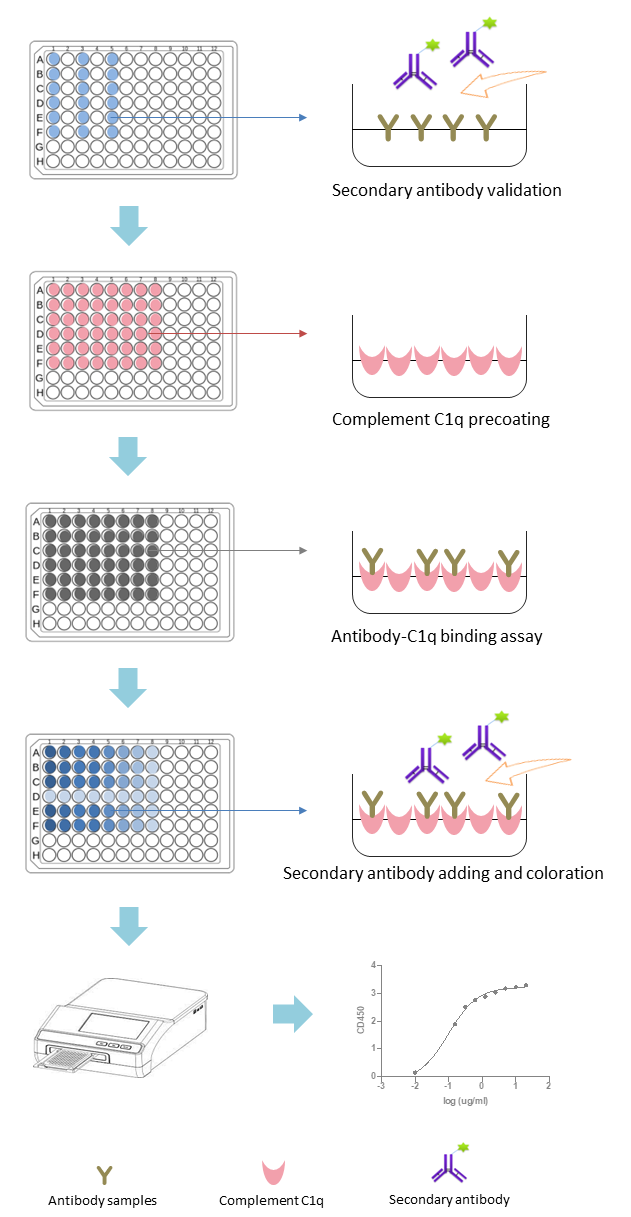
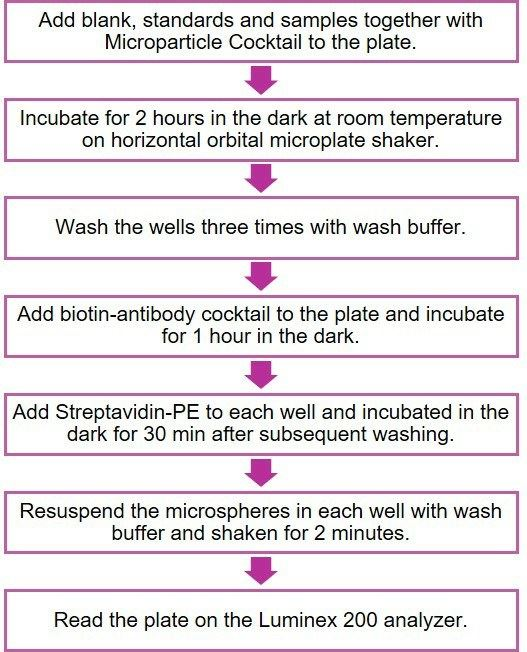
Fig.1 Workflow of complement C1q-binding assays. (Creative
Biolabs)
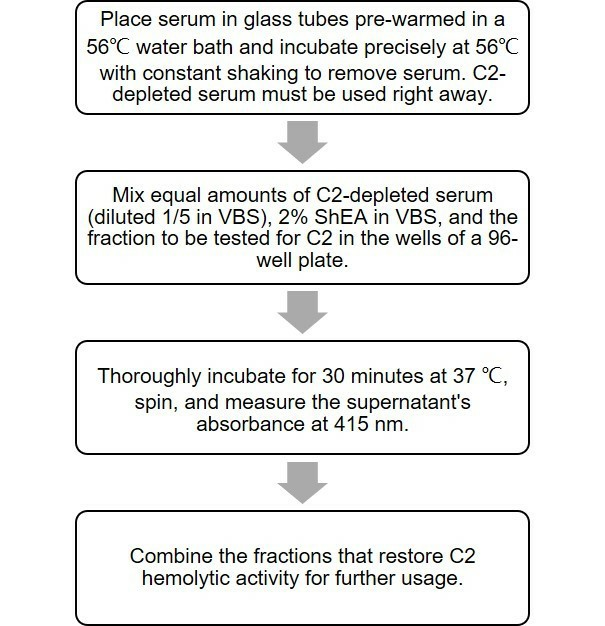
Fig.2 Workflow of complement C2 assays. (Creative Biolabs)
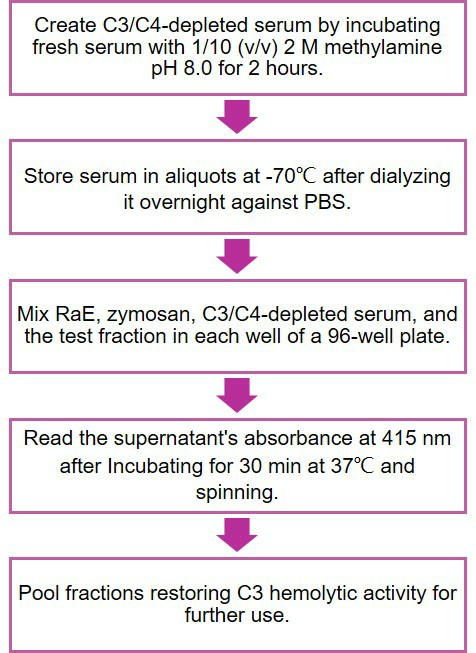
Fig.3 Workflow of complement C3 assays. (Creative Biolabs)
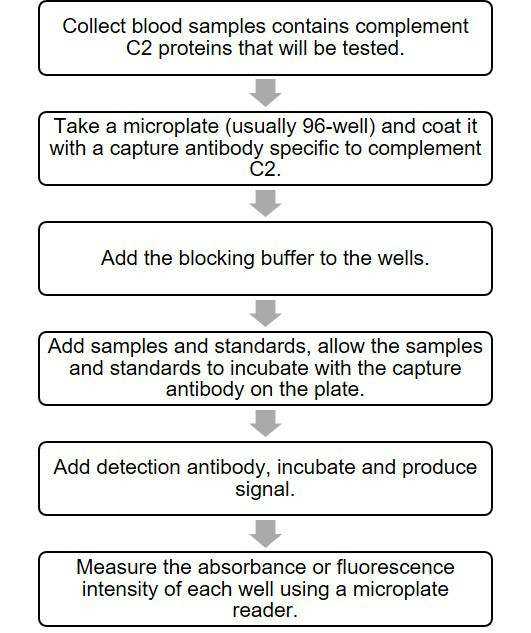
Fig.4 Workflow of complement C5 assays. (Creative Biolabs)
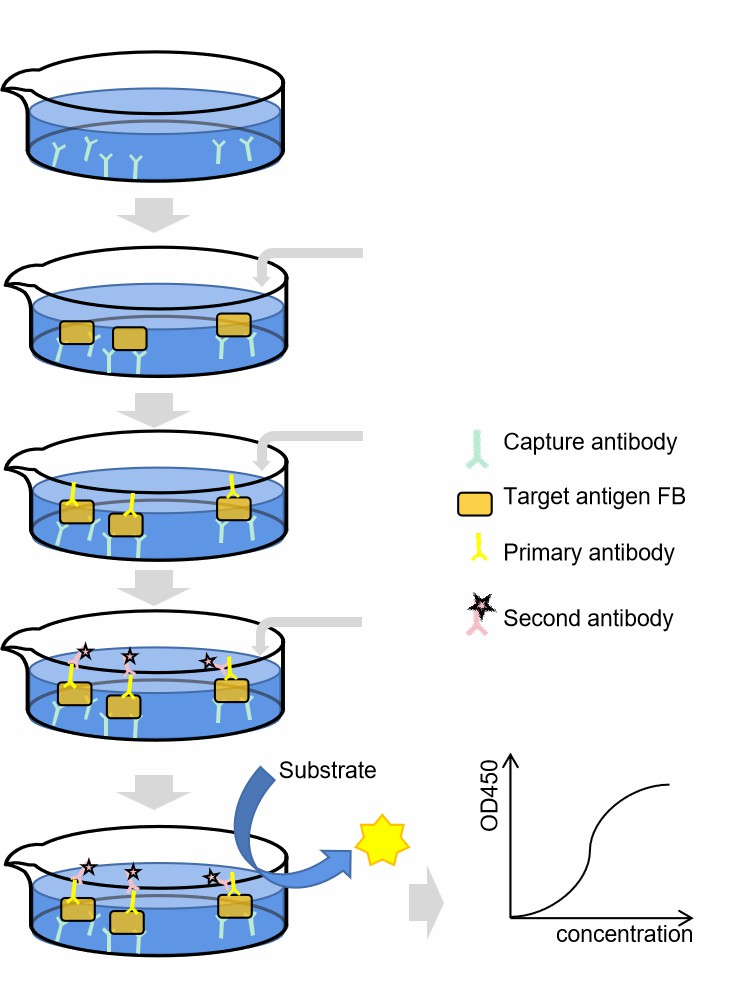
Fig.5 Workflow of complement FB assays. (Creative Biolabs)
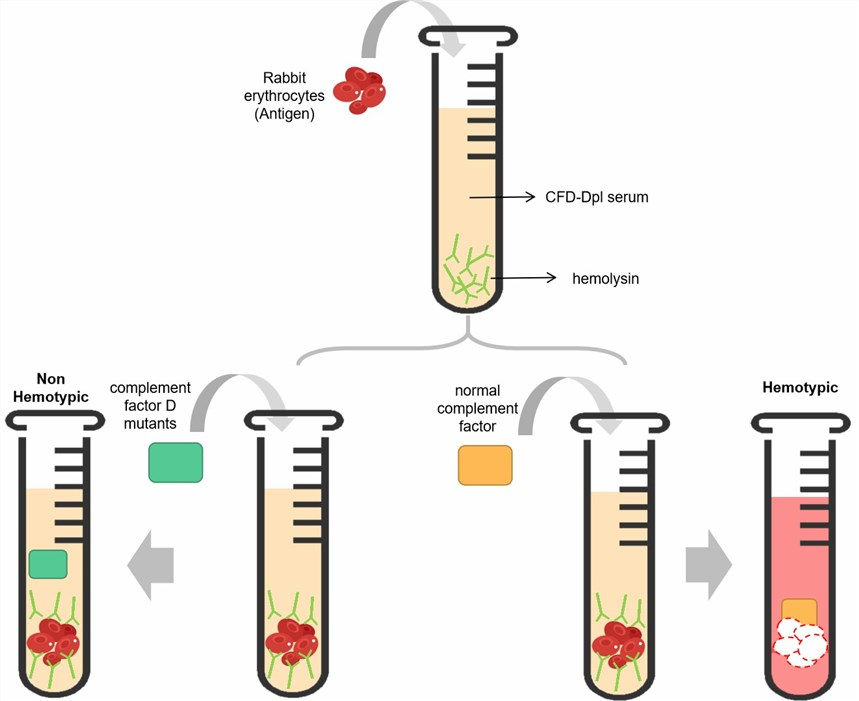
Fig.6 Workflow of complement FD assays. (Creative Biolabs)
Case Studies of Individual Components Activity Test
Case 1
Sandwich ELISA: For C1q binding analysis
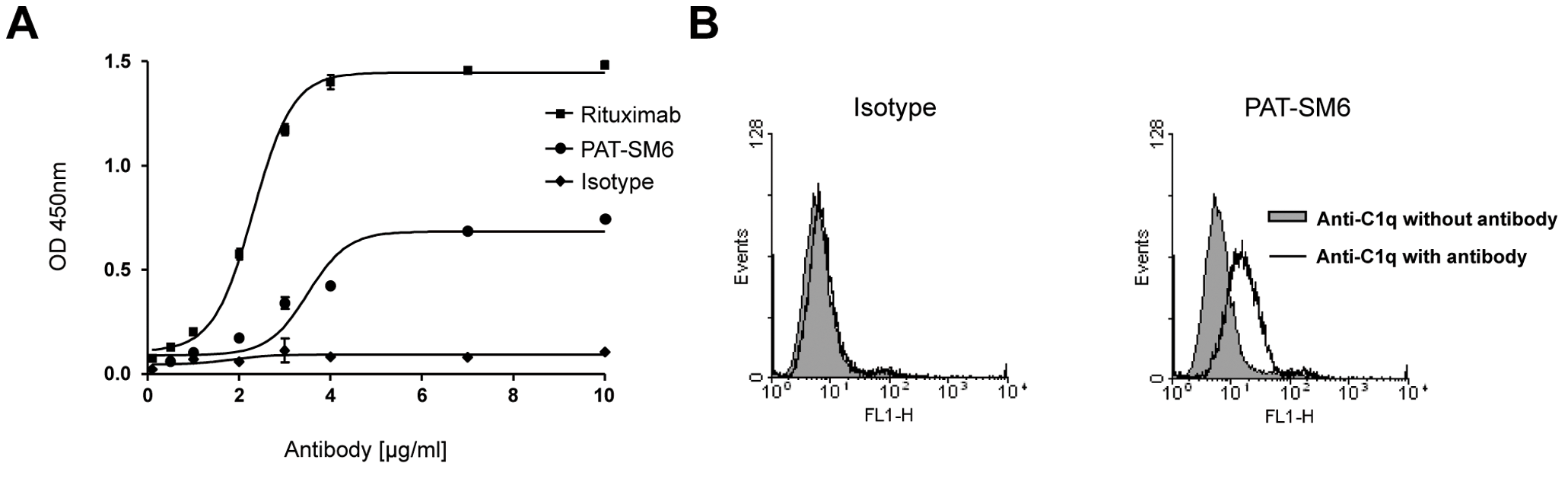
For C1q binding analysis, plates were coated with PAT-SM6 or controls (isotype or Rituximab). After
blocking, plates were incubated with human C1q followed by sheep anti human C1q-HRP. PAT-SM6 showed
clear but moderate binding to C1q compared to the isotype control. Rituximab displayed a stronger C1q
binding capacity. PAT-SM6 mediated deposition of C1q on the surface of OPM-2 cells was assessed by using
human C1q and detecting antibodies in FACS.
Fig. 7 C1q binding analysis.
1,3
Case 2
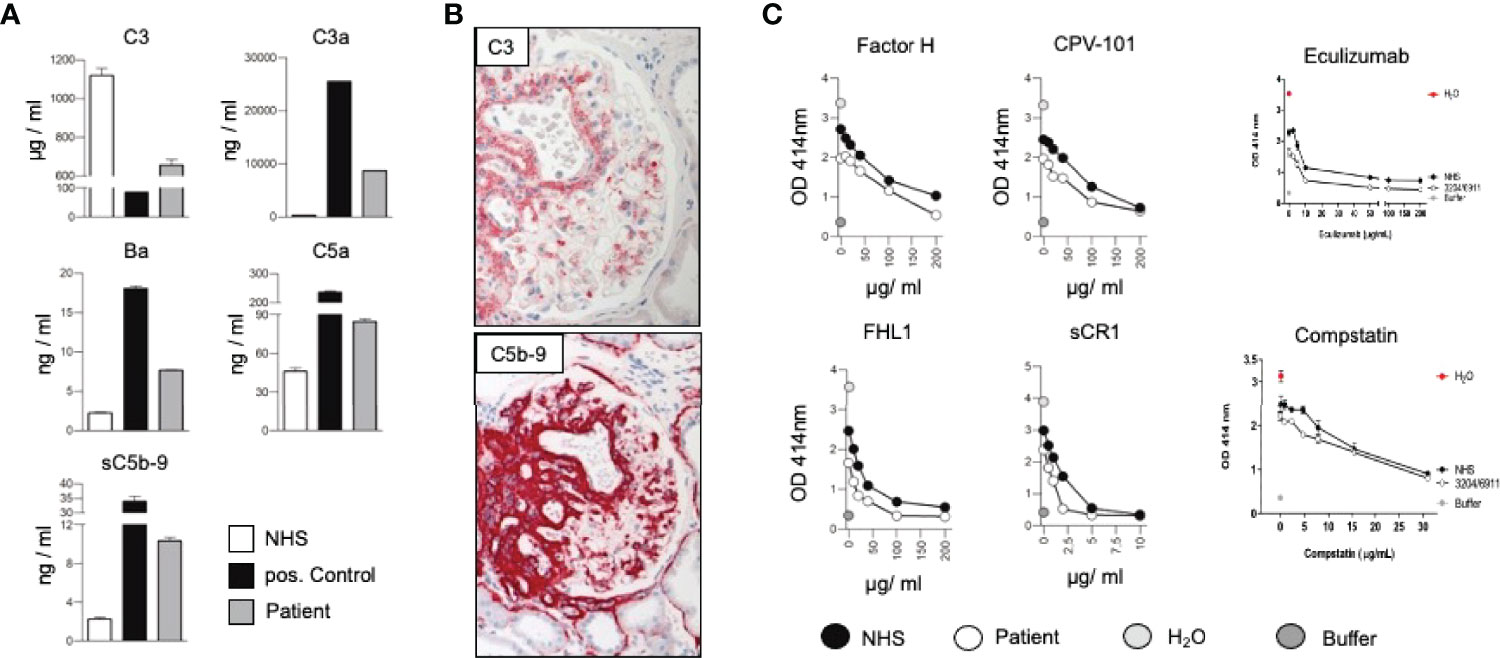
ELISA: For measurement of C3, C3a, Factor Ba, C5a, and sC5b-9 in sera
Serum was analyzed for C3, C3a, factor Ba, C5a, and sC5b-9 using an ELISA. Complement activation was
shown to continue at early levels by tracking the levels of the central complement component C3.
Depletion of C3 coupled with elevated levels of C3a, Ba, C5a, and sC5b-9 indicated that complement was
activated and that activation proceeded to the level of the C3-converting enzymes and C5-converting
enzymes and into the terminal pathway. The activation proceeds to the C3- and C5-converting enzyme
levels and enters the terminal pathway.
Fig. 8 ELISA for measurement of the C3, C3a, Factor Ba, C5a, and sC5b-9 in sera.
2,3
References
-
Rasche, Leo, et al. "The natural human IgM antibody PAT-SM6 induces apoptosis in primary human
multiple myeloma cells by targeting heat shock protein GRP78." PloS one 8.5 (2013): e63414. https://doi.org/10.1371/journal.pone.0063414
-
Schmidt, Tilman, et al. "An interdisciplinary diagnostic approach to guide therapy in C3
glomerulopathy." Frontiers in Immunology 13 (2022): 826513. https://doi.org/10.3389/fimmu.2022.826513
-
Distributed under Open Access license CC BY 4.0, without modification.
FAQ about Individual Components Activity Test
What specific complement components can your individual complement component activity test detect?
Our testing services cover key components of the three complement activation pathways, classical,
alternative and lectin, including but not limited to C1q, C3, C3a, C5, C5a, C9, Factor B, Factor D, MBL,
Properdin, and various types of regulatory proteins such as Factor H, I and others. Customers can
customize specific assay combinations according to their research objectives, and we can also provide
standard panel recommendations for reference.
Do you support testing of samples of human and animal origin? What are the sample type requirements?
Yes, we support samples of human origin and a variety of animal model (e.g., mouse, rat, guinea pig,
primate) sources. Common sample types include serum, plasma, cell supernatant, tissue homogenate, etc.
Detailed guidelines for sample collection and preservation will be provided. We can also provide
standardized sampling tubes and cold chain transport solutions to ensure sample quality.
I would like to perform a comparison of the activity of complement components under different experimental conditions, such as before and after drug treatment or at different time points. Is this possible?
Absolutely. We support group testing of bulk samples and comparative analysis of experimental
conditions, and we can develop a multi-group parallel test plan according to your experimental design.
At the same time, we provide data standardization and statistical analysis services to assist you in
determining whether the changes in complement function under different conditions are statistically
significant. This type of service is particularly suitable for drug efficacy evaluation, immune function
monitoring or disease modeling studies.
Do you offer other complement-related services, such as functional testing of complement pathways or antibody screening?
Yes, we provide a full range of complement system research services, including:
We also support conjugation services, a one-stop solution for all your needs in complement research.