Introduction Application What Can We Offer? Workflow Published Data Why Choose Us? FAQs Featured Services Feature Products
Live Animal-based SELEX Services: Precision Targeting in Physiological Reality!
Are you currently facing high off-target toxicity, poor clinical translatability, or the rapid degradation of your therapeutic candidates in vivo? Our Live Animal-based SELEX Service helps you identify highly specific aptamers that reach their intended targets within the complex internal environment of a living organism. By leveraging our innovative systemic evolution platform, we bypass the limitations of in vitro screening to deliver "smart" molecules optimized for real-world therapeutic and diagnostic success.
Contact our team to get an inquiry now!
Introduction of Live Animal-based SELEX
Aptamers, often called "chemical antibodies," are single-stranded DNA or RNA molecules that fold into unique 3D structures to bind targets with high affinity and selectivity. While in vitro SELEX has historically been successful for targeting purified recombinant proteins, the resulting candidates often struggle within the biological milieu. In a living subject, high protein concentrations, dense extracellular matrices, and aggressive enzymatic activity create a hostile environment that can alter aptamer conformation or lead to premature degradation. Furthermore, physical barriers and competing non-target tissues act as "sinks," often rendering in vitro-optimized aptamers ineffective when transitioned to clinical models.
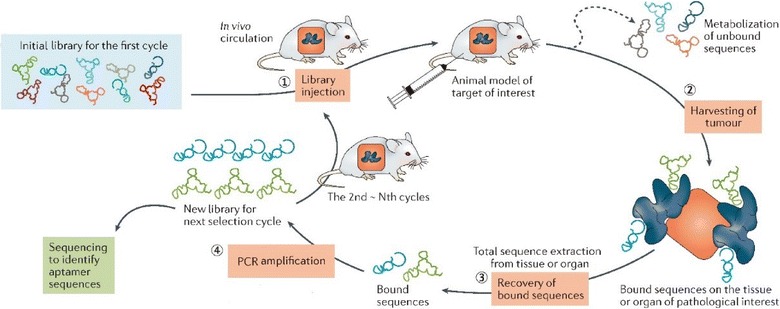 Fig.1 Schematic illustration of in vivo SELEX procedures.1,3
Scientific literature highlights that in vivo SELEX is a transformative strategy for identifying aptamers that can home to specific pathological sites, such as malignant tumors or inflamed tissues, without prior knowledge of the specific molecular markers. By using the "whole animal" as the selection target, the process accounts for the native conformation of surface receptors as they exist in a multicellular environment. This systemic approach integrates the influence of the immune system and circulatory dynamics, leading to the discovery of lead candidates with superior clinical potential and inherently optimized pharmacokinetic properties.
Application
The versatility of live animal-selected aptamers makes them indispensable in modern biopharmaceuticals, particularly for addressing challenges that traditional biologics cannot:
Targeted Drug Delivery:
Aptamers act as high-precision "homing devices" to deliver chemotherapeutics, siRNAs, or potent toxins directly to diseased cells. By ensuring that the payload is only released upon reaching the target tissue, systemic side effects and off-target toxicities are dramatically reduced, allowing for higher localized therapeutic doses.
High-Resolution In vivo Imaging:
The development of specific molecular probes for PET, SPECT, or fluorescence imaging allows for the visualization of micro-metastases or early-stage lesions. Because these aptamers are selected for their ability to clear rapidly from non-target organs, they provide a high signal-to-noise ratio, facilitating more accurate diagnostic outcomes.
Crossing Formidable Biological Barriers:
One of the most significant applications is identifying sequences capable of transcytosis across the blood-brain barrier (BBB). This enables the delivery of therapeutic agents to the central nervous system for treating complex neurological disorders, such as glioblastoma or neurodegenerative diseases, which remain largely inaccessible to standard drug formats.
Systemic Biomarker Discovery:
Live animal SELEX provides a unique platform for identifying novel, disease-specific cell surface markers. By analyzing the molecular targets of the most successfully enriched aptamers, researchers can uncover previously unknown proteins or glycosylation patterns that are characteristic of specific disease states.
Therapeutic Neutralization in Situ:
Aptamers can be used to directly inhibit the function of target proteins involved in pathological signaling pathways, such as VEGF or TGF-beta. By selecting these inhibitors within the physiological context, researchers ensure that the aptamer remains active and bound to its target despite the presence of competing serum proteins and endogenous ligands.
What Can We Offer?
We provide a comprehensive suite of products and services to support your aptamer journey:
-
Custom in vivo SELEX: Full-service selection in a variety of rodent models.
-
Aptamer-Drug Conjugation (ADC) Services: Linking your therapeutic payload to selected aptamers.
-
Post-SELEX Optimization: Truncation and stabilization to enhance binding and reduce synthesis costs.
-
Binding Affinity Characterization: Detailed Kd measurements using SPR or MST.
-
Pre-made Aptamer Libraries: Validated pools for various research applications.
Workflow
01
Animal Model Preparation: Establishment of the target environment, such as a patient-derived xenograft (PDX) or a specific injury model (e.g., inflammation or ischemia).
02
Library Injection & Circulation: A high-diversity random oligonucleotide library is injected systemically (IV) or locally, allowing the sequences to circulate and interact with all tissues.
03
In vivo Partitioning: After a defined incubation period, the target tissue/organ is harvested. Non-binding or off-target sequences are cleared by the animal's natural circulatory and excretory systems.
04
Sequencing Recovery & Amplification: Bound sequences are extracted from the target tissue, purified, and amplified via PCR/RT-PCR to create the pool for the next round.
05
Bioinformatic Analysis: After multiple rounds (typically 6-10), high-throughput sequencing (NGS) and proprietary algorithms identify the most enriched and stable candidates.
Published Data
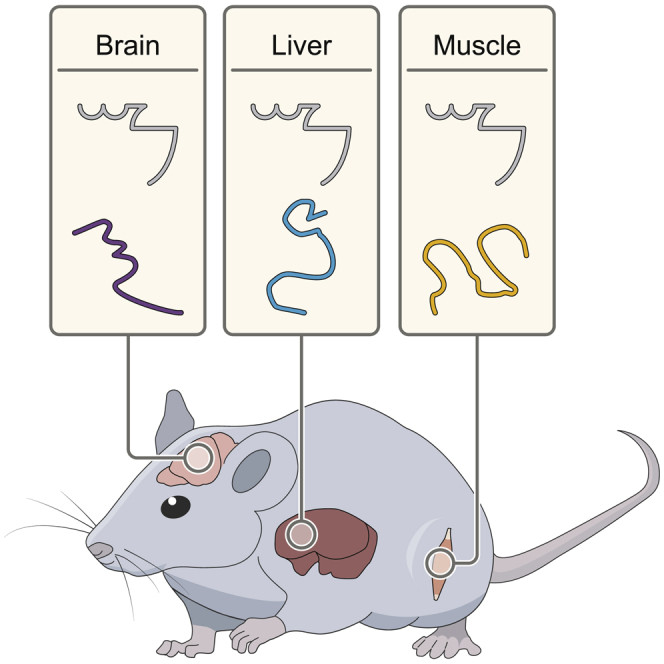 Fig.2 Aptamers against live targets.2,3,
Scientific data indicates that whole-organism in vivo SELEX is a powerful methodology for identifying aptamers with high physiological relevance. For instance, studies using intrahepatic xenografts in mice have successfully isolated aptamers, such as the RNA 14-16 aptamer, which targets the oncogenic helicase p68 (DHX9) specifically within the tumor microenvironment of colorectal liver metastases. Similarly, research in non-small cell lung cancer (NSCLC) models identified the RA16 aptamer through 11 rounds of in vivo selection; this aptamer not only demonstrated high binding affinity but also successfully inhibited tumor growth in vivo. Furthermore, published results show that modifying aptamer libraries with 2′-fluoropyrimidines or PEG conjugation significantly enhances nuclease resistance and circulation half-life, mitigating the rapid renal clearance typically associated with oligonucleotide therapeutics.
Why Choose Us?
Creative Biolabs stands at the forefront of aptamer technology by integrating advanced animal husbandry with high-precision molecular biology.
-
Physiological Relevance: Our process ensures aptamers are "pre-tested" for stability and specificity in the presence of blood, enzymes, and competing tissues.
-
Proprietary NGS Pipeline: We use deep sequencing to track the evolution of the library, catching high-affinity binders that might be lost in traditional cloning.
-
Custom Animal Models: Access to a wide range of models, including orthotopic tumors and transgenic lines.
-
Published Data Support: Our methodologies are supported by studies showing a significant increase in target localization and metabolic stability compared to traditionally selected aptamers.
-
Chemical Modification Expertise: We offer 2'-OMe, 2'-F, and phosphorothioate modifications to ensure maximum nuclease resistance from day one.
FAQs
Q: How is rapid nuclease degradation and renal clearance prevented during in vivo circulation?
A: Specialized oligonucleotide libraries are utilized, incorporating chemical modifications such as 2'-Fluoro or 2'-O-methyl to block nuclease activity. Furthermore, the selection pressure inherent in a living system naturally favors sequences that demonstrate superior metabolic stability and optimal half-lives within the circulatory environment.
Q: Is it possible to conduct selection without prior knowledge of the molecular target?
A: Yes. A primary advantage of live animal-based selection is that it is "target-blind." Oligonucleotide sequences naturally converge on unique molecular signatures or overexpressed surface receptors in the target tissue, even if those markers have not been previously identified or characterized.
Q: What scientific factors improve the translatability of animal models to human clinical trials?
A: Selecting within a living system captures critical dynamic variables, such as extravasation through the vascular endothelium and navigation of interstitial fluid pressure, that are absent in traditional in vitro assays. This physiological screening significantly reduces the discrepancy between laboratory discovery and clinical performance.
Q: How is high specificity achieved for target tissues while avoiding non-target organs?
A: Specificity is refined through systemic negative selection, where sequences binding to non-target healthy organs are partitioned and removed from the library pool. High-throughput sequencing data is then analyzed to ensure the enriched candidates demonstrate minimal accumulation in major clearance organs like the liver or kidneys.
Q: What biological materials are required to initiate an in vivo selection project?
A: Typically, the establishment of the process requires specific details regarding the disease model (such as tumor cell lines for xenografting) or the pathological state. If particular biological ligands must be avoided, those parameters are integrated into the counter-selection strategy to ensure maximum specificity.
Creative Biolabs' Live Animal-based SELEX service offers an unparalleled pathway to discovering aptamers that work where it matters most: inside the body. By combining physiological selection environments with cutting-edge bioinformatics, we provide the precision tools necessary to overcome the hurdles of modern drug development.
Featured Services
Feature Products
References
-
Liu, Mei et al. "Aptamer selection and applications for breast cancer diagnostics and therapy." Journal of Nanobiotechnology vol. 15,1 81. 13 Nov. 2017, https://doi.org/10.1186/s12951-017-0311-4
-
Sola, Mayte et al. "Aptamers Against Live Targets: Is In vivo SELEX Finally Coming to the Edge?" Molecular therapy. Nucleic acids vol. 21 (2020): 192-204. https://doi.org/10.1016/j.omtn.2020.05.025
-
Distributed under Open Access license CC BY 4.0, without modification.
For Research Use Only.
Related Sections: