Why Complement Protein-Receptor Interactions Matter
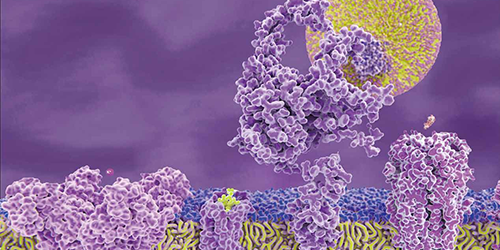
The complement system is not merely a soluble cascade of proteolytic activation events. It is also a dynamic communication network between complement proteins and cellular receptors. Complement fragments such as C3b, iC3b, C3d, C3a, C5a, and C1q-related recognition complexes engage receptors expressed on immune cells, endothelial cells, epithelial cells, platelets, and disease-relevant target cells. These interactions can shape phagocytosis, chemotaxis, antigen presentation, B cell activation, immune complex clearance, cytokine release, tissue inflammation, and downstream effector functions. For therapeutic development, understanding these protein-receptor interactions is essential for predicting biological activity, safety liabilities, receptor selectivity, pathway engagement, and mechanism of action.
Our scientists integrate biochemical binding assays, biophysical kinetic methods, cell-based receptor engagement assays, competitive inhibition formats, pathway-specific complement activation systems, and downstream functional readouts to deliver actionable data with clear interpretation.
Great Minds Choose Creative Biolabs
Species and Matrices
Creative Biolabs can develop assays across species and biological matrices according to project needs.

Species
Supported species may include human, non-human primate, mouse, rat, and other species on request.

Matrices
Common matrices include purified buffer systems, serum, cell culture supernatants, and customized activation buffers.

Receptor Systems
Detection schemes can be designed based on various forms of receptors.

Ligand Systems
Ligand types may encompass a wide range of proteins, molecules, particles, microorganisms, or cells.
Workflow of Receptor Ligand Binding Assay
Creative Biolabs provides a structured yet flexible workflow for complement protein-receptor interaction studies. Each project is designed around the biological question, sample type, target receptor, intended decision point, and required data depth.
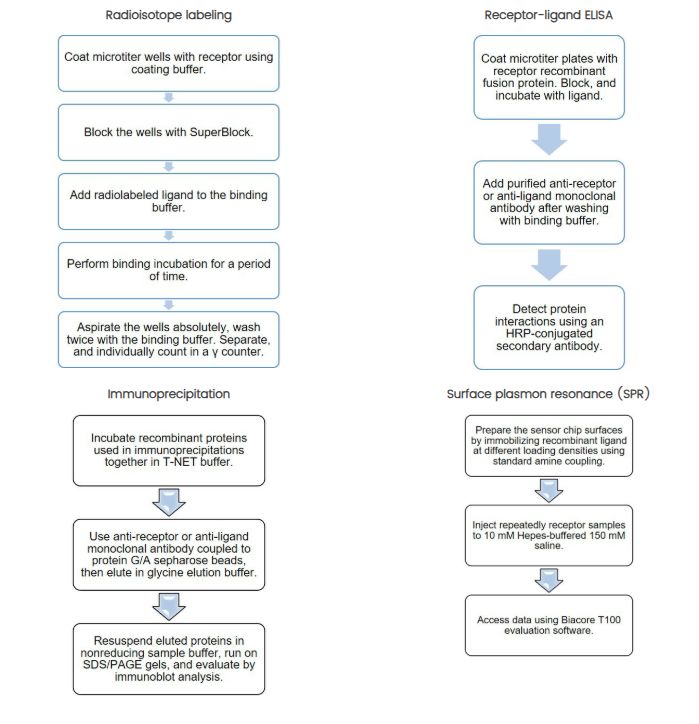 Fig. 1 Workflow of complement protein-receptor interaction studies.
Design Your Protocol
Add-On Assays That Strengthen Interpretation
Complement receptor interaction data can be paired with additional assays to provide a broader mechanistic picture.
|
Assays
|
Descriptions
|
|
C1q Binding Assay
|
C1q binding can help determine whether an antibody, immune complex, pathogen, or surface initiates classical pathway activation. When combined with receptor interaction analysis, it can clarify the relationship between upstream recognition and downstream cellular engagement.
|
|
C3b/iC3b/C3d Deposition Assays
|
Measuring complement fragment deposition provides context for receptor binding. For example, receptor engagement may depend on the amount and type of deposited C3 fragment present on a target surface.
|
|
C5a Quantification
|
C5a production can be measured to determine whether complement activation generates anaphylatoxin signals relevant to C5aR1 or C5aR2 interaction studies.
|
|
sC5b-9 Quantification
|
Terminal pathway activation can be evaluated by measuring soluble C5b-9. This is helpful when receptor interaction data need to be interpreted alongside full cascade progression.
|
|
CH50 and AH50 Assays
|
Classical and alternative pathway functional activity assays can help determine whether candidate molecules alter global complement function.
|
|
CDC Assay
|
Complement-dependent cytotoxicity assays can connect antibody-triggered complement activation to target-cell killing.
|
|
Opsonophagocytosis Assay
|
When C3b or iC3b receptor interactions are central to the question, phagocytosis assays can reveal whether binding supports immune-cell-mediated uptake.
|
|
Cytokine Release and Immune Cell Activation
|
For receptor systems linked to inflammatory signaling, cytokine panels, activation marker analysis, or immune cell stimulation assays can provide additional biological context.
|
Design Your Customization
Case Studies
Case 1
Purified C3b triggers phagocytosis and killing of E. coli by human neutrophils via complement receptor 1
The researchers employ serum-free methods to couple purified complement C3b onto E. coli bacteria and beads and then expose human neutrophils to these C3b-coated targets. They examine the neutrophil response using a combination of flow cytometry, confocal microscopy, luminometry, single-live-cell/single-target manipulation, and dynamic analysis of neutrophil spreading on opsonin-coated surfaces. We show that purified C3b can potently trigger phagocytosis and killing of bacterial cells via Complement receptor 1.
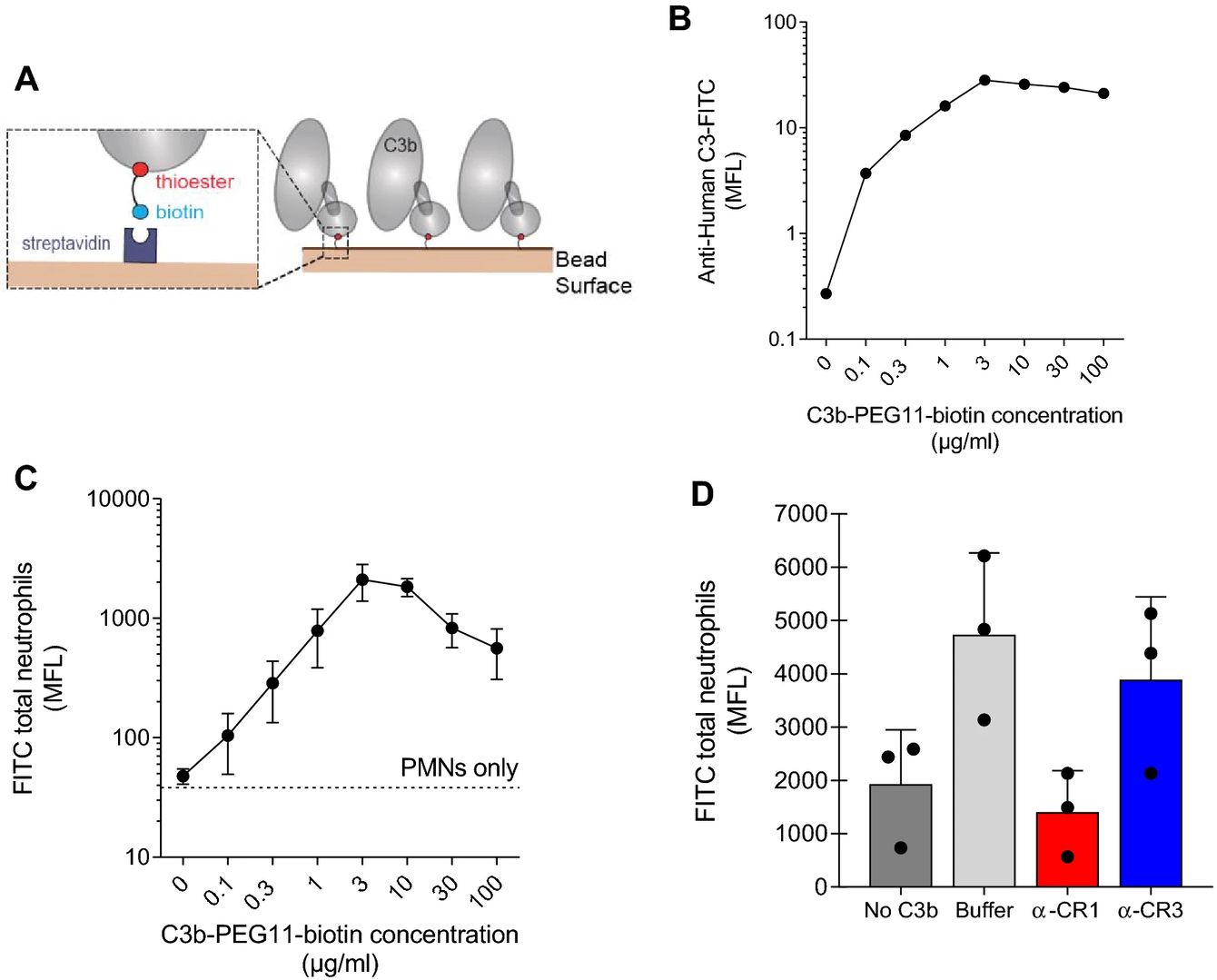 Fig. 2 C3b-labelled beads directly interact with human neutrophils via complement receptor 1.1,2
References
-
Boero, Elena, et al. "Purified complement C3b triggers phagocytosis and activation of human neutrophils via complement receptor 1." Scientific Reports 13.1 (2023): 274. https://doi.org/10.1038/s41598-022-27279-4
-
Distributed under Open Access license CC BY 4.0, without modification.
Frequently Asked Questions
How do you choose the best assay format for a complement protein-receptor interaction study?
The best format depends on the question. If you need rapid screening or dose-response comparison, ELISA-based binding may be appropriate. If you need kinetic parameters, SPR or BLI is preferred. If receptor density, cell context, or endogenous expression matters, flow cytometry or cell-based assays are more informative. If the receptor triggers signaling, functional assays such as calcium flux, chemotaxis, cytokine release, or reporter activation may be needed.
Can you analyze both purified receptor-ligand binding and cell-surface receptor engagement?
Yes. We can work with purified proteins, recombinant receptor ectodomains, tagged receptors, receptor-Fc fusions, engineered cell lines, and primary receptor-positive cells. Many projects use purified systems for controlled binding analysis and cell-based systems for biological validation.
What controls are recommended?
Controls depend on assay format, but commonly include no-ligand controls, no-receptor controls, irrelevant protein controls, known positive controls, blocking antibodies, receptor-negative cells, heat-inactivated serum, complement-depleted serum, and competition with excess ligand. Creative Biolabs will recommend an appropriate control panel during assay design.
Can receptor interaction analysis be combined with C3b deposition or C5a measurement?
Yes. Combining receptor interaction analysis with complement deposition and activation product measurements often provides stronger mechanistic interpretation. For example, C3b/iC3b deposition can explain receptor engagement, while C5a quantification can provide context for C5a receptor activation studies.
What is the typical project timeline?
The timeline depends on assay complexity, reagent availability, number of samples, species, matrix, and whether assay development is required. A straightforward binding assay may be completed faster than a fully customized kinetic and functional validation package. Creative Biolabs can design phased workflows to support discovery milestones.
What information should I provide when requesting a quote?
Please provide the receptor and ligand of interest, species, sample type, therapeutic modality, desired assay format if known, number of samples, required endpoints, matrix preference, available controls, and project objective. If you are unsure which assay is best, our scientists can help design a suitable strategy.