Product List Background CD18 Functional Service
Background
CD18, also known as integrin beta-2 (ITGB2), is a crucial protein in the immune system, belonging to the integrin family involved in cell adhesion and signaling. CD18 pairs with various alpha subunits (such as CD11a, CD11b, CD11c, and CD11d) to form heterodimeric integrins (e.g., LFA-1, Mac-1, CR4), which mediate cellular interactions essential for immune responses. These integrins are vital for the adhesion and migration of leukocytes to sites of inflammation and infection. CD18 integrins play a pivotal role in immune functions by enabling leukocyte adhesion to the endothelium, facilitating their migration into tissues as needed. Moreover, they are involved in phagocytosis, the cellular process of engulfing and digesting pathogens and debris.
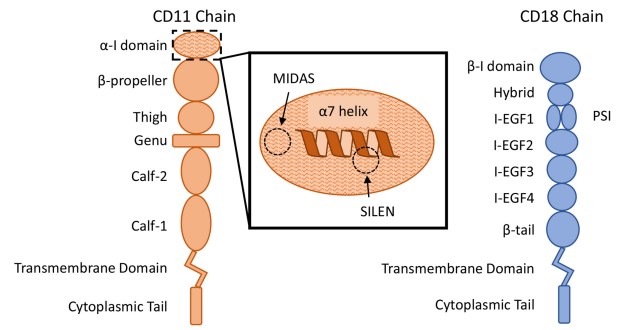 Fig.1 The β2 Integrin structure consists of CD11a-d and CD18 chains.1, 4
Its Gene ID: 3689, UniProtKB ID: P05107, and OMIM ID: 600065.
CD18 in Disease
CD18 is a vital immune system component and has a significant role in various diseases, particularly immunological and inflammatory conditions. Mutations in the CD18 gene cause leukocyte adhesion deficiency type 1 (LAD-1), characterized by recurrent bacterial infections, poor wound healing, and high susceptibility to infections due to impaired leukocyte function. CD18 integrins are critical in migrating leukocytes to inflammation sites, with dysregulation leading to chronic inflammatory diseases like rheumatoid arthritis, inflammatory bowel disease (IBD), and psoriasis. In autoimmune diseases such as multiple sclerosis (MS) and systemic lupus erythematosus (SLE), CD18 integrins contribute to abnormal leukocyte migration and activation. CD18 is also implicated in cancers, influencing tumor-associated inflammation and immune surveillance and playing roles in the immune responses to bacterial and viral infections.
CD18 Antibodies
CD18 is a vital immune system component, contributing to the body's defense mechanisms by facilitating leukocyte adhesion and migration. Its dysfunction can lead to significant immunological disorders, making it a critical focus for medical research and therapeutic development. CD18 antibodies are crucial in managing immune and inflammatory diseases. In LAD-1, they confirm the CD18 integrin function. For rheumatoid arthritis, IBD, and psoriasis, they inhibit leukocyte migration, reducing inflammation. In MS and SLE, they control abnormal leukocyte activity, lessening inflammation. In cancers, they adjust the tumor's immune environment, enhancing immunotherapy.
Furthermore, CD18 antibodies could mitigate the side effects of bispecific antibodies, which are highly effective immunotherapies against various cancers. These antibodies activate T cells, specifically in the presence of tumor cells. In infectious diseases, they balance pathogen clearance and inflammation.
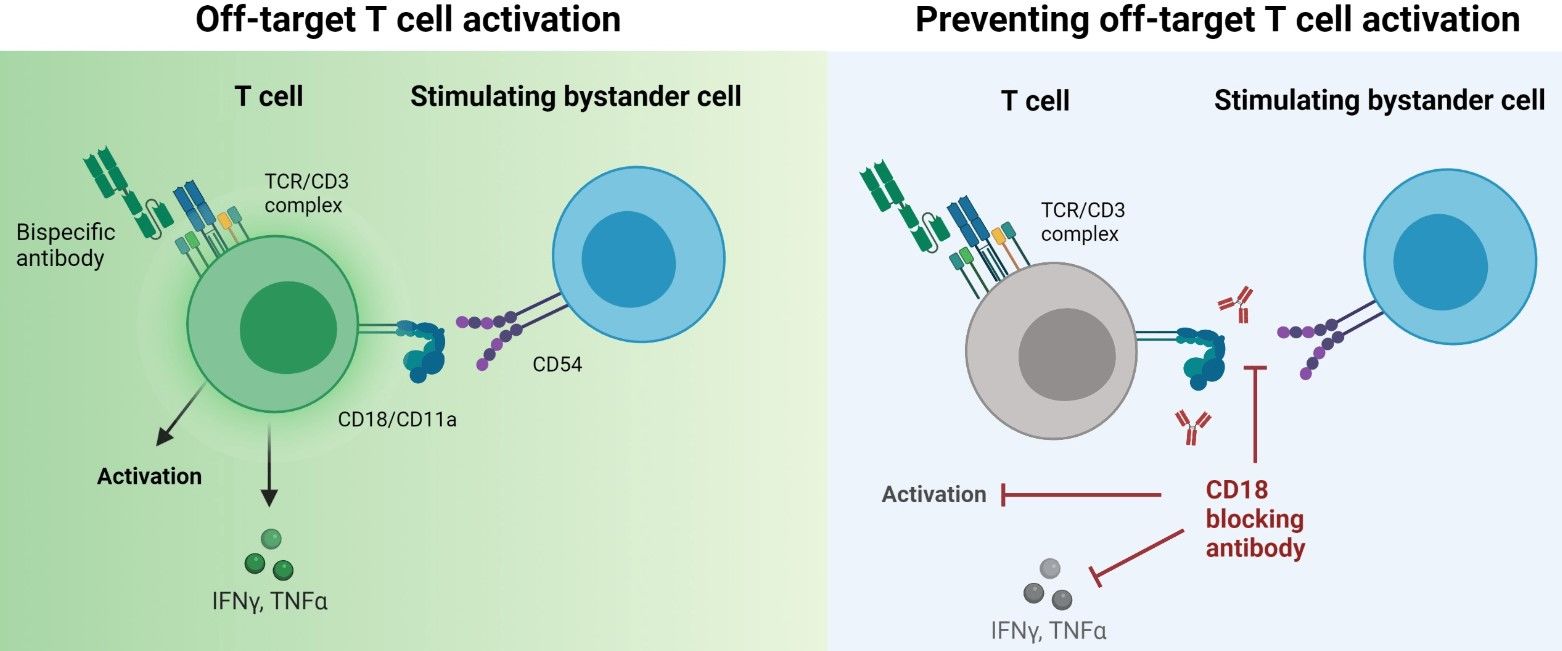 Fig.2 CD18 antibody inhibits off-target T cell activation.2, 4
CD18 Functional Service
Creative Biolabs offers an extensive range of CD18-related products, including ELISA assay kits, anti-CD18 antibodies, recombinant CD18 proteins, CD18 immunizing and blocking peptides, and CD18 protein lysate. These tools are meticulously engineered to accurately detect and track interactions involving the human CD18 protein and various factors, thereby serving as crucial elements in research aimed at developing novel therapeutic approaches for a diverse array of diseases.
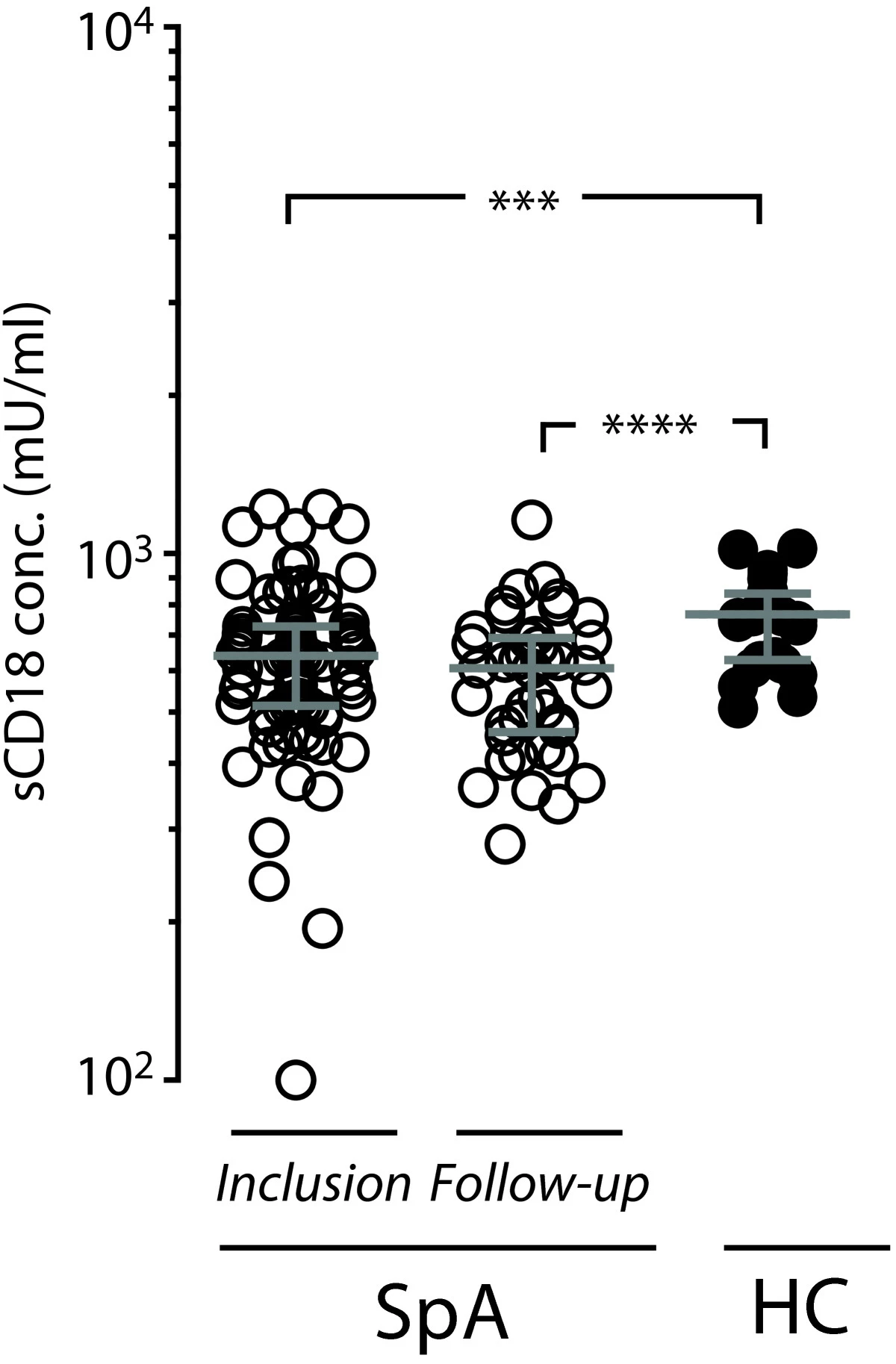 Fig.3 Plasma levels of soluble CD18 in SpA patients versus healthy controls.3
Spondyloarthritis (SpA), a group of HLA-B27-associated diseases, is marked by inflammation in the entheses and axial joints, primarily driven by innate immune cells. CD18 integrins are crucial for leukocyte trafficking to inflammation sites, evidenced by SpA-like disease in CD18 hypomorphic mice. Researchers have shown soluble CD18 (sCD18) complexes exhibit anti-inflammatory roles in arthritis. In a study of 84 SpA patients and healthy controls, insufficient CD18 shedding correlated with higher ICAM-1 levels, potentially exacerbating leukocyte migration and SpA activity, revealing insights into SpA pathogenesis.
Creative Biolabs offers a broad spectrum of services centered on CD18 function, including tailored assays for exploring CD18 interactions alongside specialized functional analyses. Moreover, we excel in providing an all-encompassing suite of CD18 antibody services to meet the diverse needs. These customized offerings, coupled with dedicated support, are meticulously designed to align with the specific goals of each client, thereby facilitating advancements in immunological research and fostering the development of novel therapeutic strategies.
References
-
Blythe, Eoin N., et al. "β2 integrin CD11d/CD18: from expression to an emerging role in staged leukocyte migration." Frontiers in immunology 12 (2021): 775447.
-
Kauer, Joseph, et al. "CD18 antibody application blocks unwanted off-target T cell activation caused by bispecific antibodies." Cancers 13.18 (2021): 4596.
-
Kragstrup, Tue W., et al. "Decreased plasma levels of soluble CD18 link leukocyte infiltration with disease activity in spondyloarthritis." Arthritis research & therapy 16 (2014): 1-15. Distributed under Open Access license CC BY 2.0.
-
Distributed under Open Access license CC BY 4.0, without modification.


 INQUIRY
 Datasheet