RNAi based Metabolic Gene Functional Assessment Service
With our advanced biotechnologies, Creative Biolabs has developed a first-class platform for Tumor Energy Metabolism Analysis.
Introduction of RNAi Technology in Metabolomics
RNA interference (RNAi) technology has been used extensively in metabolic knockout models of fungal pathogens, prokaryotic bacteria, plants, insects, and animal cells with the conserved post-transcriptional silencing mechanism (see Fig.1). Creative Biolabs offers a multi-parameter genome-wide RNAi assessment service for metabolic gene functional analysis.
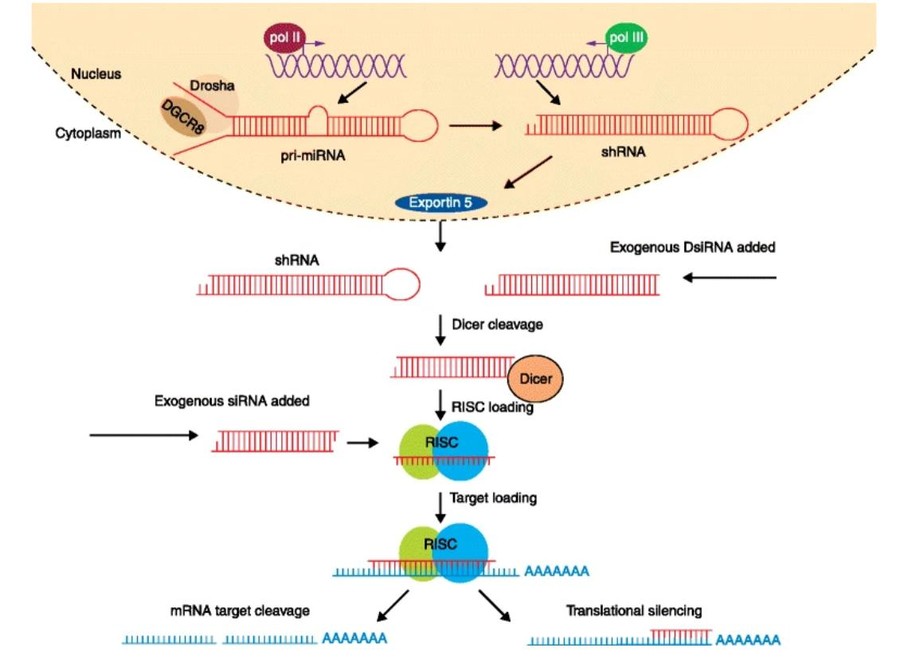 Fig.1 Cellular post-transcriptional silencing mechanism of RNAi.1
RNAi-based Metabolic Gene Functional Assessment Service at Creative Biolabs
RNAi is an attractive approach to identifying the function of metabolic genes. Creative Biolabs offers sophisticated multi-parameter genome-wide RNAi assessment services with good biological reproducibility. The parameters we could monitor in the loss of functional assessment based on RNAi include but are not limited to:
- Cell amount
- Cell viability
- Glycolysis analysis
- Mitotic-Index analysis
- Metabolite abundance
- Expression Microarray Profiling
- Lipid metabolism pathway analysis
- Knockdown and evaluation of phenotype
- RT-PCR and WB for target gene expression assessment
Workflow for Metabolic Analysis with RNAi Technology Service
Fig.2 shows the typical workflow for metabolic profiling experiments based on RNAi technology at Creative Biolabs. The experimental design and details will be determined according to the specific project requirements.
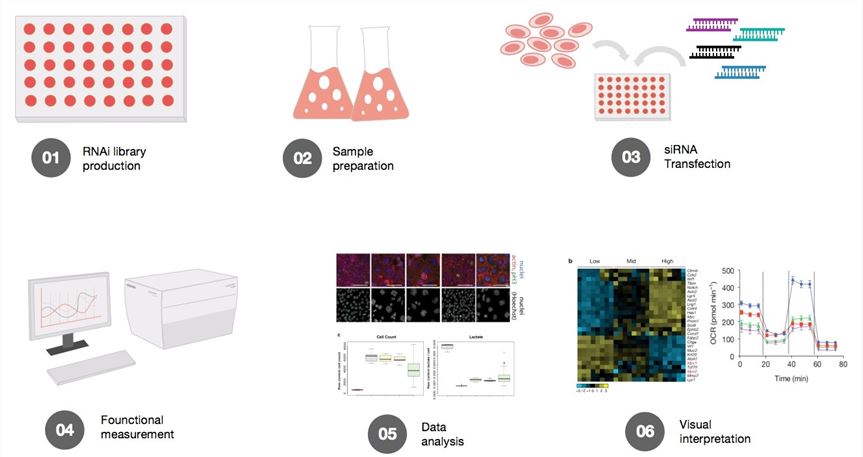 Fig.2 Experimental design for RNAi-based functional analysis. (Creative Biolabs)
Applications of RNAi-based Metabolic Technology Service
The highly developed RNAi technology has already been used in numerous studies with promising results. Our gene function assessment services for tumor metabolomics include:
- Functional and mechanistic studies of specific metabolic genes.
- Genetic studies of biosynthetic and metabolic pathways on a genomic scale.
- Genetic screening of functional genes in the pathogenesis of cancer and other metabolic diseases.
- Identification of mechanisms underlying metabolic sensitivity and response to targeted therapies or dietary interventions.
Frequently Asked Questions
Q: Compared to traditional standard knock-out systems, what limits and advantages does RNAi technology have in metabolic gene functional assessment?
Disadvantages: The RNAi technology is too temporary to have reproducible experimental results, while short-hairpin RNA (shRNA) could be continuously transcribed and consequently increase the reproducibility of results.
Advantages: Transient knockdown is safe and allows the restoration of phenotype. As the RNAi technology matures, more and more reagents and kits are accessible to make a fast and easy workflow.
As a reliable supplier in the analysis of tumor metabolism services, Creative Biolabs employs RNAi technology to enable functional assessment of metabolic genes. For more details, please feel free to contact us.
Reference
- Bobbin, Maggie L., John C. Burnett, and John J. Rossi. "RNA interference approaches for treatment of HIV-1 infection." Genome medicine 7 (2015): 1-16. Distributed under Open Access license CC BY 4.0, without modification.
 Download our brochure