Aptamer-Oligonucleotide Conjugate Development: Precision Delivery for the Next Generation of Genetic Medicine!
Are you currently facing high systemic toxicity, poor cellular uptake, or rapid nuclease degradation in your RNAi or antisense therapy development? Our Aptamer-therapeutic Oligonucleotide Conjugates Development Service helps you achieve targeted, receptor-mediated delivery of genetic payloads while minimizing off-target effects through advanced SELEX screening, modular bioconjugation chemistries, and metabolic stabilization techniques.
Contact our team to get an inquiry now!Aptamers consist of short, single strands of DNA or RNA that arrange themselves into intricate, three-dimensional configurations, including pseudoknots, hairpins, and G-quadruplexes. Such structural motifs enable these molecules to latch onto diverse targets, from integral membrane proteins to minute metabolites, with remarkable selectivity and an affinity comparable to monoclonal antibodies. By linking these aptamers through covalent or non-covalent bonds to therapeutic agents like siRNA, ASOs, or microRNA mimics, scientists create a dual-function tool known as an Aptamer-therapeutic Oligonucleotide Conjugate (ApOC). This type of chimeric architecture successfully pairs the specific targeting of the aptamer with the gene-modulating strength of the nucleic acid payload.
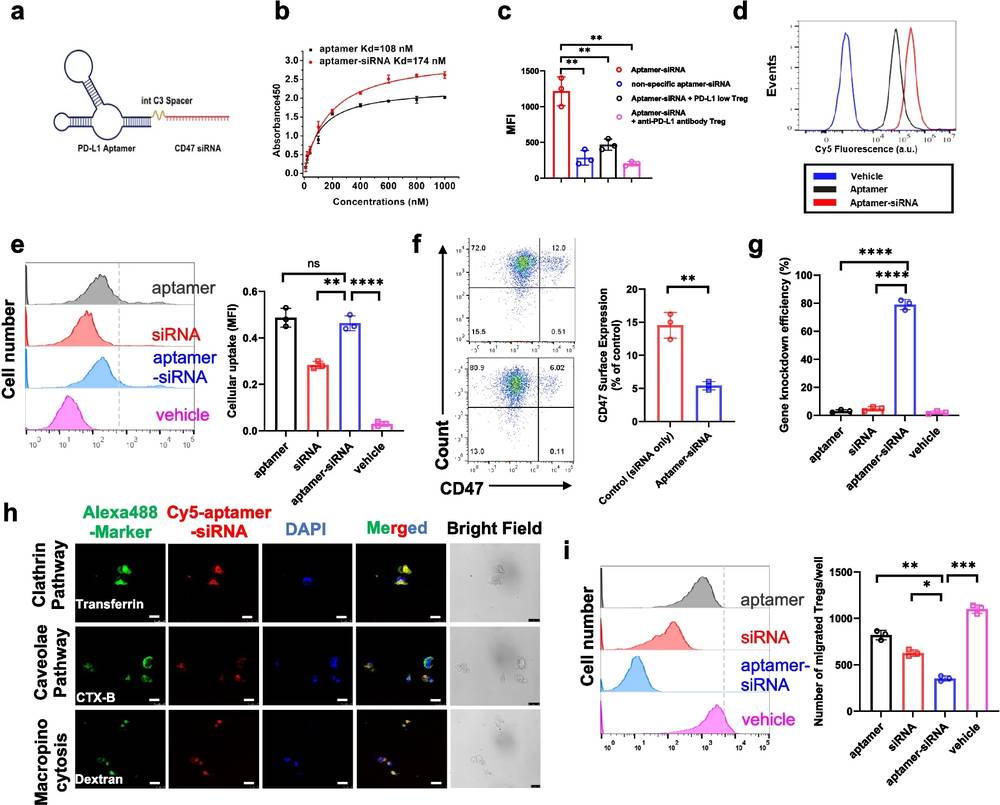
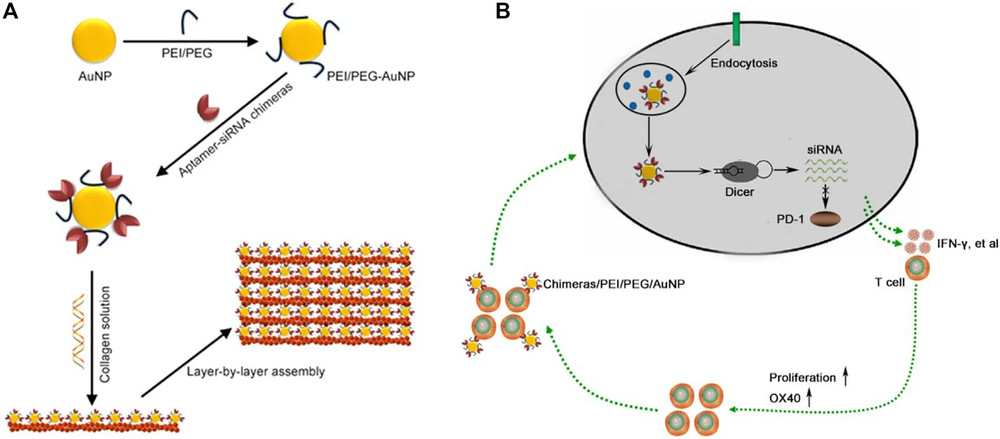
Fig.1 Aptamers deliver ODNs (Oligodeoxynucleotides).1,3
Recent literature highlights the superiority of ApOCs in overcoming the persistent "delivery bottleneck" that has long hindered the clinical translation of nucleic acid drugs. Traditional genetic drugs are inherently polyanionic and relatively large, preventing them from easily crossing the hydrophobic lipid bilayer of cell membranes. ApOCs address this by leveraging receptor-mediated endocytosis, effectively tricking the target cell into internalizing the therapeutic cargo. For example, conjugates targeting Prostate-Specific Membrane Antigen (PSMA) or cell-surface Nucleolin have demonstrated high-efficiency internalization, delivering gene-silencing payloads directly into the cytoplasm of malignant cells while bypassing healthy, non-target tissues. According to Published Data, these optimized chimeras maintain the full catalytic efficiency of the intracellular RNAi machinery (RISC) while dramatically improving the pharmacokinetic profile and metabolic stability compared to "naked" or non-targeted oligonucleotides.
The structural versatility and programmable nature of ApOCs allow for highly targeted applications across several major therapeutic frontiers, providing solutions where traditional small molecules often fail:
Oncology and Precision Cancer Therapy:
ApOCs are utilized for the targeted silencing of key oncogenes such as PLK1, BCL2, or KRAS within solid tumors. By directing the genetic payload only to cells expressing specific tumor markers, clinicians can induce apoptosis and suppress tumor growth without the systemic chemo-toxicity often associated with non-specific delivery vehicles. This targeted approach is particularly valuable for tackling multidrug-resistant (MDR) cancers.
Infectious Disease Intervention:
These conjugates enable the precision delivery of antiviral siRNAs or ASOs to specifically infected cell populations. Notable examples include targeting CD4+ T-cells for the localized inhibition of HIV replication or the delivery of respiratory-specific oligonucleotides to epithelial cells to combat viral pneumonia and other pulmonary infections, thereby concentrating the therapeutic effect at the primary site of infection.
Neurological and CNS Disorders:
Advanced engineering has produced aptamers capable of recognizing receptors involved in transcytosis across the blood-brain barrier (BBB). These "shuttle" ApOCs can deliver ASOs or siRNA payloads to modulate gene expression in neurodegenerative conditions such as Huntington's disease, Amyotrophic Lateral Sclerosis (ALS), or Alzheimer's, overcoming one of the most significant hurdles in neuro-medicine.
Advanced Immunotherapy:
ApOCs are increasingly used to target immune checkpoint proteins or deliver miRNA mimics/antagomirs to specific immune cell subsets. By delivering genetic modifiers directly to tumor-associated macrophages (TAMs) or regulatory T-cells, researchers can effectively reprogram the tumor microenvironment from immunosuppressive to immunostimulatory, enhancing the efficacy of existing vaccine or CAR-T cell therapies.
We provide a full spectrum of products and services to support your oligonucleotide drug discovery:
Aptamer Selection & Optimization: Utilizing high-throughput SELEX (Systematic Evolution of Ligands by Exponential Enrichment) to identify binders with sub-nanomolar affinity for your specific target.
Oligonucleotide Payload Synthesis: Synthesis of the therapeutic component (ASO, siRNA, etc.) with custom chemical modifications (2'-F, 2'-OMe) for nuclease resistance.
Linker Engineering & Conjugation: Design of covalent or non-covalent linkers (e.g., pH-sensitive, redox-responsive, or rigid dsDNA bridges) to join the aptamer and payload without compromising folding.
Purification & Quality Control: Advanced HPLC or PAGE purification followed by LC-MS/MS characterization to ensure 95%+ purity and correct molecular weight.
In vitro Validation: Assessment of binding affinity (Kd), cellular internalization via confocal microscopy, and functional gene knockdown/activation efficacy.
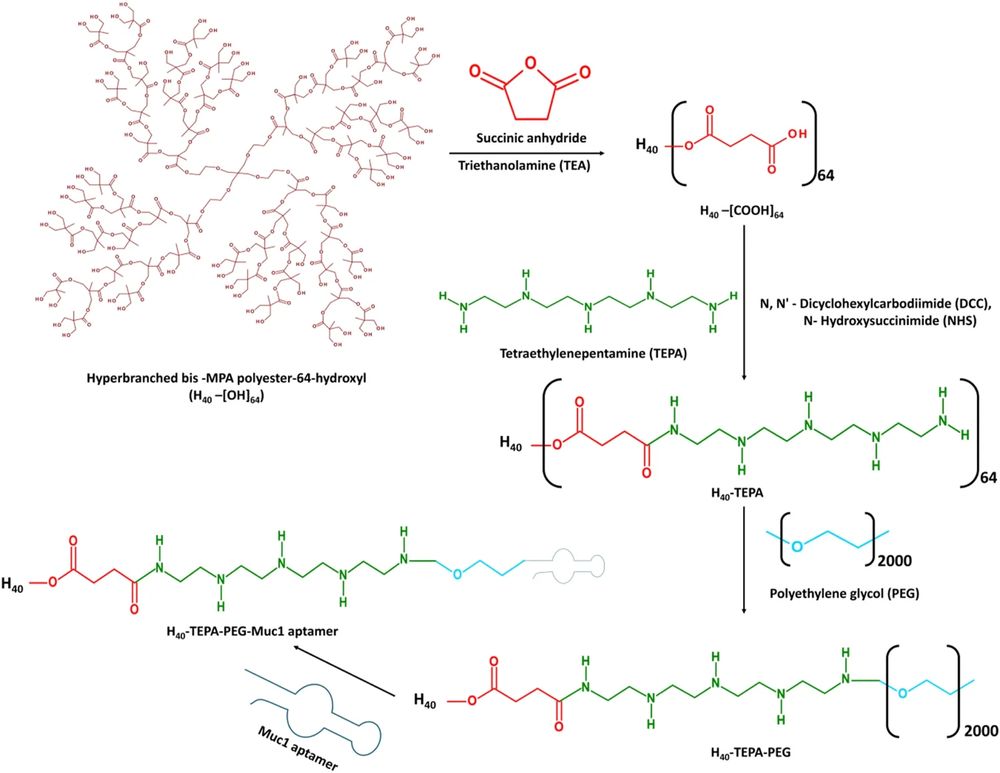
Fig.2 Aptamers as delivery systems for therapeutic oligonucleotides in GBM.2,3
In response to the current challenges of oligonucleotide drugs, such as poor cellular uptake and unfavorable pharmacokinetics, the article explores the potential of aptamers as precision delivery vehicles. Aptamers, often called "chemical antibodies," are single-stranded oligonucleotides that fold into unique 3D structures to bind targets with high affinity. The review highlights that by conjugating therapeutic oligonucleotides, such as siRNA, miRNA, or antisense oligonucleotides (ASOs), to cell-specific aptamers, researchers can achieve targeted internalization via receptor-mediated endocytosis. This strategy is particularly vital for treating glioblastoma (GBM), the most aggressive primary brain tumor, as certain aptamers have demonstrated the ability to cross the blood-brain barrier (BBB) and deliver their cargo directly to malignant cells, thereby bypassing "undruggable" pathways and reducing systemic toxicity. In the context of glioblastoma, published studies have shown that aptamers targeting specific cancer cell markers, such as the PSMA-targeted chimera, can successfully deliver siRNA to induce Dicer-mediated mRNA degradation, effectively silencing oncogenic genes. Furthermore, data indicate that the small size of these conjugates (typically 3–30 kDa) facilitates deeper tumor penetration and faster systemic clearance, which drastically minimizes off-target exposure compared to larger antibody-drug conjugates. This targeted approach has been shown in some tumor cell lines to increase drug uptake by up to 50-fold compared to naked oligonucleotides.
Creative Biolabs offers a premium platform for ApOC development, backed by decades of nucleic acid chemistry expertise.
A: Maintaining the functionality of both components requires precise structural engineering. Strategic use of flexible polyethylene glycol (PEG) linkers or rigid double-stranded DNA "scaffolds" ensures that the aptamer's tertiary folding remains intact for target binding, while the therapeutic payload remains accessible for intracellular processing by the RISC complex or RNase H.
A: Transport across the BBB is achieved via receptor-mediated transcytosis (RMT). Bifunctional conjugates can be engineered using aptamers specific to receptors expressed on the brain capillary endothelial cells, such as the Transferrin Receptor (TfR) or Insulin Receptor (IR). Upon binding, the entire conjugate is internalized and transported into the central nervous system.
A: To enhance metabolic stability and pharmacokinetic profiles, oligonucleotides are typically modified with 2'-O-methyl (2'-OMe) or 2'-fluoro (2'-F) groups and phosphorothioate linkages. Renal clearance is reduced by increasing the hydrodynamic radius through site-specific PEGylation or conjugation to albumin-binding moieties, extending the serum half-life significantly.
A: DNA aptamers generally exhibit superior chemical stability and lower production costs, making them robust candidates for many systemic applications. RNA aptamers, while more susceptible to degradation, often possess greater structural diversity, which can lead to higher binding affinities for certain complex protein targets. The selection depends on the specific biological environment and the required affinity thresholds of the project.
A: While antibody-drug conjugates (ADCs) are an established modality, converting these into nucleic acid-based delivery systems often involves the development of bispecific constructs or hybrid molecules. Utilizing all-nucleic-acid chimeras offers significant advantages in terms of reduced immunogenicity, simplified modular synthesis, and more predictable tissue penetration compared to protein-heavy antibody ligands.
Creative Biolabs is dedicated to advancing the field of precision medicine through the development of high-performance Aptamer-therapeutic Oligonucleotide Conjugates. Our integrated platform ensures that your therapeutic payloads are no longer limited by delivery challenges, but rather empowered by high-affinity molecular guidance.
| Cat# | Product Type | Product Name | Specie Reactivity | Applications | Inquiry |
|---|---|---|---|---|---|
| CTS-006 | Serum | Human Complement Serum (Pooled) | Human | Complement fixation assays; Haemolysis Assays | INQUIRY |
| CTS-001 | Serum | Guinea Pig Complement Serum | Guinea pig | Complement fixation assays; Haemolysis Assays | INQUIRY |
| CTR-001 | Antibody | Hemolysin (Rabbit Anti-Sheep Cell Hemolysin) | Sheep | Complement fixation assays; Haemolysis Assays | INQUIRY |
| CTP-461 | Protein | Native Human Complement C1q Protein | Human | ELISA; Functional Assays | INQUIRY |
| CTP-463 | Protein | Native Mouse Complement C1q Protein | Mouse | ELISA; Functional Assays | INQUIRY |
| CTMM-0322-JL15 | Antibody | Mouse Anti-Human C1q Monoclonal Antibody (TJL-03) [HRP] | Human | WB; IHC; ELISA | INQUIRY |
| CTP-051 | Protein | Native Human Complement C3b Protein | Human | ELISA; Functional Assays | INQUIRY |
| CTP-456 | Protein | Native Cynomolgus Monkey Complement C3b Protein | Cynomolgus Monkey | ELISA; Functional Assays | INQUIRY |
References
A: The development process typically involves aptamer selection, therapeutic oligonucleotide design, conjugation strategy development, conjugate synthesis, characterization, and in vitro/in vivo evaluation.
A: Various types of therapeutic oligonucleotides, such as siRNAs, antisense oligonucleotides (ASOs), and modified nucleotides, can be conjugated with aptamers.
A: Creative Biolabs employs rigorous quality control measures, including analytical methods and in vitro/in vivo assays, to ensure the quality and functionality of aptamer therapeutic oligonucleotide conjugates.