Induced Pluripotent Stem Cell (iPSC) Immunophenotyping Service
Immunophenotyping induced pluripotent stem cells (iPSCs) presents unique challenges due to the cells' delicate nature, the need for a broad panel of specific markers, and the demand for high-throughput analysis. Creative Biolabs addresses these complexities by providing a sophisticated and precise approach. We are uniquely equipped to handle the intricacies of stem cell characterization, offering specialized services that ensure the accurate identification and quality control of iPSC populations, which is vital for therapeutic applications and regenerative medicine research.
Introduction to iPSC Immunophenotyping
iPSC immunophenotyping is the systematic use of antibodies to analyze the protein expression of induced pluripotent stem cells. This technique is fundamental for verifying the identity, purity, and safety of iPSC lines, ensuring they maintain their crucial ability to self-renew and differentiate. The field is rapidly advancing, with recent literature highlighting the critical role of iPSCs in developing cellular therapies for regenerative medicine, cancer immunotherapy, and hematology. This confirms the versatility of iPSCs and the imperative need for a dependable quality control method to navigate the complexities of generating pure and safe cell populations.
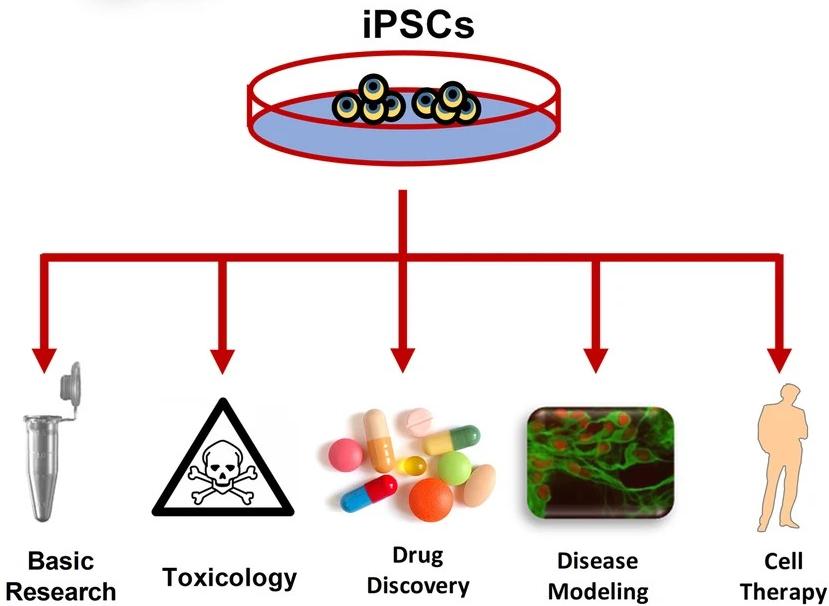 Fig.1 Applications and future directions of iPSC. 1, 3
Addressing the Challenges with Creative Biolabs' Advanced Solutions
Creative Biolabs, with its decades of experience and state-of-the-art facilities, offers a comprehensive iPSC immunophenotyping service designed to meet these exact needs. Our service integrates a multi-faceted approach:
Flow Cytometry Analysis
We use high-end flow cytometry to analyze multiple cell markers at once. This helps us precisely determine cell purity, viability, and population heterogeneity.
Advanced Imaging Technologies
We also use high-resolution immunofluorescence microscopy to visually confirm the location and expression of pluripotency markers, adding an extra layer of validation.
Customizable Antibody Panels
Our service offers both pre-validated and custom-designed antibody panels to target the specific markers needed for your unique research.
Discover How We Can Help - Request a consultation to discuss the specific needs of your project.
Publication
This review explores the generation of immune cells (T cells, NK cells, iNKT cells, macrophages) and RBCs from iPSCs to address global blood shortages and immunotherapy limitations. The article evaluates current methodologies and persistent challenges, including differentiation efficiency, safety, and scalability. It provides a valuable overview of innovative strategies for advancing iPSC-based therapies for transfusion medicine and cellular immunotherapy.
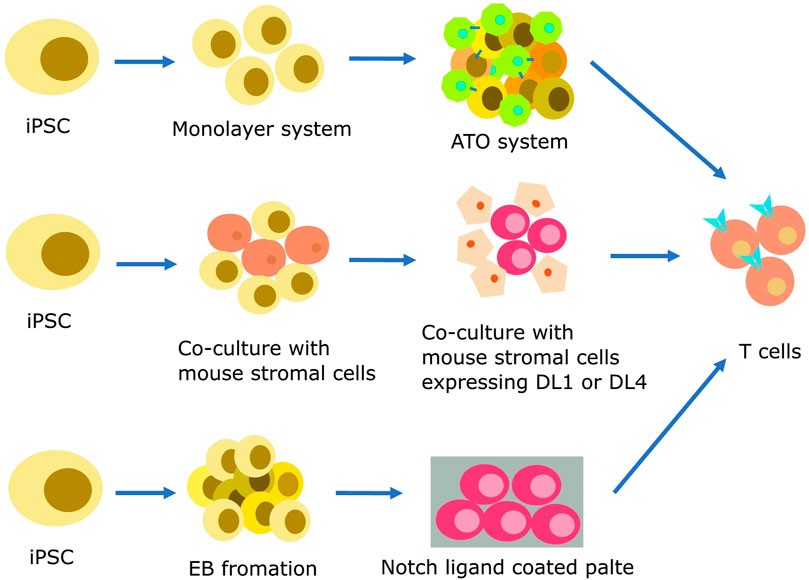 Fig.2 Generating T cells from iPSCs. 2, 3
Why Choose Us?
Choosing a partner for iPSC immunophenotyping is a critical decision, and Creative Biolabs stands apart with its unmatched expertise backed by over 20 years of experience. We provide a comprehensive, end-to-end solution that simplifies your workflow, from custom panel design to expert data analysis, utilizing cutting-edge technology like advanced flow cytometry and imaging platforms. Our unwavering commitment to quality ensures the highest scientific rigor and provides confidence that your iPSC lines are ready for your most critical applications.
Experience the Creative Biolabs Advantage - Get a Quote Today.
FAQs
Q1: How can immunophenotyping improve the purity of my differentiated cell cultures?
A1: Immunophenotyping is a precise method for quantifying the percentage of your desired cell type in a population. By analyzing specific lineage markers, we can identify and quantify any contaminating cells, giving you the data needed to refine your differentiation protocol and achieve higher purity.
Q2: Is your service compatible with my specific iPSC line and differentiation protocol?
A2: Yes. Our service is highly customizable. We work with a wide range of iPSC lines and can design a unique antibody panel tailored to your specific research needs and differentiation protocol.
Q3: What should I do if my cell line shows low expression of a key marker?
A3: Low marker expression can be a sign of poor pluripotency or off-target differentiation. Our expert team can help you interpret these results and offer guidance on potential adjustments to your culture conditions or protocol.
Customer Review
-
Improved Consistency
Using Creative Biolabs' service in our research has significantly improved the consistency of our iPSC-derived cardiomyocyte cultures. Their comprehensive data reports gave us the confidence we needed to move forward with our downstream assays. - Dr. J***S S -
Streamlined Workflow
The detailed analysis provided by Creative Biolabs was instrumental in validating our protocol for generating hematopoietic stem cells. Their expertise helped us identify a critical marker, saving us considerable time and resources. - M. F***o
Related Services
To fully leverage the potential of your iPSC research, consider our complementary services:
T Cell-based Reporter Gene Assay
Creative Biolabs provides high-throughput reporter gene-based assays to monitor T-cell responses. These assays, which can use reporter genes, offer a specific and flexible method for cancer epitope identification and characterization.
Learn More →Single Cell Flow Cytometry (FC) based Cell Line Cloning Service
Creative Biolabs' single cell flow cytometry-based cloning service offers a robust solution for precise, high-throughput isolation of genetically homogeneous, high-performance cell lines, accelerating your research with efficiency and reliability.
Learn More →How to Contact Us
Creative Biolabs is dedicated to helping you achieve your research goals. Contact us today to learn how our iPSC Immunophenotyping Service can accelerate your project and ensure the quality of your cellular products.
References
- Moradi, Sharif, et al. "Research and therapy with induced pluripotent stem cells (iPSCs): social, legal, and ethical considerations." Stem cell research & therapy 10.1 (2019): 341. https://doi.org/10.1186/s13287-019-1455-y
- Jiang, Jin-he, et al. "Immune cells and RBCs derived from human induced pluripotent stem cells: method, progress, prospective challenges." Frontiers in Cell and Developmental Biology 11 (2024): 1327466. https://doi.org/10.3389/fcell.2023.1327466
- Distributed under Open Access license CC BY 4.0, without modification.
 Download our brochure