C2 Overview C2 Conversion What's C2a C2a Function C2/C2a Test C2 Deficiency
Among the complement proteins, complement component 2 (C2) plays a pivotal role in both the classical and lectin pathways of complement activation. C2 is a serine protease zymogen that, upon activation, is cleaved into C2a and C2b, each with distinct biological functions. C2a is particularly important as it forms the catalytic component of the C3 convertase (C4b2a), a key enzyme complex that drives complement cascade amplification.
What is Complement Component 2 Protein?
C2 is a plasma glycoprotein encoded by the C2 gene, located on chromosome 6p21.3 within the major histocompatibility complex (MHC) class III region. It is primarily synthesized in the liver and secreted into the bloodstream as an inactive precursor (zymogen). C2 is a key participant in the classical and lectin pathways of complement activation, which are critical for opsonization, pathogen elimination, and inflammation regulation.
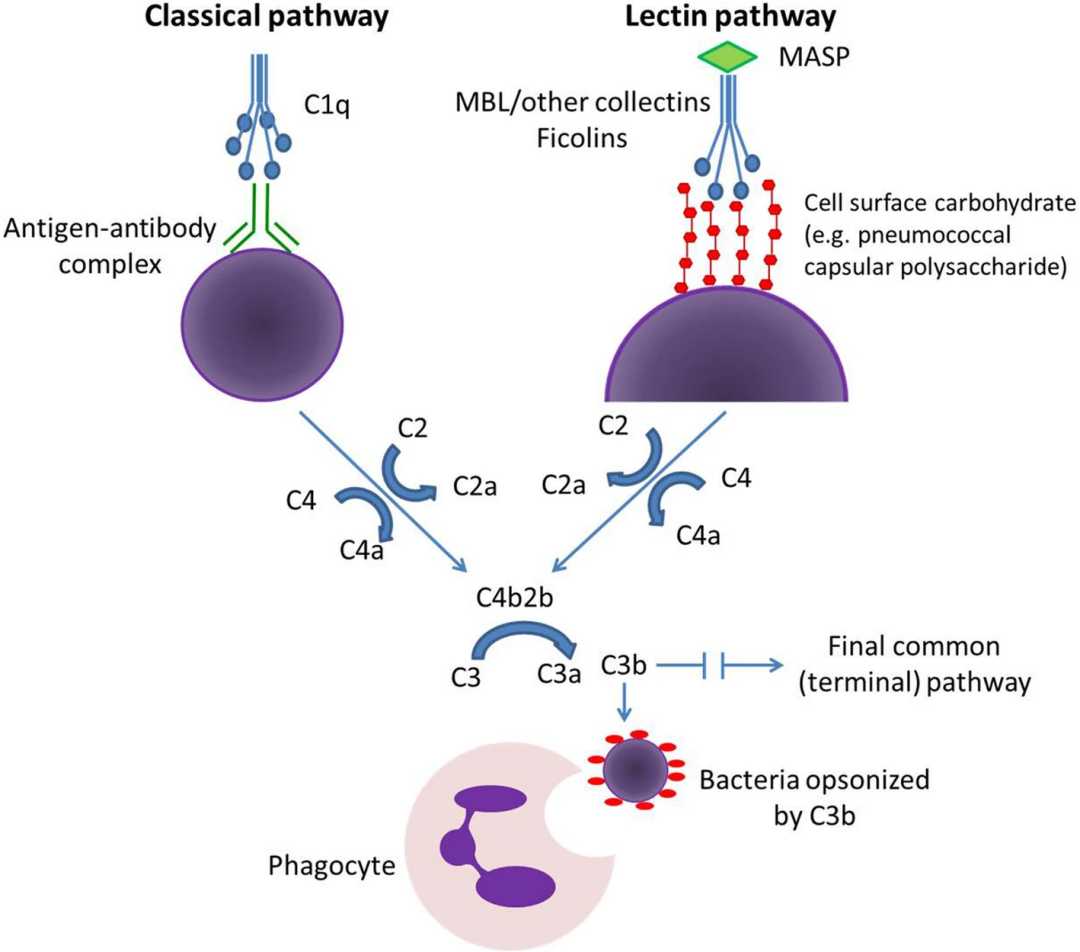 Fig. 1 C2 of classical and lectin pathways of complement activation.1,3
Structurally, C2 belongs to the serine protease family, with a catalytic domain responsible for proteolytic activity once activated. It circulates in an inactive state until it encounters activated C1s (classical pathway) or MASP-2 (lectin pathway), which trigger C2 cleavage into C2a and C2b.
Conversion of C2 into C2a and C2b
The activation of complement component 2 is a tightly regulated process that occurs during the classical and lectin complement pathways. This activation is initiated by the cleavage of C2 by specific proteases, producing two distinct fragments: C2a and C2b.
Enzymatic Cleavage of C2
-
In the classical pathway, the C1 complex (C1q, C1r, C1s) is activated upon binding to antigen-antibody complexes. The serine protease C1s then cleaves C2 into C2a and C2b.
-
In the lectin pathway, MASP-2 acts as the primary cleavage enzyme for C2, generating C2a and C2b in response to microbial carbohydrates.
Functional Roles of C2 Fragments
-
C2a: This is the larger, enzymatically active fragment that binds C4b to form the C4b2a, the enzyme responsible for C3 cleavage and amplification of the complement response.
-
C2b : Historically, it was thought to exhibit inflammatory activity, but modern studies suggest C2b has minimal functional significance and is rapidly degraded.
Complement C2b was historically believed to be the larger fragment after C2 cleavage. The C2b fragment is relatively small and lacks enzymatic function. While its role was initially uncertain, emerging evidence suggests that C2b may have minor biological activities, potentially influencing vascular permeability or inflammatory responses.
Dysregulation of C2 activation - whether excessive or insufficient - can lead to pathological conditions such as chronic inflammation, autoimmunity, or immune deficiencies.
What's C2a?
C2a is the catalytically active fragment derived from the cleavage of C2. It plays a central role in complement activation by associating with C4b to form the C4b2a. The formation of C4b2a is a key regulatory step in complement activation, dictating the extent and magnitude of immune responses. This enzymatic complex is essential for:
-
Cleaving C3 into C3a and C3b , leading to further amplification of the complement response.
-
Opsonization of pathogens via C3b deposition, enhancing phagocytosis by immune cells.
-
Triggering the terminal complement pathway, culminating in the formation of the membrane attack complex (MAC) , which lyses targeted cells.
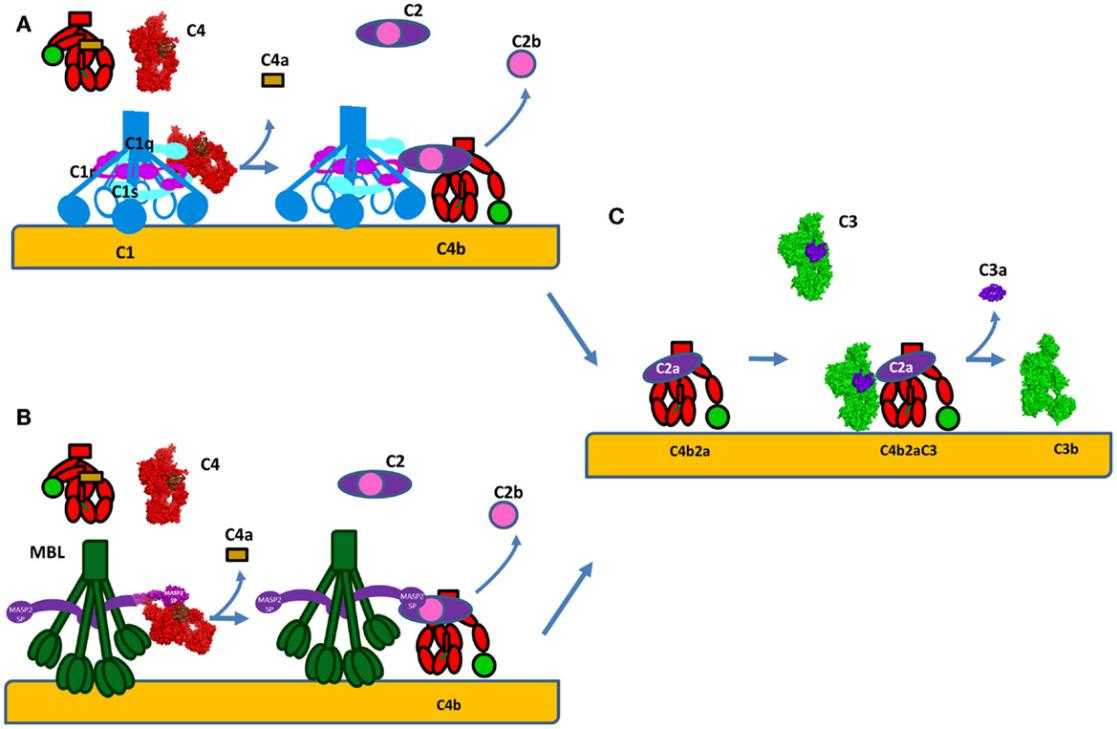 Fig. 2 Formation of the C3 convertase by the classical and lectin pathways.2,3
What is the Function of C2a Complement?
The primary function of C2a complement is to facilitate C3 convertase formation, which drives the downstream complement cascade. Specifically, C2a complement is involved in the following.
Table 1 Function of C2a.
|
Function
|
Description
|
|
Pathogen Clearance and Opsonization
|
C2a, through C3 convertase activity, enables C3b production, which tags pathogens for recognition by phagocytes such as macrophages and neutrophils.
|
|
Amplification of the Complement Response
|
The C4b2a complex catalyzes the cleavage of hundreds of C3 molecules, exponentially amplifying the immune response.
|
|
Activation of the Terminal Complement Pathway
|
The formation of C5 convertase (C4b2aC3b) leads to C5 cleavage, triggering the assembly of the MAC (C5b-9 ), which lyses bacterial cells and virally infected host cells.
|
|
Inflammatory and Immune Regulatory Functions
|
C2a-generated C3a and C5a fragments promote inflammation, influencing immune cell recruitment and cytokine release.
|
Given its central role, dysregulated C2a activity is implicated in autoimmune diseases, inflammatory disorders, and immune deficiencies, making it a key target in therapeutic complement modulation.
Complement C2/C2a Test
The complement C2 test , sometimes referred to as the C2a test, is an experimental assay used in research settings to measure the levels and functional activity of C2 in serum or plasma . This test is particularly useful in studying complement deficiencies, immune responses, and the role of C2 in inflammatory pathways.
Applications of the Complement C2 Test
-
Investigation of Complement Pathways: The test is used in experimental studies to assess how C2 contributes to classical and lectin pathway activation.
-
Autoimmune and Inflammatory Research: Research utilizing C2 assays helps scientists understand the role of C2a in autoimmune conditions like systemic lupus erythematosus (SLE) and rheumatoid arthritis .
-
Biological and Pharmacological Studies: The test is applied in the development of complement-targeting therapies, enabling researchers to evaluate the efficacy of inhibitors or enhancers of complement activity.
-
Genetic Studies on Complement Deficiency: C2 tests allow researchers to examine how C2 gene mutations impact protein levels and functional activity, providing deeper insight into the genetic regulation of the complement cascade.
-
Infectious Disease Research : By measuring C2 and C2a levels in experimental infection models, researchers can study how pathogens interfere with host immunity and identify potential therapeutic targets.
Experimental Methods for Measuring C2 Levels
-
Enzyme-Linked Immunosorbent Assay (ELISA): A highly sensitive method used to quantify C2 protein levels in biological samples. This technique is commonly employed in experimental immunology to track complement activation.
-
Western Blotting and Immunoprecipitation: Used to detect C2 and C2a cleavage products, helping researchers analyze protein modifications and interactions in disease models.
-
Mass Spectrometry-Based Proteomics: A cutting-edge approach that provides detailed characterization of C2 modifications and its interactions with other immune components.
-
Functional Complement Activity Assays : These assays assess C2 function by evaluating C3 convertase formation and C3 cleavage efficiency, which are crucial for determining the impact of C2a activity in various experimental conditions.
Interpretation of C2 Test Results
Table 2 Interpretation of C2 test results.
|
C2 Test Results
|
Possible Causes
|
|
Complement C2 low
|
Suggest deficiencies or mutations in the C2 gene, which may be explored in genetic and immunological research.
|
|
Provide insights into C2 consumption in experimental models of autoimmune disease.
|
|
Help in understanding the consequences of complement depletion in inflammatory and infectious disease models.
|
|
Complement C2 high
|
May indicate enhanced complement activation in response to experimental stimuli.
|
|
Could be relevant in studies of complement overactivation and inflammatory disease models.
|
|
Can assist in evaluating the effects of pharmacological agents that modulate complement function.
|
Unlike clinical diagnostic tests, experimental C2 assays are primarily utilized in research laboratories to advance understanding of immune mechanisms and to develop novel therapeutic approaches targeting the complement system. These assays are crucial for exploring how C2a complement functions in various physiological and pathological conditions.
Complement C2 Deficiency Research and Therapy Development
C2 deficiency is a rare genetic disorder that results in the inability to activate the classical and lectin complement pathways. It can be either congenital (due to mutations in the C2 gene) or acquired (due to immune complex consumption or autoimmune disease progression). Individuals with C2 deficiency are at an increased risk for infections, particularly bacterial infections such as those caused by Neisseria species. They also have a heightened susceptibility to developing autoimmune diseases, including SLE.
Research into C2 deficiency and its implications has yielded several key findings.
Immunological Impacts of C2 Deficiency
-
C2 deficiency results in reduced immune complex clearance, leading to the accumulation of immune complexes that can trigger inflammation and autoimmune reactions.
-
Lack of C2a formation impairs the generation of C3 convertase, leading to defective opsonization of pathogens, which compromises phagocytosis and pathogen elimination.
-
C2-deficient individuals often exhibit elevated levels of circulating immune complexes, which are associated with the development of autoimmune diseases.
Genetic Research and C2 Deficiency
-
Gene therapy research is actively exploring how to correct C2 deficiencies by introducing functional copies of the C2 gene into affected cells.
-
Studies are also focused on understanding how C2 gene mutations influence the expression of C2a and C2b fragments and how these variations contribute to disease susceptibility.
Therapeutic Approaches for C2 Deficiency
-
By inhibiting C3 convertase activity or selectively modulating C2a activity, researchers are investigating ways to restore immune function in C2-deficient individuals.
-
Complement modulators, such as C1 esterase inhibitors , are being developed to regulate complement activation in autoimmune diseases where C2 deficiency contributes to disease progression.
C2 and its active fragment C2a represent crucial elements of the complement system, playing essential roles in immune defense and homeostasis. Understanding their structure, function, and clinical significance continues to provide valuable insights into immune system regulation and potential therapeutic approaches. As research advances, new therapeutic strategies targeting C2 and C2a may offer promising treatments for complement-related disorders.
Creative Biolabs offers a full range of complement-related services and products, including:
If you want more information, please feel free to contact us.
References
-
LaFon, David C., et al. "Classical and lectin complement pathways and markers of inflammation for investigation of susceptibility to infections among healthy older adults." Immunity & Ageing 17 (2020): 1-9. https://doi.org/10.1186/s12979-020-00189-7
-
Merle, Nicolas S., et al. "Complement system part I–molecular mechanisms of activation and regulation." Frontiers in immunology 6 (2015): 262. https://doi.org/10.3389/fimmu.2015.00262
-
under Open Access license CC BY 4.0, without modification.
For Research Use Only.