miRNA-Targeted Detargeting Services for Oncolytic Viruses

OV Engineering Services · miRNA Detargeting

miRNA-Targeted Detargeting Services for Oncolytic Viruses

Creative Biolabs provides miRNA-targeted detargeting services to help researchers insert miRNA response elements into selected viral transcripts, suppress key viral gene or payload expression in sensitive normal tissues, and retain replication in tumor models where the corresponding miRNA is low or dysregulated. The service covers miRNA selection, target-site copy number and insertion-position design, escape-risk review, tumor-versus-normal validation, and safety-oriented evidence generation.

miRNA-targeted detargeting is a safety-oriented OV engineering strategy that uses endogenous tissue miRNA expression as a post-transcriptional control layer. By placing selected miRNA response elements into appropriate viral transcripts, replication, virulence-associated gene expression, or payload expression can be restricted in normal tissues with high matching miRNA levels while remaining less restricted in tumors with low or altered miRNA activity.

Creative Biolabs designs detargeting programs around the protected tissue, tumor indication, viral backbone, route of administration, and available models. Our workflow connects bioinformatic miRNA expression review, target-site copy number, spacing, orientation and insertion context, construct feasibility, tumor-versus-normal replication testing, qPCR, titer, cytotoxicity, optional in vivo tissue distribution, and safety interpretation into a practical candidate-selection package.

Tissue-Specific Risk ControlPrioritize miRNAs for liver, CNS, hematopoietic, muscle, or other sensitive tissue protection goals.

Target-Site ArchitectureEvaluate copy number, spacing, orientation, insertion position, transcript context, and escape mutation risk.
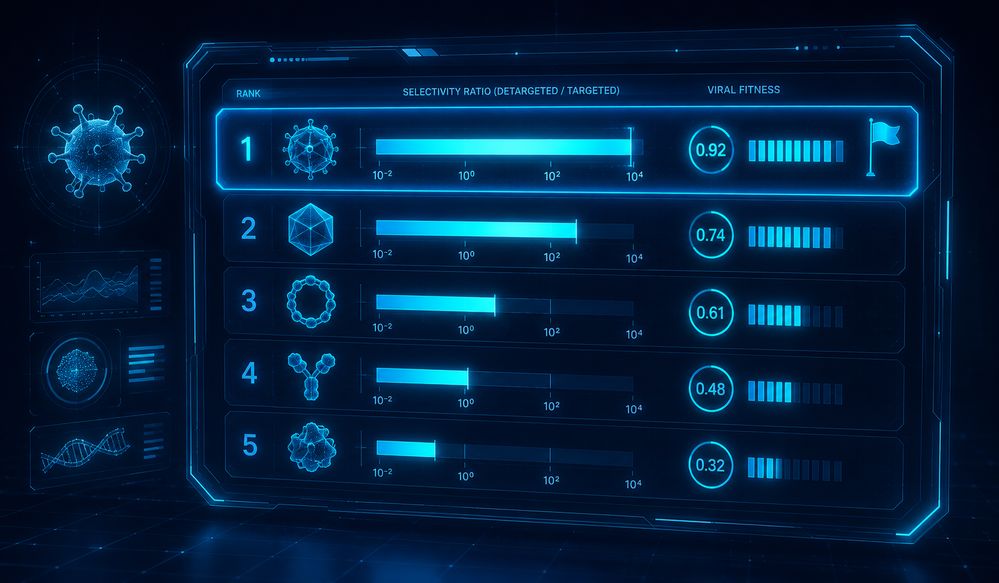
Selectivity-Based EvidenceCompare tumor permissiveness against normal-cell restriction using replication, titer, cytotoxicity, and distribution readouts.
Service Scope

From miRNA selection to construct-level detargeting validation

Creative Biolabs supports miRNA-targeted detargeting as a stand-alone safety engineering program or as part of broader OV design, construction, in vitro validation, biodistribution analysis, and toxicology planning. Each module is selected according to the tissue to be protected and the depth of evidence needed for the next development step.

Tissue risk and indication review
Module 01

Tissue Risk and Indication Review

Define the normal tissue or cell population to be protected, target tumor type, route of administration, viral platform, and acceptable replication or expression window.

Typical output

Detargeting objective statement and tissue-risk map for the planned OV design.

miRNA candidate selection
Module 02

miRNA Candidate Selection

Review public or client-provided expression evidence to prioritize miRNAs enriched in the protected tissue and reduced or dysregulated in the intended tumor model.

Typical output

Prioritized miRNA candidate list with expression rationale, model requirements, and cautions.

Target site architecture
Module 03

Target Site Architecture Design

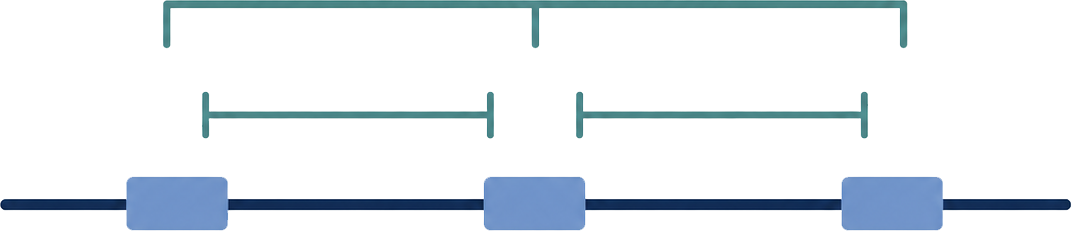
Evaluate target-site copy number, spacing, orientation, insertion position, transcript context, sequence stability, and escape mutation risk.

Typical output

Sequence-level target-site design notes and variant recommendation for construct generation.

Prototype construction support
Module 04

Prototype Construction Support

Support detargeted construct preparation or intake of client-provided plasmids, viral stocks, maps, sequences, or infected cell materials.

Typical output

Prototype panel or sample-intake plan ready for tumor-versus-normal validation.

Tumor and normal cell validation
Module 05

Tumor-Versus-Normal Cell Validation

Compare replication, qPCR readouts, infectious titer, cytotoxicity, and selectivity in tumor models and matched normal-cell comparators.

Typical output

Detargeting activity dataset and selectivity interpretation for candidate ranking.

Stability and fitness assessment
Module 06

Viral Fitness and Stability Checks

Assess rescue, titer, replication kinetics, payload expression, passage stability, target-site integrity, and loss-of-restriction risk when included in scope.

Typical output

Fitness and escape-risk notes linked to the final detargeting recommendation.

In vivo safety alignment
Module 07

In Vivo Safety Alignment

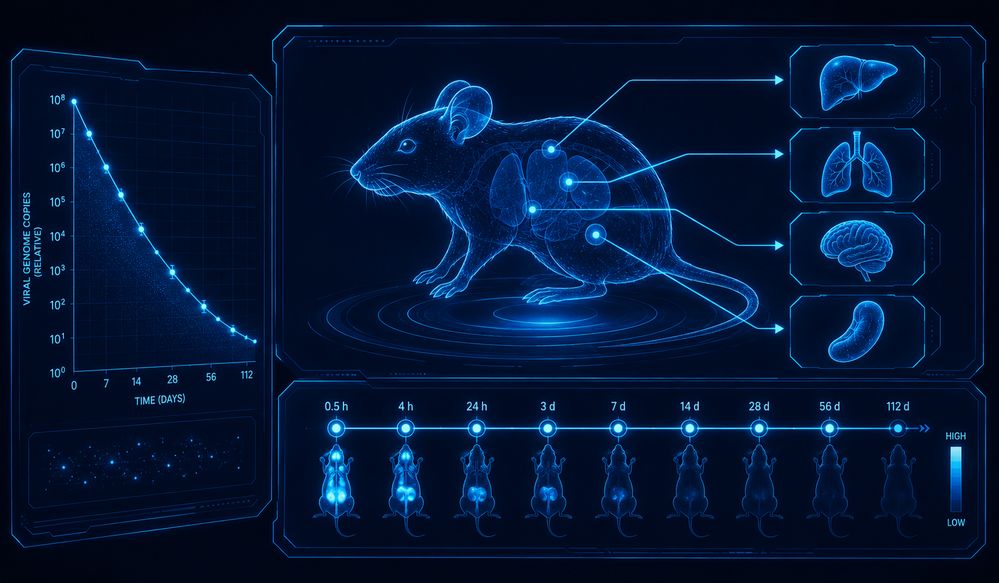
Plan tissue distribution, biodistribution, viral persistence, shedding-related sampling, and safety endpoints for projects moving beyond cell-based screening.

Typical output

Safety-oriented in vivo study design notes and next-step validation recommendations.

Typical Starting Materials
  • Target cancer type, intended route of administration, and normal tissue safety concern.
  • Preferred oncolytic virus backbone, construct map, viral stock, or platform concept.
  • Candidate miRNAs, tissue expression concerns, or prior biodistribution and toxicity observations.
  • Available tumor cell lines, normal cell comparators, immune models, or animal model preferences.
  • Previous data on replication kinetics, infectious titer, cytotoxicity, payload expression, or construct stability.
Technical Platforms

Assays that connect miRNA design with viral selectivity evidence

A useful detargeting program requires more than inserting miRNA target sites. Creative Biolabs builds a testing matrix that examines tissue miRNA expression, target-site architecture, construct integrity, viral performance, tumor permissiveness, normal-cell restriction, and downstream safety-readiness.

miRNA expression analysis
Expression

miRNA Expression Analysis

Review public or client-provided expression evidence and compare tumor models with tissue or cell types requiring protection.

Target site design
Design

Target Site Design Review

Evaluate site copy number, spacing, sequence composition, transcript context, insertion position, and compatibility with viral genome constraints.

Molecular verification
Molecular

Construct and Sequence Verification

Confirm inserted detargeting elements, junction regions, construct identity, and sequence integrity before functional comparison.

Replication assays
Virology

Replication and Titer Readouts

Measure genome copies, infectious titer, replication kinetics, plaque phenotype, and candidate-to-candidate changes in viral fitness.

Cell selectivity assays
Selectivity

Tumor and Normal Cell Comparison

Use tumor cell models and normal cell comparators to evaluate whether miRNA-mediated restriction improves selectivity.

Cytotoxicity assays
Potency

Cytotoxicity and Tumor Killing

Compare cell viability, time-course killing, replication-linked cytotoxicity, and retained tumor permissiveness after detargeting.

Biodistribution and safety
In Vivo

Biodistribution and Safety-Linked Readouts

Plan tissue collection, viral genome detection, infectious virus analysis when included, and toxicology-linked observations for later-stage work.

Detargeting Design Criteria

A balanced framework for safety restriction and tumor activity

miRNA detargeting designs are evaluated as a system. Creative Biolabs weighs tissue protection, tumor permissiveness, construct stability, viral fitness, escape risk, and downstream study relevance before recommending a candidate architecture.

01

Normal Tissue miRNA Abundance

Strength, consistency, and biological relevance of miRNA expression in the tissue or cell population that requires detargeting.

02

Tumor Permissiveness

Evidence that the tumor model has low, heterogeneous, or altered activity of the selected miRNA so antitumor replication or expression can be retained.

03

Target Site Architecture

Copy number, spacing, orientation, insertion position, transcript context, and compatibility with viral genome constraints.

04

Viral Fitness Impact

Effect on rescue, infectious titer, replication kinetics, plaque phenotype, payload expression, and overall construct performance.

05

Stability and Escape Risk

Potential for target site deletion, rearrangement, reduced miRNA sensitivity, or loss of restriction during passage or prolonged replication.

06

Development Fit

Readiness for expanded in vitro validation, biodistribution analysis, toxicology planning, or candidate nomination.

Recommended Workflow

A practical path from tissue safety concern to detargeted OV candidate

The workflow can begin from a new engineering concept, an existing viral candidate, a tissue toxicity observation, or a route-of-administration concern. Each stage is designed to clarify whether miRNA detargeting improves safety selectivity without compromising the intended antitumor function.

Scope
Project scoping
01

Project Scoping

Define virus platform, tumor indication, normal tissue risk, route of administration, available models, and decision criteria.

Select
miRNA selection
02

miRNA Selection

Prioritize candidate miRNAs by normal tissue abundance, tumor permissiveness, indication context, and model availability.

Design
Target site design
03

Target Site and Cassette Design

Design target site architecture, insertion context, construct variants, comparator logic, and sequence-level verification plan.

Build
Prototype construction
04

Prototype Generation or Intake

Prepare detargeted prototypes or receive client-provided plasmids, viral stocks, construct maps, or infected cell materials.

Validate
Validation testing
05

Comparative Validation

Assess gene expression, replication, infectious titer, cytotoxicity, and selectivity in tumor and normal cell settings.

Decide
Candidate recommendation
06

Candidate Recommendation

Integrate safety restriction, tumor activity, viral fitness, stability, and next-step feasibility into a ranked recommendation.

Timelines and material needs depend on viral platform, biosafety review, number of miRNA candidates and target-site variants, need for viral rescue, tumor and normal cell model availability, qPCR/titer assay setup, and whether in vivo biodistribution or safety-linked endpoints are included.
Deliverables & Quality

Decision-ready evidence for detargeted OV development

The final package connects miRNA selection, target site architecture, viral performance, tumor activity, and safety-linked observations so clients can decide whether to advance, refine, or replace a detargeting strategy.

Design Output

miRNA candidate and tissue-risk matrix

Included

Prioritized miRNA list, protected tissue rationale, tumor expression context, comparator logic, and recommended model set.

Quality focus

Ensures that selected miRNAs are tied to the tissue safety goal rather than chosen by broad expression assumptions.

Construct Output

Target site architecture and construct notes

Included

Target site arrangement, insertion context, variant design, sequence verification plan, and risk notes for stability or escape.

Quality focus

Documents design decisions so later validation results can be interpreted in the correct construct context.

Virology Output

Replication, titer, and stability observations

Included

Replication kinetics, infectious titer, genome copy readout, plaque phenotype, rescue feasibility, or selected passage observations when included.

Quality focus

Separates useful detargeting from designs that overly compromise viral fitness or manufacturability.

Selectivity Output

Tumor-versus-normal cell comparison

Included

Normal cell restriction data, tumor cell permissiveness, cell viability or cytotoxicity readouts, and candidate-to-candidate selectivity comparison.

Quality focus

Links safety restriction to retained tumor activity instead of treating suppression alone as a success criterion.

Decision Output

Detargeting recommendation report

Included

Candidate ranking, safety and fitness risk flags, recommended follow-up validation, and alignment with in vitro, biodistribution, or toxicology planning.

Quality focus

Makes the reason for advancing, refining, or rejecting each detargeting design transparent for project stakeholders.

Application Scenarios

When miRNA detargeting adds the most value

This service is suitable when the central development question is how to reduce activity in a defined normal tissue or cell population while preserving the therapeutic logic of the oncolytic virus.

#
Scenario
Objective
Engineering Emphasis
01
Liver detargeting and systemic exposure concerns

Use liver-enriched miRNA logic to reduce unwanted activity in hepatocyte-rich contexts while maintaining tumor permissiveness.

miR-122 logicHepatocyte controlsqPCR/titerSystemic route
02
Neurotoxicity risk reduction

Design restriction strategies for programs where CNS exposure, neuronal permissiveness, or neurovirulence signals require additional safety engineering.

miR-124/miR-9CNS modelsNormal-cell controlsSafety window
03
Hematopoietic or immune cell protection

Limit viral activity in hematopoietic, immune, or carrier-associated cell compartments when these populations should be protected during therapy.

miR-142-3pBlood cellsImmune safetySelectivity
04
Normal-cell activity troubleshooting

Respond to preliminary data showing replication, payload expression, or cytotoxicity in a normal cell comparator or safety-relevant tissue model.

Counter-screenReplication kineticsTiter impactRisk flags
05
Payload or virulence gene restriction

Restrict a payload, virulence-associated transcript, or replication-linked gene in selected normal tissues while maintaining tumor activity.

Target transcriptCopy numberInsertion contextPayload control
06
Preclinical candidate selection

Generate a safety-oriented comparison package before broader in vivo biodistribution, toxicology, or candidate nomination.

Candidate rankingDistribution planSafety evidenceNext steps
Why Choose Creative Biolabs

Integrated OV engineering support for safety-focused detargeting decisions

miRNA detargeting sits at the intersection of vector design, tumor biology, tissue safety, and translational validation. Creative Biolabs integrates these components into a clear engineering and evidence-generation workflow.

Specificity

Projects are built around a defined normal tissue or cell population rather than a generic safety claim.

Design Depth

miRNA selection is connected to copy number, insertion context, viral fitness, tumor activity, and escape-risk review.

Flexible Intake

Programs can begin from candidate miRNAs, an existing OV construct, early safety observations, model data, or a new design brief.

Continuity

Detargeting work can connect with in vitro validation, biodistribution analysis, toxicology planning, and safety switch engineering.

Decision

Results are organized into candidate ranking, QC notes, and risk interpretation rather than isolated assay outputs.

miRNA-targeted detargeting workflow placeholder image
Safety-selective OV engineeringDesigned to balance tissue restriction, tumor permissiveness, and next-step development feasibility.
Frequently Asked Questions

Common questions about miRNA-targeted detargeting for oncolytic viruses

Questions about design logic, miRNA selection, insertion strategy, validation depth, safety-readiness, and what happens after a detargeted candidate is selected.

miRNA-targeted detargeting uses miRNA response elements placed in selected viral transcripts so that tissues with high levels of the matched miRNA can suppress expression of a key viral gene, virulence-associated transcript, or payload. When the target tumor has low or altered expression of that miRNA, viral replication or transgene expression is less restricted. The goal is to widen the therapeutic window by reducing activity in sensitive normal tissues while preserving tumor-directed activity.

Candidate miRNAs are selected according to the organ or cell type that needs protection and the tumor indication under study. Examples often considered during design discussions include liver-associated miRNAs such as miR-122, neuronal or CNS-enriched miRNAs such as miR-124 or miR-9, hematopoietic cell-enriched miRNAs such as miR-142-3p, and muscle-associated miRNAs such as miR-1 or miR-133. Creative Biolabs evaluates expression evidence and model availability before recommending a candidate set.

Insertion strategy depends on the viral platform, genome architecture, transcript to be controlled, and desired restriction strength. Creative Biolabs reviews target-site copy number, spacing, orientation, insertion position, sequence composition, transcript context, effects on RNA processing, and the risk of deletion, rearrangement, or escape during passage.

It can if the selected miRNA is also active in the tumor model, if the target-site architecture is overly restrictive, or if insertion disrupts viral gene expression. For this reason, detargeting designs are compared across tumor cells and normal cell comparators using replication kinetics, qPCR or genome-copy readouts, infectious titer, cytotoxicity, and selectivity interpretation.

Yes. Early projects often begin with bioinformatic miRNA selection, construct design, and in vitro tumor-versus-normal comparison. When appropriate, the program can extend to in vivo tissue distribution, viral genome detection, infectious virus recovery when included in scope, pathology-related endpoints, shedding-related sampling, and safety-oriented observations.

Helpful information includes the viral platform or candidate backbone, target tumor type, tissue safety concern, intended route of administration, available construct maps or sequences, previous replication or toxicity data, preferred tumor and normal cell models, candidate miRNAs if already selected, and the downstream milestone such as validation, biodistribution analysis, toxicology planning, or candidate nomination.

After candidate selection, the design can move into construct refinement, expanded in vitro validation, stability assessment, biodistribution study planning, toxicology support, or additional safety engineering. The final recommendation links miRNA choice, target-site architecture, replication selectivity, viral fitness, safety observations, and next-step feasibility.

Request a Quote

Contact Creative Biolabs

To discuss a miRNA-targeted detargeting project, please share your viral platform or candidate construct, target cancer type, tissue safety concern, intended route of administration, candidate miRNAs if available, prior replication or toxicity observations, preferred cell or animal models, and the next development milestone. Creative Biolabs can help design a detargeting strategy with clear validation criteria and practical next-step recommendations.

Online Inquiry
! All products and services are for Research Use Only. Not For Clinical Use.