Oncolytic Maraba Virus Engineering Services

OV Engineering Services · Maraba Virus Platform

Oncolytic Maraba Virus Engineering Services

Maraba virus is a VSV-related rhabdovirus platform valued in oncolytic virus research for rapid cytoplasmic replication, strong tumor cell lysis, and immunogenic activity. Creative Biolabs provides oncolytic Maraba virus engineering services to help researchers design, rescue, expand, characterize, and validate Maraba virus candidates for in vitro screening, in vivo evaluation, and combination therapy development.

Oncolytic Maraba virus development requires more than selecting a rhabdovirus backbone. The candidate must balance rapid replication, tumor-selective cytotoxicity, immunogenic activity, payload or reporter feasibility, manufacturability, and safety-related controls across the selected tumor model and administration route.

Creative Biolabs builds Maraba virus engineering programs around practical decision points: strain and sequence review, gene deletion or insertion strategy, attenuation design, rescue feasibility, viral expansion, titer and stability testing, tumor versus normal cell comparison, immune readouts, and fit-for-purpose in vitro or in vivo validation.

Rhabdovirus Platform FitAssess strain source, VSV-related biology, genomic design limits, rescue feasibility, and production expectations.

Immunogenicity and Safety BalanceEvaluate direct lysis, innate immune activation, attenuation logic, normal cell risk, and route-specific exposure.

Candidate-Ready EvidenceConnect engineering choices with titer, replication, stability, tumor killing, and next-step validation.
Our Service Scope

From Maraba virus design to rescue, expansion, and validation planning

Creative Biolabs supports service modules that can be used independently or integrated into a complete Maraba virus engineering program. The scope can start from a virus strain, sequence concept, target insert, viral stock, or early oncolytic candidate that requires engineering optimization and comparative evidence.

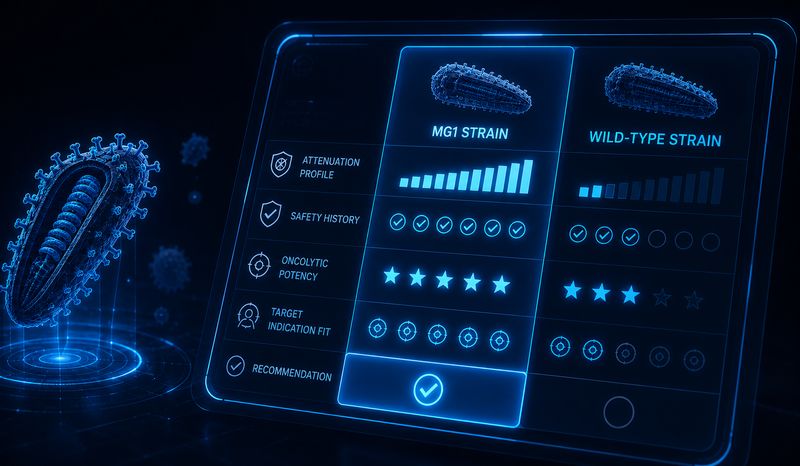
Maraba virus strain review
Module 01

Strain and Sequence Review

Review virus strain source, genome design context, rhabdovirus platform goals, safety history, target indication, and project-stage constraints.

Typical output

Platform-fit assessment and recommended engineering route.

Gene deletion and attenuation design
Module 02

Gene Deletion and Attenuation Design

Design or evaluate attenuation strategies, replication-control approaches, safety margins, and preservation of oncolytic potency.

Typical output

Attenuation design notes with risk and validation recommendations.

Payload and reporter insertion
Module 03

Payload and Reporter Insertion Feasibility

Assess insert sequence, expression format, transcription position, reporter detectability, payload function, and expected fitness burden.

Typical output

Insert-ready design plan or feasibility report.

Tropism and receptor assessment
Module 04

Receptor, Tropism, and Model Fit Assessment

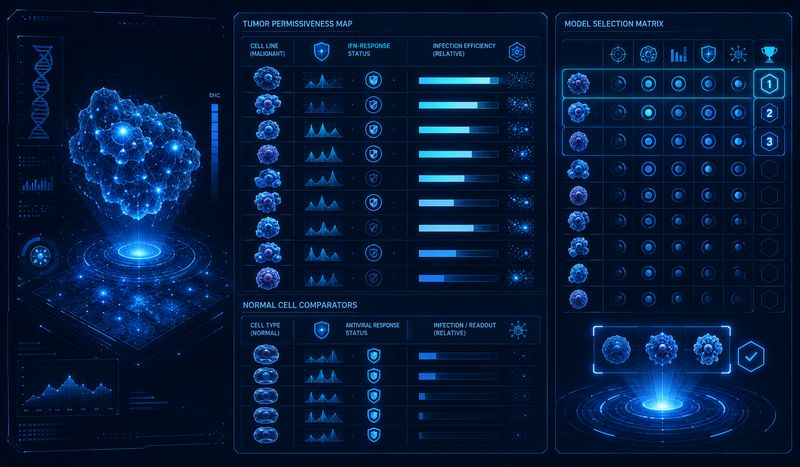
Evaluate tumor permissiveness, receptor or entry-related assumptions, antiviral-response status, normal cell comparators, and model selection.

Typical output

Model and assay matrix for entry, replication, and killing comparison.

Maraba virus rescue and expansion
Module 05

Rescue, Expansion, and Titer Testing

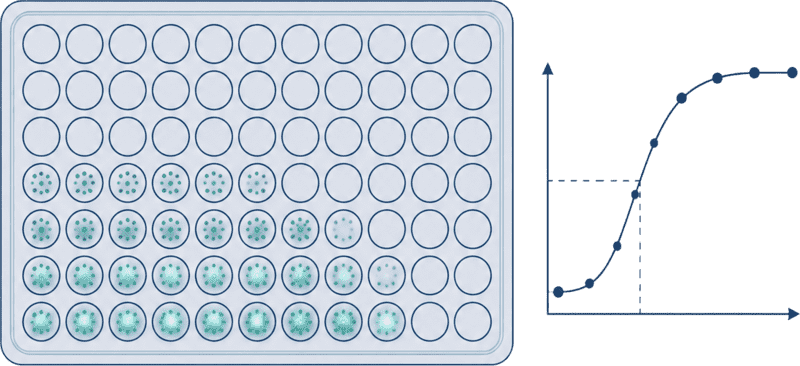
Support prototype rescue or sample intake, viral amplification, infectious titer determination, genome copy analysis, and stock quality checks.

Typical output

Research-grade virus stock characterization package.

Maraba virus stability testing
Module 06

Replication and Genetic Stability Evaluation

Measure growth kinetics, cytopathic timing, insert retention, passage stability, sequence consistency, and payload or reporter persistence.

Typical output

Replication and stability dataset with candidate risk flags.

Maraba virus validation planning
Module 07

In Vitro and In Vivo Validation Planning

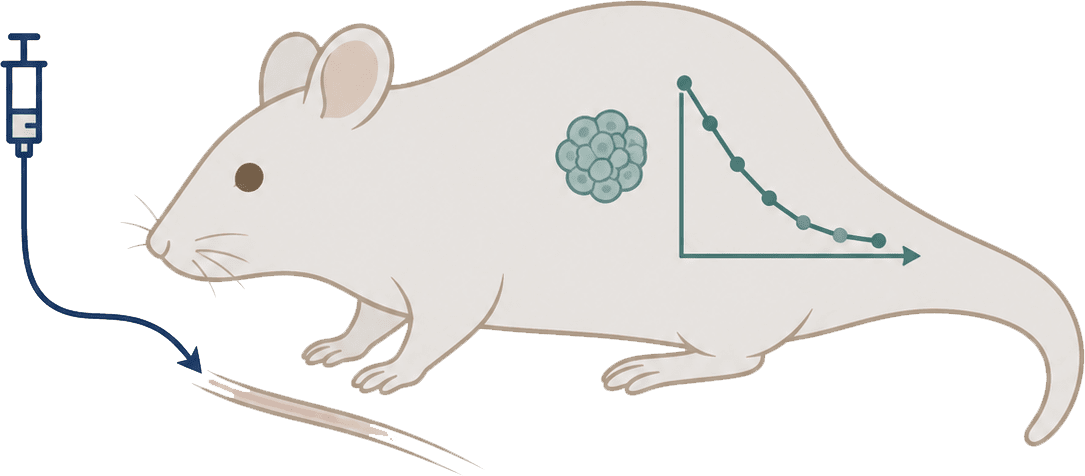
Plan tumor killing assays, immune activation readouts, biodistribution or efficacy models, dosing route, and combination therapy testing.

Typical output

Validation roadmap and next-step study design recommendations.

Helpful Project Inputs
  • Virus strain source, sequence information, viral stock, plasmid system, or early candidate description.
  • Target insert fragment, reporter or payload sequence, desired expression objective, and expected functional readout.
  • Target cancer indication, preferred tumor cell lines, normal cell comparators, immune model, or animal model.
  • Expected titer range, route of administration, dosing concept, and downstream project milestone.
  • Prior infectivity, replication, cytotoxicity, cytokine, safety, or stability data, if available.
Technical Platforms and Assay Capabilities

Assays for design confirmation, viral performance, immunogenicity, and model fit

The technical package is selected according to the Maraba virus strain, target modification, insert design, tumor model, expected titer, and project phase. Creative Biolabs combines molecular virology, virus production, tumor cell assays, immune readouts, and preclinical planning to support candidate-level decisions.

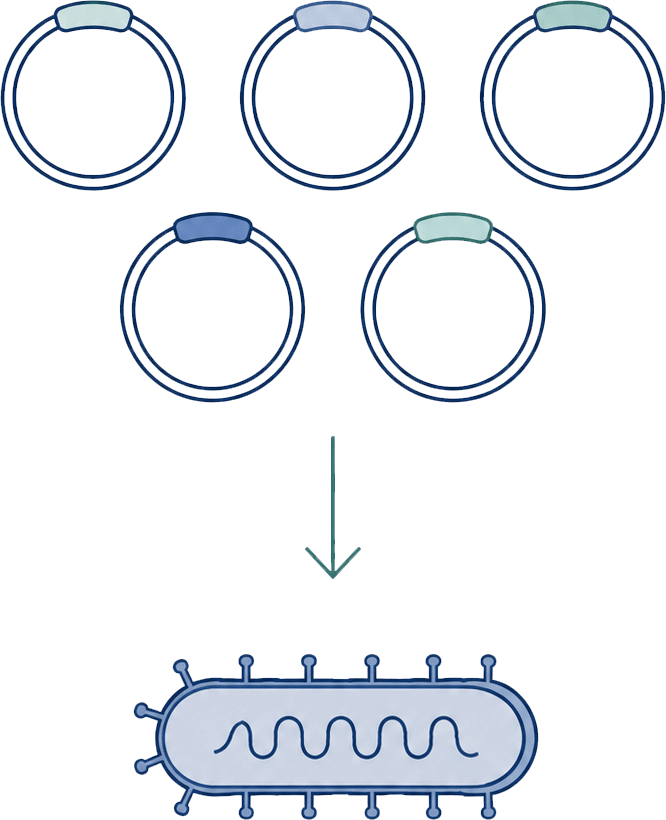
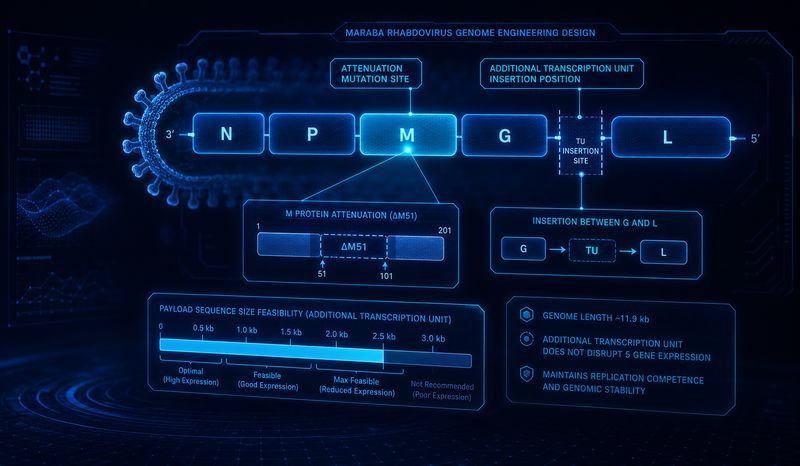
Maraba virus genome design
Design

Genome and Insert Design Review

Sequence review, deletion or insertion strategy, reporter or payload expression format, transcription-position considerations, and stability risk assessment.

Maraba virus rescue
Rescue

Reverse Genetics and Recovery Support

Prototype rescue planning, recovery feasibility, amplification conditions, stock handling, and early growth phenotype observation.

Titer and replication assays
Virology

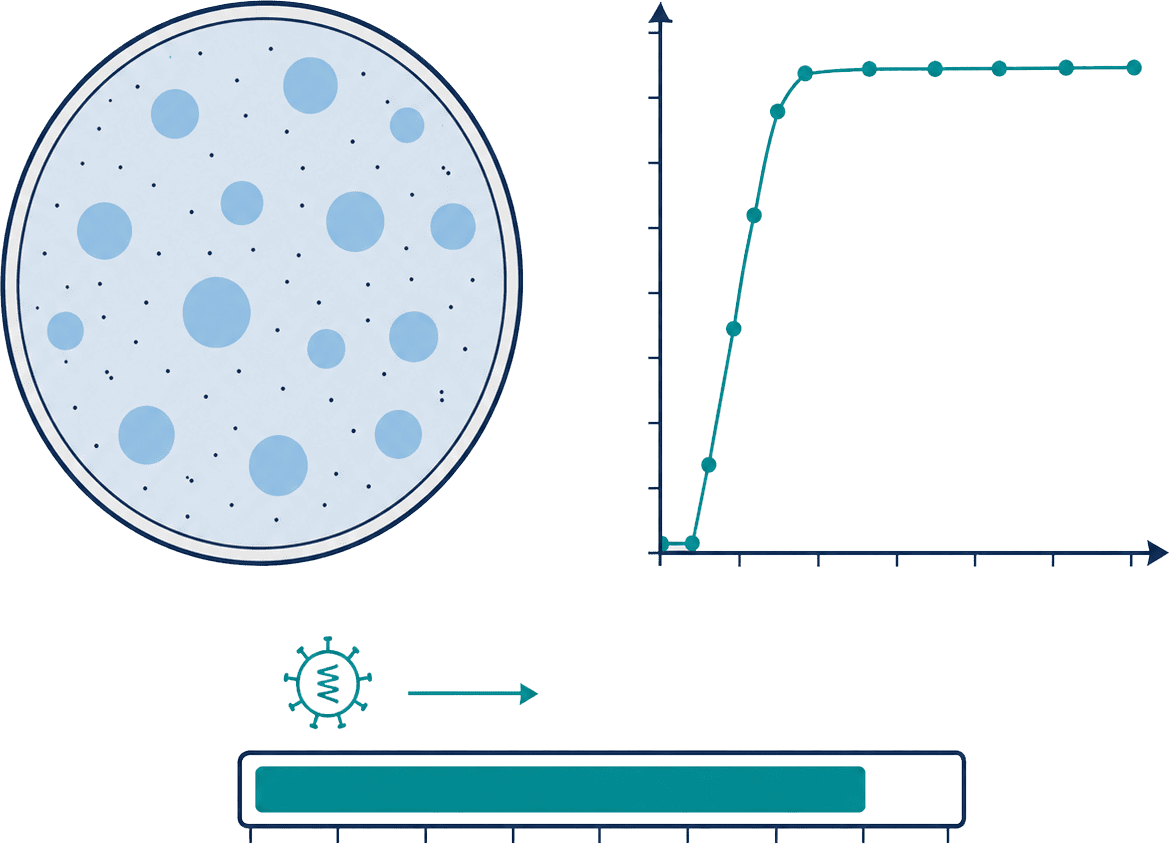
Titer and Replication Assays

Infectious titer, viral RNA or genome copy readouts, single- or multi-step growth curves, cytopathic timing, and production-yield comparison.

Tumor cell validation
Potency

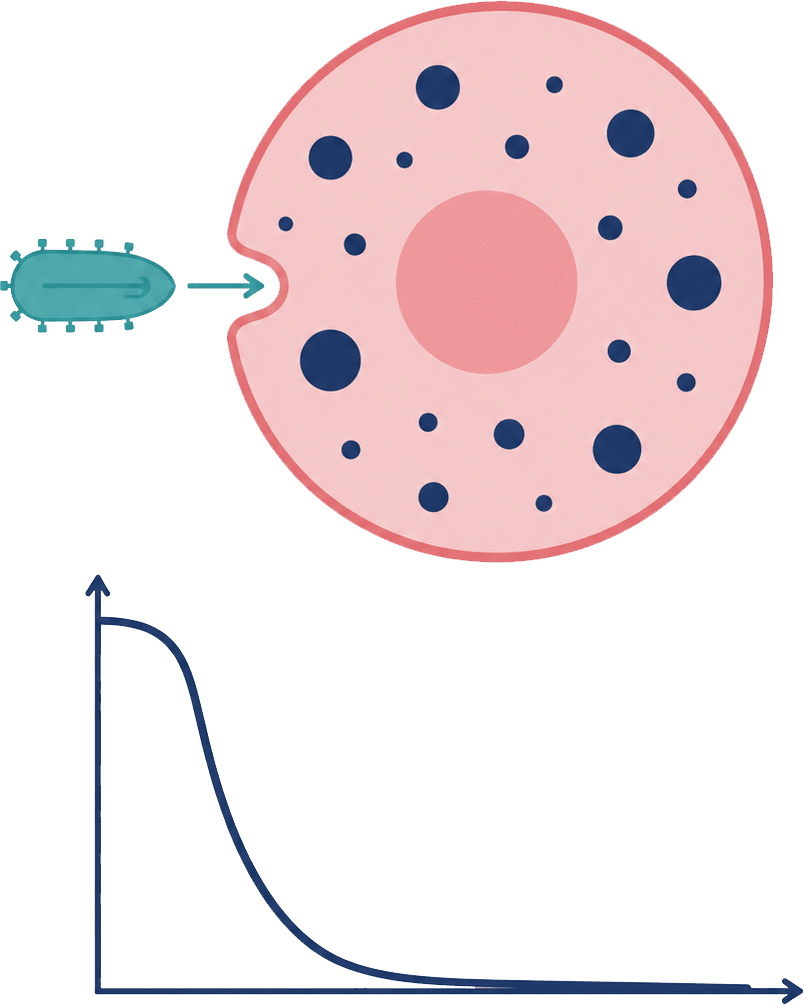
Tumor Cell Infection and Killing

2D tumor panels, normal cell comparators, dose and time-course cytotoxicity, replication-linked killing, and 3D spheroid or organoid-compatible testing.

Immune activation assays
Immune

Immunogenicity and Cytokine Readouts

Innate immune activation, cytokine/chemokine profiling, immune cell co-culture, antigen release context, and combination therapy mechanism readouts.

Stability assays
Stability

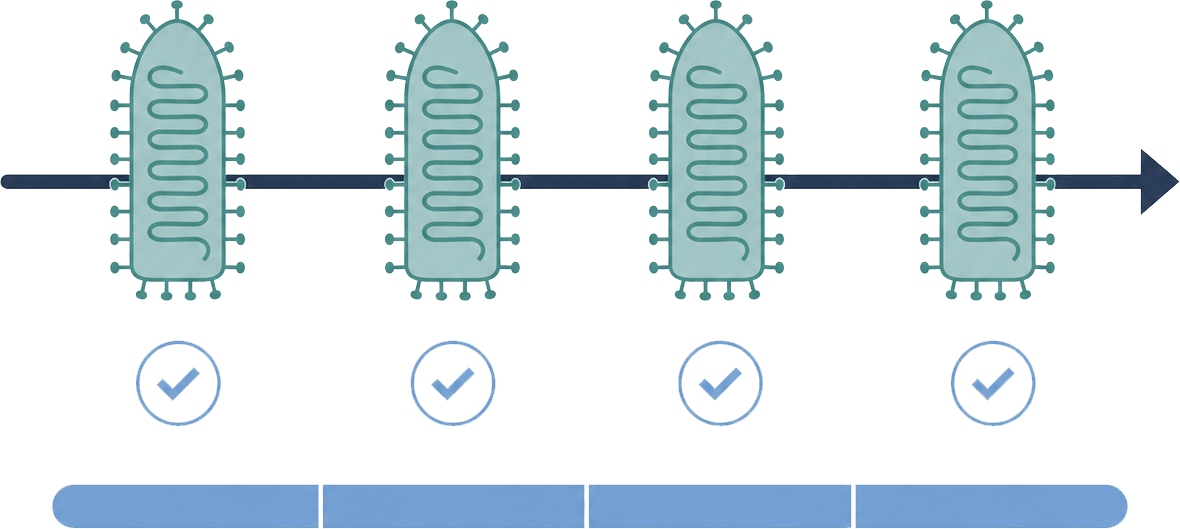
Passage and Genetic Stability Checks

Insert retention, sequence confirmation, growth retention, payload or reporter persistence, and candidate quality notes after selected passages.

In vivo planning
In Vivo

Preclinical Study Planning

Model selection, dosing route, efficacy endpoint, biodistribution or shedding plan, safety-oriented observation, and combination therapy schedule design.

Engineering Strategy

Engineering options aligned with rhabdovirus biology and candidate evaluation

Maraba virus candidates should be evaluated across construct design, viral fitness, immune activity, and development practicality. Creative Biolabs helps prioritize engineering approaches that support recoverability, tumor-selective activity, safety margin, production quality, and readiness for the next validation step.

01

Strain and Platform Rationale

Align Maraba virus source, VSV-related rhabdovirus biology, tumor indication, model availability, and intended delivery route.

02

Attenuation and Safety Logic

Evaluate gene deletion, mutation, replication-control, and normal cell comparator strategies that support a practical safety boundary.

03

Payload or Reporter Feasibility

Review target insert, expression objective, transcription-unit design, detectability, functional readout, and impact on growth or stability.

04

Replication and Production Performance

Compare rescue feasibility, amplification behavior, infectious titer, growth kinetics, stock consistency, and stability during passage.

05

Immunogenic Activity

Interpret cytokine induction, immune cell activation, antigen-release context, and compatibility with checkpoint blockade, vaccination, or cell therapy concepts.

06

Validation and Development Fit

Prioritize candidates that support clear in vitro endpoints, feasible in vivo models, route-specific dosing, and follow-up study planning.

Recommended Workflow

A practical path from Maraba virus concept to validated candidate

The workflow can begin with a strain, sequence, insert design, viral stock, receptor or tropism hypothesis, tumor indication, or early candidate. Each step is designed to clarify feasibility before larger validation, animal studies, or combination therapy testing.

Scope
Maraba virus project scoping
01

Project Scoping

Define strain source, target tumor, insert fragment, expected titer, validation model, route, combination concept, and project phase.

Design
Maraba virus engineering design
02

Engineering Design

Review deletion or insertion strategy, payload/reporter design, attenuation concept, promoter or transcription-unit plan, and controls.

Intake
Maraba virus sample intake
03

Construct Preparation or Sample Intake

Prepare or receive sequences, plasmids, viral stocks, target inserts, cell substrates, model information, and previous virology results.

Rescue
Maraba virus rescue and expansion
04

Rescue, Expansion, and Titer Testing

Evaluate recovery, amplification behavior, infectious titer, viral RNA output, stock consistency, and baseline replication.

Validate
Maraba virus validation assays
05

Functional and Immunogenicity Validation

Measure replication kinetics, tumor killing, normal cell response, payload expression, cytokine profile, immune activation, and stability markers.

Plan
Maraba virus development recommendation
06

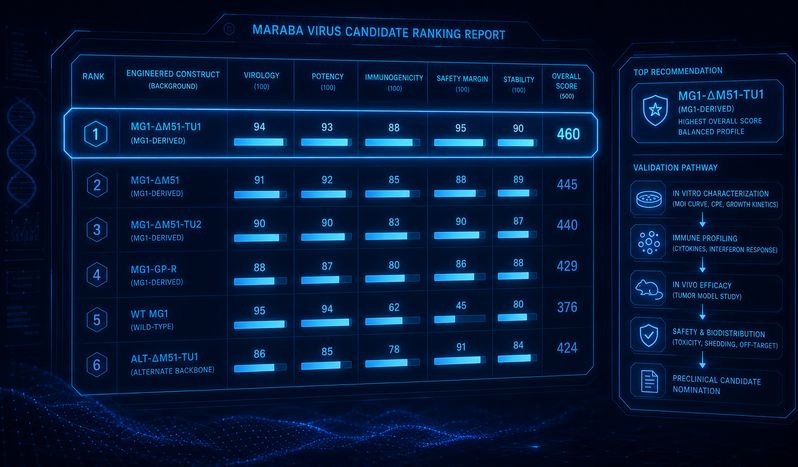
Candidate Ranking and Next-Step Plan

Integrate design, rescue, titer, replication, potency, immunogenicity, safety, and model-fit evidence into follow-up recommendations.

Timeline and material requirements depend on strain source, construct complexity, insert size, desired titer, rescue strategy, biosafety review, model availability, number of candidates, and whether in vivo or combination therapy studies are included.
Deliverables and Quality Considerations

A decision-ready evidence package for Maraba virus engineering

Deliverables are organized to support candidate selection and project planning. Each package connects the engineering design with viral recovery, production behavior, replication, stability, tumor activity, immune readouts, and recommended next steps.

Design Output

Maraba virus engineering design package

Included

Strain review, modification plan, insert design notes, attenuation logic, assay controls, and model-fit rationale.

Quality focus

Confirms that the design aligns with rhabdovirus biology, project stage, expected titer, safety goals, and validation endpoints.

Rescue Output

Recovery, expansion, and titer information

Included

Rescue feasibility, amplification observations, infectious titer, viral RNA or genome copy readouts, stock handling notes, and batch context.

Quality focus

Documents whether engineering changes are compatible with practical virus recovery and research-grade stock preparation.

Performance Output

Replication, potency, and stability data

Included

Growth kinetics, cytopathic effect, tumor cell killing, insert or reporter persistence, passage stability, and normal cell comparator results when included.

Quality focus

Interprets viral fitness alongside tumor-directed activity so candidates are not advanced on a single endpoint.

Immune Output

Immunogenicity and mechanism readouts

Included

Cytokine/chemokine profiles, innate immune activation markers, immune co-culture observations, payload function, or combination readouts where relevant.

Quality focus

Connects the immunogenic behavior of Maraba virus with the intended mechanism and combination therapy hypothesis.

Decision Output

Candidate recommendation and next-step plan

Included

Candidate ranking, risk flags, assay limitations, recommended follow-up validation, and options for candidate screening, in vitro validation, or in vivo studies.

Quality focus

Makes the basis for advancement, redesign, or additional testing transparent to project stakeholders.

Application Scenarios

When oncolytic Maraba virus engineering adds the most value

This service is designed for research teams that need to move from a Maraba virus concept to an engineered candidate with measurable virology, potency, immunogenicity, and development-fit evidence.

#
Scenario
Objective
Engineering Emphasis
01
VSV-related rhabdovirus platform exploration

Evaluate whether a Maraba virus platform fits the tumor indication, model system, desired route, and development objective.

Platform fitStrain reviewModel selectionRisk assessment
02
Payload or reporter-armed candidates

Design and evaluate inserts without losing viral recovery, replication kinetics, expression detectability, or stock stability.

Insert designPayload readoutReporterStability
03
Attenuation and safety optimization

Balance tumor-selective replication and lytic potency with normal cell comparators and route-specific safety concerns.

AttenuationNormal cellsReplication controlSafety flags
04
Immunogenic mechanism studies

Connect Maraba virus lysis and innate immune activation with cytokine profiles, antigen release context, or immune co-culture readouts.

CytokinesInnate immunityCo-cultureMechanism
05
Combination therapy programs

Assess compatibility with checkpoint inhibitors, cancer vaccines, adoptive cell therapies, cytokines, chemotherapy, or radiotherapy.

CheckpointVaccineCell therapyDose schedule
06
Candidate selection before animal studies

Generate titer, replication, killing, immunogenicity, and stability evidence before committing to in vivo efficacy or biodistribution studies.

Candidate rankingIn vivo planningBiodistributionNext steps
Why Choose Creative Biolabs

Integrated oncolytic virus engineering support for Maraba virus programs

Maraba virus engineering requires coordinated expertise in rhabdovirus design, rescue strategy, virus expansion, infectious titer testing, tumor cell models, immune readouts, safety-aware assay design, and preclinical study planning.

Platform

Support for VSV-related rhabdovirus project planning, from strain and sequence review to construct design and candidate comparison.

Engineering

Service options cover gene deletion, insertion, payload or reporter design, attenuation, tropism assessment, and replication-control strategy.

Validation

Maraba virus candidates can be evaluated through titer, replication, cytotoxicity, normal cell comparator, stability, and immune activation assays.

Continuity

Engineering work can connect to candidate screening, in vitro validation, in vivo efficacy, biodistribution, safety, and combination therapy studies.

Decision

Reports organize results into practical recommendations for redesign, candidate selection, or the next preclinical research milestone.

Maraba virus engineering workflow placeholder image
Engineering evidence for Maraba virus candidatesDesigned to balance recoverability, titer, replication, immunogenicity, tumor killing, and safety-aware validation.
Frequently Asked Questions

Common questions about oncolytic Maraba virus engineering

Questions about Maraba virus platform fit, engineering scope, payload expression, starting materials, validation, model selection, and connection to candidate screening or preclinical studies.

Maraba virus is a VSV-related rhabdovirus platform with a negative-sense RNA genome, rapid cytoplasmic replication, strong lytic activity, and marked immunogenic potential. These features make it useful for programs that need direct tumor cell killing, innate immune stimulation, antigen release, and combination therapy support. Engineering and validation are still essential because attenuation, payload burden, receptor or tropism behavior, serum sensitivity, safety margin, production quality, and model selection can strongly influence candidate performance.

Creative Biolabs can support strain and sequence review, genome design, gene deletion or insertion strategy, payload or reporter expression feasibility, promoter or transcription-unit planning where applicable, receptor and tropism assessment, attenuation-oriented design, reverse genetics rescue support, virus expansion, infectious titer testing, replication kinetics, genetic stability checks, and in vitro or in vivo validation planning.

Yes, payload expression can be considered when the insertion strategy is compatible with the Maraba virus backbone and does not compromise rescue, growth, genetic stability, or production titer beyond the project tolerance. Creative Biolabs can help evaluate insert size, insertion position, transcription order, reporter or payload readout, expression level, viral fitness impact, and whether the construct is suitable for immune mechanism studies or combination therapy evaluation.

Useful inputs include the virus strain or sequence source, target insert fragment, desired payload or reporter, expected titer range, target cancer indication, preferred tumor cell lines or animal models, route of administration, biosafety context, prior infectivity or replication data, comparator virus information, validation endpoints, and project stage such as discovery, candidate optimization, or preclinical planning.

Validation may include sequence confirmation, rescue feasibility, infectious titer measurement, genome copy or viral RNA analysis, replication kinetics, tumor and normal cell infection comparison, cytopathic effect or cytotoxicity assays, payload or reporter expression testing, passage stability checks, innate immune and cytokine readouts, and selected in vivo efficacy, biodistribution, or safety-oriented studies when appropriate.

Model selection depends on tumor permissiveness, antiviral-response status, target indication, route of administration, immune context, and the intended combination partner. Projects may use tumor cell panels, normal cell comparators, 3D spheroids or organoids, immune co-culture systems, xenograft or syngeneic models, and exploratory in vivo designs to connect replication, killing, immunogenicity, delivery, and safety evidence.

Yes. Maraba virus engineering can be integrated with oncolytic virus candidate screening, broader in vitro validation, immune mechanism assays, 3D tumor model testing, biodistribution planning, safety assessment, delivery evaluation, and in vivo efficacy studies. This helps turn a VSV-related rhabdovirus concept into a decision-ready evidence package for the next research milestone.

Request a Quote

Contact Creative Biolabs

To discuss an oncolytic Maraba virus engineering project, please share the virus strain source, target insert fragment or payload sequence, expected titer range, target cancer indication, preferred validation model, administration route, biosafety context, available samples, prior data, and current project stage. Creative Biolabs can help define a practical engineering and validation plan for your next research milestone.

Online Inquiry
! All products and services are for Research Use Only. Not For Clinical Use.