Neutralizing Antibody Evasion Engineering for Oncolytic Viruses

OV Engineering Services · Antibody Evasion

Neutralizing Antibody Evasion Engineering for Oncolytic Viruses

Creative Biolabs provides neutralizing antibody evasion engineering services for oncolytic viruses facing pre-existing immunity, treatment-induced neutralizing antibodies, complement sensitivity, repeat-dose barriers, and systemic delivery instability. Our team supports immune barrier assessment, capsid or envelope modification review, serotype or strain comparison, chemical or biological shielding concepts, carrier-cell approaches, dosing-sequence optimization, and serum neutralization evidence generation.

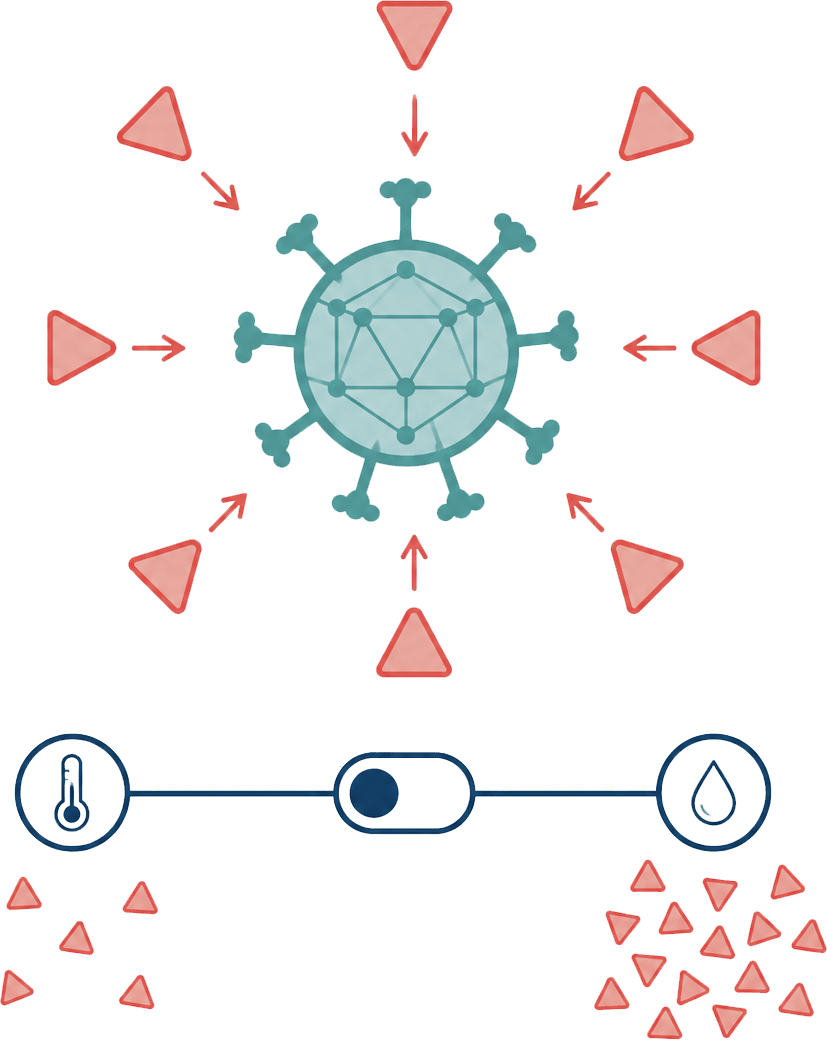
Pre-existing immunity, treatment-induced neutralizing antibodies, complement activation, and Fc-mediated clearance can limit useful exposure for oncolytic viruses intended for systemic administration or repeated dosing. These barriers may reduce infectious virus before tumor entry, alter biodistribution, or force changes in route, dose interval, formulation, or viral platform strategy.

Creative Biolabs designs antibody evasion engineering programs that evaluate immune barrier intensity, serum neutralization behavior, complement sensitivity, infectivity retention, blood-compatible stability, repeat-dose feasibility, and delivery linkage. The result is a development-oriented evidence package for selecting candidate modifications before broader systemic delivery, formulation/stability, biodistribution, or in vivo preclinical planning.
Immune Barrier MappingAssess pre-existing antibodies, treatment-induced neutralization, complement sensitivity, and repeat-dose pressure.
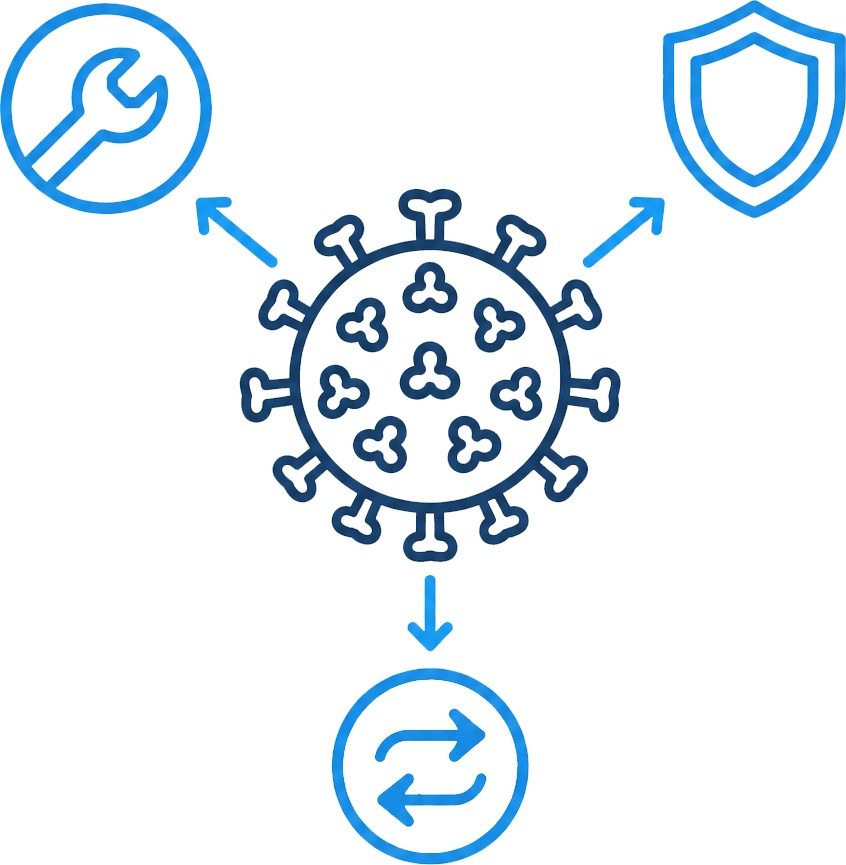
Engineering Strategy FitCompare capsid/envelope modification, serotype replacement, shielding, carrier-cell, immune modulation, and dosing-sequence options.
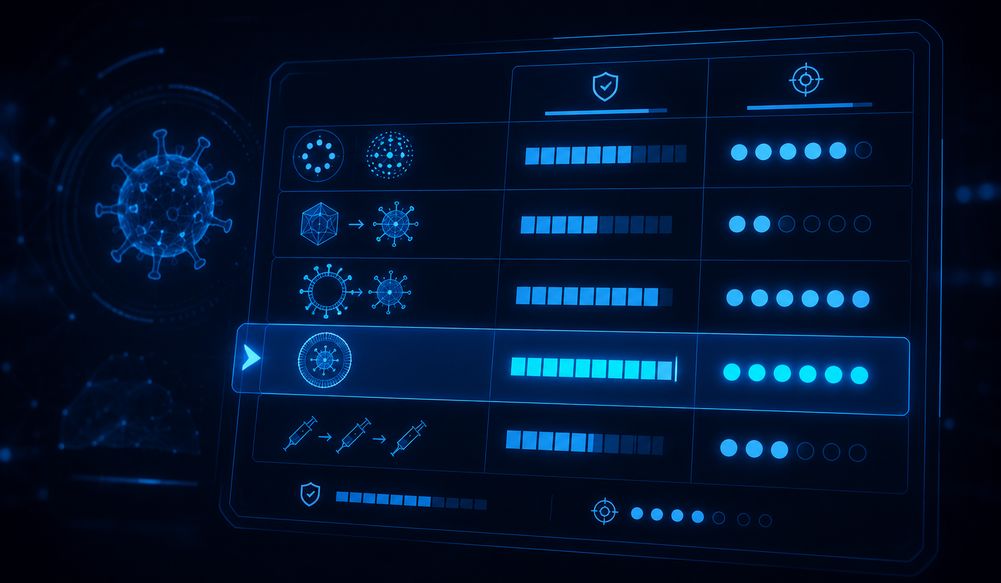
Delivery-Ready RankingPrioritize candidates by retained infectivity, tumor-cell activity, blood stability, biodistribution alignment, and next-step feasibility.
Service Scope

From neutralization risk assessment to systemic delivery-oriented optimization

Creative Biolabs supports antibody evasion projects from immune barrier analysis to engineered candidate comparison. The service can be used for systemic delivery programs, repeated dosing strategies, capsid/envelope redesign, formulation-assisted shielding, cell carrier concepts, or troubleshooting projects where serum neutralization reduces useful infectivity.

Neutralization risk assessment
Module 01

Neutralization Risk Assessment

Review viral platform, expected seroprevalence, route of administration, dose schedule, prior exposure concerns, complement context, and repeat-dose objectives.

Typical output

Risk map linking antibody and complement barriers with recommended assay depth and engineering strategy.

Serum neutralization assay design
Module 02

Serum Neutralization Assay Design

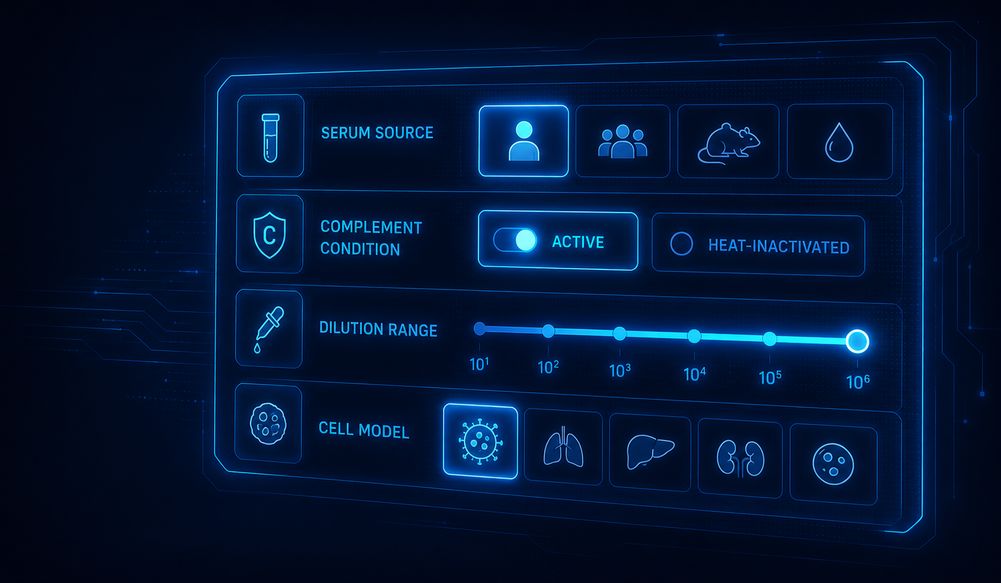
Build human or animal serum exposure conditions, complement-active versus heat-inactivated comparisons, dilution series, time-course, infectivity endpoint, and control design.

Typical output

Fit-for-purpose neutralization assay plan with controls, acceptance criteria, and interpretation logic.

Capsid and envelope engineering
Module 03

Capsid or Envelope Engineering Review

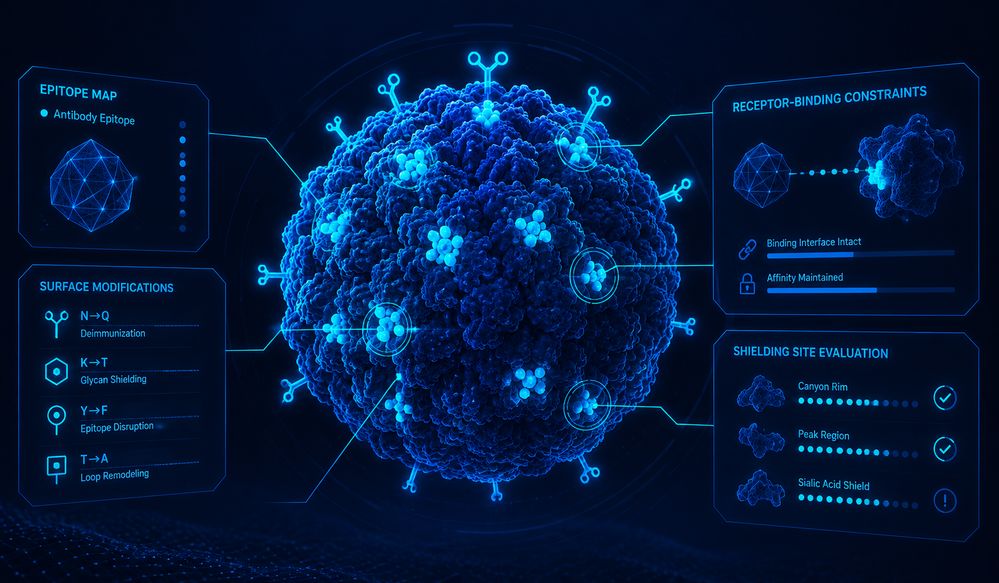
Evaluate surface residues, receptor-binding constraints, glycoprotein or capsid modification concepts, shielding sites, and risk of losing tumor infectivity.

Typical output

Candidate surface engineering plan and construct-level feasibility notes.

Serotype and strain comparison
Module 04

Serotype, Strain, or Backbone Comparison

Compare heterologous serotypes, strain variants, pseudotyping options, or alternative backbones when immune recognition differs across viral systems.

Typical output

Serotype/backbone comparison matrix aligned with neutralization risk and delivery goals.

Shielding and carrier concepts
Module 05

Shielding, Formulation, and Carrier Concepts

Assess chemical or biological coating, formulation-assisted protection, extracellular vesicle-like shielding, carrier-cell delivery, or related exposure-improving approaches.

Typical output

Protection strategy recommendation with assay and development-risk notes.

Repeat-dose feasibility
Module 06

Repeat-Dose and Dosing-Sequence Evaluation

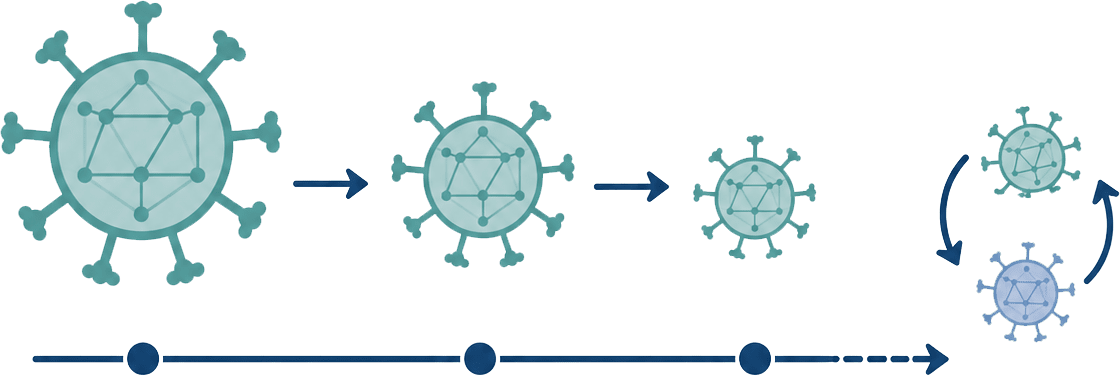
Model sequential exposure, homologous or heterologous dosing, interval effects, immune modulation combinations, and retention of infectivity after repeated challenge.

Typical output

Repeat-dose feasibility assessment and practical dosing-sequence suggestions.

Delivery and biodistribution alignment
Module 07

Delivery and Biodistribution Alignment

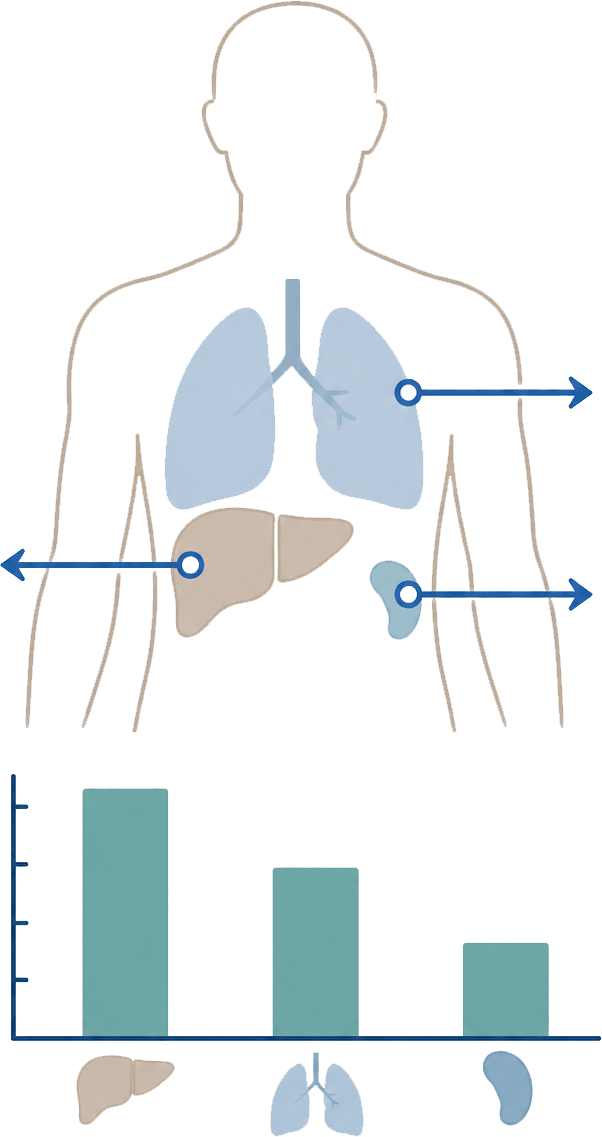
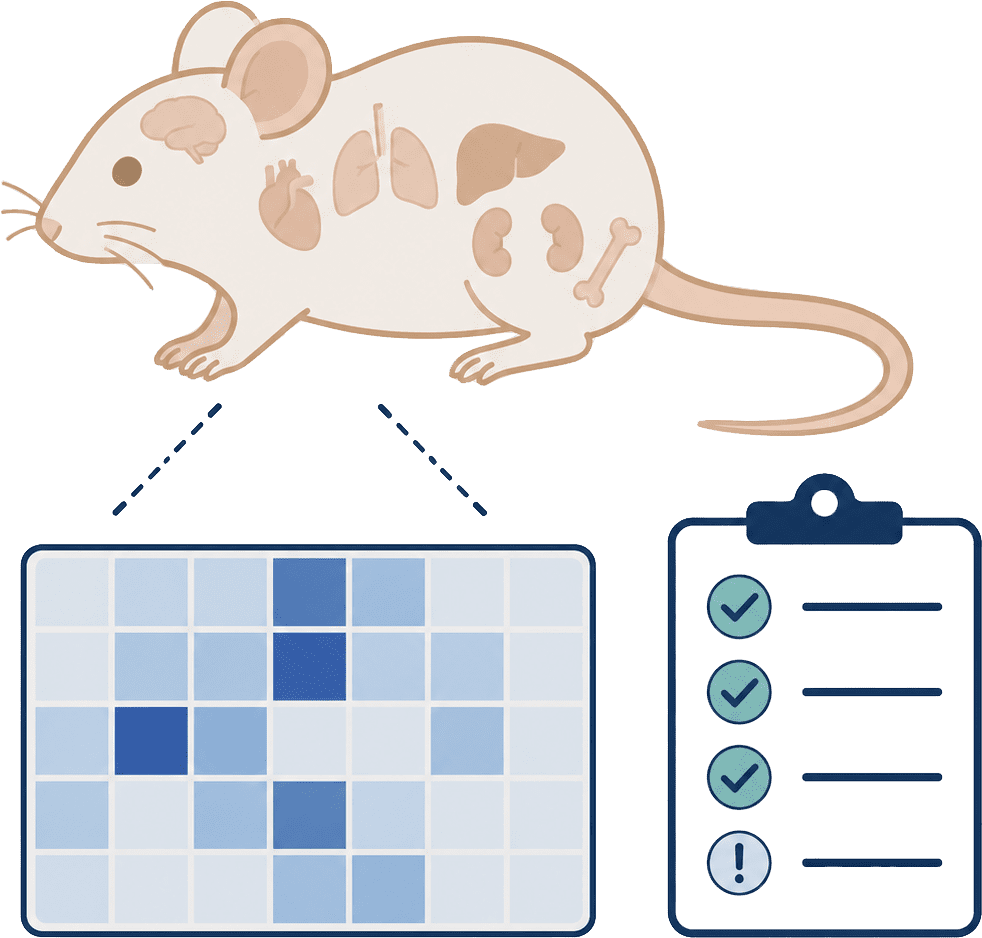
Connect neutralization and complement data with systemic delivery, formulation/stability, blood exposure, biodistribution, shedding, and safety-oriented study planning.

Typical output

Next-step roadmap linking evasion engineering with delivery and in vivo evaluation.

Typical Starting Materials
  • Target tumor indication, intended administration route, and repeat-dose objective.
  • Preferred viral platform, serotype, strain, or existing oncolytic virus candidate.
  • Viral stock, infected cell lysate, plasmid map, sequence information, or previous infectivity data, if available.
  • Known neutralization concern, serum source preference, comparator backbone, or desired immune challenge condition.
  • Downstream milestone such as systemic delivery optimization, biodistribution analysis, formulation screening, or in vivo preclinical planning.
Technical Platforms

Assays for serum resistance, infectivity retention, and exposure-oriented decision making

The technical package is customized according to the viral platform, serum context, route of administration, and decision point. Creative Biolabs separates antibody neutralization, complement sensitivity, blood stability, infectivity retention, repeat-dose pressure, and tissue-distribution readiness so that an evasion strategy is not selected by neutralization data alone.

Serum neutralization assay
Neutralization

Serum Neutralization Assays

Dilution-based serum challenge, human or animal serum panels, complement-active matrix options, residual infectivity readouts, and neutralization curve comparison.

Complement sensitivity
Complement

Complement Sensitivity Evaluation

Assessment of complement-associated infectivity loss, serum treatment condition comparison, and protective formulation or surface strategy evaluation.

Surface engineering review
Surface

Capsid or Envelope Modification Review

Surface motif analysis, receptor-binding constraint review, glycoprotein or capsid modification planning, and candidate design risk assessment.

Viral infectivity and replication
Virology

Infectivity and Replication Readouts

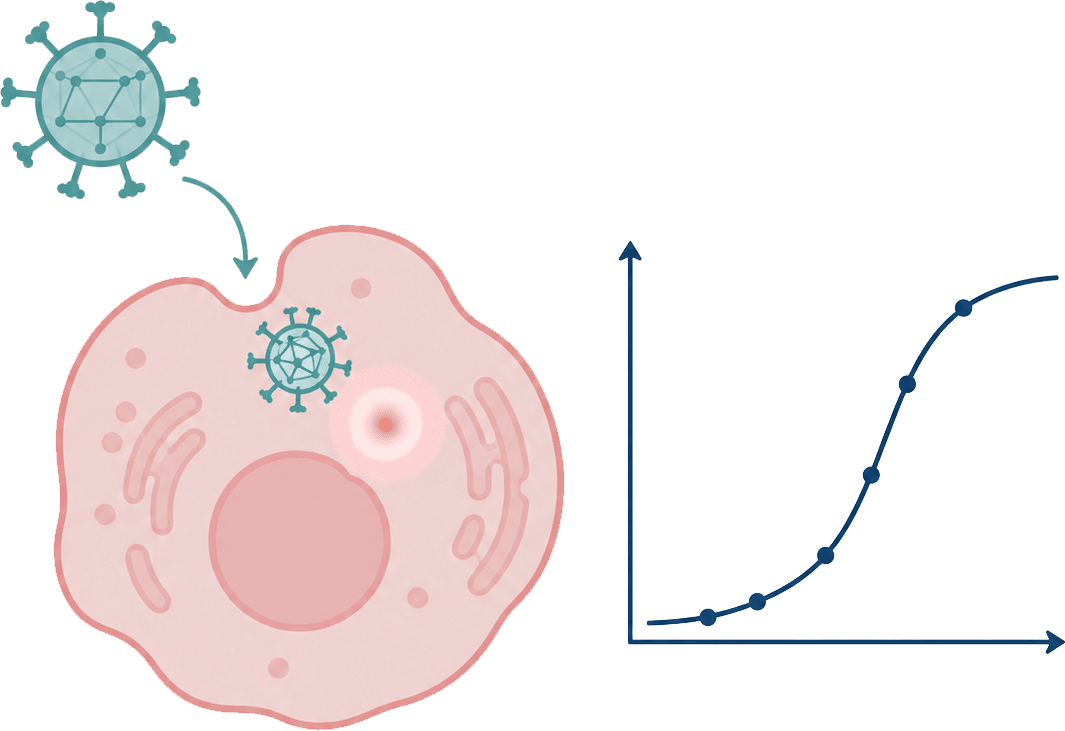
Infectious titer, reporter-based entry or expression, genome copy analysis, replication kinetics, plaque phenotype, and tumor-cell infection efficiency.

Blood matrix compatibility
Stability

Blood-Compatible Stability Checks

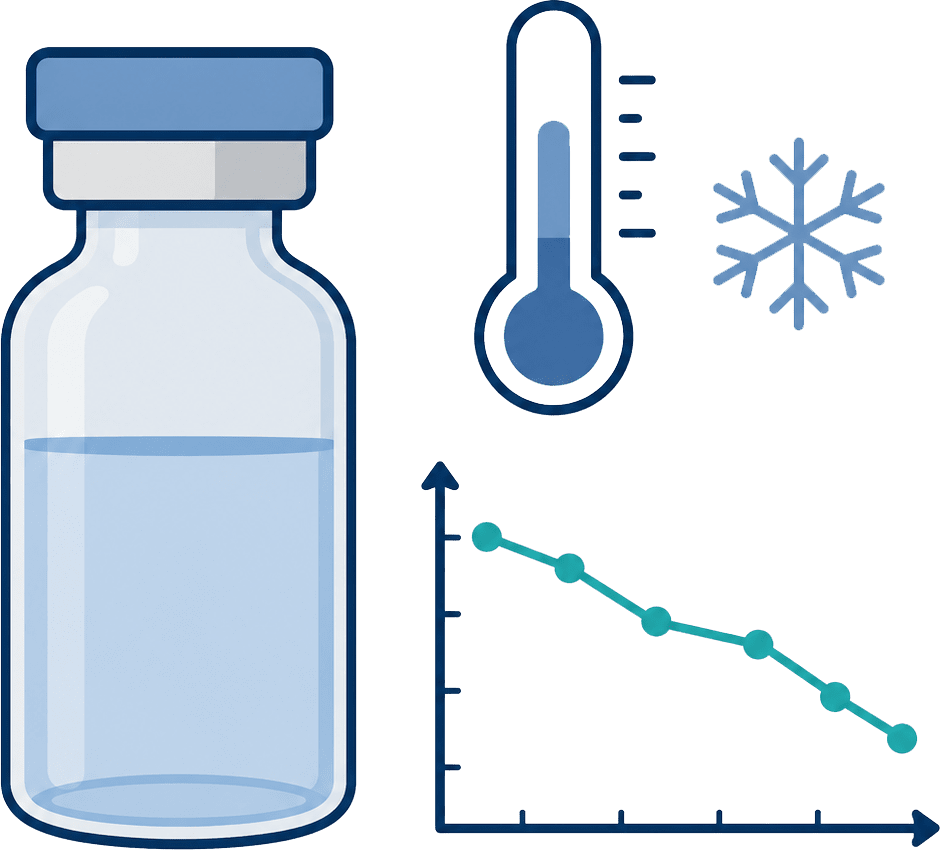
Incubation in relevant serum or plasma-like conditions, time-course infectivity retention, aggregation or loss-of-function flags, and formulation compatibility notes.

Repeat dose modeling
Repeat Dose

Sequential Exposure Models

Simulation of repeated treatment cycles, homologous or heterologous challenge comparison, and residual activity evaluation after immune pressure escalation.

Delivery alignment
Translation

In Vivo Study Alignment

Study design support for biodistribution, shedding, exposure, safety-oriented observation, and route-specific delivery questions.

Evasion Strategy Framework

A practical framework for balancing immune evasion with viral performance

Antibody evasion should not compromise receptor engagement, replication capacity, payload expression, or manufacturability. Creative Biolabs documents the rationale behind each strategy and ranks candidates according to immune challenge resistance, retained infectivity, tumor-directed activity, and development fit.

01

Neutralization Pressure

Evaluate antibody-mediated loss of infectivity across serum sources, dilution conditions, exposure time, treatment history, and complement status.

02

Surface Engineering Feasibility

Assess whether capsid, envelope, glycoprotein, or shielding changes can reduce antibody sensitivity without disrupting receptor engagement or cell entry.

03

Serotype or Backbone Fit

Compare strain, serotype, pseudotyping, or alternative backbone options when immune recognition differs across related viral systems.

04

Infectivity and Replication Retention

Confirm that evasion-oriented modifications maintain infectious titer, tumor-cell infection, replication kinetics, payload expression, and oncolytic activity.

05

Repeat-Dose Compatibility

Assess sequential exposure, homologous or heterologous dosing logic, dosing interval considerations, and treatment-induced antibody pressure.

06

Development Practicality

Consider formulation fit, blood stability, analytical control, manufacturing burden, safety flags, biodistribution readiness, and in vivo planning needs.

Recommended Workflow

A clear path from immune barrier assessment to candidate recommendation

The workflow begins with a route- and platform-specific risk review and ends with a ranked recommendation for the next development step. Projects may start from a candidate virus, a planned systemic delivery program, a repeat-dose challenge, or a set of surface engineering ideas that require comparative testing.

Scope
Project scoping
01

Project Scoping

Define viral platform, route of administration, target indication, dosing plan, known antibody risk, and decision criteria.

Design
Neutralization assay design
02

Neutralization Assay Design

Select serum source, complement condition, dilution range, exposure time, cell model, infectivity endpoint, and controls.

Intake
Sample intake
03

Candidate or Sample Intake

Receive viral stock, engineered candidates, plasmids, serum samples, sequence information, or previous infectivity data.

Challenge
Serum challenge testing
04

Serum Challenge Testing

Measure residual infectivity, complement sensitivity, time-course stability, and candidate performance under defined immune pressure.

Optimize
Evasion strategy optimization
05

Evasion Strategy Optimization

Compare surface modification, strain or serotype choice, shielding, carrier, formulation, and dosing-sequence options.

Rank
Ranking and recommendation
06

Ranking and Next-Step Recommendation

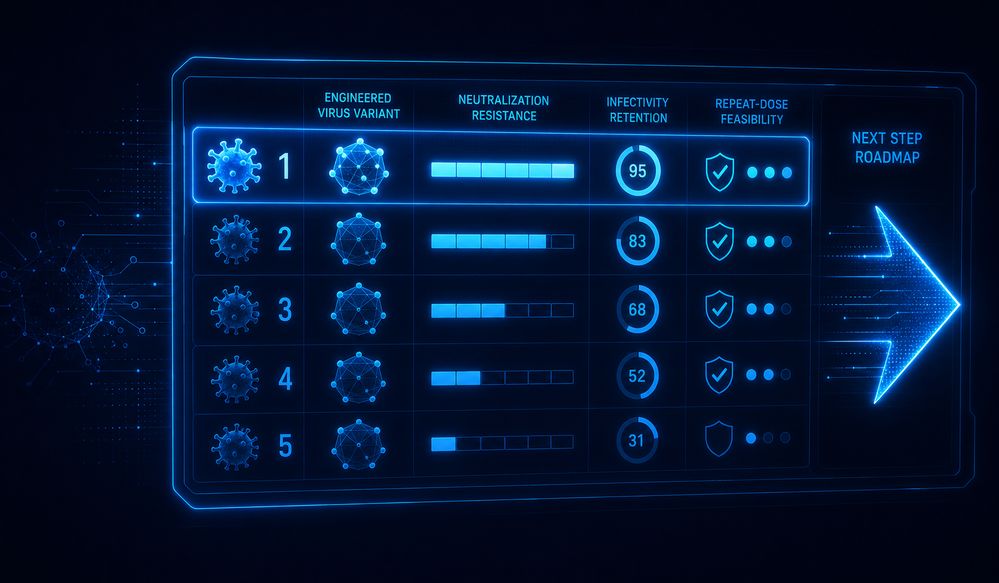
Integrate neutralization resistance, infectivity retention, repeat-dose feasibility, and development practicality into a final recommendation.

Timelines and material requirements depend on viral platform, biosafety review, number of candidates, serum source, complement condition, availability of engineered variants, need for viral rescue, infectivity endpoint, repeat-dose model complexity, and whether systemic delivery or in vivo alignment is included.
Deliverables & Quality

A decision-ready evidence package for repeat dosing and systemic delivery

The final deliverable is designed to support a practical development decision, not only show a neutralization curve. Each report connects immune challenge results with viral infectivity, candidate design, exposure-related risks, and recommended next steps.

Risk Output

Neutralization risk and assay design summary

Included

Route-specific immune barrier review, serum challenge design, control logic, comparator selection, and decision criteria.

Quality focus

Confirms that neutralization data will be interpretable for the intended dosing route and development stage.

Assay Output

Serum neutralization and complement sensitivity data

Included

Residual infectivity, serum dilution response, complement condition comparison, time-course profile, and candidate-to-candidate comparison.

Quality focus

Documents sample handling, serum condition, input virus normalization, assay controls, and endpoint limitations.

Engineering Output

Candidate design and modification rationale

Included

Surface engineering, serotype or strain comparison, shielding, carrier, formulation, or dosing-sequence recommendations.

Quality focus

Evaluates immune evasion options together with receptor engagement, replication, stability, and production feasibility.

Performance Output

Infectivity retention and tumor-cell activity context

Included

Infectious titer, reporter readout, replication kinetics, tumor-cell infection, cytotoxicity, or transgene expression results when included in scope.

Quality focus

Prevents advancing a candidate that appears serum-resistant but loses functional oncolytic performance.

Decision Output

Evasion strategy ranking and next-step plan

Included

Candidate ranking matrix, repeat-dose feasibility assessment, risk flags, recommended next experiments, and alignment with biodistribution or formulation work.

Quality focus

Makes the reasoning behind inclusion, exclusion, or additional optimization clear to project stakeholders.

Application Scenarios

When neutralizing antibody evasion engineering adds the most value

This service is suitable when antibody pressure, complement activation, or repeat-dose immune response may become a key barrier to useful tumor exposure and candidate advancement.

#
Scenario
Objective
Screening Emphasis
01
Systemic delivery exposed to pre-existing immunity

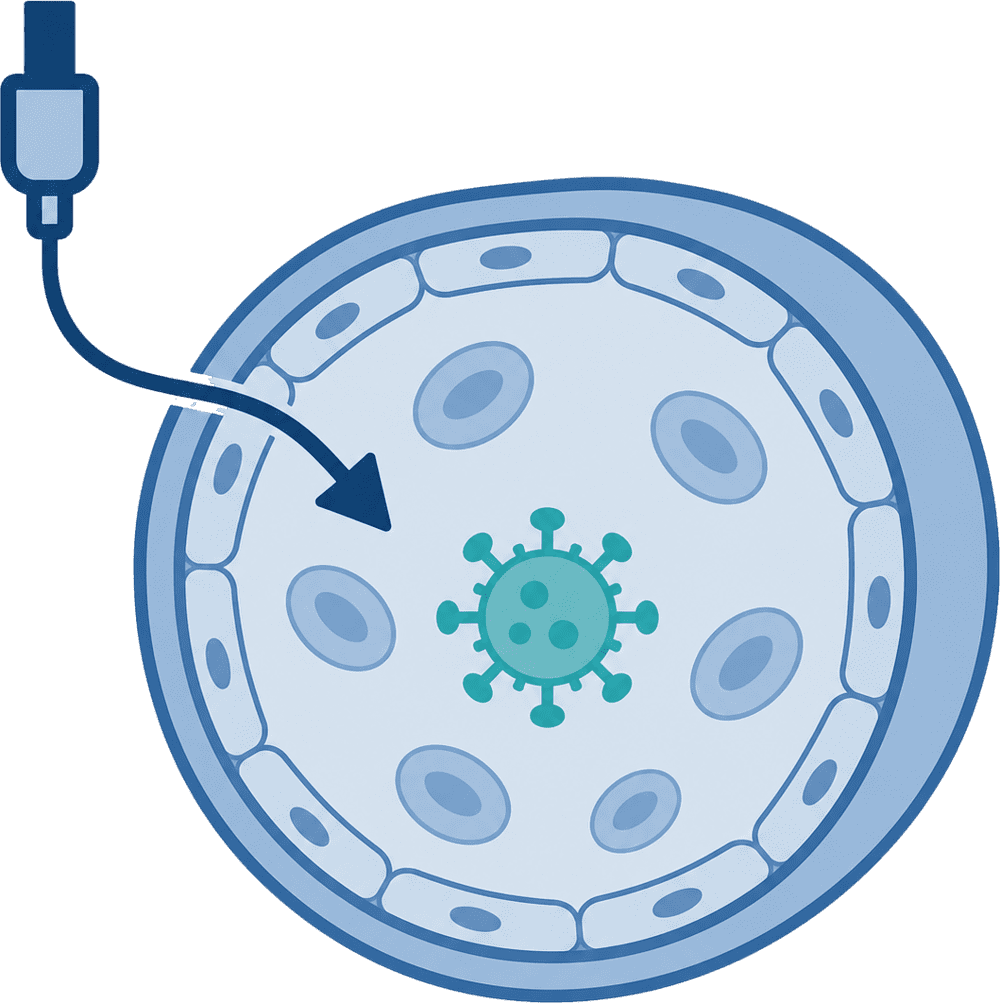
Evaluate whether antibody and complement pressure reduce infectious virus before tumor exposure can occur after intravenous or regional administration.

Serum panelsComplement statusResidual infectivitySystemic route
02
Repeated dosing and treatment-induced antibodies

Compare strategies that may preserve infectivity after treatment-induced antibody responses accumulate across cycles.

Sequential exposureDose intervalHeterologous boostFeasibility
03
Serotype, strain, or backbone replacement

Assess whether strain, serotype, pseudotyping, or alternative backbone selection may reduce pre-existing neutralization risk.

Serotype switchStrain comparisonBackbone fitRisk matrix
04
Capsid or envelope modification programs

Confirm that surface engineering improves immune challenge performance without reducing receptor engagement, tumor-cell infection, or replication.

Capsid designEnvelope designEntry retentionReplication
05
Shielding, formulation, or carrier-cell concepts

Screen protective approaches such as coating, formulation-assisted stabilization, biological shielding, or carrier-cell delivery concepts.

ShieldingFormulationCarrier cellsBlood stability
06
Biodistribution-linked candidate selection

Generate data to decide whether a candidate is ready for biodistribution, shedding, formulation, or safety-oriented preclinical studies.

BiodistributionExposure dataSafety flagsNext steps
Why Choose Creative Biolabs

Integrated OV engineering support for immune barrier-aware development

Neutralizing antibody evasion sits between vector engineering, delivery optimization, formulation, and preclinical evaluation. Creative Biolabs combines oncolytic virus engineering experience with serum neutralization assays, viral performance testing, and exposure-oriented study planning.

Assay Logic

Assay designs separate antibody neutralization, complement sensitivity, blood stability, and repeat-dose pressure.

Strategy Fit

Projects can compare surface modification, serotype or strain replacement, shielding, carrier concepts, immune modulation, and dosing logic.

Performance Context

Immune evasion data are interpreted together with infectivity, replication, tumor-cell activity, payload expression, and construct stability.

Continuity

Results can connect to systemic delivery, formulation/stability, biodistribution, toxicology, and in vivo preclinical study planning.

Decision

Candidate recommendations include neutralization data, engineering rationale, exposure risk, and next-step feasibility rather than isolated curves.

Neutralizing antibody evasion engineering workflow placeholder image
Evidence for exposure-oriented engineeringDesigned to balance immune evasion, viral fitness, and repeat-dose feasibility.
Frequently Asked Questions

Common questions about neutralizing antibody evasion engineering for OVs

Questions about systemic delivery barriers, strategy selection, applicable viral platforms, starting materials, comparison criteria, repeat-dose planning, and integration with biodistribution or formulation studies.

Pre-existing immunity, treatment-induced neutralizing antibodies, complement activation, and Fc-mediated clearance can reduce the fraction of infectious virus that reaches tumor tissue after systemic administration. These barriers may become stronger after repeated dosing and can influence route selection, dosing interval, formulation needs, and biodistribution interpretation. Creative Biolabs evaluates antibody pressure together with infectivity, complement sensitivity, blood stability, and tissue-distribution readiness.

Strategy selection depends on the virus backbone and development stage. Options may include capsid or envelope modification, serotype or strain replacement, pseudotyping, chemical or biological shielding, formulation-assisted protection, carrier-cell delivery concepts, immune-modulating combinations, and dosing-sequence optimization. The goal is to improve useful exposure while preserving viral entry, replication, and antitumor mechanism.

Yes. Project designs can be adapted for adenovirus, herpes simplex virus, vaccinia virus, vesicular stomatitis virus, measles virus, Newcastle disease virus, reovirus, alphavirus-related platforms, and other OV systems when materials and biosafety conditions are suitable. The assay format, serum panel, neutralization endpoint, and modification strategy are customized to the biology of each platform.

Useful materials include the viral platform or candidate backbone, intended route of administration, target indication, available viral stock or plasmid information, previous titer and infectivity data, serotype or strain background, proposed dosing schedule, available serum samples or desired serum sources, and the downstream milestone such as repeat-dose feasibility, systemic delivery optimization, biodistribution planning, or formulation development.

Candidates are compared using predefined decision criteria such as residual infectivity after serum exposure, complement sensitivity, blood-compatible stability, infection efficiency, replication or payload expression after immune challenge, retention of tumor-cell activity, manufacturability risk, and compatibility with the next development step. The final recommendation balances immune evasion with viral fitness and safety-oriented observations.

Yes. Repeat-dose feasibility can be assessed through sequential serum exposure models, homologous or heterologous boost comparisons, neutralization time-course readouts, complement condition comparisons, and model-specific infectivity testing. These results can guide whether the program should prioritize serotype switching, surface engineering, formulation protection, carrier-cell delivery, dosing interval adjustment, immune modulation, or a different administration route.

Antibody evasion engineering is most useful when interpreted alongside delivery and exposure data. Creative Biolabs can connect serum neutralization results with formulation/stability evaluation, systemic delivery design, biodistribution study planning, shedding or persistence analysis, and safety-oriented in vivo planning so that the candidate is not advanced based on an isolated in vitro neutralization endpoint.

Request a Quote

Contact Creative Biolabs

To discuss a neutralizing antibody evasion engineering project, please share your viral platform or candidate backbone, intended route of administration, repeat-dose objective, known serotype or strain information, available viral materials, serum challenge requirements, previous infectivity data, and the next development milestone. Creative Biolabs can help design a practical testing and engineering plan for antibody pressure, complement sensitivity, and exposure-oriented candidate selection.

Online Inquiry
! All products and services are for Research Use Only. Not For Clinical Use.