Oncolytic Poliovirus Engineering Services

OV Engineering Services · Poliovirus Platform

Oncolytic Poliovirus Engineering Services

Oncolytic poliovirus engineering requires careful control of receptor-mediated infection, attenuation, replication behavior, and safety margin. Creative Biolabs provides oncolytic poliovirus engineering services to help researchers design, rescue, expand, characterize, and validate attenuated poliovirus candidates for neuro-oncology and other receptor-informed oncolytic virus development programs.

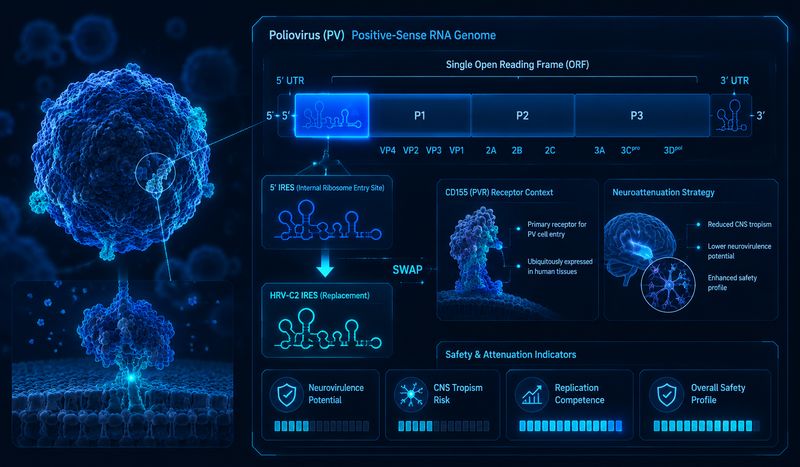
Oncolytic poliovirus candidates must be engineered with a different risk profile from many non-neurotropic OV platforms. The same properties that support efficient receptor-mediated infection and rapid cytoplasmic replication also require careful attenuation, tissue selectivity review, receptor-context testing, and safety-oriented controls.

Creative Biolabs supports oncolytic poliovirus programs from early strain and sequence review through engineering design, rescue support, virus expansion, titer testing, genetic stability assessment, and in vitro/in vivo validation planning. The service is built to help researchers convert a poliovirus-based OV concept into a practical candidate evaluation package.

Attenuation and Safety MarginAssess backbone design, neurotropism-related risk, replication control, and normal cell comparator strategy.

Receptor-Informed TropismConnect CD155/PVR or project-specific receptor context with tumor infection, off-target concerns, and model selection.
Validation-Ready Candidate DesignBalance rescue feasibility, titer, replication kinetics, payload or reporter expression, and next-step study fit.
Service Scope

From attenuated backbone design to validated poliovirus OV candidates

Creative Biolabs provides modular oncolytic poliovirus engineering services that can be used for early feasibility assessment, candidate redesign, construct generation support, virus rescue, expansion, analytical characterization, and downstream validation planning.

Poliovirus strain review
Module 01

Strain, Sequence, and Risk Review

Review virus strain or sequence source, attenuation concept, receptor context, neurotropism concerns, biosafety constraints, and target indication fit.

Typical output

Platform feasibility notes with recommended engineering and validation priorities.

Poliovirus attenuation design
Module 02

Attenuation and Replication-Control Design

Evaluate attenuation concepts, gene deletion or mutation strategies, replication-control logic, and normal tissue safety boundaries.

Typical output

Candidate attenuation plan with controls and risk flags for rescue and validation.

Payload and reporter feasibility
Module 03

Payload or Reporter Feasibility

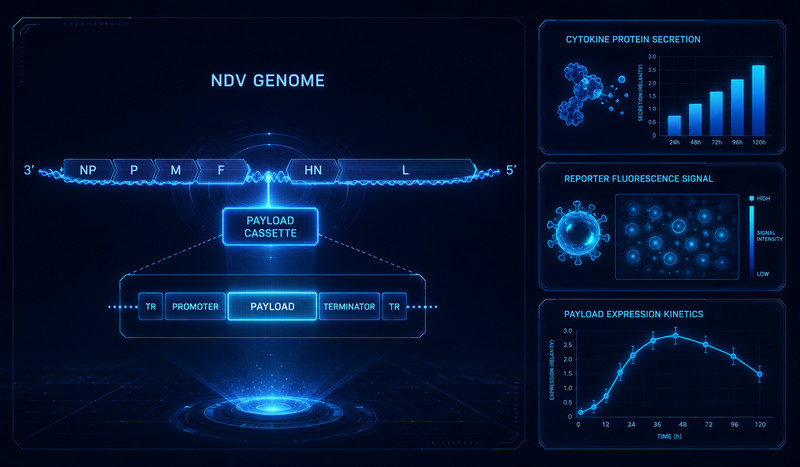
Assess target insert fragments, expression format, insertion-site tolerance, reporter readout, payload burden, and impact on viral fitness.

Typical output

Insert feasibility recommendation and sequence-ready design notes where applicable.

Receptor and tropism assessment
Module 04

Receptor and Tropism Optimization

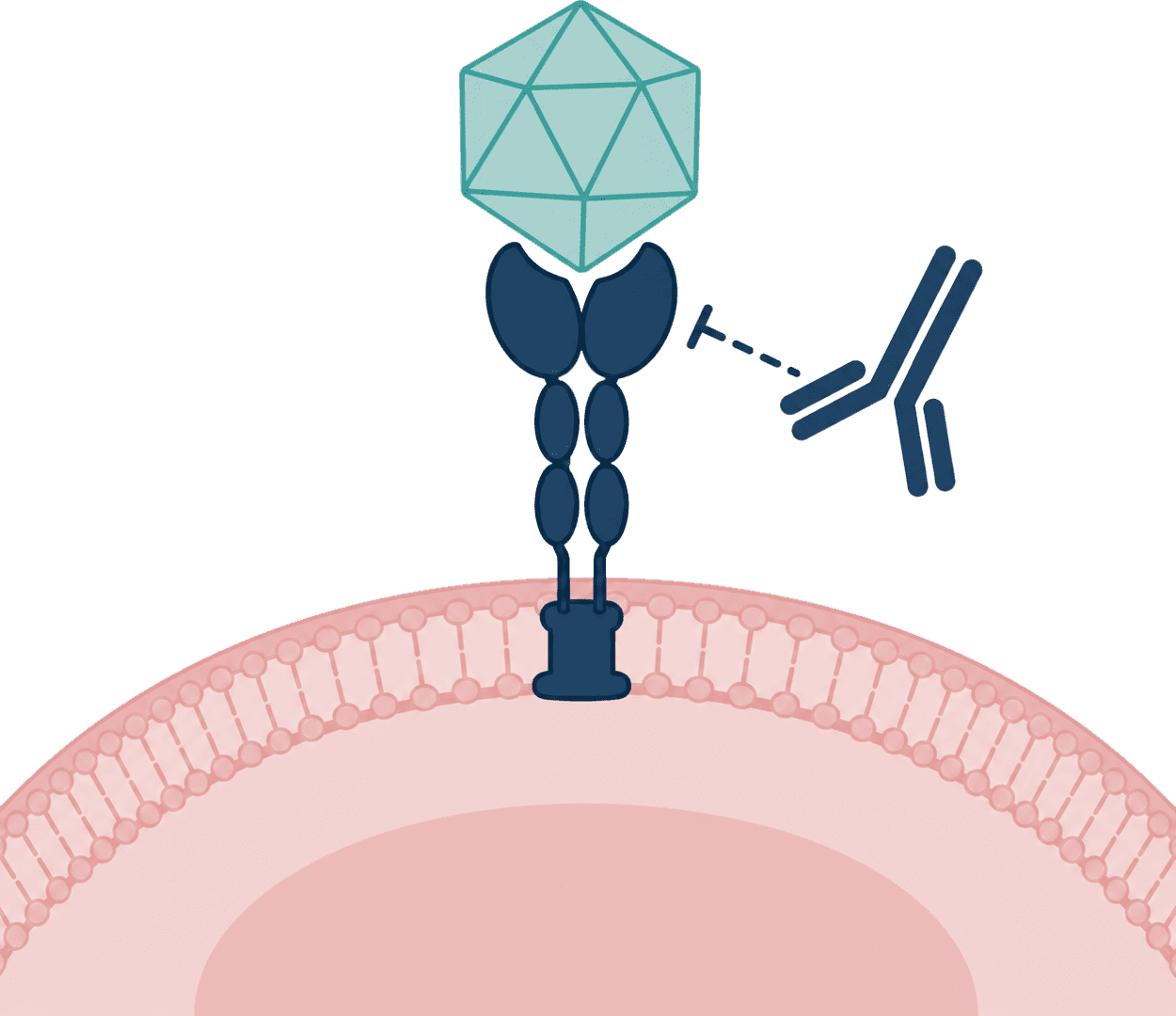
Map receptor expression, tumor permissiveness, normal cell susceptibility, receptor-blocking logic, and route-specific tissue exposure concerns.

Typical output

Receptor-informed cell/model selection and tropism validation plan.

Poliovirus rescue and expansion
Module 05

Construct Rescue and Virus Expansion

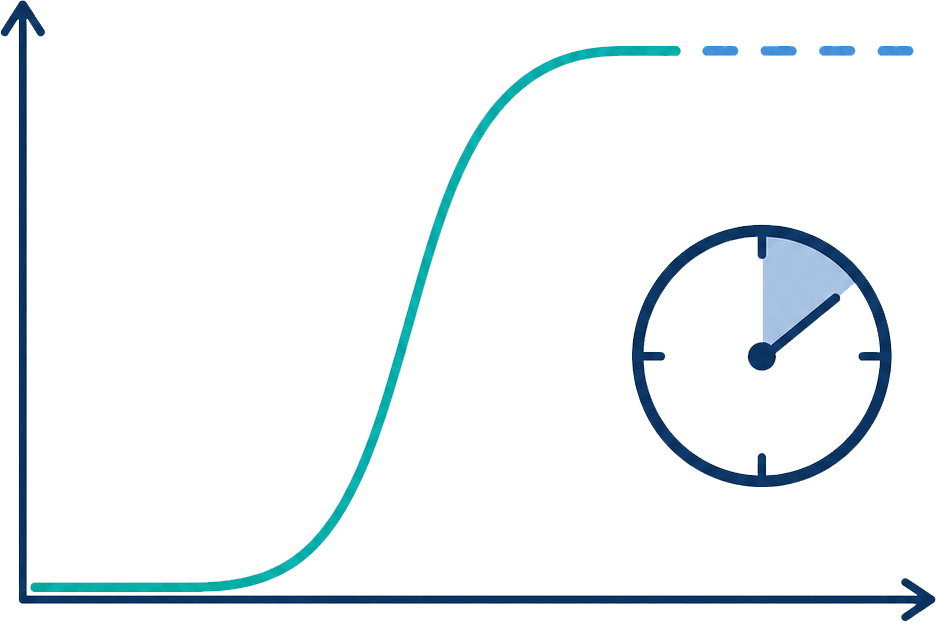
Support reverse genetics rescue, stock amplification, harvest condition review, infectious titer testing, and early growth phenotype assessment.

Typical output

Engineered virus stock characterization data and rescue feasibility notes.

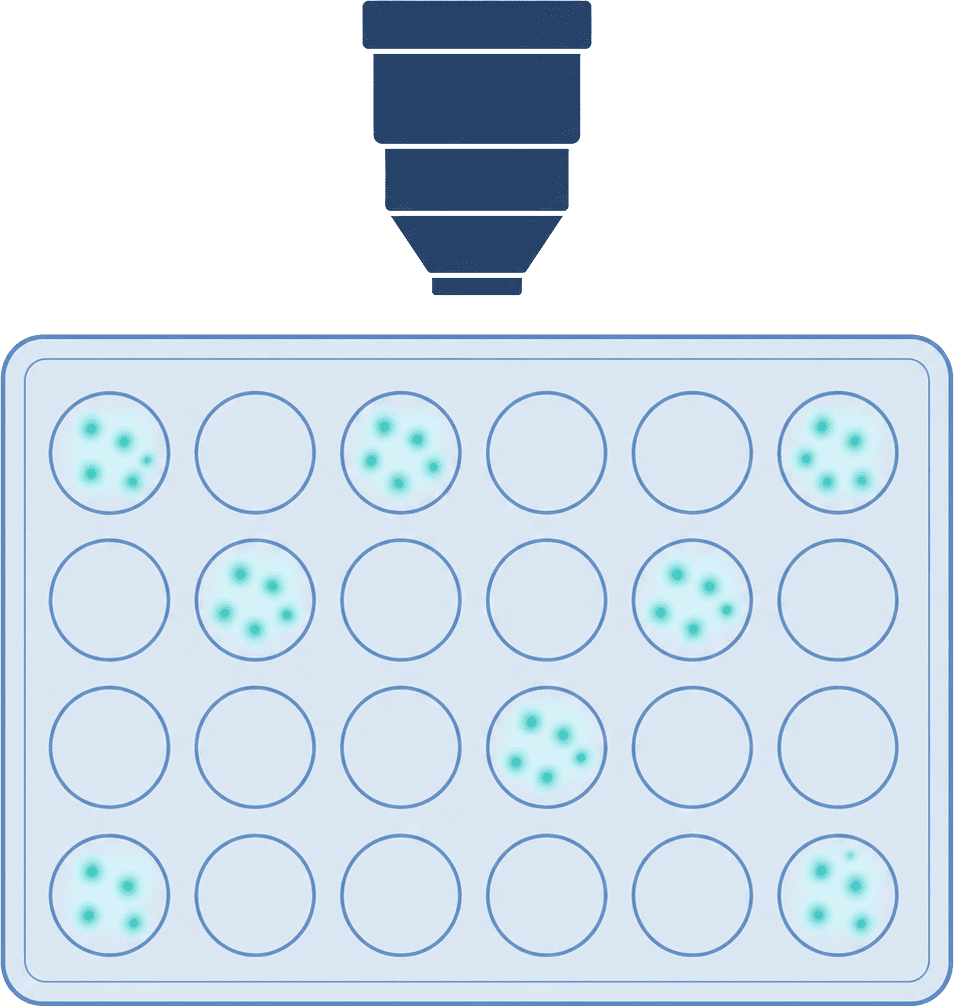
Poliovirus validation assays
Module 06

In Vitro and In Vivo Validation

Evaluate replication kinetics, tumor killing, normal cell response, receptor dependence, payload expression, biodistribution, and safety-oriented endpoints.

Typical output

Validation dataset with candidate performance summary and next-step recommendations.

Combination therapy planning
Module 07

Model, Route, and Combination Planning

Align indication, orthotopic or systemic delivery route, immune context, chemotherapy, radiotherapy, checkpoint blockade, or other partner strategies.

Typical output

Application-focused study plan for candidate screening or preclinical evaluation.

Typical Starting Materials and Project Inputs
  • Virus strain source, sequence information, attenuation concept, or available infectious clone.
  • Target insert fragment, payload or reporter goal, expected titer range, and desired readout method.
  • Target indication, receptor or tropism hypothesis, tumor cell lines, normal cell comparators, or animal model preferences.
  • Preferred route of administration, biosafety context, project phase, comparator virus, and downstream milestone.
  • Previous rescue, titer, infectivity, replication, cytotoxicity, or stability data, if available.
Technical Platforms

Assay capabilities for construct feasibility, receptor context, and safety-oriented validation

The technical package is customized according to the poliovirus backbone, attenuation design, target insert, tumor model, receptor context, and desired milestone. Creative Biolabs combines molecular design review, virology readouts, tumor cell assays, and preclinical planning to support candidate-level decisions.

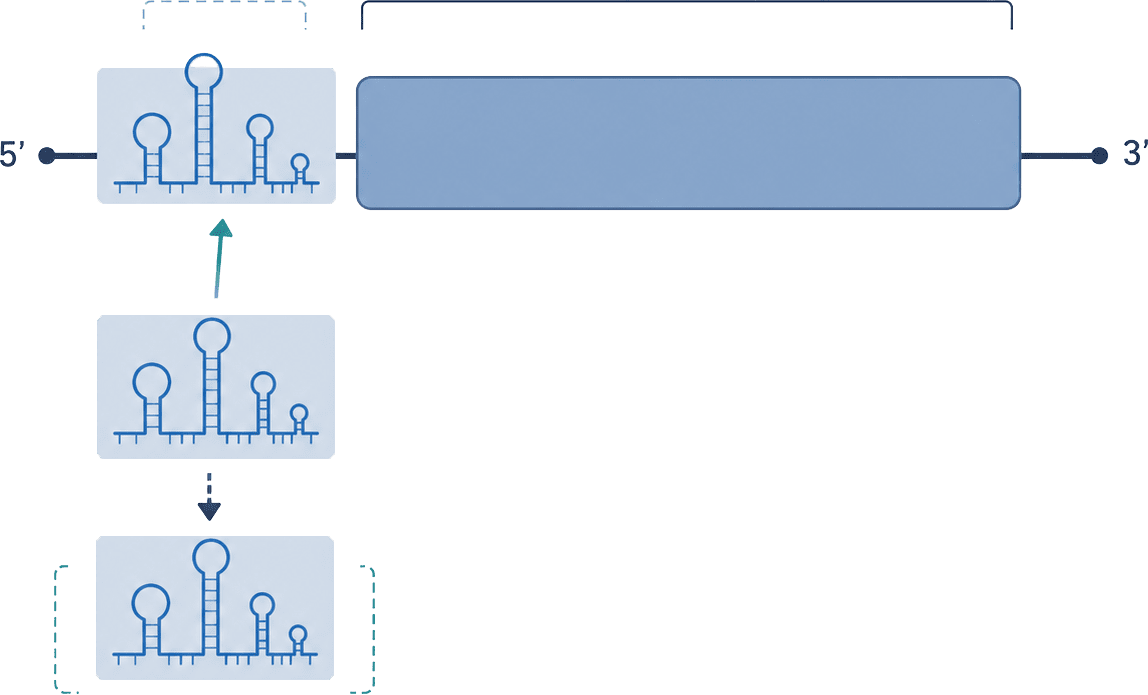
Poliovirus genome design
Design

Genome and Insert Design Review

Sequence review, attenuation elements, deletion or insertion strategy, target insert compatibility, reporter/payload readout, and construct stability risk assessment.

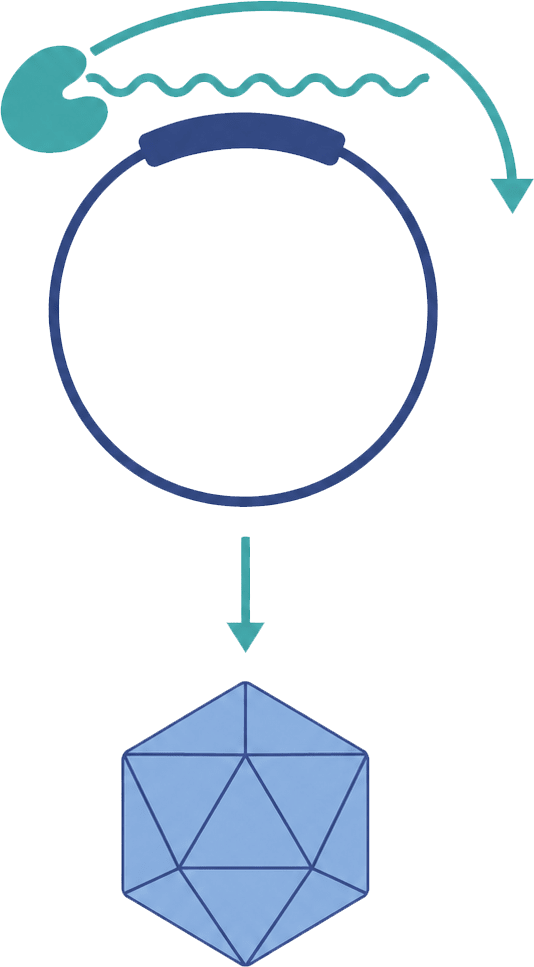
Poliovirus rescue
Rescue

Reverse Genetics and Recovery Support

Prototype rescue planning, recovery feasibility, stock amplification conditions, harvest workflow review, and early growth phenotype observation.

Titer and replication assays
Virology

Titer and Replication Assays

Infectious titer, viral RNA or genome copy readouts, growth curves, cytopathic timing, production-yield comparison, and replication-control assessment.

Receptor and tropism assays
Tropism

Receptor and Tropism Readouts

Receptor expression review, infection comparison, receptor-blocking or competition logic, tumor/normal cell susceptibility, and route-related tissue exposure considerations.

Tumor cell activity assays
Potency

Tumor Cell Killing and Selectivity

2D tumor cell panels, normal cell comparators, time-course cytotoxicity, replication-linked killing, and 3D spheroid or organoid-compatible testing.

Stability assays
Stability

Passage and Genetic Stability Checks

Insert retention, sequence confirmation, growth retention, payload or reporter persistence, and candidate quality notes after selected passages.

In vivo planning
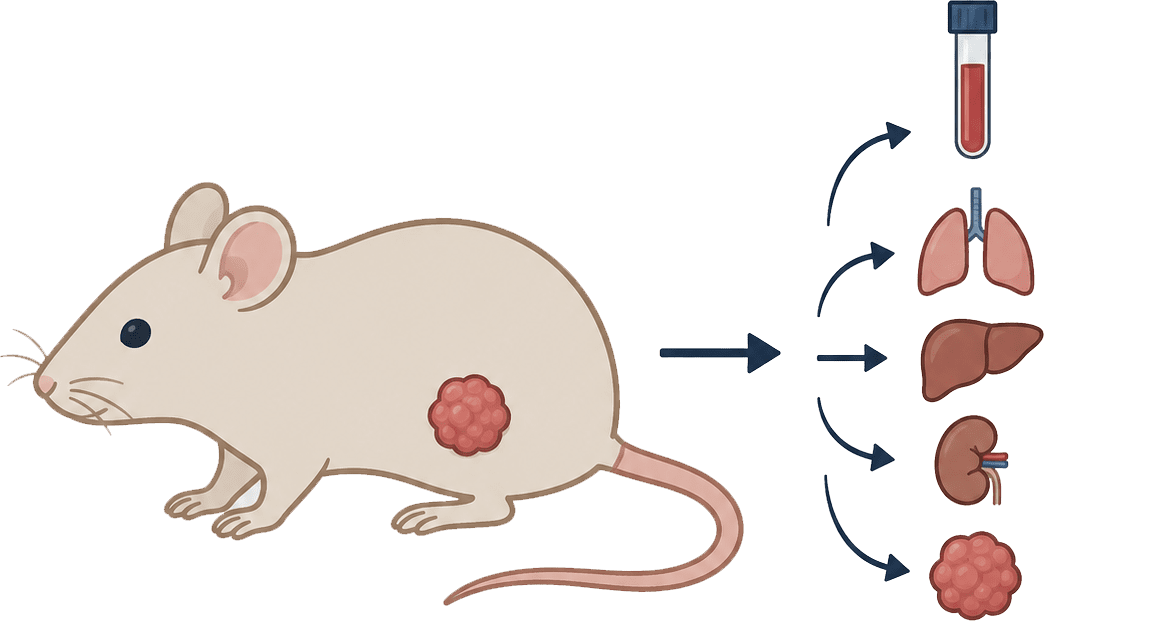
In Vivo

Preclinical Study Planning

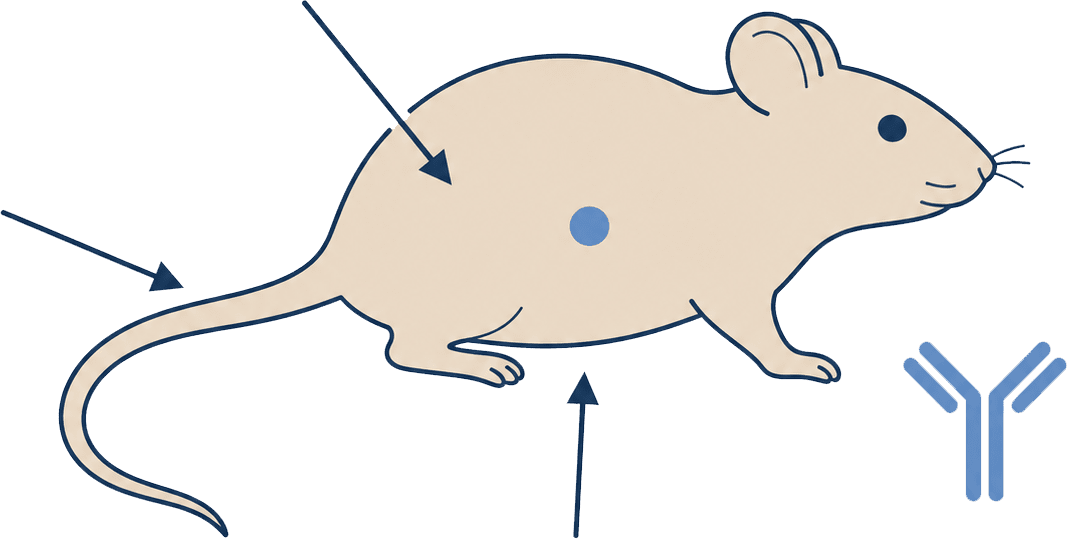
Neuro-oncology or receptor-positive model selection, dosing route, efficacy endpoint, biodistribution, safety-oriented observation, and combination therapy design.

Engineering Strategy

Engineering options aligned with poliovirus biology and safety requirements

Oncolytic poliovirus candidates should be evaluated across attenuation, receptor-mediated infection, viral fitness, tumor selectivity, insert feasibility, and practical development fit. Creative Biolabs helps organize these variables into a clear engineering strategy before extensive validation.

01

Platform and Indication Fit

Align poliovirus strain source, attenuation concept, receptor context, neuro-oncology or receptor-positive indication, and delivery route.

02

Attenuation and Safety Boundary

Evaluate design, gene deletion or mutation logic, normal cell comparator strategy, replication control, and neurovirulence risk awareness.

03

Payload or Reporter Compatibility

Review insert size, insertion position, expression objective, reporter detectability, payload burden, rescue feasibility, and stability implications.

04

Receptor and Tropism Behavior

Assess receptor expression, tumor permissiveness, infection specificity, route-related tissue exposure, and receptor-blocking validation options.

05

Replication and Production Performance

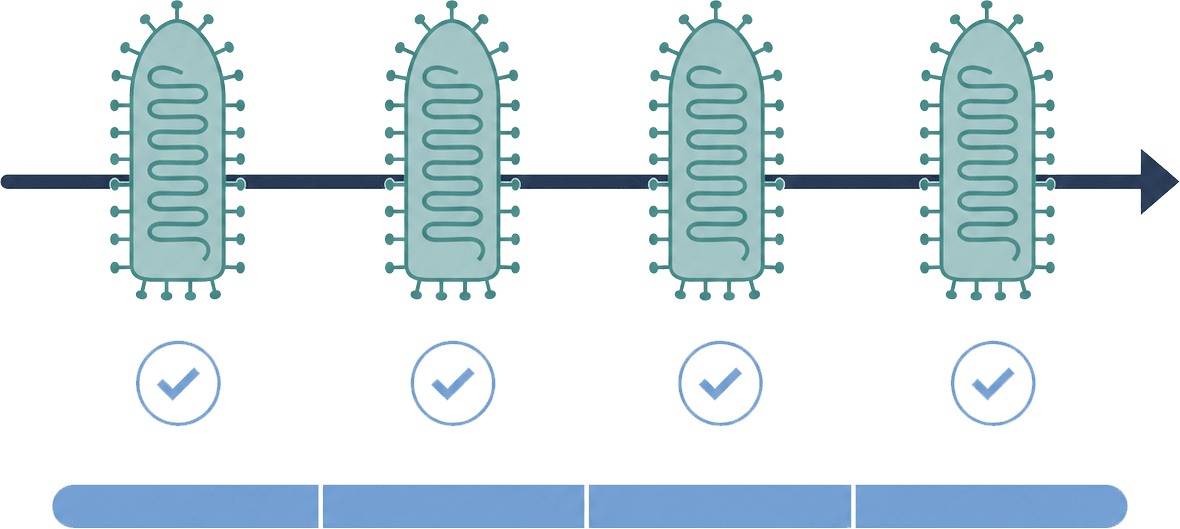
Compare rescue feasibility, amplification behavior, infectious titer, growth kinetics, stock consistency, and genetic stability during passage.

06

Validation and Development Fit

Prioritize candidates that support clear in vitro endpoints, feasible in vivo models, route-specific dosing, and follow-up study planning.

Recommended Workflow

A practical path from poliovirus OV concept to validated candidate

The workflow can begin with a strain, sequence, insert design, viral stock, receptor hypothesis, tumor indication, or early candidate. Each step clarifies feasibility before larger validation, animal studies, or combination therapy testing.

Scope
Poliovirus project scoping
01

Project Scoping

Define strain source, attenuation concept, target tumor, receptor hypothesis, insert fragment, expected titer, validation model, route, and project phase.

Design
Poliovirus engineering design
02

Engineering Design

Review attenuation elements, deletion or insertion strategy, payload/reporter design, regulatory concept, receptor-context plan, and controls.

Intake
Poliovirus sample intake
03

Construct Preparation or Sample Intake

Prepare or receive sequences, infectious clones, viral stocks, target inserts, cell substrates, model information, and previous virology results.

Rescue
Poliovirus rescue and expansion
04

Rescue, Expansion, and Titer Testing

Evaluate recovery, amplification behavior, infectious titer, viral RNA output, stock consistency, and baseline replication.

Validate
Poliovirus validation assays
05

Functional and Safety-Oriented Validation

Measure replication kinetics, tumor killing, normal cell response, receptor dependence, payload expression, stability, and safety-related indicators.

Report
Poliovirus reporting
06

Data Integration and Next-Step Plan

Summarize construct performance, quality results, risk flags, model fit, route considerations, and recommended candidate-development path.

Timelines depend on strain or sequence readiness, insert complexity, rescue difficulty, biosafety review, expected titer, cell substrate availability, receptor-model suitability, assay endpoints, animal model scheduling, and whether combination therapy readouts are included.
Deliverables & Quality

Decision-ready outputs for poliovirus OV candidate development

Deliverables are organized to connect engineering design with viral quality, receptor-informed performance, safety-oriented observations, and the next development milestone.

Design Output

Engineering design and risk review package

Included

Strain or sequence review, attenuation concept, insert design notes, receptor/tropism hypothesis, comparator logic, and validation plan.

Quality focus

Confirms that safety, receptor context, construct feasibility, and model selection are addressed before experimental expansion.

Rescue Output

Rescue feasibility and stock characterization

Included

Rescue outcome, amplification notes, infectious titer, viral RNA or genome copy data, growth phenotype, and stock handling context.

Quality focus

Documents whether the engineered design can be recovered and expanded at a level suitable for downstream testing.

Validation Output

Tumor infection, replication, and killing data

Included

Replication kinetics, tumor cell cytotoxicity, normal cell comparison, receptor-dependence observations, payload or reporter expression, and assay controls.

Quality focus

Interprets activity together with receptor context and attenuation logic rather than relying on killing data alone.

Stability Output

Genetic stability and quality observations

Included

Sequence confirmation, insert retention, passage-related growth observations, reporter or payload persistence, and candidate quality notes.

Quality focus

Flags designs that may perform in a single assay but are not robust enough for broader development.

Decision Output

Candidate recommendation and next-step roadmap

Included

Summary of candidate strengths, risk flags, quality-control nodes, project-cycle factors, recommended validation models, and follow-up study options.

Quality focus

Supports discussion of candidate screening, in vitro validation, in vivo testing, or combination therapy evaluation.

Application Scenarios

When oncolytic poliovirus engineering adds the most value

This service is suitable when a poliovirus-based OV concept requires structured engineering, attenuation review, receptor-informed model selection, rescue and titer confirmation, or a development plan for candidate validation.

#
Scenario
Objective
Engineering Emphasis
01
Neuro-oncology-focused OV programs

Develop an attenuated poliovirus candidate for glioma or other neural tumor models while carefully addressing tissue safety and delivery route.

Neurotumor modelsAttenuationReceptor contextIn vivo route
02
Receptor-positive tumor targeting

Compare infection and killing in tumor cells with relevant receptor expression while including normal cell and blocking controls.

CD155/PVR contextTropismNormal controlsCompetition assay
03
Payload or reporter feasibility studies

Test whether an inserted fragment can be expressed without reducing rescue, growth kinetics, stability, or tumor-directed activity beyond project tolerance.

Target insertReporter readoutRescue impactStability
04
Attenuation and safety redesign

Refine a candidate whose activity is promising but requires stronger replication control, normal cell selectivity, or safety-oriented validation.

Replication controlSafety boundaryRisk flags
05
Route and model selection before animal studies

Select orthotopic, intratumoral, intracranial, or systemic evaluation logic based on tumor location, receptor expression, exposure risk, and assay endpoint.

Model choiceDosing routeBiodistributionSafety readout
06
Combination therapy planning

Design poliovirus OV evaluation around radiotherapy, chemotherapy, checkpoint blockade, immunomodulation, or other treatment partners.

Combination logicScheduleMechanism assayNext milestone
Why Choose Creative Biolabs

Integrated OV engineering support for attenuated poliovirus candidate development

Oncolytic poliovirus development sits at the intersection of picornavirus biology, receptor-mediated tropism, attenuation design, safety-oriented validation, and model selection. Creative Biolabs provides flexible support from concept review to experimental candidate evaluation.

Safety

Engineering plans consider attenuation, normal tissue susceptibility, neurotropism-related risk, receptor context, and appropriate control design.

Virology

Projects can include rescue, stock expansion, infectious titer testing, replication kinetics, viral RNA analysis, and passage stability checks.

Models

Assay plans can connect receptor-positive tumor panels, normal cell controls, 3D systems, neuro-oncology models, and in vivo route planning.

Continuity

Engineering can connect to candidate screening, in vitro validation, biodistribution planning, safety assessment, and preclinical efficacy studies.

Decision

Results are organized around practical candidate-selection criteria rather than a disconnected set of assay readouts.

Oncolytic poliovirus engineering workflow placeholder image
Evidence for candidate decisionsDesigned to balance attenuation, receptor context, viral fitness, and validation readiness.
Frequently Asked Questions

Common questions about oncolytic poliovirus engineering

Questions about platform fit, engineering options, starting materials, payload feasibility, receptor-informed validation, model selection, and next-step development planning.

Oncolytic poliovirus is attractive for selected tumor programs because poliovirus biology can support efficient cytoplasmic replication, receptor-mediated infection, and strong tumor cell lysis when an attenuated backbone is properly designed and validated. For neuro-oncology and other receptor-positive tumor models, engineering work must pay close attention to attenuation, neurovirulence risk, tissue tropism, receptor expression, payload burden, manufacturing feasibility, and safety-oriented validation.

Creative Biolabs can support strain and sequence review, attenuated backbone design, replication-control concept evaluation, gene deletion or insertion planning, payload or reporter expression feasibility, promoter or regulatory element review where applicable, receptor and tropism assessment, rescue support, virus expansion, titer testing, genetic stability checks, and fit-for-purpose validation assays.

Payload or reporter expression can be assessed when the insert size, insertion site, expression strategy, and backbone design are compatible with viral rescue, replication, and genetic stability. Creative Biolabs can help evaluate target insert fragments, expression readouts, impact on viral fitness, and whether the engineered candidate is suitable for in vitro testing, mechanism studies, or in vivo planning.

Useful inputs include the virus strain or sequence source, attenuation concept, target insert fragment, desired payload or reporter, expected titer range, target indication, receptor or tropism hypothesis, preferred tumor cell lines or animal models, route of administration, biosafety context, comparator virus information, validation endpoints, and current project stage.

Validation may include sequence confirmation, rescue feasibility, infectious titer measurement, viral RNA or genome copy analysis, growth kinetics, tumor and normal cell infection comparison, CD155/PVR or receptor-context analysis when relevant, cytopathic effect or cytotoxicity assays, payload or reporter expression testing, passage stability checks, and selected in vivo efficacy, biodistribution, or safety-oriented studies when appropriate.

Model choice depends on receptor expression, tumor permissiveness, route of delivery, tissue safety considerations, immune context, and the intended combination partner. Neuro-oncology models are a common strategic focus, but projects may also use receptor-positive tumor cell panels, normal cell comparators, 3D tumor models, immune-related assays, xenograft or syngeneic models, and route-specific dosing designs.

Yes. Oncolytic poliovirus engineering can be integrated with candidate screening, broader in vitro validation, receptor and tropism studies, potency assay development, biodistribution planning, safety assessment, combination therapy evaluation, and in vivo efficacy studies. This helps turn a design concept into a decision-ready evidence package for the next research milestone.

Request a Quote

Contact Creative Biolabs

To discuss an oncolytic poliovirus engineering project, please share the virus strain source, sequence or infectious clone status, attenuation concept, target insert fragment, desired payload or reporter, expected titer, target indication, receptor or tropism hypothesis, validation models, route of administration, biosafety context, and current project phase. Creative Biolabs can help design a service plan that connects construct feasibility, rescue, expansion, quality control, and validation endpoints.

Online Inquiry
! All products and services are for Research Use Only. Not For Clinical Use.