Oncolytic viruses are designed to replicate in tumors, but translational development often requires an additional layer of control. Safety switch engineering helps reduce the risk of uncontrolled replication, limit prolonged transgene exposure, support repeatable intervention strategies, and create clearer evidence for risk assessment when a candidate advances beyond early discovery.
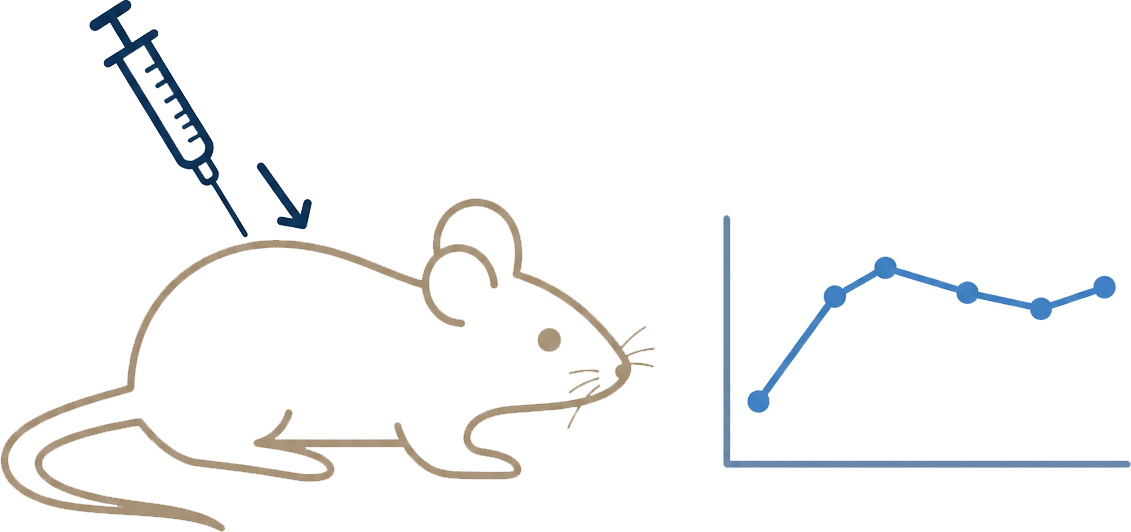
Creative Biolabs develops switch strategies that balance controllability with retained oncolytic potency. We evaluate whether the switch responds to a defined drug, inducer, tumor-specific condition, or genetic constraint while also monitoring viral rescue, infectious titer, replication kinetics, cytotoxicity, construct stability, and downstream compatibility with in vitro validation, toxicology planning, and in vivo controllability studies.

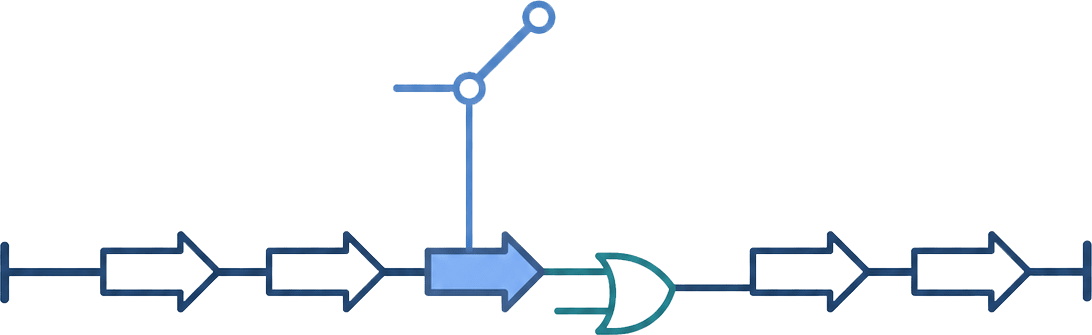
Controlled ReplicationDesign viral circuits that can be attenuated, conditionally activated, or shut down under defined experimental conditions.

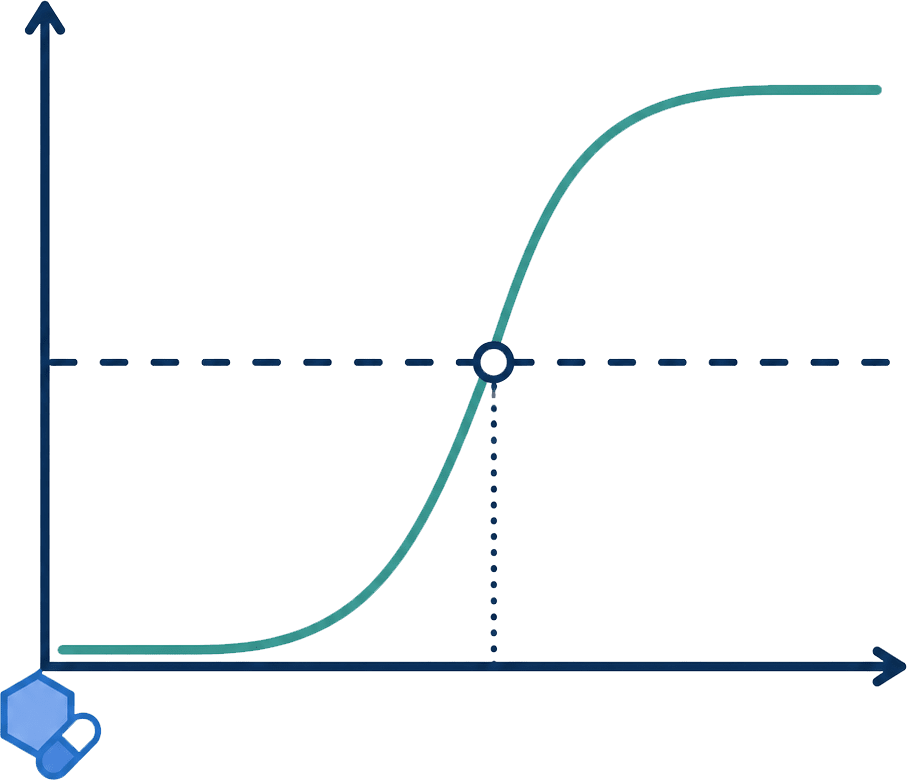
Manageable ExposureEvaluate drug-sensitive, inducible, suicide-gene, or reporter-tracer systems that help monitor and control candidate behavior.

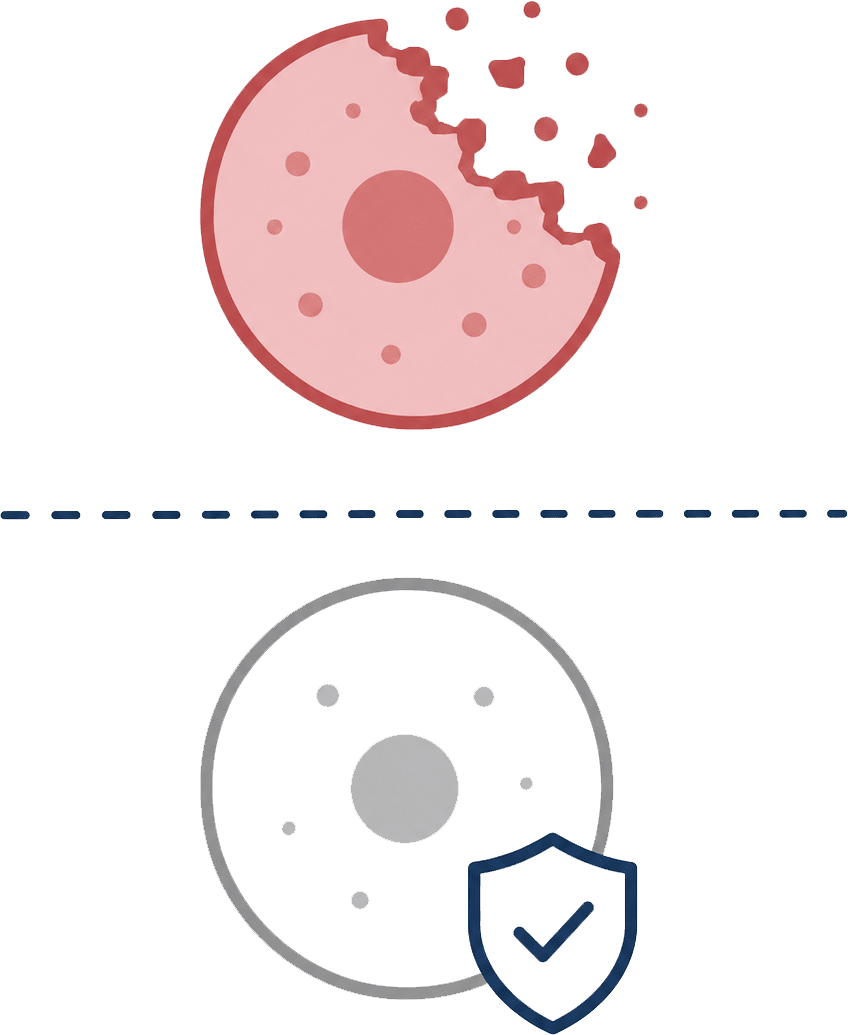
Safety-Potency BalanceRank designs by safety margin, viral fitness, antitumor activity, manufacturability, and next-step development fit.