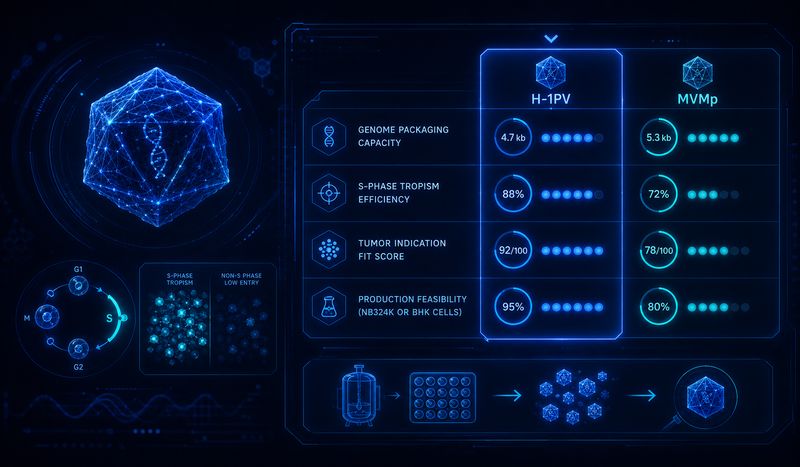
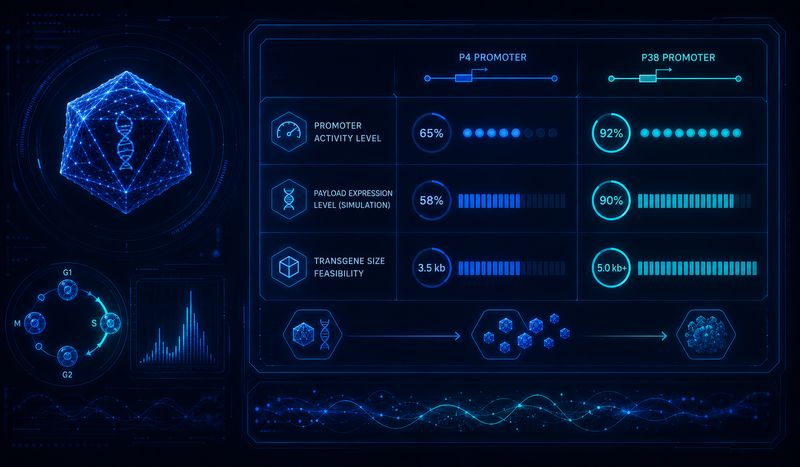
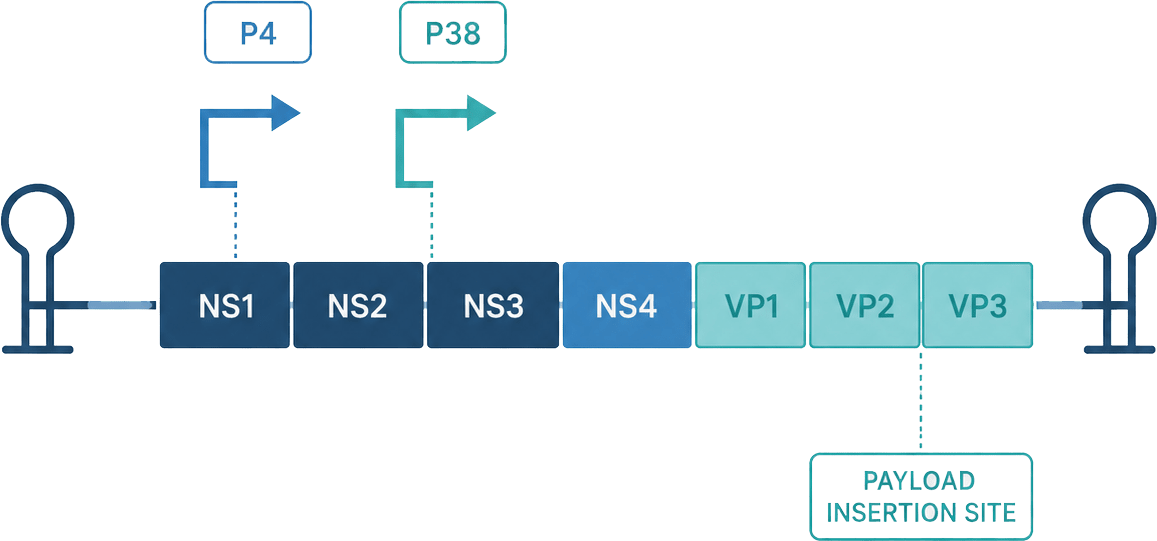
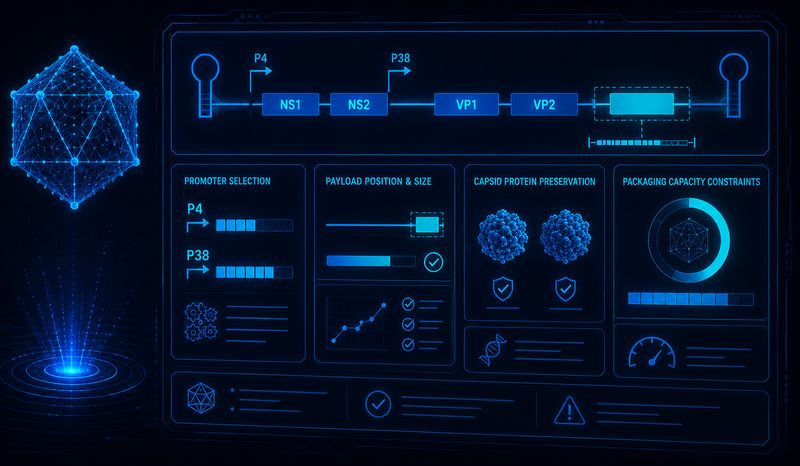
Oncolytic parvovirus development depends on more than selecting a naturally tumor-permissive virus. The compact DNA genome, replication requirements, packaging capacity, infectivity profile, host cell permissiveness, and production system all influence whether a parvovirus candidate can become a useful research-stage therapeutic platform.
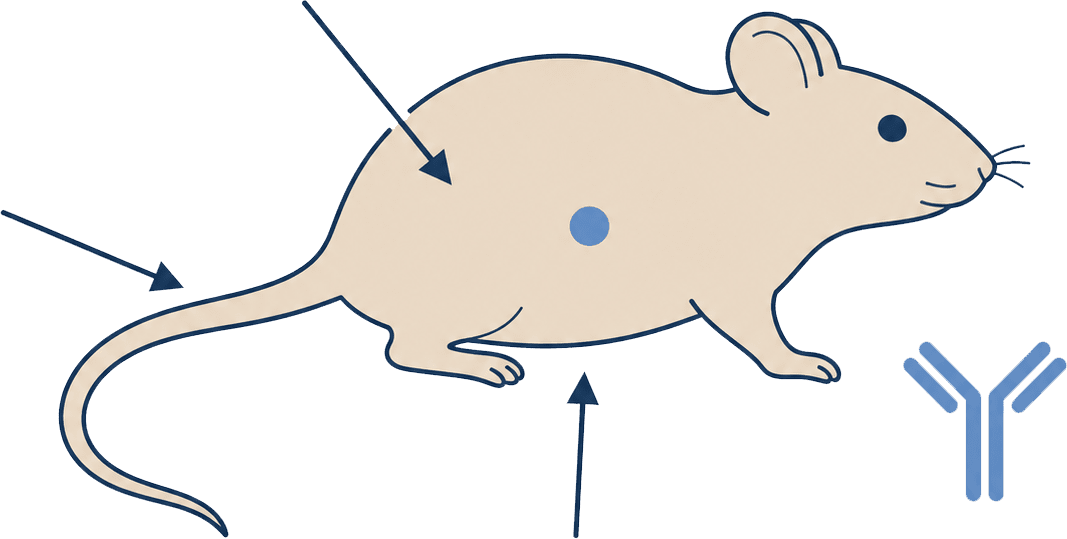
Creative Biolabs designs parvovirus engineering programs that connect genome design, recovery or rescue feasibility, viral expansion, titer measurement, genetic stability, tumor-selective replication, normal-cell safety comparison, and in vitro/in vivo validation. The goal is to turn a virus strain, sequence, infectious clone, or early construct concept into a ranked and experimentally supported development candidate.

Small DNA Virus FitAssess genome capacity, regulatory elements, payload burden, rescue feasibility, and production limits early.
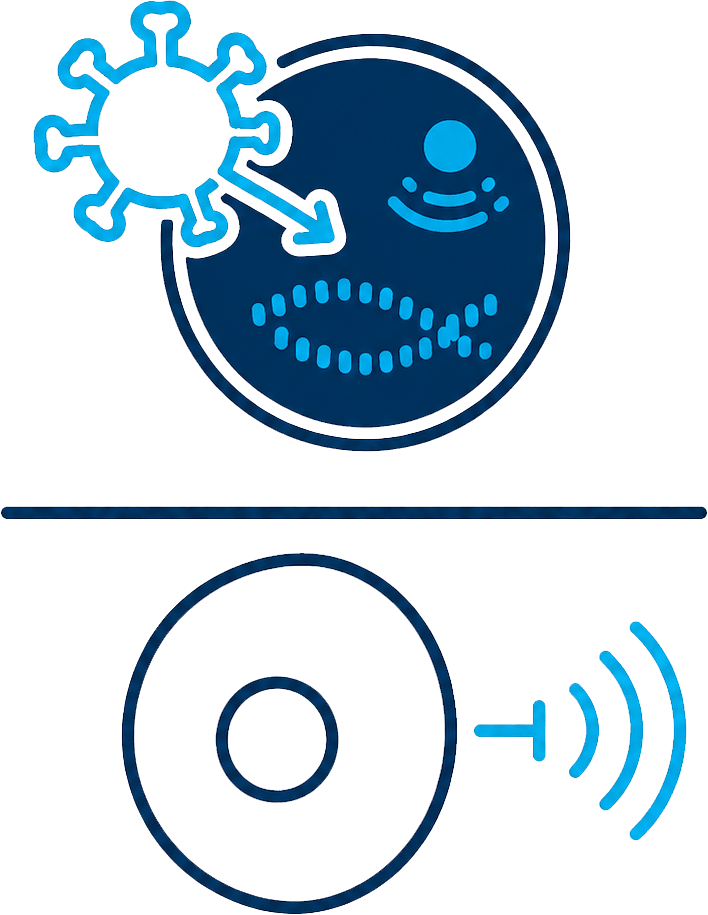
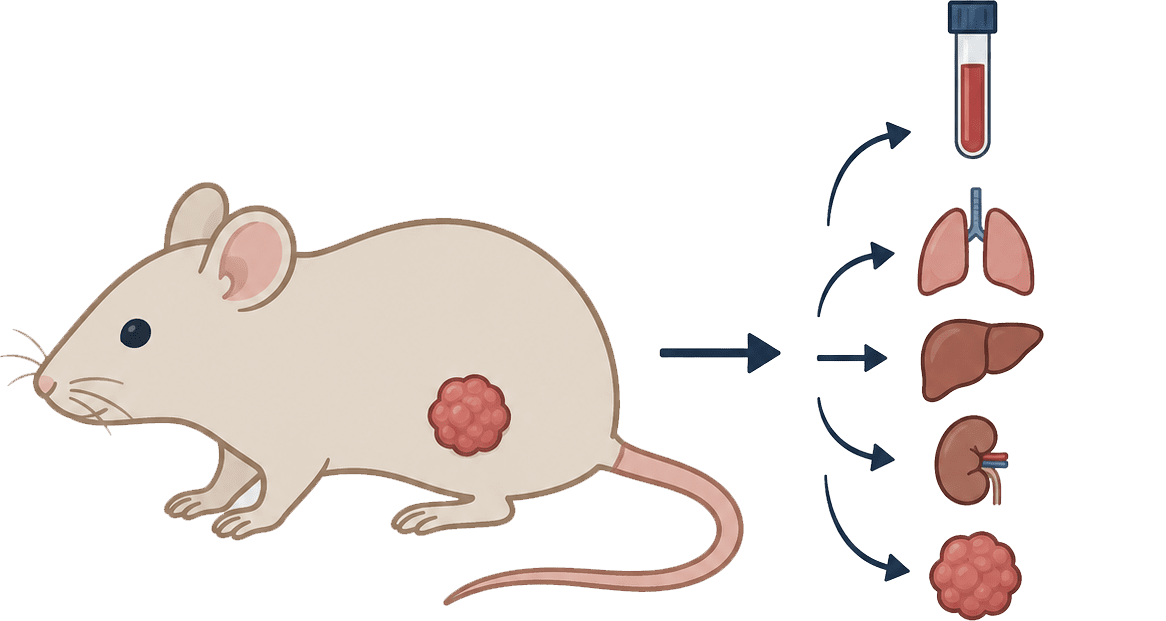
Tumor-Selective ReplicationCompare tumor permissiveness, normal cell background, replication output, cytotoxicity, and model relevance.

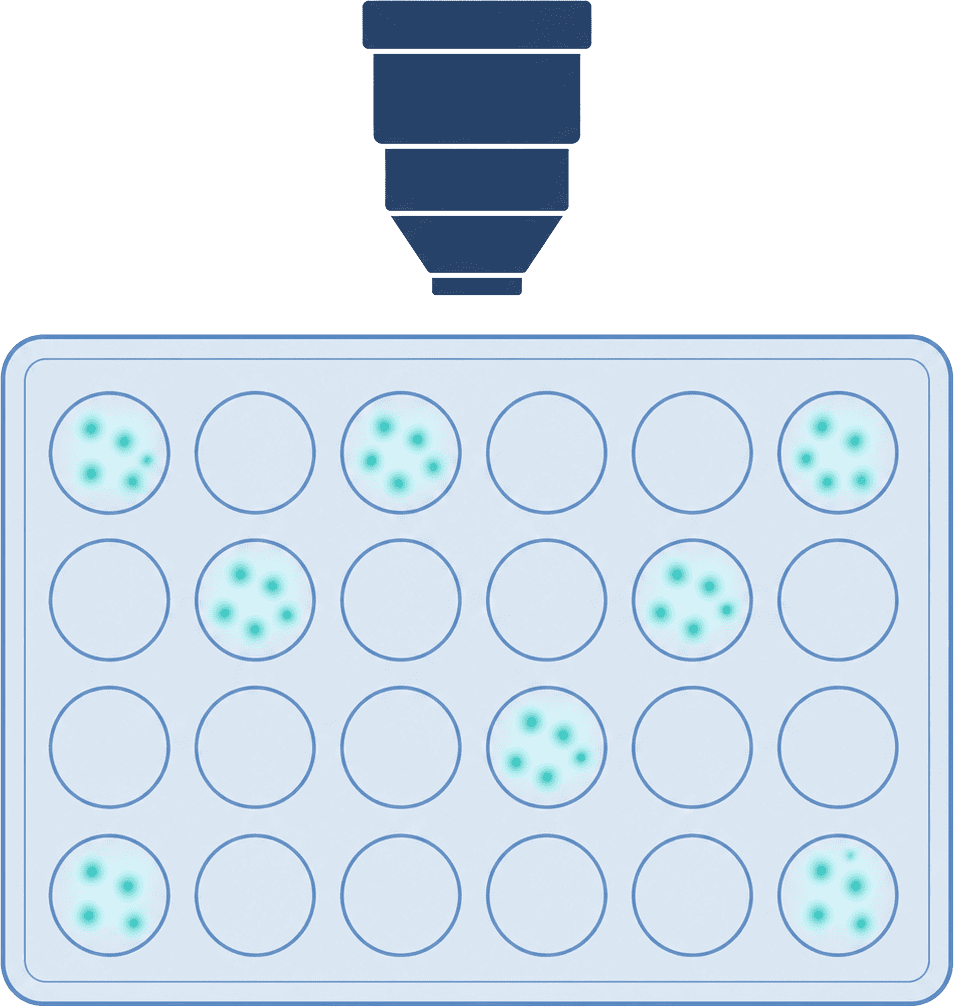
Production and QCLink construct design with expansion behavior, infectious titer, genome copies, stability, and usable material quality.