Transgene Payload Screening for Armed Oncolytic Viruses

OV Engineering Services · Payload Selection

Transgene Payload Screening for Armed Oncolytic Viruses

Arming an oncolytic virus with the right therapeutic payload can reshape the tumor microenvironment, amplify local immune activation, and support rational combination therapy design. Creative Biolabs provides transgene payload screening services to help researchers compare cytokines, chemokines, checkpoint-modulating molecules, bispecific engagers, prodrug-converting enzymes, tumor antigens, imaging genes, and other payload concepts within a practical oncolytic virus engineering workflow.

Armed oncolytic viruses depend on more than a promising therapeutic molecule. A payload must fit the viral backbone, remain expressible after genome insertion, preserve viral rescue and replication behavior, and produce a mechanism-relevant effect in the intended tumor or immune model.

Creative Biolabs builds payload screening plans that compare expression profile, secretion or localization, effect on viral fitness, tumor-directed function, immune activation pattern, construct stability, and downstream development fit. This creates a practical basis for prioritizing payloads before broader in vitro validation, combination therapy testing, or in vivo study planning.

Payload-to-Backbone FitAssess cassette size, expression format, viral rescue feasibility, replication impact, and stability risk.

Mechanism-Matched ReadoutsSelect assays for cytokines, checkpoint modulators, bispecific engagers, enzymes, antigens, or imaging genes.
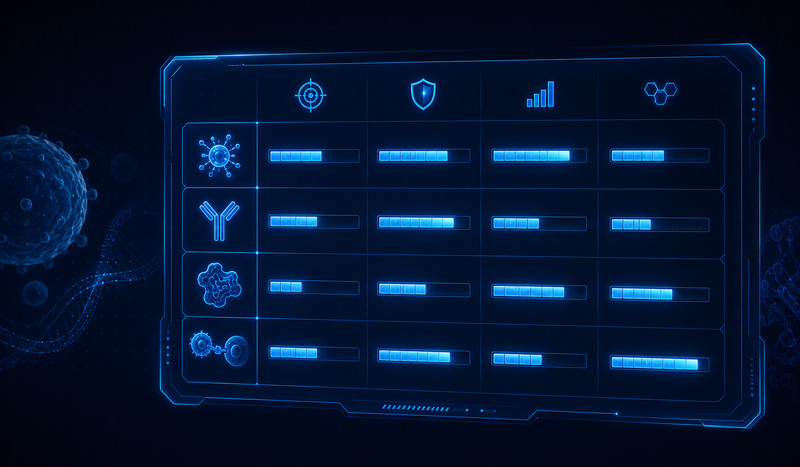
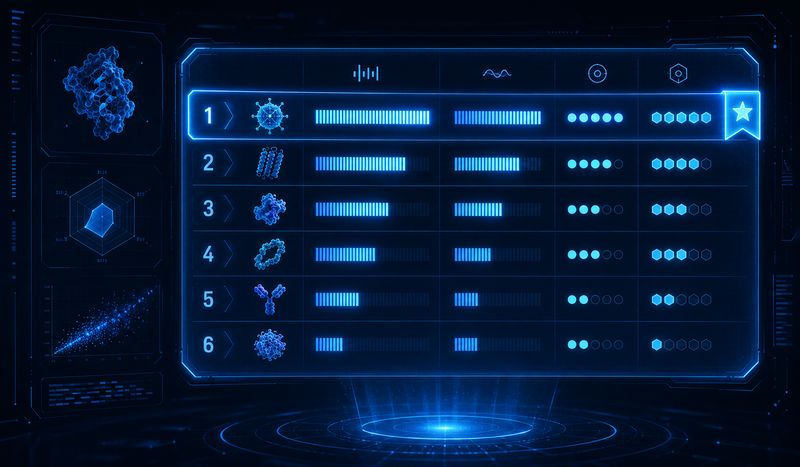
Development-Oriented RankingRank payloads by actionable evidence rather than expression strength alone.
Service Scope

From payload concept review to comparative construct evaluation

Creative Biolabs supports payload screening projects from early payload concept review to comparative construct evaluation. The service can be used as a stand-alone payload selection program or integrated into broader oncolytic virus design, construction, potency assay development, and combination therapy studies.

Payload landscape review
Module 01

Payload Landscape Review and Shortlist

Evaluate therapeutic rationale, tumor indication fit, mechanism of action, combination partner, translational risk, and available sequence information.

Typical output

Prioritized payload candidate list with rationale and recommended screening depth.

Payload category comparison
Module 02

Payload Category Comparison

Compare cytokines, chemokines, co-stimulatory ligands, checkpoint blockers, BiTE-like molecules, enzymes, tumor antigens, hNIS, and tracking genes.

Typical output

Payload category map aligned with target biology and intended development path.

Expression cassette design
Module 03

Expression Cassette Design

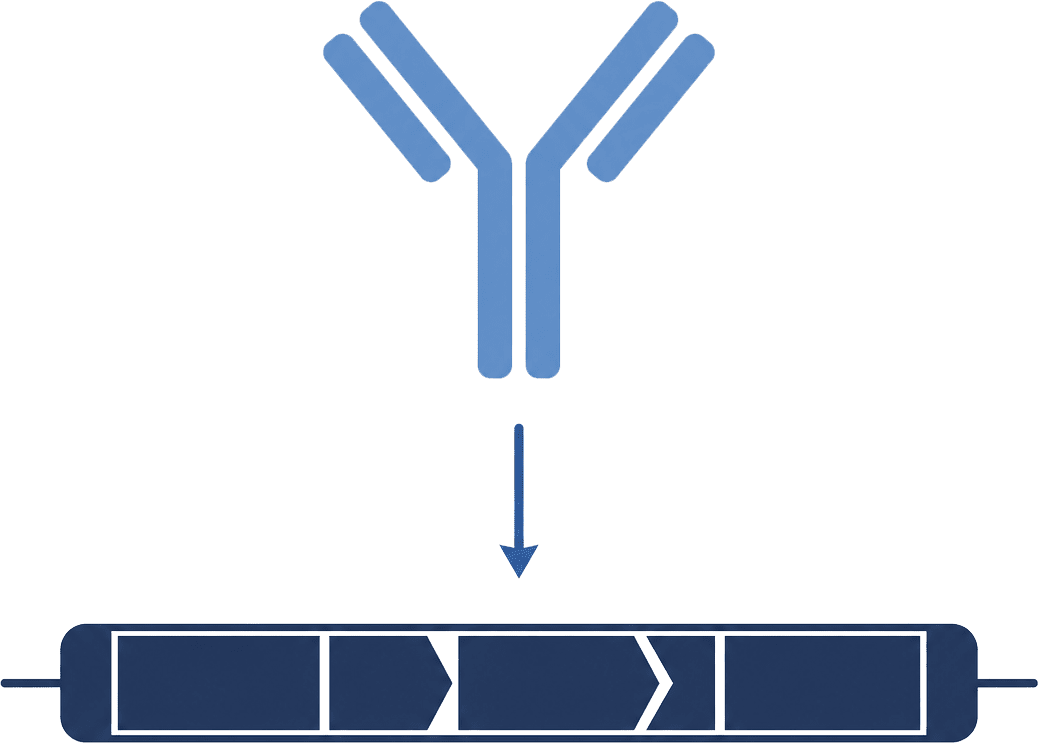
Review promoter choice, signal peptide, linker design, secretion versus anchoring, cleavage sequence, codon usage, orientation, and genome capacity constraints.

Typical output

Construct design plan, sequence-ready cassette design, and risk notes for cloning or viral rescue.

Prototype generation support
Module 04

Prototype Generation Support

Support small-panel construct preparation, viral rescue or production feasibility, and preliminary titer impact assessment where applicable.

Typical output

Payload-armed construct set prepared for expression and function testing.

Comparative expression analysis
Module 05

Comparative Expression Analysis

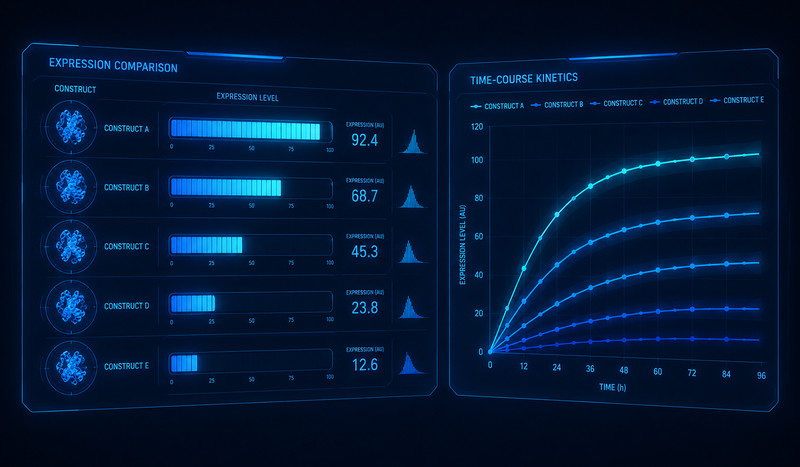
Measure payload mRNA or protein expression, secretion profile, cell-associated expression, dose response, and time-course behavior.

Typical output

Expression dataset with construct-to-construct comparison and recommended candidates.

Functional payload screening
Module 06

Functional Payload Screening

Run tumor killing, replication impact, immune activation, cytokine release, checkpoint modulation, prodrug conversion, or antigen presentation readouts according to payload class.

Typical output

Functional ranking report and recommended next-step validation assays.

Combination therapy alignment
Module 07

Combination Therapy Alignment

Assess payload compatibility with immune checkpoint blockade, adoptive cell therapy, bispecific engagers, chemotherapy, radiotherapy, or cancer vaccine strategies.

Typical output

Combination-oriented payload recommendation and study design suggestions.

Typical Starting Materials
  • Target tumor type, disease model, or combination therapy concept.
  • Preferred virus backbone or existing OV candidate, if already selected.
  • Payload sequences, literature-supported payload ideas, or desired mechanism of action.
  • Vector maps, plasmids, viral stocks, infected cell lysates, or previous expression and infectivity data, if available.
  • Preferred readouts, comparator payloads, target cell lines, immune cell source, and intended downstream application.
Technical Platforms

Fit-for-purpose assays for expression, viral performance, and mechanism

The technical package is customized according to the payload class, viral platform, target cell model, and decision point. Instead of applying a single assay panel to every payload, Creative Biolabs builds a testing matrix that separates expression feasibility, viral performance, tumor-directed activity, and immune mechanism readouts.

Molecular and cassette-level review
Design

Molecular and Cassette-Level Review

Sequence analysis, domain architecture review, signal peptide evaluation, linker and cleavage site design, codon optimization review, and genome capacity assessment.

Payload expression verification
Expression

Payload Expression Verification

qPCR or RT-qPCR, ELISA, western blot, flow cytometry, reporter readout, immunofluorescence, secretion analysis, and time-course profiling.

Virology readouts
Virology

Virology Readouts

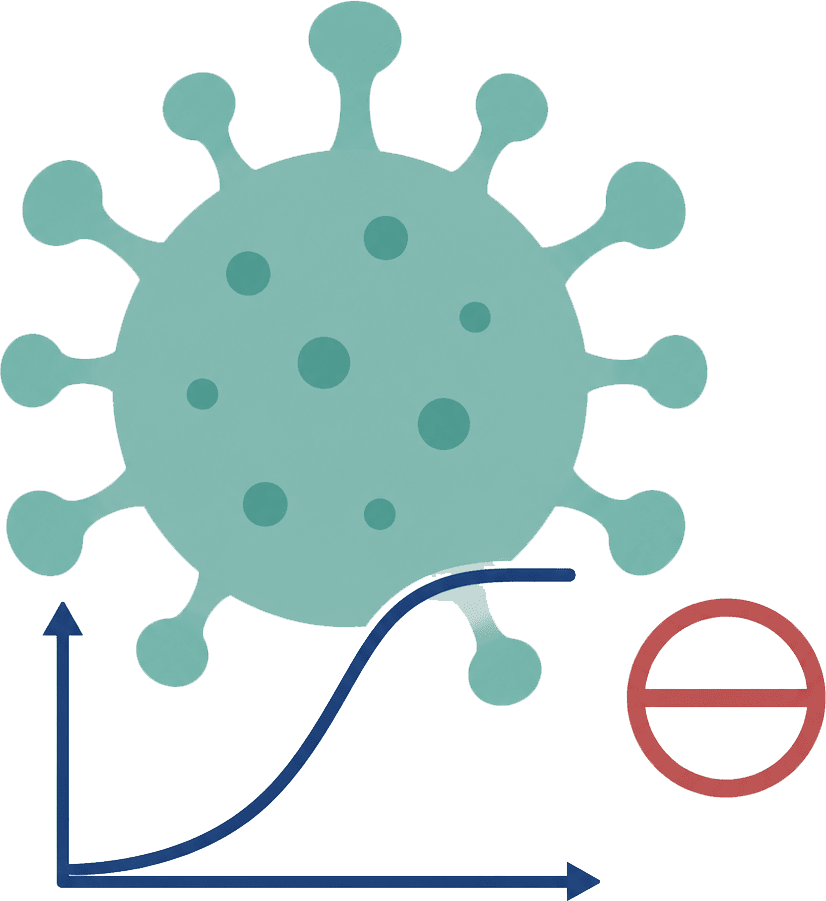
Viral rescue feasibility, infectious titer, genome copy analysis, replication kinetics, plaque phenotype, and selected passage stability checks.

Tumor cell activity assays
Potency

Tumor Cell Activity Assays

2D tumor cell panels, time-course cytotoxicity, replication-dependent killing, and spheroid or organoid-compatible assays when needed.

Immune mechanism assays
Immune

Immune Mechanism Assays

Immune cell co-culture, T cell or NK cell activation, cytokine/chemokine panels, antigen presentation-related markers, and checkpoint pathway readouts.

Combination readouts
Combination

Combination Readouts

Matrix dosing, sequential or concurrent treatment design, synergy analysis, checkpoint inhibitor or cell therapy co-culture models, and biomarker readouts.

Safety-oriented in vitro checks
Risk

Safety-Oriented In Vitro Checks

Normal cell comparators, excessive cytokine release flags, off-target activation indicators, and payload-dependent cytotoxicity profiling.

Payload Ranking Framework

A decision framework that weighs activity against viral fitness

Payload candidates are not ranked by a single expression endpoint. Creative Biolabs documents the criteria used to advance one payload over another, so the final recommendation remains transparent for internal R&D review, partner discussion, or follow-up study planning.

01

Mechanistic Fit

Match between payload biology, tumor microenvironment, suppressive pathway, antigen context, and intended combination partner.

02

Expression Behavior

Expression level, secretion or localization, timing relative to infection and lysis, and assay-detectable dose response.

03

Backbone Compatibility

Impact on viral rescue, infectious titer, genome capacity, replication kinetics, plaque phenotype, and selected stability observations.

04

Functional Activity

Tumor cell killing, immune cell activation, cytokine induction, checkpoint modulation, prodrug conversion, or antigen-related readouts.

05

Safety Signal Awareness

Normal cell comparator results, nonspecific cytokine release patterns, off-target activation indicators, and payload-dependent cytotoxicity flags.

06

Next-Step Feasibility

Readiness for optimized construction, in vitro validation, potency assay development, 3D model testing, or in vivo preclinical studies.

Recommended Workflow

A clear path from payload concept to ranked recommendation

The workflow begins with a design discussion and ends with a ranked payload recommendation. Depending on the starting point, the project may start from a payload concept list, a sequence-ready construct, an existing oncolytic virus backbone, or a preliminary armed OV candidate that requires comparative optimization.

Scope
Project scoping
01

Project Scoping

Define target indication, viral platform, payload concept, intended mechanism, model availability, and decision criteria.

Design
Payload and cassette design
02

Payload and Cassette Design

Review payload sequences, expression format, localization strategy, promoter/cassette architecture, and viral capacity constraints.

Intake
Prototype construction or sample intake
03

Prototype Construction or Sample Intake

Prepare payload-armed constructs or receive client-provided constructs, viral stocks, plasmids, sequences, or infected cell samples.

Express
Expression and viral performance testing
04

Expression and Viral Performance Testing

Measure payload expression and assess whether the transgene alters rescue, replication, titer, or genetic stability.

Screen
Functional and mechanism-focused screening
05

Functional and Mechanism-Focused Screening

Run tumor cell, immune co-culture, cytokine, checkpoint, engager, enzyme, or combination assays according to payload class.

Rank
Ranking and next-step recommendation
06

Ranking and Next-Step Recommendation

Integrate expression, activity, viral fitness, selectivity, and development feasibility into a final recommendation.

Timelines and material requirements depend on payload class, viral platform, number of candidates, need for construction or rescue, biosafety review, assay model availability, immune cell format, and whether combination or 3D tumor models are included.
Deliverables & Quality

A decision-ready evidence package for armed OV development

The final deliverable is designed to support a practical development decision rather than simply list assay results. Each report connects payload design choices with biological activity, viral performance, assay limitations, and recommended next steps.

Design Output

Payload shortlist and cassette package

Included

Payload candidate shortlist, scientific rationale, expression cassette design notes, sequence-level recommendations, and construct architecture summary.

Quality focus

Confirms assay relevance, comparator logic, control design, and payload burden considerations before extensive screening.

Expression Output

Expression verification and sample context

Included

Expression verification data with method, time point, dose or MOI context, sample type, secretion or localization information, and candidate-to-candidate comparison.

Quality focus

Documents experimental context so expression strength is not interpreted without timing, dose, and viral performance information.

Virology Output

Viral performance and stability observations

Included

Titer impact, replication kinetics, rescue feasibility, plaque phenotype, genome copy analysis, or selected stability readouts when included in scope.

Quality focus

Interprets payload activity together with viral fitness so a strong transgene is not advanced if it compromises the backbone.

Function Output

Mechanism-matched functional screening

Included

Tumor cell killing, immune cell activation, cytokine profile, checkpoint pathway modulation, prodrug conversion, antigen-related readouts, or combination response.

Quality focus

Uses endpoints selected for payload mechanism rather than a generic OV validation panel.

Decision Output

Payload ranking report

Included

Payload ranking matrix with decision criteria, risk flags, recommended candidates, and suggested follow-up work for in vitro validation, potency assay development, or in vivo studies.

Quality focus

Makes the reasoning behind inclusion, exclusion, or further optimization clear to project stakeholders.

Application Scenarios

When transgene payload screening adds the most value

This service is suitable when the central question is which therapeutic payload should be encoded by the oncolytic virus, not simply whether a virus candidate can kill tumor cells.

#
Scenario
Objective
Screening Emphasis
01
Immune-cold or poorly infiltrated tumors

Compare payloads that may recruit T cells, NK cells, dendritic cells, or myeloid modulators into the tumor microenvironment.

ChemokinesCytokinesImmune recruitmentCo-culture
02
OV plus checkpoint blockade programs

Evaluate whether local checkpoint-modulating payloads or immune-stimulatory payloads can support anti-PD-1/PD-L1, anti-CTLA-4, or related checkpoint strategies.

Checkpoint pathwaysT cell activationCytokine profileCombination logic
03
Adoptive cell therapy combinations

Screen payloads that may enhance CAR-T, TCR-T, NK cell, or bispecific immune engager activity in tumor models.

Immune engagersNK/T cell modelsTarget antigenKilling readouts
04
Payload burden troubleshooting

Identify whether a transgene reduces viral replication, expression stability, or overall antitumor performance.

Titer impactReplication kineticsCassette designStability
05
Prodrug or enzyme-armed OV concepts

Test whether enzyme expression is sufficient and functionally linked to prodrug-dependent tumor killing.

Enzyme activityProdrug responseDose matrixTumor killing
06
Translational candidate selection

Generate a payload ranking package that can guide construct finalization before potency assay development or animal studies.

Ranking matrixRisk flagsNext stepsDevelopment fit
Why Choose Creative Biolabs

Integrated OV engineering support for mechanism-driven payload decisions

Payload screening sits at the intersection of vector design and therapeutic mechanism. Creative Biolabs combines oncolytic virus engineering experience with payload design, molecular assay development, tumor cell testing, and immune functional readouts.

Mechanism

Assay panels are matched to the payload class and therapeutic hypothesis, improving the usefulness of the final comparison.

Flexibility

Projects can begin with payload concepts, sequences, plasmids, viral stocks, existing armed OV candidates, or a complete design brief.

Continuity

Payload screening can connect to virus construction, expression cassette optimization, in vitro validation, potency assay development, and preclinical planning.

Decision

Results are organized into a clear ranking matrix rather than a disconnected set of assay readouts.

Combination

Screening can be designed around checkpoint inhibitors, cell therapies, bispecific engagers, prodrug systems, chemotherapy, radiotherapy, or vaccine concepts.

Armed oncolytic virus payload screening workflow placeholder image
Evidence for payload selectionDesigned to balance transgene function, viral fitness, and the next development milestone.
Frequently Asked Questions

Common questions about transgene payload screening for armed OVs

Questions about applicable payload types, starting materials, comparison criteria, combination therapy readouts, safety-oriented checks, and what happens after payload selection.

Creative Biolabs can support screening of cytokines, chemokines, immune co-stimulatory ligands, checkpoint-modulating molecules, antibody fragments, bispecific immune engagers, prodrug-converting enzymes, tumor antigens, reporter genes, imaging-related genes such as hNIS, and customized payload concepts. The final list is selected according to the virus backbone, tumor indication, target mechanism, expression format, and intended downstream application.

A finalized backbone is helpful, but it is not always required. Some projects begin with an established OV candidate, while others start with payload concepts and a preferred virus platform. If the backbone is not fixed, the project can first clarify payload feasibility, cassette design, genome capacity, and compatibility considerations before construct generation or side-by-side payload testing.

Payloads are compared through a predefined ranking framework. Typical criteria include expression level, secretion or localization, effect on viral rescue and replication, tumor cell killing, immune activation, cytokine profile, pathway modulation, stability, and development risk. The final recommendation balances biological activity with viral performance and practical feasibility so that the selected payload is suitable for the next development step.

Yes. For combination-focused programs, Creative Biolabs can design assays around checkpoint inhibitors, adoptive cell therapies, bispecific engagers, prodrugs, chemotherapy, radiotherapy, cancer vaccines, or other treatment partners. The purpose is to identify payloads that support the intended combination mechanism rather than select a payload only by isolated expression strength.

Useful starting information includes the target cancer type, preferred viral platform, payload candidates or sequences, intended route of administration, comparator constructs, target cell models, immune cell model preferences, previous infectivity or expression data, and any downstream milestone such as potency assay development, broader in vitro validation, or animal study planning.

Early screening can include normal cell comparators, nonspecific cytokine release monitoring, excessive immune activation flags, viral fitness assessment, and construct stability checks. These assays do not replace formal toxicology studies, but they help identify payload-related risks before the candidate enters more advanced validation or preclinical development.

After payload selection, the recommended candidate can move into optimized construct generation, broader in vitro validation, potency assay development, 3D tumor model testing, combination therapy evaluation, biodistribution planning, or in vivo preclinical studies depending on the client's development stage and the evidence package generated during screening.

Request a Quote

Contact Creative Biolabs

To discuss a transgene payload screening project, please share your target indication, virus platform or candidate backbone, payload ideas or sequences, desired mechanism of action, available samples, preferred assay models, and intended next development milestone. Creative Biolabs can help design a screening plan that compares payload candidates with clear decision criteria and practical next-step recommendations.

Online Inquiry
! All products and services are for Research Use Only. Not For Clinical Use.