
Homobifunctional Crosslinkers
Introduction of Homobifunctional Crosslinkers
Homobifunctional crosslinkers are foundational reagents in biochemical research, characterized by symmetrical structures with two identical reactive groups connected by a spacer chain. These molecular "tethers" were initially developed to covalently link macromolecules (e.g., proteins, nucleic acids, or polymers) by targeting common functional groups, such as lysine ε-amino groups or N-terminal amines. For instance, mixing two proteins with a homobifunctional reagent allows their direct conjugation, creating hybrid molecules with combined functionalities. This approach has revolutionized the design of diagnostic probes and targeted therapeutics.
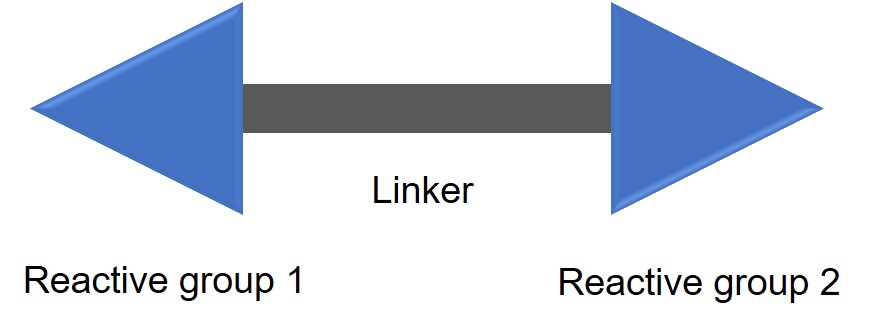 Fig.1 Structure of homofunctional crosslinker.
Despite their versatility, homobifunctional crosslinkers face a critical limitation: the production of heterogeneous conjugates. In single-step protocols, where proteins and crosslinkers are mixed simultaneously, reagents react indiscriminately, leading to a complex mixture of intra-/intermolecular crosslinks, oligomers, and even insoluble aggregates. For example, glutaraldehyde-mediated coupling of antibodies and enzymes often results in high-molecular-weight polymers that compromise functionality. To mitigate this, two-step methods were introduced: the first step activates one protein with excess crosslinker, followed by purification to remove unreacted reagents; the second step introduces the second protein. However, challenges persist. Activated intermediates (e.g., NHS esters) rapidly hydrolyze before secondary coupling, and even purified "activated" proteins may self-polymerize due to residual reactive ends.
Nevertheless, homobifunctional crosslinkers remain indispensable. Their simplicity and cost-effectiveness often outweigh drawbacks in applications where precise stoichiometry is noncritical. Glutaraldehyde-based antibody-enzyme conjugates, despite heterogeneity, are still widely used in ELISA and immunohistochemistry. Moreover, advances in spacer design (e.g., hydrophilic PEG chains) and cleavable linkers (e.g., disulfide bonds) now allow partial control over conjugation outcomes. Today, these reagents continue to underpin innovations in drug delivery, biomaterial engineering, and structural biology, proving that even "imperfect" tools can drive transformative science when applied strategically.
Classification of Homobifunctional Crosslinkers
These reagents are categorized based on their reactive groups and spacer properties:
-
Amine-Reactive Crosslinkers
N-Hydroxysuccinimide (NHS) Esters: React with primary amines (lysine residues) under mildly alkaline conditions (pH 7.5–8.5). These reactions result in the formation of stable amide bonds, which are resistant to hydrolysis and commonly used in protein complex stabilization. The efficiency of NHS ester reactions is influenced by factors such as pH, buffer composition, and the concentration of reactants. A common example is disuccinimidyl suberate (DSS), which is widely used due to its effectiveness in stabilizing protein complexes and its well-defined spacer arm length. Other NHS esters, such as disuccinimidyl glutarate (DSG) and bis(sulfosuccinimidyl) suberate (BS3), offer variations in spacer arm length and water solubility, providing researchers with a range of options for different experimental needs.
Imidoesters: Target amines to form amidine bonds, effective in low-pH environments. Unlike NHS esters, imidoesters react with primary amines to form amidine bonds. A key feature of amidine bonds is that they are positively charged, which can be advantageous in preserving the native state of proteins. Dimethyl adipimidate (DMA) is a typical example. Imidoesters are particularly useful in applications where maintaining protein solubility and minimizing structural alterations are critical. The reactions of imidoesters are often carried out at lower pH values compared to NHS esters. -
Sulfhydryl-Reactive Crosslinkers
Maleimides: Specifically react with thiol groups (cysteine residues) at neutral pH. Maleimide reactions are highly specific for sulfhydryl groups, making them valuable for selective conjugation. The reaction is typically performed at neutral pH to minimize side reactions with other functional groups. Bismaleimidohexane (BMH) is a frequently used example in the preparation of immunoconjugates, where antibodies are linked to toxins or other effector molecules. The specificity of maleimide crosslinkers ensures that the conjugation occurs at defined sites on the antibody, preserving its binding activity.
Pyridyl Disulfides: Enable disulfide exchange reactions, useful for reversible conjugation. Pyridyl disulfides offer a unique approach to crosslinking by forming new disulfide bonds through the exchange of existing ones. This reversibility is a significant advantage in applications where the release of conjugated molecules is required. -
Photoactivatable Crosslinkers
Contain aryl azide or diazirine groups that form covalent bonds upon UV irradiation. These crosslinkers are unique in that their reactivity can be precisely controlled by the application of UV light. Aryl azides and diazirines are relatively inert under normal conditions but become highly reactive upon photoactivation, generating reactive intermediates that can insert into various chemical bonds. Dithiobis(succinimidyl propionate) (DSP), while primarily an NHS-ester crosslinker, can be modified to incorporate photoactivatable groups, allowing it to capture transient interactions in live cells with high temporal resolution. This feature makes photoactivatable crosslinkers invaluable tools for studying dynamic biological processes. -
Cleavable vs. Non-cleavable
Cleavable: Incorporate disulfide or acid-labile bonds for post-analysis release (e.g., DSP with reducible disulfide bonds). Cleavable crosslinkers are designed to introduce a breakable link between the conjugated molecules. This feature is particularly useful in applications where it is necessary to separate the joined molecules after crosslinking. Disulfide bonds, for example, can be cleaved by reducing agents, while acid-labile bonds are broken under acidic conditions. DSP, which contains a disulfide bond, is a prime example of a cleavable crosslinker.
Non-cleavable: Provide permanent linkages for stable material fabrication (e.g., BS3 for irreversible protein crosslinking). Non-cleavable crosslinkers, on the other hand, form stable covalent bonds that cannot be broken under physiological conditions. These crosslinkers are essential for applications requiring long-term stability, such as the preparation of immobilized enzymes or the fabrication of durable biomaterials. BS3 is a non-cleavable crosslinker that is frequently used to create irreversible protein crosslinking.
Homobifunctional crosslinkers are versatile tools with a wide range of applications in diverse scientific disciplines. Their ability to form stable covalent bonds between molecules possessing identical functional groups makes them invaluable for stabilizing molecular interactions, creating defined structures, and synthesizing bioconjugates. As a global leader in bioconjugation, Creative Biolabs is your partner in precision conjugation solutions. We offer an extensive portfolio of homobifunctional crosslinkers and tailored conjugation services designed to address the challenges of traditional crosslinking strategies. Contact us now!