
Fluorophore-Conjugated ASO Development Service
Visualize your oligonucleotide therapeutics with high-fidelity tracking. From custom bioinformatic design to high-purity synthesis, we bridge the gap between in vitro potency and in vivo efficacy.
Elucidating the "Black Box" of Oligonucleotide Trafficking
Antisense Oligonucleotides (ASOs) are powerful tools for gene modulation, yet their journey from administration to target engagement remains obscured. We transform these "invisible" drugs into traceable probes.
The Visibility Challenge
Unmodified ASOs are virtually invisible to standard detection once administered. This opacity makes it nearly impossible to distinguish productive uptake from endosomal trapping.
The Fluorophore Solution
Covalently linking high-fidelity dyes enables live-cell imaging and dynamic tracking without relying on antibodies or radiolabeling.
Engineering Precision
We meticulously balance hydrophobicity and solubility, incorporating optimized backbones (PS) and stable linkers (C6, TEG) to ensure the label does not alter biodistribution.
End-to-End Development Capabilities
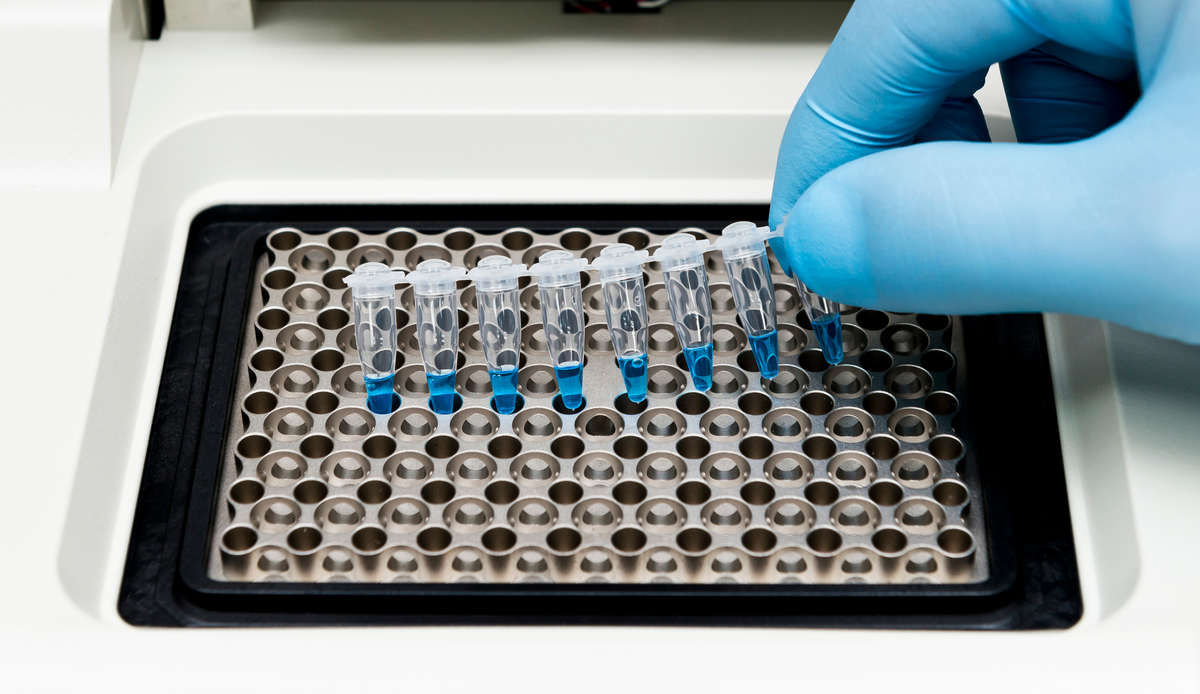
Extensive Fluorophore Library
- Inventory: FITC, FAM, TET, HEX, JOE for standard assays.
- Advanced Dyes: Cy3, Cy5, Cy5.5, and Cy7 for demanding microscopy and in vivo imaging.
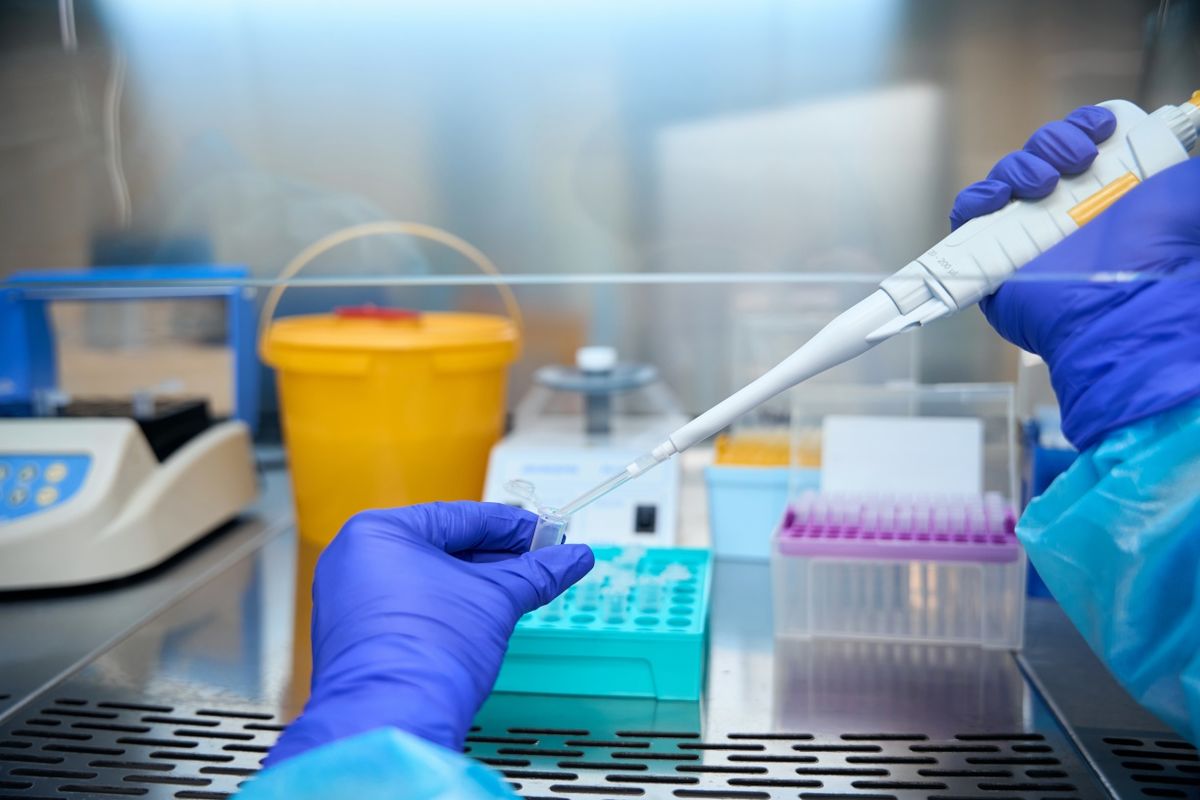
Flexible Synthesis Scale
- Range: From 50 nmol for cell culture to 10 grams for rodent studies.
- Grades: Desalt (crude), HPLC (>90%), PAGE (>95%), and In vivo grade (Endotoxin-free).

Advanced Chemistry
- Methods: Amino-coupling and Direct Phosphoramidite coupling.
- Click Chemistry: CuAAC and SPAAC for bioorthogonal labeling of sensitive dyes that cannot survive deprotection.
Labeling Strategy & Technology
The choice of labeling strategy dictates the stability, activity, and background noise of your probe. We provide flexible options tailored to your biological questions.
5' End Labeling
Most common strategy. Minimizes interference with 3' exonuclease activity (the primary degradation pathway in serum) and is less sensitive to steric hindrance regarding target hybridization.
3' End Labeling
Utilizes dye-linked CPG. The bulky dye moiety can provide additional protection against 3' exonucleases, enhancing in vivo stability. Used when 5' requires phosphorylation.
Internal Labeling
Attached via Amino-C6-dT modifiers. Essential for studies or quenching assays. Requires careful in silico design to avoid disrupting Watson-Crick base-pairing.
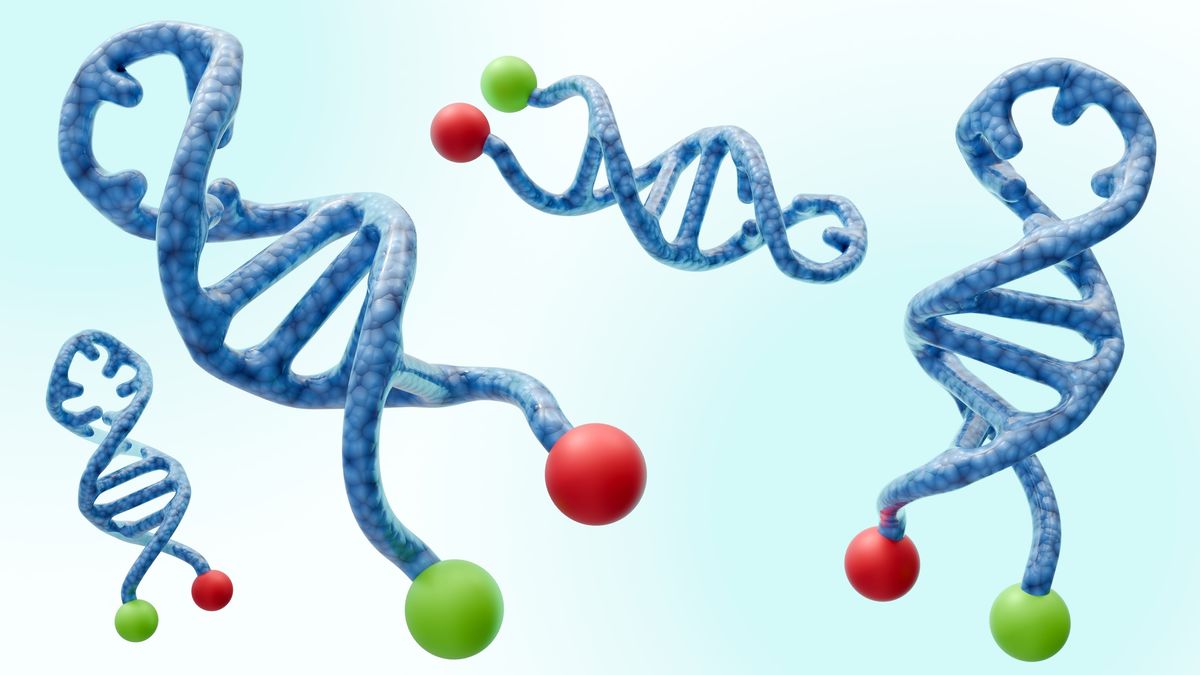
- 1. Post-Synthetic NHS Ester: Standard for dyes unstable in basic deprotection (e.g., Alexa Fluor).
- 2. Direct Phosphoramidite: Coupled during automated synthesis. Ideal for robust dyes like FAM/Cy3 to increase yield.
- 3. Click Chemistry: Specific reaction between Azide and Alkyne groups for large or sensitive fluorophores.
Maintaining Biological Efficacy
We don't just attach a label; we engineer a molecule that behaves like a drug. Through in silico optimization, we ensure the dye does not impact PK/PD.
- Gapmer Design: Optimization of LNA/cEt/MOE wings to maintain RNase H recruitment.
- Backbone Stabilization: Full or partial Phosphorothioate (PS) linkages.
- Linker Tuning: Selection of C6, C12, or TEG spacers to minimize quenching.
Spec Example
Applications of Fluorophore-Conjugated ASOs
Transform your oligonucleotide research with visual data. Our conjugates serve as indispensable tools across the entire drug discovery pipeline.
Cellular Uptake Kinetics
Quantify internalization rates with precision using Flow Cytometry. Distinguish between mere surface binding and productive intracellular uptake to determine true cellular dose and kinetics over time.
In Vivo Biodistribution
Track whole-body accumulation in real-time using NIR dyes (e.g., Cy5.5/Cy7) and IVIS imaging. Map specific localization in target tissues like liver, kidney, or CNS versus clearance pathways.
Subcellular Trafficking
Investigate the critical bottleneck of endosomal escape using high-resolution Confocal Microscopy. Co-localize probes with organelle markers (EEA1, LAMP1) to track movement from endosomes to cytosol or nucleus.
Target Engagement
Confirm physical binding to the specific mRNA target in situ. Utilize advanced FRET-based probe designs that only fluoresce upon hybridization to validate Mechanism of Action (MoA) directly in cells.
Live-Cell Imaging
Monitor dynamic behavior in physiologically relevant environments. Observe cellular entry, intracellular residence time, and recycling pathways in real-time without the artifacts introduced by fixation.
Delivery Vehicle Screening
Accelerate formulation development by screening LNPs, exosomes, or peptide conjugates. Rapidly assess encapsulation efficiency and compare cytosolic release capabilities using fluorescently loaded cargos.
Project Workflow
Consultation & Feasibility
Review of target sequence and application. Selection of optimal fluorophore to match excitation/emission filters.
In Silico Design
Screening for off-target effects and secondary structures. Determination of optimal labeling position and linker length.
Synthesis & Conjugation
Solid-phase synthesis with rigorous protection strategies. Fluorophore incorporation via coupling or post-synthesis reaction.
Purification & QC
HPLC purification to remove free dye. Validation via ESI-MS and optical verification of absorbance/emission maxima.
Delivery & Reporting
Shipment of lyophilized product with comprehensive Certificate of Analysis (CoA) and storage guidelines.
Strict QC for True Signal
Free dye artifacts are the enemy of precise imaging. We adhere to a multi-step quality assurance process to ensure what you see is your target, not an artifact.
Purity Analysis (HPLC/UPLC)
Ensuring purity >90% or >95% and absence of free fluorophores.
Mass Spectrometry (ESI-MS)
Confirmation of exact molecular weight and dye attachment.
Optical Verification
Verification of absorbance and emission maxima.
Endotoxin Testing
LAL chromogenic assays (< 5 EU/mg).
Frequently Asked Questions
Generally, end labeling has minimal impact as the dye is away from the Watson-Crick face. However, bulky dyes can affect uptake. We recommend in silico modeling and comparison with unlabeled controls for critical studies.
Selection depends on instrumentation (filters), application (NIR for in vivo vs Alexa Fluor for microscopy), and conditions (pH sensitivity). We assist in this selection process.
Yes. We can synthesize dual-labeled probes (e.g., Molecular Beacons with Quenchers) and dual-fluorophore probes for studies to measure conformational changes.
For standard fluorophores, turnaround is typically 2-3 weeks including purification and QC. Yield varies by sequence but we guarantee minimum delivered amounts.
Ready to Visualize Your Therapeutics?
Don't let the intracellular journey remain a mystery. Contact our oligonucleotide experts today to discuss your experimental goals, and let us design a probe that sheds light on your research.
Start Your Project Today
Tell us about your project, and our experts will get back to you with a customized quote and proposal.
