
ASO Conjugate
Development Services
Overcoming the delivery barrier is critical for the success of nucleic acid therapeutics. Creative Biolabs provides comprehensive Antisense Oligonucleotide (ASO) conjugation services—from GalNAc to Antibodies—to enhance cellular uptake and enable tissue-specific targeting.
Our Conjugation Services
We offer a diverse portfolio of conjugation strategies tailored to your specific therapeutic targets and delivery requirements.

Peptide Conjugated ASO
Utilization of Cell-Penetrating Peptides (CPPs) and targeting peptides to facilitate endosomal escape and enhance membrane penetration.
Learn more
Lipid Conjugated ASO
Conjugation with cholesterol, fatty acids, or tocopherol to improve hydrophobicity and extend circulation half-life via albumin binding.
Learn more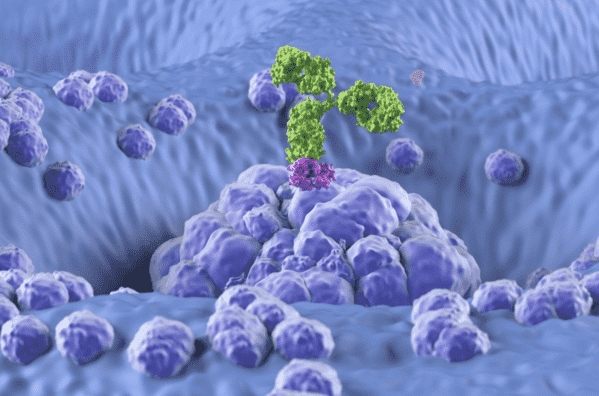
GalNAc Conjugated ASO
The gold standard for liver targeting. Attaching N-acetylgalactosamine (GalNAc) moieties to ASOs for specific delivery to hepatocytes via ASGPR.
Learn more
Polymer Conjugated ASO
Conjugation with PEG or other biocompatible polymers to reduce renal clearance, shield against nuclease degradation, and reduce immunogenicity.
Learn more
Small Molecule Conjugated ASO
Linking ASOs to specific ligands (e.g., folate, anisamide) for targeted delivery to cancer cells or specific tissue types expressing corresponding receptors.
Learn more
Fluorophore Conjugated ASO
Labeling ASOs with fluorescent dyes (e.g., FITC, Cy3, Cy5) for intracellular trafficking studies, biodistribution analysis, and imaging.
Learn more
Aptamer Conjugated ASO
Creating aptamer-ASO chimeras for highly specific, cell-type-selective delivery without transfection reagents, minimizing off-target effects.
Learn more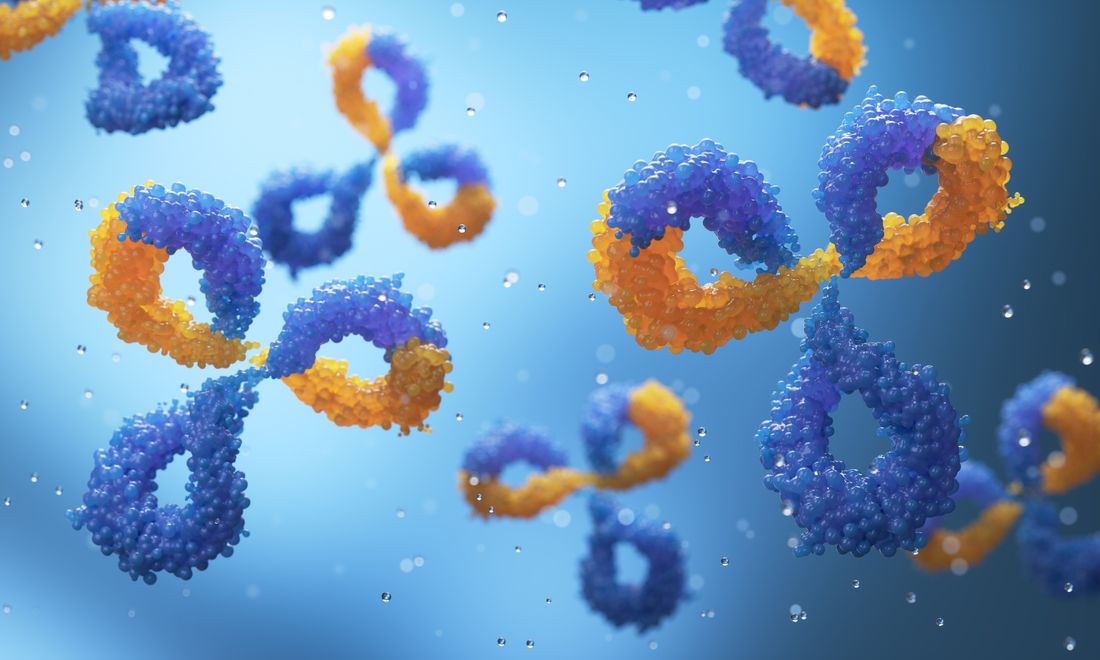
Antibody-Conjugated ASO (AOC)
Combining the precision of monoclonal antibodies with the potency of ASOs to deliver payloads directly to specific receptor-positive cells and tissues beyond the liver.
Learn moreOur Technology Platform for ASO Conjugate Development
Leveraging proprietary technologies to accelerate the discovery and optimization of next-generation nucleic acid therapeutics.
Bio-Orthogonal Conjugation Hub
Our platform utilizes advanced "click" chemistry (e.g., SPAAC, CuAAC) and enzymatic conjugation methods to attach ligands to ASOs with high specificity and yield, ensuring no interference with the antisense activity.
Linkerology Optimization
We design smart linkers that balance circulation stability with efficient intracellular release. Our library includes redox-sensitive, pH-sensitive, and enzyme-cleavable linkers tailored for specific tissue microenvironments.
High-Resolution Analytics
Integrated with high-resolution LC-MS, NMR, and HPLC, our analytical platform ensures precise characterization of Drug-to-Antibody Ratio (DAR), conjugation sites, and purity (>95%) for IND-enabling studies.
Applications of ASO Conjugates
By modifying the physicochemical properties of ASOs through targeted conjugation, we enable a wide range of therapeutic and research applications that were previously inaccessible.
"By attaching a "targeting key" (ligand) to the ASO, developers can unlock specific cell types, lower the required dose, and reduce side effects."
High-Potency Hepatocyte Targeting
GalNAc conjugation utilizes the asialoglycoprotein receptor (ASGPR), which is abundantly and exclusively expressed on hepatocytes. This allows for the delivery of ASOs with exceptional potency and specificity, significantly reducing the required dose for metabolic disease treatments and minimizing renal accumulation.
Impact of Conjugation
Comparison of key properties across different conjugation strategies.
| Conjugation Type | Target Receptor | Uptake Efficiency | Primary Benefit |
|---|---|---|---|
| GalNAc | ASGPR (Liver) | Very High | Liver specificity & high potency |
| Antibody (AOC) | Specific Antigens (e.g., TfR1) | High | Extra-hepatic targeting (Muscle/CNS) |
| Lipid (Cholesterol) | Lipoprotein Receptors | Broad | Systemic distribution & PK |
| Peptide (CPP) | Cell Membrane / Endosome | High | Endosomal escape |
| Polymer (PEG) | Passive Shielding | Low | Stealth & Reduced Clearance |
Workflow of ASO Conjugation
Streamlined from design to delivery.
Design & Selection
Consultation to select optimal ligands (GalNAc, Antibody, Lipid) and linker chemistry (cleavable vs. non-cleavable) tailored to your target tissue.
Synthesis
Solid-phase synthesis of the ASO backbone (PS, 2'-OMe, MOE) incorporating precise functional groups (amino, thiol, alkyne) for conjugation.
Conjugation
Coupling of the ligand to the ASO using advanced chemistries (Click, Amide bond), followed by rigorous HPLC purification.
QC & Analysis
Comprehensive characterization via LC-MS (MW) and HPLC (purity) to ensure the final product meets preclinical standards (>90% purity).
Why Choose Creative Biolabs?

Extensive Ligand Library
Access pre-validated ligands including GalNAc clusters, lipophilic moieties, antibodies, and peptides.

Smart Linkers
Stable, acid-labile, and reduction-sensitive linkers to control payload release within the cell.

High Purity & Yield
Optimized protocols maximize yield while minimizing side reactions, ensuring >90% purity.

Analytical Excellence
Rigorous QC with high-resolution MS and HPLC confirms identity and purity.

Fully Customizable
Custom synthesis from sequence design to specific conjugation sites (5' end, 3' end, or internal).

One-Stop Solution
From ASO design and synthesis to conjugation, purification, and in vitro screening.
Customer Success Stories

Dr. Sarah Jenkins
Principal Investigator
"We were struggling with in vivo delivery to hepatocytes. Creative Biolabs synthesized a GalNAc-conjugated version of our sequence. The increase in potency was remarkable—gene knockdown at a fraction of the previous dose."

Mark Thompson
Senior Scientist
"The team helped us attach a fluorophore for tracking studies. The labeling efficiency was high and the signal stable. Their technical support regarding linker choice for endosomal escape was invaluable."
Frequently Asked Questions
Linker chemistry is critical for the stability and efficacy of the conjugate. We design linkers based on the specific application:
- Cleavable Linkers: Engineered to release the free ASO payload within specific intracellular environments (e.g., acidic endosomes or reducing cytoplasm).
- Non-cleavable Linkers: Designed for maximum stability in circulation; suitable when the ASO retains activity while attached to the ligand.
We carefully optimize linker hydrophobicity, length, and attachment sites to ensure the conjugation does not interfere with the ASO's hybridization to its target RNA.
Unmodified ASOs often suffer from rapid nuclease degradation and fast renal clearance. Conjugation significantly enhances these properties by:
- Increasing Stability: Protecting the oligonucleotide backbone from nuclease attack.
- Tissue Specificity: directing the drug to specific tissues (e.g., liver targeting via GalNAc), which minimizes off-target toxicity.
- Potency: Improving cellular uptake allows for lower dosing regimens and a wider therapeutic window.
Due to the complexity of conjugation reactions, high purity is essential. Our rigorous QC process includes:
- Purification: Utilizing Reversed-Phase HPLC (RP-HPLC) or Ion Exchange Chromatography (IEX) to remove unreacted ASOs, free ligands, and failure sequences.
- Characterization: Confirming molecular weight and identity using High-Resolution LC-MS.
- Purity Analysis: Ensuring the final product meets strict purity standards (typically >90% or >95%) and endotoxin limits suitable for pre-clinical studies.
We offer flexible synthesis scales to support various stages of drug development.
- Discovery Scale (Microgram to Milligram): Ideal for high-throughput screening of multiple conjugate candidates to identify the best lead.
- Pilot Scale (Gram to Multi-gram): Suitable for animal studies (PK/PD/Tox) and process development.
- Customization: We can adapt our synthesis and conjugation protocols to accommodate specific chemical modifications or proprietary ligands provided by the client.
Start Your Project Today
Tell us about your project, and our experts will get back to you with a customized quote and proposal.
