
CRISPR Interference (CRISPRi) Screening Service
CRISPRi is a gene silencing method that allows precise and reversible repression of gene expression without modifying the DNA. Compared to RNA interference, CRISPRi offers greater specificity and fewer off-target effects, making it ideal for loss-of-function studies. It is especially useful for analyzing essential genes, identifying pathway suppressors, and validating drug targets. Creative Biolabs delivers a complete CRISPRi screening service, featuring high-coverage sgRNA libraries, efficient lentiviral delivery, and robust data analysis to support accurate gene function discovery and target identification.
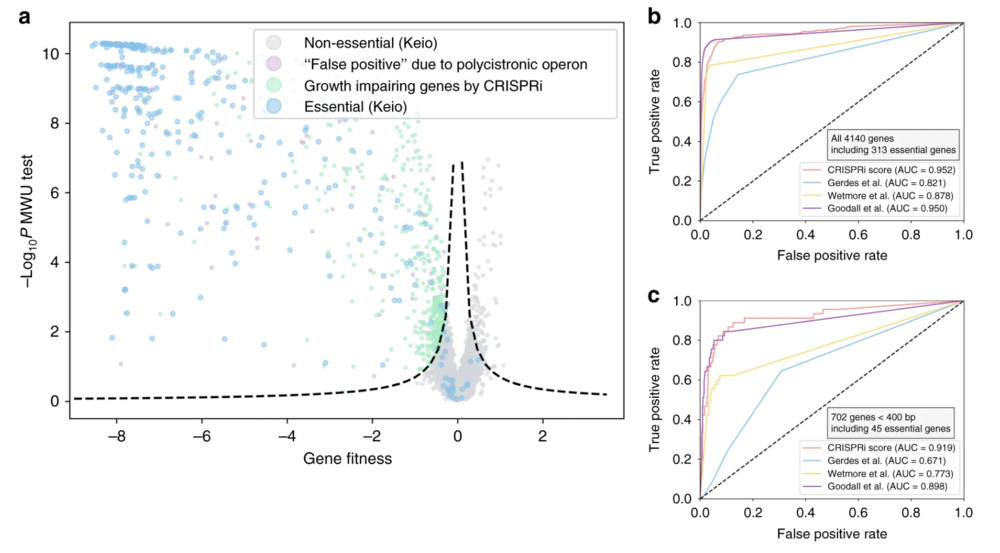 Figure 1. Predicting E. coli essential genes from CRISPRi screening.1
The Science of CRISPRi - A Paradigm Shift in Gene Silencing
While traditional CRISPR-Cas9 revolutionized gene knockout, the permanent nature of DNA cleavage limits its utility in specific contexts—particularly when studying essential genes whose ablation causes immediate cell death. CRISPR Interference (CRISPRi) elegantly bypasses this limitation.
How CRISPRi Works?
CRISPRi utilizes a catalytically inactive, "dead" Cas9 (dCas9) that has lost its endonuclease activity but retains its remarkable RNA-guided DNA binding capability. To transform this binding event into a robust silencing mechanism, dCas9 is fused to a potent transcriptional repressor domain, most commonly the Krüppel-associated box (KRAB).
When guided by a highly specific single guide RNA (sgRNA) to the promoter region or Transcriptional Start Site (TSS) of a target gene, the dCas9-KRAB complex creates a steric blockade. Furthermore, the KRAB domain recruits endogenous chromatin-remodeling complexes (such as KAP1), which induce local heterochromatin formation through histone methylation (e.g., H3K9me3) and deacetylation.
CRISPRi vs. RNAi vs. CRISPR Knockout — Why Choose CRISPRi?
Choosing the right genetic perturbation tool is critical for the success of any functional genomics project. CRISPRi offers distinct biological advantages over legacy RNA interference (RNAi) and traditional CRISPR knockout (CRISPRko) methods.
01 CRISPRi vs. RNAi (siRNA/shRNA)
For over a decade, RNAi was the gold standard for gene knockdown. However, RNAi operates post-transcriptionally in the cytoplasm, leading to inherent limitations.
- Superior Specificity: RNAi frequently suffers from pervasive off-target effects due to microRNA-like binding to unintended transcripts. CRISPRi binds directly to genomic DNA with exquisite precision, virtually eliminating off-target silencing.
- Nuclear Targets: RNAi cannot effectively target non-coding RNAs (lncRNAs) or transcripts that remain in the nucleus. CRISPRi silences the gene at the locus, making it the perfect tool for interrogating nuclear non-coding RNAs.
- Uniformity: CRISPRi achieves highly consistent knockdown levels (often >90-95%), whereas RNAi efficacy can vary wildly depending on transcript abundance and turnover rates.
02 CRISPRi vs. CRISPR Knockout (CRISPRko)
While CRISPRko creates complete null alleles, it relies on introducing DNA double-strand breaks (DSBs), which can trigger DNA damage responses (e.g., p53 activation) and cause non-specific cellular toxicity.
- Essential Gene Interrogation: Knocking out essential genes causes rapid cell death, masking nuanced phenotypes. CRISPRi allows for tunable, partial repression, enabling researchers to study the function of essential genes without lethal toxicity.
- No DNA Damage Toxicity: By repressing transcription epigenetically, CRISPRi avoids DSB-induced cell cycle arrest and genomic instability, providing a cleaner biological background for phenotypic assays.
- Isoform Specificity: By targeting specific promoters or alternative transcription start sites, CRISPRi can dissect the roles of specific transcript isoforms, a feat highly challenging with traditional CRISPRko.
Introduction of CRISPR Interference (CRISPRi) Screening Service
CRISPR Interference (CRISPRi) is a powerful transcriptional repression technique that enables targeted downregulation of gene expression without introducing any changes to the DNA sequence. This approach employs a nuclease-deactivated Cas9 (dCas9) coupled with transcriptional repressor domains like KRAB to inhibit gene expression. Guided by sequence-specific sgRNAs, the dCas9-repressor complex binds to promoter or regulatory regions of target genes, thereby blocking transcription initiation or elongation and effectively silencing gene activity. CRISPRi has become an essential tool for loss-of-function studies, offering higher specificity and fewer off-target effects than traditional RNAi approaches. It avoids the complications of partial knockdown and immune activation, making it particularly valuable for studying essential genes, mapping regulatory pathways, and discovering gene suppressors in disease models. Genome-wide CRISPRi libraries are designed to target nearly all protein-coding genes, typically using 4–6 sgRNAs per gene, allowing for systematic interrogation of gene function at scale and enabling researchers to identify genes involved in phenotypes such as drug response, cell fitness, and stress resistance.
Our Comprehensive CRISPRi Screening Services
Whether you are seeking to identify novel therapeutic targets across the entire genome or dissect a specific biochemical pathway, Creative Biolabs offers scalable CRISPRi screening solutions tailored to your unique biological question. Our services are deeply rooted in wet-lab excellence, utilizing state-of-the-art facilities to handle challenging cell lines and complex phenotypic readouts.
Genome-Wide CRISPRi Screening
Our genome-wide libraries cover the entirety of the human or mouse protein-coding genome. Utilizing highly optimized sgRNA designs, this unbiased approach is ideal for discovery-phase research.
Custom & Pathway-Focused CRISPRi Screening
For researchers with a specific focus, screening the entire genome is often unnecessary and resource-intensive. Creative Biolabs specializes in the rapid construction of custom sub-libraries targeting specific gene families or functional networks.
Non-Coding RNA (lncRNA & miRNA) CRISPRi Screening
Unlike protein-coding genes, non-coding RNAs are notoriously difficult to study using traditional knockout or RNAi methods. CRISPRi represents the definitive tool for lncRNA loss-of-function studies. We design custom sgRNA libraries targeting the precise promoters of lncRNAs, ensuring robust silencing without perturbing neighboring genes.
CRISPRi Screening Formats Available at Creative Biolabs
| Screening Format | Main Objective | Typical Readout | Suitable Applications |
|---|---|---|---|
| Genome-Wide CRISPRi Screen | Identify genes associated with a phenotype at scale | sgRNA enrichment or depletion | Target discovery, pathway mapping, fitness screening |
| Focused Library Screen | Study a defined gene set or pathway | Candidate gene ranking | Pathway validation, immune gene screening, druggable target studies |
| Drug Response Screen | Identify genes affecting sensitivity or resistance | Treated vs. control sgRNA abundance | Resistance mechanism discovery, combination strategy research |
| Viability/Fitness Screen | Detect genes required for growth or survival | Depleted sgRNAs over time | Essential gene analysis, disease model dependency |
| Reporter-Based Screen | Link gene repression to reporter signal change | FACS or reporter enrichment | Signaling pathway studies, transcriptional regulation |
| Custom Phenotype Screen | Address project-specific biological endpoints | Customized assay readout | Disease model studies, functional validation |
Workflow of CRISPR Interference (CRISPRi) Screening Service
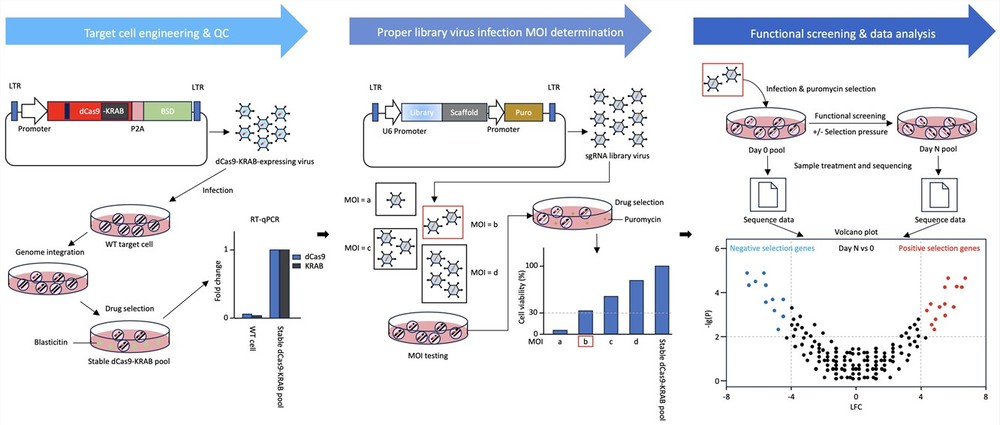 Figure. 2 Workflow of our CRISPRi screening service.
Strategic Application Areas in Gene Research
Creative Biolabs' CRISPRi screening platform is a powerful engine for discovery across multiple therapeutic areas.
1. Oncology: Identifying Synthetic Lethality and Drug Resistance
Cancer cells frequently rewire their metabolic and signaling pathways. CRISPRi screens are highly effective at identifying "synthetic lethal" gene pairs—where targeting a specific gene is uniquely lethal to cancer cells harboring specific oncogenic mutations.
2. Immunology and Immuno-Oncology
Understanding how immune cells (like T-cells and Macrophages) respond to the tumor microenvironment is vital. CRISPRi can be used to screen for immune checkpoints or metabolic regulators that, when repressed, enhance the cytotoxicity and persistence of engineered T-cells (e.g., CAR-T).
3. Infectious Disease and Virology
Viruses rely entirely on host cell machinery to enter, replicate, and exit. By performing a CRISPRi screen on host cells exposed to viral pathogens, researchers can identify critical host-dependency factors. Repressing these essential host genes provides insights for developing broad-spectrum, host-directed antiviral therapeutics.
4. Neuroscience and Neurodegenerative Diseases
Using patient-derived iPSCs differentiated into neurons or microglia, our CRISPRi screens can interrogate the genetic factors contributing to protein misfolding, cellular toxicity, and neuroinflammation seen in Alzheimer's and Parkinson's diseases. The lack of DNA damage makes CRISPRi uniquely suited for fragile, post-mitotic neuronal models.
Reasons to Choose Creative Biolabs
- Integrated CRISPRi screening support - From sgRNA library design and lentiviral delivery to screening execution and result interpretation.
- Flexible project design - Genome-wide, focused, pathway-specific, or fully customized CRISPRi screening options.
- Strong gene regulation expertise - Experienced support for dCas9-repressor systems and transcriptional repression studies.
- Reliable experimental workflow - Optimized transduction, selection, library coverage, sequencing, and QC control.
- Actionable result delivery - Clear candidate gene ranking, screening summary, and follow-up validation suggestions.
- Customized for your research goal - Screening strategies tailored to drug response, pathway mapping, essential gene analysis, or target validation.
Result Delivery
We provide comprehensive, publication-ready deliverables to ensure you have everything needed to advance your therapeutic pipeline.
- Validated Reagents: Aliquots of the packaged lentiviral library and/or the customized stable dCas9-KRAB cell line.
- Comprehensive Project Report: A detailed experimental log containing all protocols, MOI calculations, FACS plots, and cell viability curves.
- Raw Data: Raw FASTQ files.
- Analyzed Data Package: A curated Excel/CSV file containing normalized sgRNA read counts, log2 fold-changes, p-values, and false discovery rates (FDR) for every gene.
- Data Visualization: Volcano plots, scatter plots, and pathway enrichment graphs to help you visualize the most biologically relevant hits immediately.
Customer Reviews

Frequently Asked Questions
Q: How do I know if CRISPRi is better suited for my project than CRISPR Knockout?
A: If your study involves essential genes, non-coding RNAs, or requires a reversible and non-toxic suppression method without causing DNA breaks, CRISPRi is the optimal choice. It is highly recommended for sensitive cell types that respond poorly to the DNA damage triggered by CRISPR Cas9 cutting.
Q: Can you perform CRISPRi screening in primary cells or non-dividing cells?
A: Yes. While challenging, our lentiviral delivery systems are optimized for broad tropism. We can package our libraries using VSV-G or customized envelopes to maximize entry into primary cells. However, maintaining sufficient library coverage in primary cells requires careful scale-up, which our experts will discuss with you during the consultation.
Q: How many sgRNAs do you use per gene in your libraries?
A: For standard genome-wide libraries, we typically use 4 to 6 independent sgRNAs per target gene, alongside hundreds of non-targeting control sgRNAs. This redundancy is crucial for statistical analysis and mitigating any potential off-target effects or inefficient guides.
Q: Do I need to provide the cells, or can Creative Biolabs source them?
A: We are highly flexible. You can ship your proprietary cell lines to our facility, or we can source standard commercial cell lines (e.g., from ATCC or DSMZ) on your behalf. We will validate the cells for mycoplasma and viral transduction efficiency prior to initiating the screen.
Q: What is the main difference between CRISPRi and CRISPR knockout screening?
A: CRISPR knockout screening disrupts genes by inducing DNA cleavage and indel formation, while CRISPRi represses gene transcription without cutting DNA. CRISPRi is especially useful when reversible or partial loss of function is preferred. It can also be advantageous for studying essential genes or avoiding DNA damage-related artifacts.
How CRISPR Interference (CRISPRi) Screening Service Can Assist Your Project
At Creative Biolabs, our CRISPRi screening service follows a meticulously optimized workflow, ensuring precision, reproducibility, and data reliability at every stage. From sgRNA library preparation and lentiviral packaging to cell transduction, screening, and sequencing, each step is rigorously quality-controlled to deliver consistent and high-confidence results. By precisely silencing gene expression at the transcriptional level, our CRISPRi platform empowers researchers to identify essential genes, disease pathway regulators, and drug response modulators. Through advanced bioinformatics analysis, we translate screening data into actionable insights, mapping gene knockdown effects to phenotypic changes, suppressor gene identification, and novel therapeutic targets.
Whether your focus is on pathway analysis, target validation, or synthetic lethality studies, CRISPRi screening service of Creative Biolabs delivers high-resolution functional data to accelerate your discoveries. Contact us today to explore how our tailored CRISPRi solutions can enhance your research and drive impactful results.
Reference
- Wang T, Guan C, Guo J, et al. Pooled CRISPR interference screening enables genome-scale functional genomics study in bacteria with superior performance. Nature communications, 2018, 9(1): 2475. https://doi.org/10.1038/s41467-018-04899-x (Distributed under Open Access license CC BY 4.0, without modification.)
