
Small Molecule-Conjugated
ASO Development
Harness the power of receptor-ligand interactions. Creative Biolabs offers one-stop services for conjugating small molecules (Folate, Anisamide, RGD, etc.) to Antisense Oligonucleotides, enabling precise tumor penetration and specific tissue targeting.
Small Molecule Conjugation
While Antisense Oligonucleotides (ASOs) hold immense therapeutic potential, their clinical application is often limited by poor cellular uptake and lack of tissue specificity.
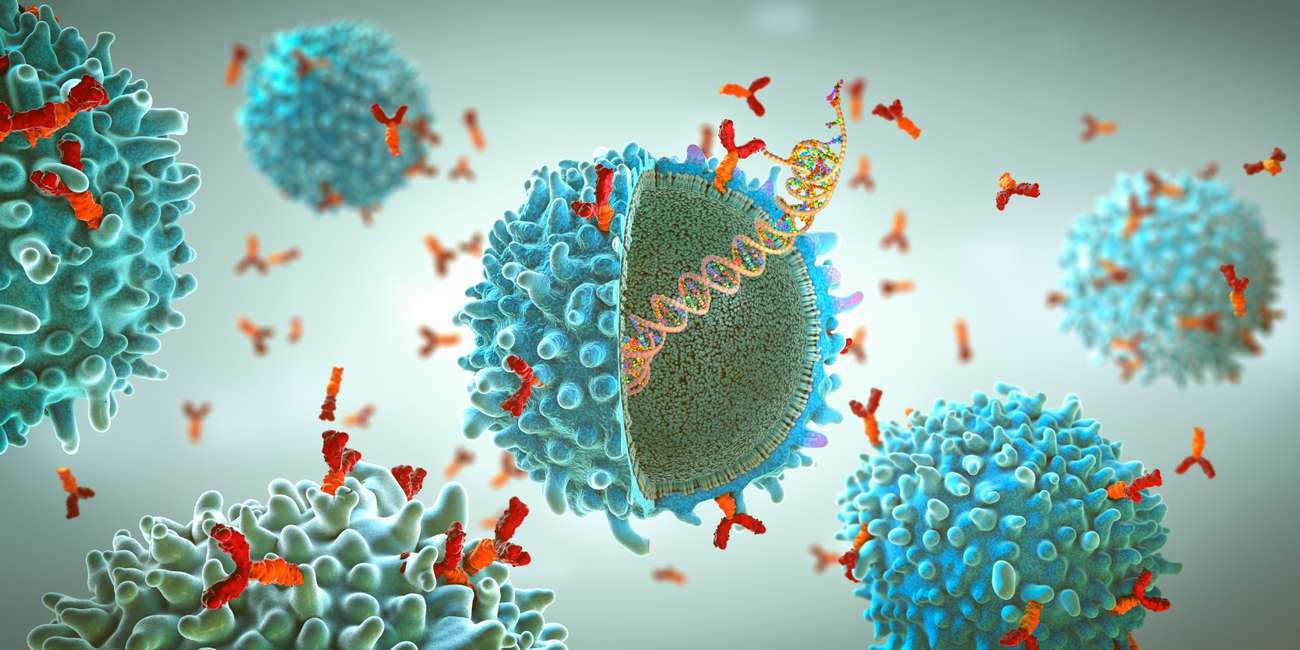
Creative Biolabs provides a cutting-edge Bio-Orthogonal Conjugation Platform. By chemically linking high-affinity small molecule ligands to ASOs, we hijack natural receptor-mediated endocytosis pathways, significantly enhancing delivery efficiency to hard-to-reach tissues like solid tumors and the CNS.
Precise Targeting
Receptor-specific entry
Reduced Toxicity
Lower systemic dose
Efficiency
98%Purity
>95%Scale
mg to gOur Service Portfolio
Detailed breakdown of our small molecule-ASO conjugation capabilities.
Ligand Screening & Selection
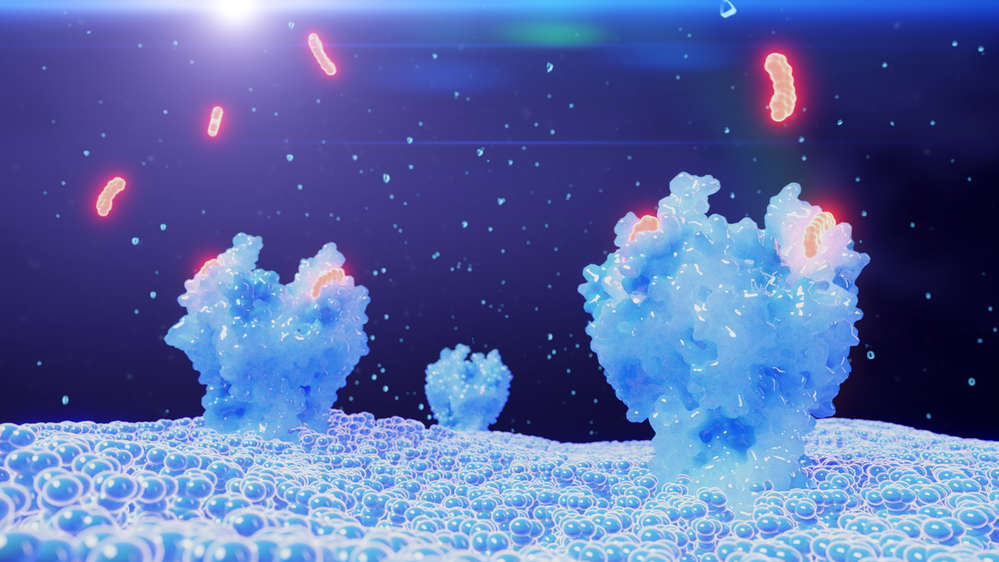
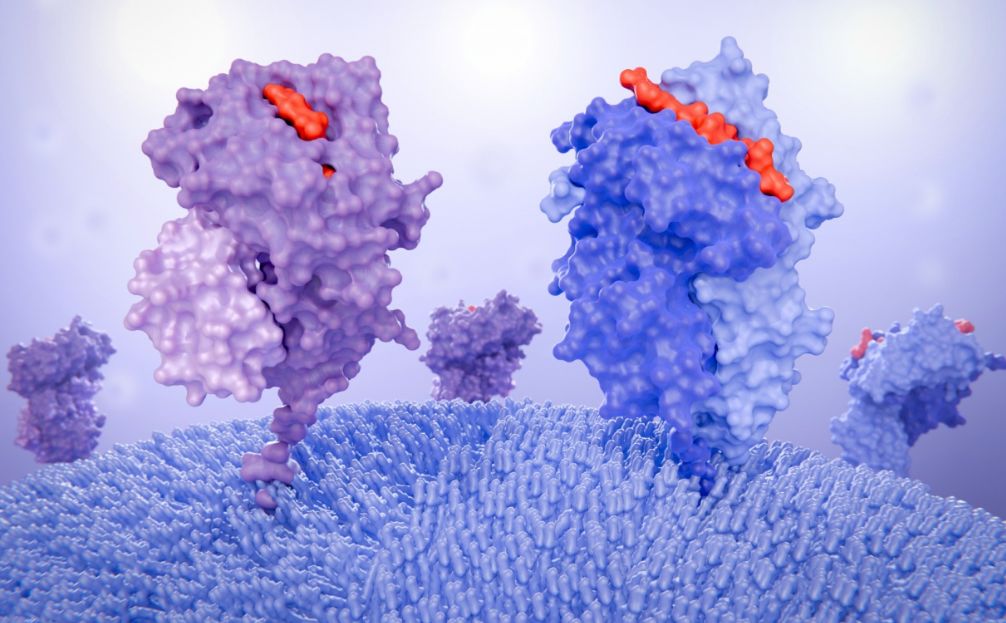
Screening a vast library of small molecule ligands (e.g., Folate, PSMA ligands, Anisamide) to identify the optimal binder for your target tissue's surface receptors.
Key Technologies
- SPR Binding Analysis
- Computer-Aided Docking
- High-Throughput Screen
Custom Linker Design
Design of stable or stimuli-responsive linkers (e.g., pH-sensitive, redox-sensitive disulfide bonds) to ensure stability in circulation and efficient payload release.
Key Technologies
- pH-Sensitive Cleavage
- Redox-Responsive
- Enzymatic Release
Advanced solid-phase and liquid-phase synthesis utilizing "Click" chemistry (CuAAC, SPAAC) or amide coupling to attach small molecules to ASOs with high yield.
Key Technologies
- Click Chemistry (CuAAC)
- Amide Coupling
- Solid-Phase Synthesis
Purification & QC
Stringent purification and characterization via LC-MS to ensure removal of free ligands and unconjugated ASOs, achieving clinical-grade purity.
Key Technologies
- RP-HPLC & IEX
- LC-MS Characterization
- Endotoxin Testing
Technology Platform
Proprietary technologies driving the next generation of small molecule-ASO therapeutics.
Ligand-Docking Simulation
Computational modeling to predict the interaction between small molecule ligands and their target receptors, ensuring optimal spatial orientation when attached to the ASO payload.
Bio-Orthogonal Click Chemistry
Utilization of copper-free click chemistry (DBCO/Azide) and Tetrazine/TCO ligations to achieve high conjugation efficiency under mild aqueous conditions, preserving ASO integrity.
High-Resolution Analytics
Integrated platform featuring ESI-MS and HPLC-MS/MS for precise determination of molecular weight, drug-loading ratio, and degradation profile analysis.
Targeted Applications
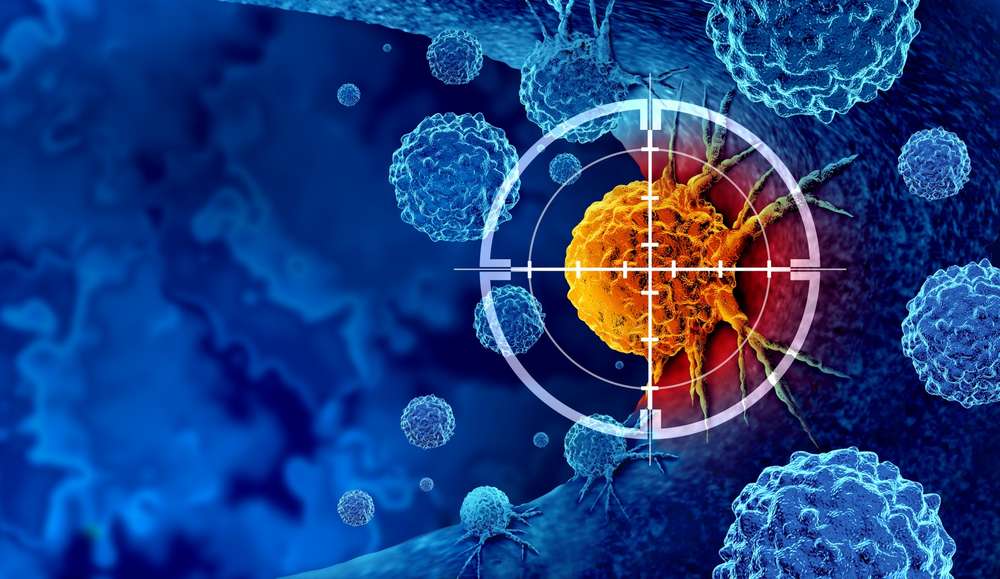
Small molecule ligands offer a unique advantage in penetrating dense tumor tissues and crossing biological barriers due to their low molecular weight and specific receptor affinity.
"By utilizing high-affinity small molecules, we can transform ASOs into precision guided missiles against cancer and CNS disorders."
Folate Receptor Targeting
The folate receptor is highly overexpressed in many epithelial cancers (ovarian, lung, breast). Folate-conjugated ASOs are rapidly internalized via receptor-mediated endocytosis, allowing for efficient gene knockdown in tumor cells while sparing normal tissues.
Comparison of Delivery Strategies
Why choose Small Molecule Conjugates over other modalities?
| Strategy | Tissue Penetration | Immunogenicity | Manufacturing Cost |
|---|---|---|---|
| Small Molecule-ASO | High | Very Low | Moderate |
| Antibody-ASO (AOC) | Moderate | Moderate | High |
| Naked ASO | Low | Low | Low |
| LNP-Encapsulated | Variable | High | Moderate |
Development Workflow
A streamlined path from concept to conjugated lead candidate.
Design & Synthesis
Selection of target receptor ligands and chemical synthesis of the functionalized small molecule with an appropriate linker arm.
ASO Modification
Synthesis of the ASO backbone (e.g., Gapmer, PMO) incorporating reactive groups (amino, thiol, alkyne) at the 5' or 3' terminus.
Conjugation
Solution-phase or solid-phase coupling of the ligand to the ASO, followed by RP-HPLC purification to isolate the full-length conjugate.
Characterization
Verification of molecular weight via LC-MS, purity assessment via HPLC, and functional binding assays to confirm ligand activity.
Why Partner with Us?

Diverse Ligand Library
Access to hundreds of pre-validated small molecule ligands for cancer, inflammation, and CNS targets.

Precise Stoichiometry
Our conjugation methods ensure a defined Drug-to-Ligand ratio (usually 1:1), avoiding the heterogeneity seen in some polymer conjugates.

Scalable Manufacturing
Seamless transition from mg-scale discovery synthesis to multi-gram scale production for toxicity studies.

Custom Chemistry
Expertise in synthesizing novel ligands and linkers tailored to your specific receptor of interest.

Rapid Turnaround
Efficient workflows allow for the delivery of conjugated ASOs in as little as 3-4 weeks.

Cost-Effective
Small molecule conjugation is significantly more cost-effective to manufacture than antibody-ASO conjugates.
Frequently Asked Questions
We can conjugate a wide variety of small molecules, including but not limited to:
- Vitamins: Folate, Biotin, Vitamin B12.
- Carbohydrates: GalNAc, Mannose, Glucose.
- Peptides/Mimetics: RGD, cRGD.
- Synthetic Ligands: Anisamide, PSMA ligands.
We can also conjugate custom ligands provided by the client or synthesized de novo by our chemistry team.
This depends on the structure of your ASO and the binding pocket of the target receptor. We typically recommend:
- 5' Conjugation: Often preferred for receptor ligands as it tends to interfere less with hybridization in Gapmers.
- 3' Conjugation: Can provide additional resistance to exonuclease degradation.
We can synthesize both versions for comparison testing.
We employ various state-of-the-art chemistries to ensure high yield and stability:
- Click Chemistry: CuAAC (Copper-catalyzed) or SPAAC (Copper-free DBCO/Azide) for high specificity.
- Amide Coupling: Standard NHS/Amine reaction.
- Thiol-Maleimide: For thiol-modified ASOs.
Hydrophobic small molecules (like certain lipids or steroids) can reduce water solubility. However, ASOs are generally very hydrophilic.
If solubility issues arise, we can introduce hydrophilic spacers (e.g., PEG chains) between the ASO and the small molecule to maintain optimal solubility and biodistribution.
Start Your Project Today
Tell us about your project, and our experts will get back to you with a customized quote and proposal.
