Creative Biolabs has a tradition of commitment. To achieve efficient execution and regulatory approval, we offer careful considerations of your program for the development of a cellular or gene therapy product – now and in the future.
EXPLORE MORE HighlightsWe focus on unmet needs and develop novel cellular and gene drugs and solutions that offer significant benefits over existing options.
EXPLORE MORE HighlightsThe advent of Chimeric Antigen Receptor T-cell (CAR-T) therapies has revolutionized the field of oncology, providing new avenues for treating various forms of cancer. Our 20 years of experience in the biotechnology sector have equipped us with the expertise and technological capabilities to support the entire lifecycle of CAR-T products, from early development to commercialization.
EXPLORE MORETo accelerate advanced breakthroughs of your projects, we offer broad range of platforms which enable our clients be free to tackle problems with cutting-edge technologies from different angles and in different methods.
EXPLORE MORE HighlightsUse the resources in our library to help you understand your options and make critical decisions for your study. We offer oncolytic virus, CAR-T, and dendritic cell related documents, as well as newsletter. If you don't find the answers you're looking for, contact us for additional assistance.
EXPLORE MORE HighlightsGet a real taste and understanding of the business and culture of one of the world's great research-based cellular and gene therapy discovery and development companies.
EXPLORE MORE
Creative Biolabs provides In Vivo CAR-T Development Solutions to overcome challenges associated with conventional cell therapy manufacturing, including high leukapheresis costs, complex ex vivo workflows, and limited product accessibility. By enabling direct T-cell programming through advanced viral vectors and targeted nanoparticle delivery systems, this approach supports scalable, off-the-shelf immunotherapies. We provide integrated contract research services from early platform selection through IND-enabling development and clinical translation, connecting delivery engineering, cellular pharmacology, bioanalysis, toxicology, CMC strategy, and regulatory planning into a single coordinated framework.
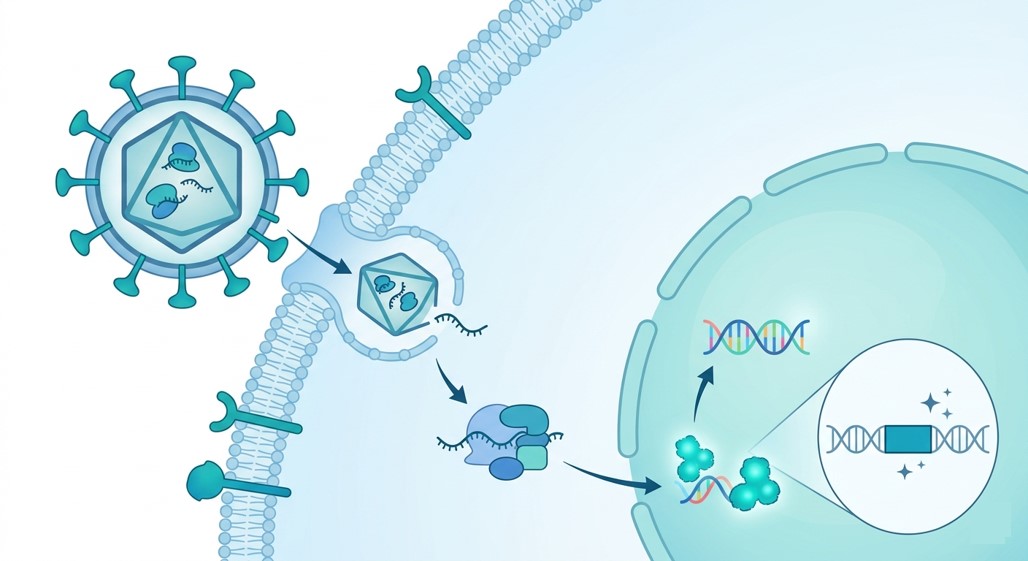
Traditional adoptive cell therapy is limited by the logistical burden of the living drug paradigms. In vivo engineering via viral or non-viral vectors can effectively reprogram autologous T cells into potent anti-tumor effectors. This method leverages the body's natural environment to maintain T-cell stemness and fitness. In conclusion, in vivo CAR-T engineering represents a transformative off-the-shelf solution that expands the reach of immunotherapy to solid tumors and autoimmune diseases globally.
 Fig.1 Mechanisms of in vivo CAR cell therapy using viral and non viral vectors.1
Leveraging extensive expertise in cell engineering, Creative Biolabs has established a CellRapeutics™ in vivo cell engineering development platform to support the development of next-generation immune cell therapies. Our platform integrates viral and non-viral delivery technologies, including targeted lentiviral vectors, engineered particles, virus-like particles, lipid nanoparticles, mRNA/circular RNA systems, polymeric nanoparticles, and extracellular vesicles, for precise in vivo programming of immune cells.
We provide delivery platform evaluation and optimization by assessing particle characteristics, cargo quality, targeting specificity, cellular uptake, transgene expression, functional activity, and safety profiles. Through comparative screening and engineering optimization, we identify delivery systems with the optimal balance of T-cell selectivity, expression control, therapeutic potency, manufacturability, and clinical translation potential.
Discover How We Can Help - Request a Consultation.
Creative Biolabs provides a lentiviral vector platform that enables permanent genomic integration for the durable treatment of hematological malignancies. Advanced pseudotyping ensures precise T-cell targeting, while Tier-1 impurity control minimizes risks from random insertion and off-target infection.
Learn More →
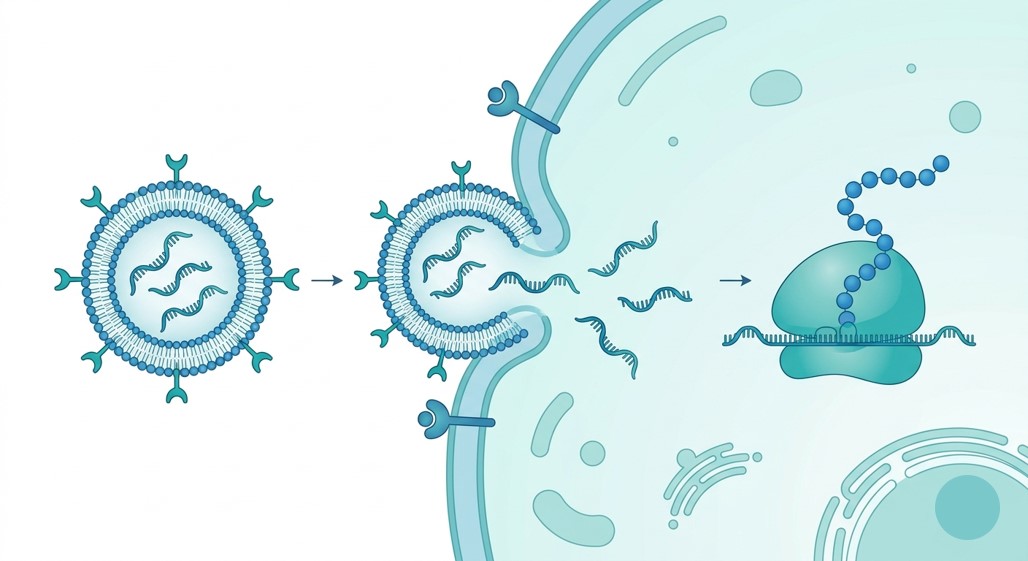
Our tLNP-mRNA platform provides a non-integrative approach focused on safety and scalability, achieving up to 85% transduction efficiency with low risk of cytokine release syndrome. Its transient expression makes it well-suited for autoimmune diseases where precise dose control is essential.
Learn More →
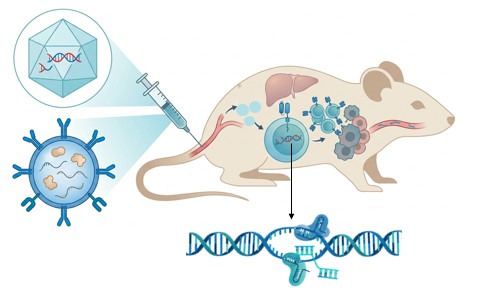
This Targeted Integration Platform leverages Enveloped Delivery Vehicles (EDV) to deliver Ribonucleoproteins for precise TRAC locus cleavage and Adeno-Associated Virus vectors (AAV) for CAR template delivery. Using the endogenous TRAC promoter ensures physiological receptor expression, reducing cell exhaustion and enhancing long-term anti-tumor efficacy.
Learn More →Choosing the right vehicle determines not just the efficacy of the drug, but its regulatory fate and commercial viability.
| Feature | Lentiviral Platform | tLNP-mRNA Platform | Targeted Integration |
|---|---|---|---|
| Integration | Random | None (Transient) | Site-Specific |
| Persistence | Permanent | Short-term | Permanent |
| Risk Profile | Insertion Mutagenesis | Minimal (Safe) | Optimized (Controlled) |
| Manufacturing | Complex | Streamlined | High Engineering Complexity |
| Primary Indication | Leukemia/Lymphoma | Autoimmune Diseases | Solid Tumors |
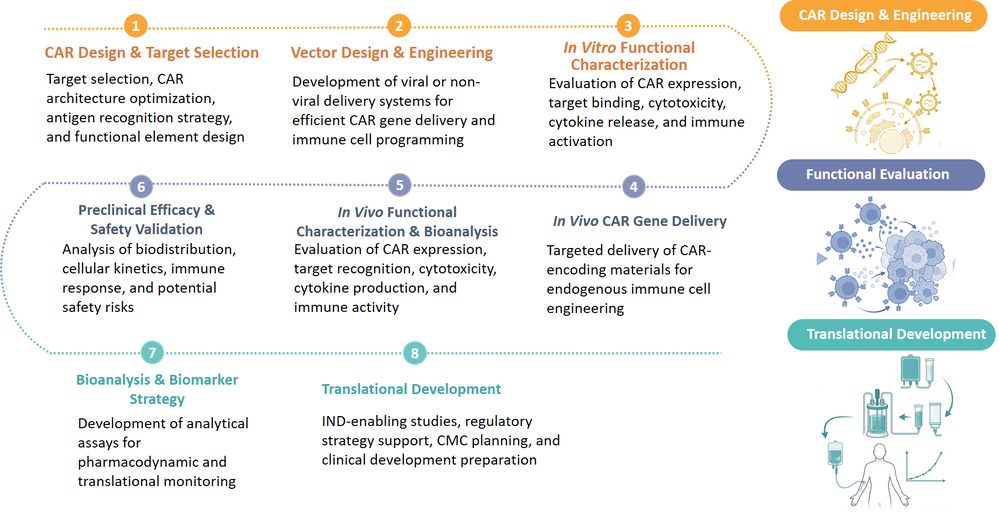
This deliverable includes an analytical report with vector characterization, titration data, and in vitro/in vivo efficacy results; high-resolution raw sequencing and flow cytometry datasets for T-cell phenotyping and CAR integration site analysis; and a stabilized pilot-scale batch of the optimized engineered viral or non-viral delivery vehicle for further development.
| CAR Design | Architecture | Key Features |
|---|---|---|
| First-generation CARs | scFv-Hinge-TM-CD3Z | Provides antigen-specific activation through CD3Z signaling only |
| Second-generation CARs | scFv-TM-Costimulatory domain-CD3Z | Adds one costimulatory domain to improve proliferation, persistence, and cytotoxicity |
| Third-generation CARs | scFv-TM-CD28-4-1BB-CD3Z | Incorporates dual costimulatory domains for enhanced activation and durability |
| Fourth-generation (TRUCK) | CAR + cytokine expression cassette | Enables cytokine secretion to remodel the tumor microenvironment |
| Fifth-generation CAR | CAR + intracellular cytokine signaling motifs | Integrates antigen recognition with cytokine pathways to enhance persistence |
| CAR Design | Architecture | Key Features |
|---|---|---|
| Dual CAR | Two independent CARs co-expressed in one cell | Targets multiple antigens to reduce antigen escape |
| Tandem CAR (TanCAR) | Tandem scFv1-linker-scFv2-TM-Signaling domain | Enables dual-antigen recognition within a single CAR molecule |
| Bispecific CAR | Bispecific antigen-binding domain-Signaling domain | Improves antigen coverage and therapeutic robustness |
| Tri-specific CAR | Three antigen-binding modules-Signaling domain | Provides broader recognition against heterogeneous tumors |
| Dual-target CAR-NK | Multi-antigen CAR optimized for NK cells | Combines multi-target recognition with NK cell activity |
| CAR Design | Architecture | Key Features |
|---|---|---|
| Universal CAR | Universal receptor + soluble targeting adaptor | Separates antigen recognition from CAR activation for flexible targeting |
| Switchable CAR | CAR receptor + switch molecule | Enables controllable CAR activation and target switching |
| Logic-gated CAR | Dual-input recognition circuit | Requires multiple signals for selective activation |
| SynNotch CAR | Synthetic receptor-mediated CAR expression | Uses one antigen to trigger expression of another CAR |
| NOT-gate CAR | Activating CAR + inhibitory receptor | Prevents recognition of healthy tissues expressing protective antigens |
| Suicide CAR | CAR + inducible elimination switch | Provides an emergency safety mechanism for CAR-cell removal |
| CAR Design | Architecture | Key Features |
|---|---|---|
| NKG2D CAR | Full-length NKG2D receptor-CD3ζ | Targets multiple stress ligands, including MHC class I polypeptide-related sequences A/B (MICA/B) and UL16-binding proteins (ULBPs) |
| Ligand-based CAR | Natural ligand domain-Signaling domain | Uses endogenous ligand-receptor interactions for recognition |
| Fab-based CAR | Fab fragment-TM-Signaling domain | Alternative antigen-binding format to optimize CAR performance |
| TCR-like CAR | Peptide-HLA recognition domain-Signaling domain | Enables recognition of intracellular tumor antigens |
| Peptide-centric CAR | Peptide-MHC recognition module-Signaling domain | Expands CAR targeting beyond surface antigens |
| CAR-NK | CAR optimized for NK cells | Leverages NK-mediated cytotoxicity and potential off-the-shelf applications |
| CAR-M | CAR + macrophage activation modules | Enhances phagocytosis and tumor microenvironment modulation |
Precision delivery requires absolute cell-type discrimination. We ensure your vector targets relevant T-cell subsets while sparing off-target lineages, validated by an assay cascade that evaluates physical uptake through to CAR expression, activation, and long-term memory phenotypes.
We optimize CAR constructs to achieve robust, controllable expression and potent functional responses tailored for complex in vivo environments.
Creative Biolabs develops engineered in vivo immune cell platforms beyond conventional CAR-T applications, enabling targeted programming of diverse immune populations including T cells, NK cells, macrophages, and other therapeutic effectors. Through optimized delivery systems and genetic engineering strategies, these platforms support the development of next-generation immunotherapies.
Creative Biolabs provides in vivo CAR-T engineering services that enable direct genetic modification of T cells within the body, supporting efficient cell programming, scalable manufacturing, and improved therapeutic potential.
Learn More →Creative Biolabs offers in vivo B cell engineering to program antibody-producing cells directly in the body, enabling durable therapeutic protein expression and innovative immunotherapy strategies.
Learn More →We develop in vivo CAR-NK engineering platforms to generate functional CAR-NK cells within the body, enhancing innate immune targeting and expanding next-generation cell therapy options.
Learn More →Creative Biolabs provides in vivo CAR-macrophage engineering solutions to program macrophages for tumor recognition, phagocytosis, and immune modulation within complex tumor microenvironments.
Learn More →We enable in vivo engineering of PBMC populations, facilitating direct modification of immune cells to support flexible and scalable development of advanced cell-based immunotherapies.
Learn More →We map the complex dose-response relationship of in vivo CAR-T therapies by connecting vector dose to T-cell kinetics and clinical response. Our bioanalytical assays measure vector PK, tissue distribution, vector copy number, T-cell expansion/phenotypes, and immunogenicity. This data feeds into mechanistic PK/PD and cellular-kinetic models to guide rational, model-informed dose selection.
Accelerate your in vivo CAR-T and CAR-NK innovations with our end-to-end flow cytometry solutions. We deliver seamless workflows from high-throughput cell profiling and target validation to deep immune monitoring and functional characterization. By combining advanced multivariable panels with precise analytical capabilities, our platform ensures robust, reproducible data at every step—empower your translational research to bring next-generation targeted cell therapies from discovery to clinical application faster.
Learn More →Comprehensive safety evaluation solutions for in vivo CAR therapies, covering biodistribution, genomic integration, immunogenicity, toxicity assessment, and long-term persistence analysis to identify potential risks, support regulatory requirements, and accelerate clinical translation of next-generation CAR platforms.
Learn More →Integrated bioanalytical characterization of in vivo CAR therapies using advanced molecular and cellular assays, including vector quantification, CAR expression monitoring, pharmacokinetic and pharmacodynamic analysis, immune profiling, and functional evaluation to support therapeutic development and translational studies.
Learn More →In vivo CAR-T therapies exhibit complex, nonlinear dose-response relationships where vector exposure directly dictates cellular expansion, therapeutic efficacy, and toxicity. We deliver integrated bioanalytical strategies to model these dynamic interactions and guide informed dose selection.
Q: How do you ensure the vector only targets T cells in vivo?
A: We utilize surface-engineered envelopes or ligand-functionalized nanoparticles that specifically recognize T-cell markers like CD3. This ensures that the genetic payload is internalised only by the intended immune cells.
Q: Can we use mRNA instead of viral DNA for the CAR construct?
A: Our nanoparticle platform is optimized for mRNA delivery, which allows for transient CAR expression. This is particularly useful for managing safety and toxicity in early-phase research.
Q: What is the risk of off-target integration with viral vectors?
A: We employ integration-deficient or T-cell-specific viral systems and perform integration site analysis to ensure safety and minimize the risk of insertional mutagenesis.
Q: Do patients need lymphodepleting chemotherapy for in vivo CAR-T?
A: One of the main advantages of our in vivo solutions is the potential to reduce or eliminate the need for toxic lymphodepletion, as the cells are programmed within their natural niche.
Creative Biolabs provides a revolutionary In vivo CAR-T Engineering platform that replaces complex ex vivo manufacturing with precise in situ programming. Supporting everything from custom vector design to thorough in vivo validation, we offer a streamlined workflow for developing affordable, scalable, and highly potent immunotherapies. To learn more or discuss your project needs, please contact us. Our professional team is ready to assist with your customized requirements.
Reference
For any technical issues or product/service related questions, please leave your information below. Our team will contact you soon.
All products and services are For Research Use Only and CANNOT be used in the treatment or diagnosis of disease.
 NEWSLETTER
The latest newsletter to introduce the latest breaking information, our site updates, field and other scientific news, important events, and insights from industry leaders
LEARN MORE NEWSLETTER NEW SOLUTION
CellRapeutics™ In Vivo Cell Engineering: One-stop in vivo T/B/NK cell and macrophage engineering services covering vectors construction to function verification.
LEARN MORE SOLUTION NOVEL TECHNOLOGY
Silence™ CAR-T Cell: A novel platform to enhance CAR-T cell immunotherapy by combining RNAi technology to suppress genes that may impede CAR functionality.
LEARN MORE NOVEL TECHNOLOGY NEW SOLUTION
Canine CAR-T Therapy Development: From early target discovery, CAR design and construction, cell culture, and transfection, to in vitro and in vivo function validation.
LEARN MORE SOLUTION