
p53 Promoter driven Oncolytic Adenovirus Construction Service
Introduction
Creative Biolabs' OncoVirapy™ Platform assists in addressing challenges like long therapy development cycles, poor tumor targeting, and systemic toxicity. Leveraging advanced viral engineering and tumor-specific promoters, the platform accelerates targeted cancer therapy development, enabling specific tumor lysis and reducing off-target effects. It delivers customized viral constructs, efficacy data, and safety profiles to support preclinical and early clinical research, ensuring precise intervention with maximized anti-tumor activity and minimal systemic impact.
[Discover How We Can Help - Request a Consultation]
p53 Promoter-driven Oncolytic Adenovirus
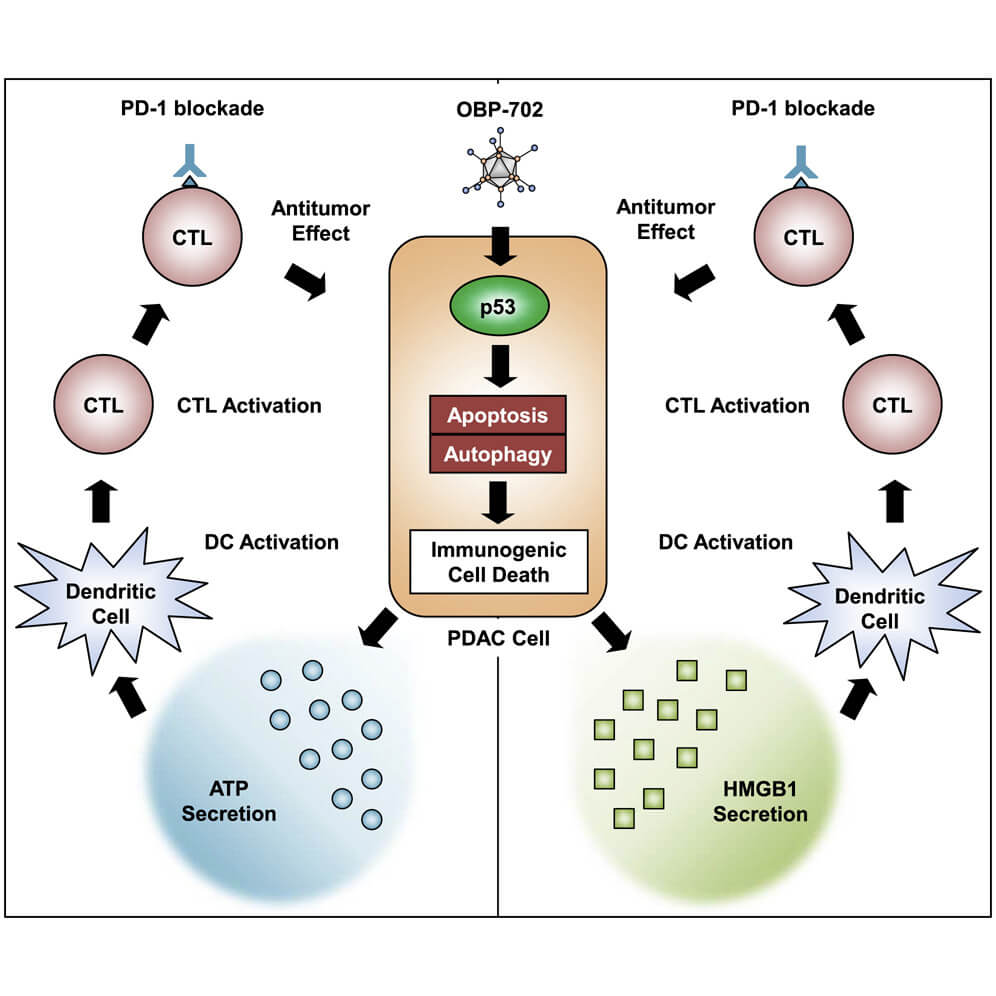 Fiig.1 Oncolytic adenoviruses express p53 and promote apoptosis of cancer cells.1,3
The p53 protein regulates cell cycle arrest and apoptosis to suppress tumors, but its function is often lost in cancers. Oncolytic adenoviruses engineered with a p53-responsive promoter exploit this vulnerability, selectively replicating in and lysing cancer cells while sparing healthy tissue. This strategy enhances tumor selectivity by leveraging p53 dysfunction in cancer cells, transforming viral therapy into a targeted anticancer modality. Combining p53 regulatory elements with oncolytic adenoviruses' lytic capabilities creates a powerful, targeted therapeutic approach.
Principle
The core principle of p53 promoter-driven oncolytic adenoviruses lies in exploiting the common dysfunction of the p53 pathway in cancer cells: key viral replication genes are controlled by a p53-responsive promoter, enabling selective viral replication and lysis in cancer cells with absent/mutated/dysregulated p53, while remaining inactive in healthy cells with intact p53 to minimize off-target effects and trigger anti-tumor immune responses via tumor antigen release.
Advantages
- Enhanced Tumor Specificity: Exploits p53 pathway dysfunction in cancer cells for selective replication, minimizing healthy tissue damage.
- Potent Anti-tumor Efficacy: Robust tumor cell replication drives widespread lysis and cancer mass destruction.
- Immunostimulatory Effects: Induces immunogenic cell death (ICD), releasing tumor antigens to activate systemic anti-tumor immunity.
- Versatility and Combinatorial Potential: Enables integration of therapeutic transgenes (e.g., prodrug enzymes, cytokines) and synergizes with chemotherapy, radiotherapy, or immunotherapies.
- Well-characterized Platform: Leverages established adenovirus production protocols, safety profiles, and extensive preclinical/clinical data.
Workflow
| Required Starting Materials | Project Consultation & Custom Design |
|---|---|
|
Our team provides in-depth consultations to understand your research goals, target tumors, and therapeutic needs, then designs custom adenovirus constructs with precise p53 promoter integration for tumor-specific expression-including viral backbone selection, transgene incorporation, and genetic modifications to enhance oncolysis or immune response. |
| Adenovirus Construction & Production | In Vitro Efficacy Testing |
| Using advanced molecular cloning, we synthesize the viral construct, clone it into a high-capacity adenovirus vector, and produce high-titer oncolytic adenoviruses in a GMP-compliant facility. Rigorous QC ensures purity, potency, and genomic integrity. | The adenovirus is tested in client-provided cancer cell lines to assess replication kinetics, oncolytic effect, bystander effect, and transgene specificity via cell viability, viral particle quantification, and gene expression assays. |
| In Vivo Efficacy & Safety Evaluation | Data Analysis and Reporting |
| For advanced validation, preclinical studies in xenograft/syngeneic models evaluate tumor regression, survival, viral biodistribution, systemic toxicity, immune responses, and off-target effects. | Our scientific team conducts rigorous statistical analysis on all experimental data from design to in vivo studies. The analysis is then summarized in a detailed final report, covering methodologies, data, results, conclusions, and suggestions for future steps, including IND application support. |
| Final Deliverables | Estimated Timeframe |
|
The typical timeframe for this service ranges from 10 to 15 weeks, depending on the complexity of the viral construct, the scope of in vitro and in vivo preclinical testing, and the specific regulatory requirements of your project. |
[Contact us to get more details]
What We Can Offer
- Tailored Viral Construct Design: Custom p53-driven adenovirus constructs targeting specific tumors or integrating therapeutic genes, with optimized codon usage and genetic stability.
- Scalable, High-Quality Production: GMP-certified manufacturing from lab-scale to large-scale, ensuring high-titer viral stocks with purity, potency, and genomic integrity.
- Comprehensive Process Development: Upstream/downstream process optimization for viral replication, purification, and formulation to maximize yield and quality.
- Rigorous Quality Assurance: Implementing QbD and PAT principles with strict aseptic verification for consistent product safety.
- Robust Strain Stability and Optimization: Guaranteed strain stability in cell banks/fermentations, with optimized replication for maximum therapeutic efficacy.
- Advanced Quality Control: High-standard QC tools for rigorous product quantification and evaluation.
- Dedicated Support and Compliance: Compliant with HACCP and GMP guidelines for regulatory confidence in therapeutic candidates.
[Experience the Creative Biolabs Advantage - Get a Quote Today]
Case Study
The utilization of p53 promoter-driven oncolytic adenoviruses within typical in vivo murine cancer models and in vitro tumor cell line systems has significantly enhanced tumor-specific cytotoxicity. A lot of published data highlight its promising therapeutic potential for cancer therapy, accentuating the promoter's tumor-selective expression pattern and the virus' dual-mechanism action.
| Construction of Adenovirus | Cell Viability |
|---|---|
|
|
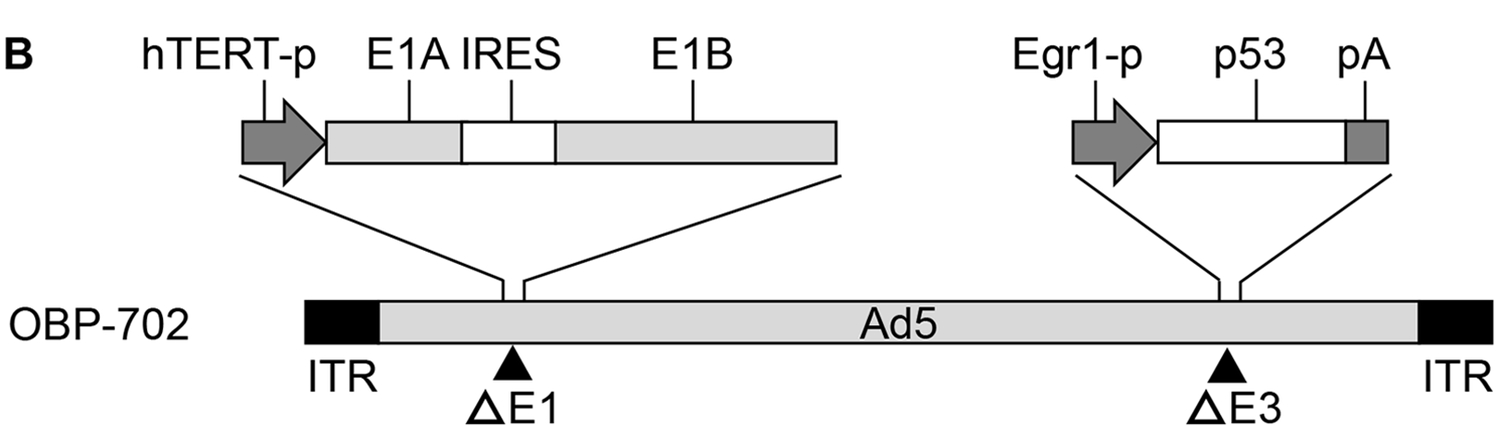
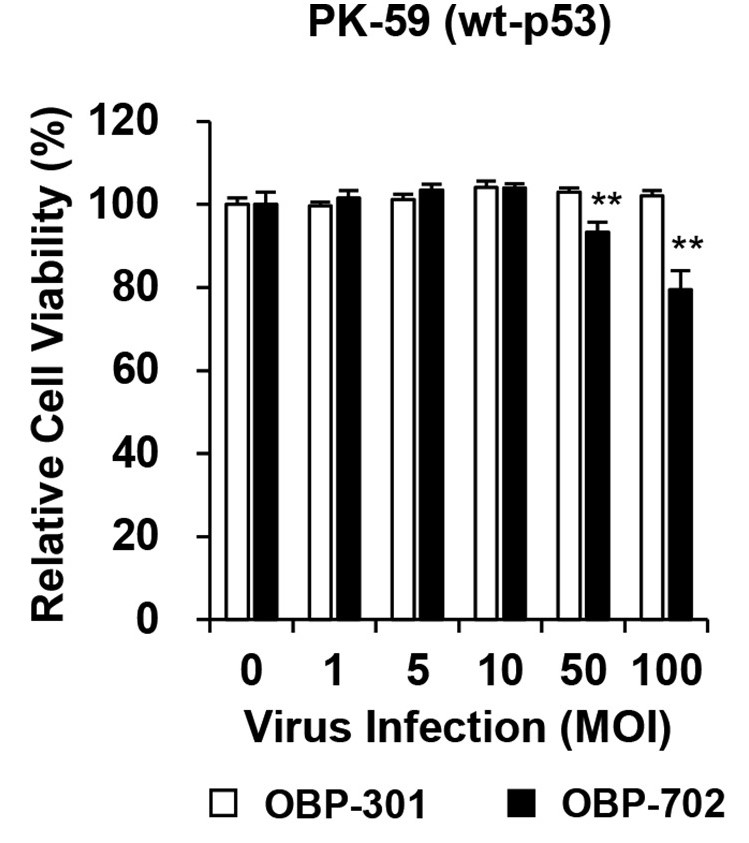
| Fig.2 Genomic components of the oncolytic virus OBP-702.2,3 | Fig.3 Oncolytic adenovirus expressing p53 can significantly reduce the activity of tumor cell lines.1,3 |
| Western Blot | Extracellular ATP release |
|
|
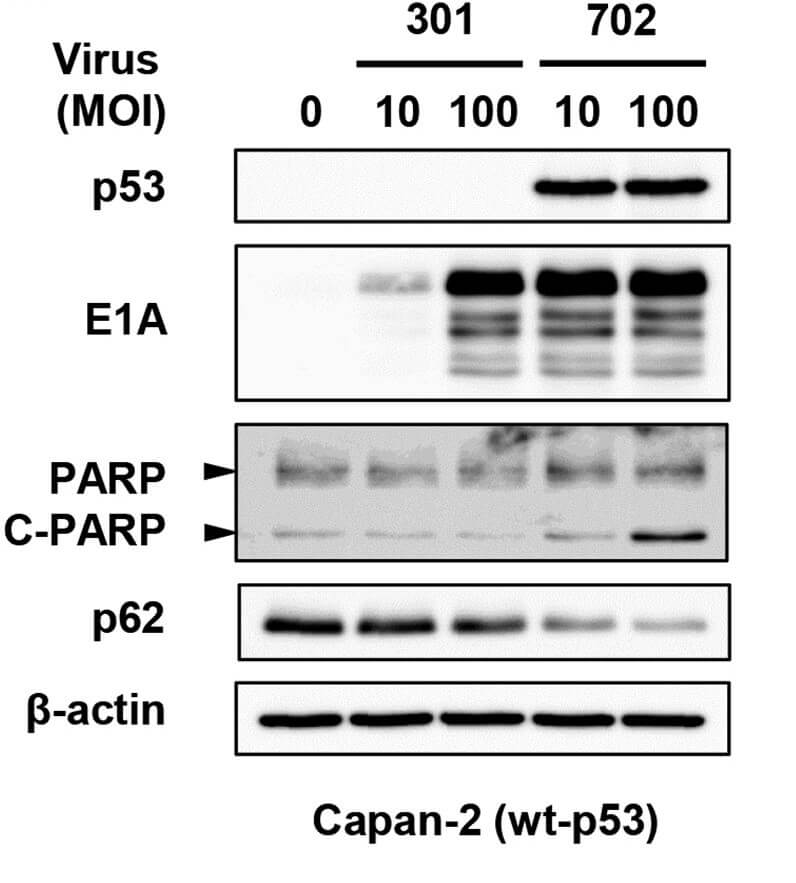
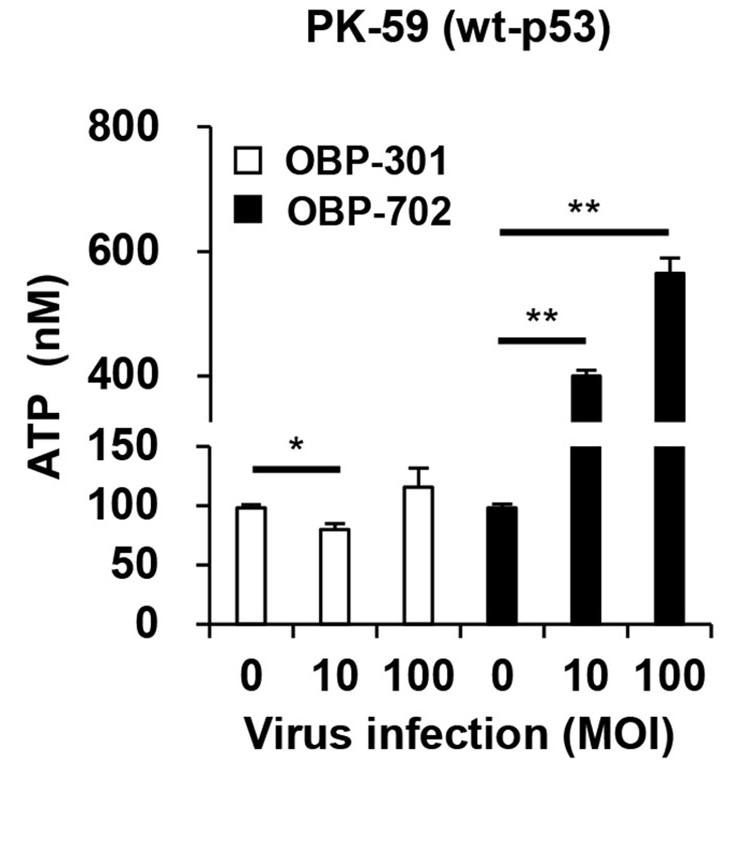
| Fig.4 p53 protein expression of OBP-702.1,3 | Fig.5 Adenoviruses loaded with p53 significantly increased extracellular ATP release from human pancreatic cancer cells.1,3 |
| Cytopathic Effect | Tumor Volume |
|
|
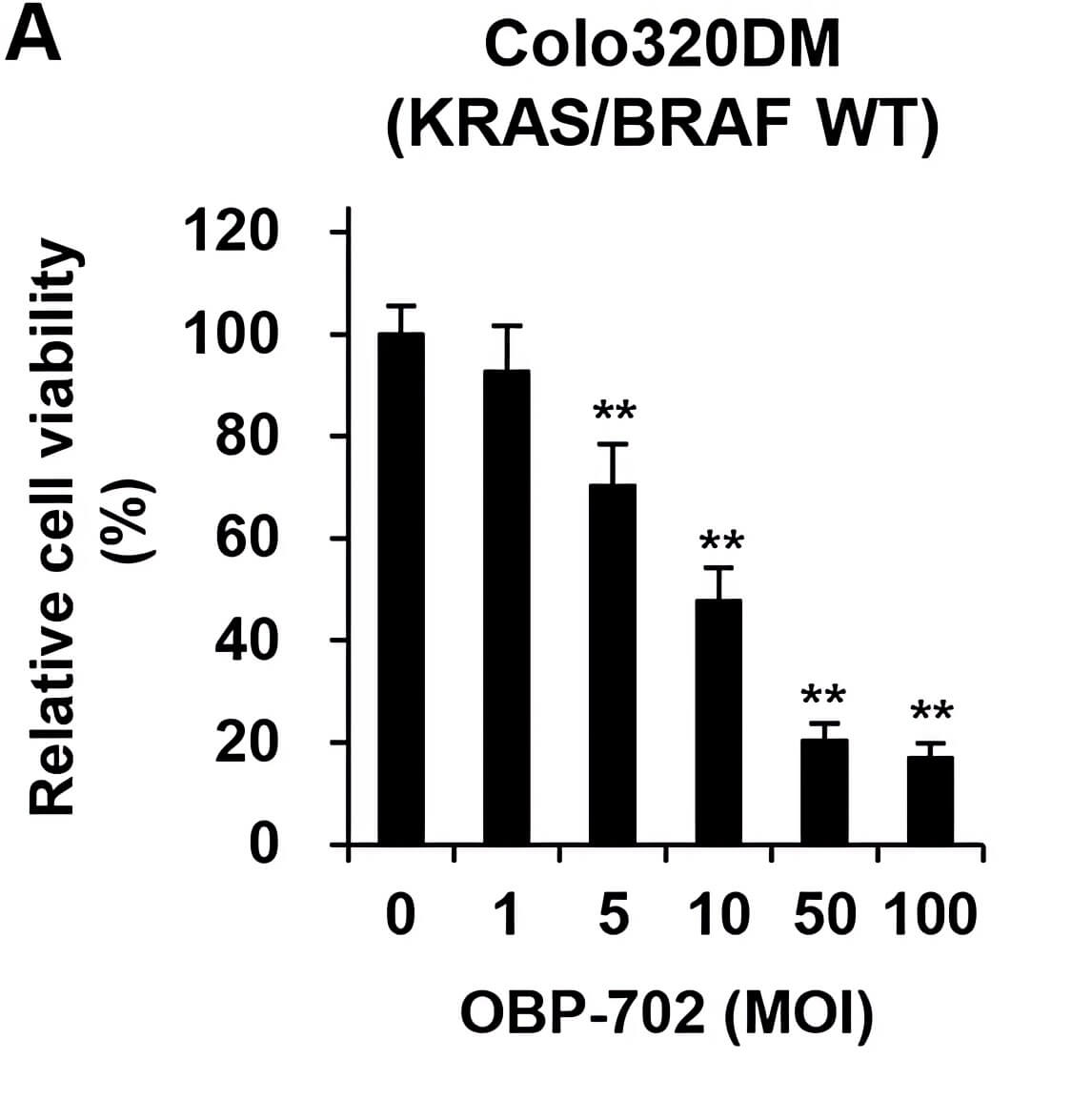
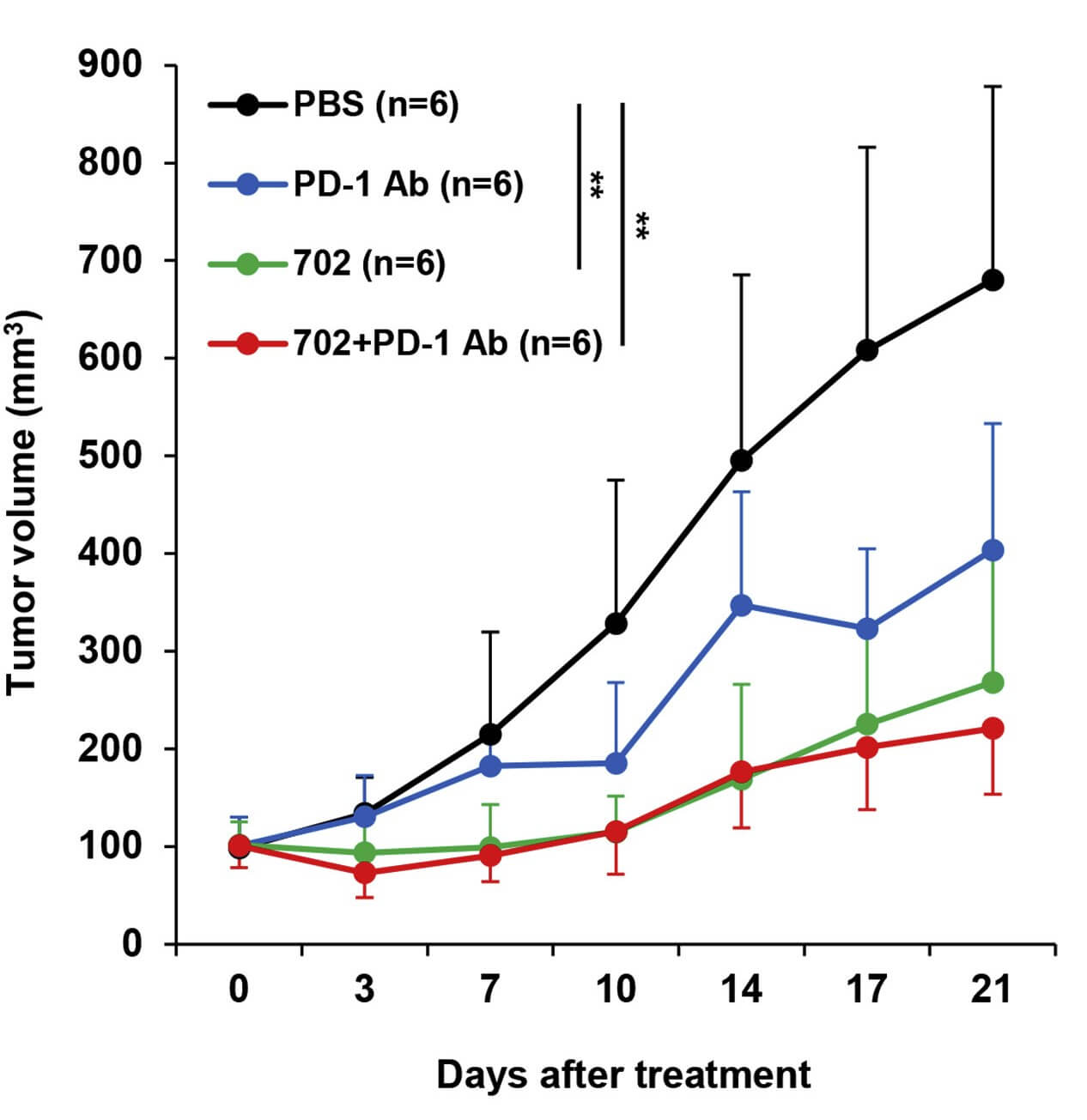
| Fig.6 Adenoviruses loaded with p53 significantly inhibited the viability of CRC cells.2,3 | Fig.7 Oncolytic adenovirus loaded with the p53 gene can inhibit tumor growth in mice.1,3 |
Customer Reviews
-
"Unparalleled Specificity Using Creative Biolabs' p53 Promoter-driven Oncolytic Adenovirus in our research has significantly improved the tumor-specific delivery of our therapeutic payload, greatly reducing off-target effects compared to conventional viral vectors. The precision achieved was beyond our expectations."
July 2024, Dr. La Hg
-
"Accelerated Preclinical Insights Creative Biolabs' platform facilitated rapid screening of our lead candidates, providing critical in vivo efficacy data much faster than our previous methods. This enabled us to quickly prioritize the most promising constructs for further development and streamline our preclinical pipeline."
August 2024, Prof. Sa Rn
-
"Exceptional Support and Customization The team at Creative Biolabs worked closely with us to tailor the adenovirus construct to our unique needs, even addressing complex genetic modifications. Their scientific expertise and attention to detail ensured that the final product was perfectly suited for our challenging ovarian cancer model, leading to demonstrable anti-tumor effects."
September 2024, Dr. Je Sh
FAQs
Q: How does the p53 promoter-driven oncolytic adenovirus ensure tumor specificity?
A: Our oncolytic adenoviruses are engineered to replicate preferentially in cancer cells with dysfunctional p53 pathways, selectively targeting and lysing tumor cells while sparing healthy tissues to minimize off-target effects and enhance safety.
Q: Can your service incorporate additional therapeutic genes into the adenovirus construct?
A: Absolutely. Our advanced viral engineering capabilities allow for the flexible incorporation of various therapeutic transgenes, such as immune-modulatory cytokines, prodrug converting enzymes, or specific gene-editing tools, into the oncolytic adenovirus backbone. This enables you to design a multi-faceted therapeutic approach for enhanced efficacy.
Q: What is the typical turnaround time for a custom p53 Promoter-driven Oncolytic Adenovirus project?
A: The project timeline can vary depending on the complexity of the custom design and the extent of preclinical testing required. While our streamlined workflow is highly efficient, a typical project involving design, production, and in vitro/in vivo efficacy evaluation ranges from 10 to 15 weeks. We provide a detailed timeline during the initial consultation.
Q: How does this approach compare to other oncolytic virus platforms?
A: Our p53 Promoter-driven Oncolytic Adenovirus platform exploits p53 dysfunction to boost specificity and lower toxicity. Unlike other oncolytic virus platforms, it enables highly selective replication and lysis, possibly achieving a better therapeutic index. We can offer a customized, detailed comparison.
The complexity of cancer demands a sophisticated, multi-faceted approach. Creative Biolabs stands at the forefront of p53 research and oncolytic virotherapy, translating profound biological insights into tangible solutions for cancer patients. Our expertise, combined with state-of-the-art technologies, allows us to unlock the full therapeutic and diagnostic potential of p53 Promoter-driven Oncolytic Adenoviruses.
[Contact Our Team for More Information]
Related Sections
References
- Araki, Hiroyuki, et al. "Oncolytic virus-mediated p53 overexpression promotes immunogenic cell death and efficacy of PD-1 blockade in pancreatic cancer." Molecular Therapy-Oncolytics 27 (2022): 3-13. DOI: 10.1016/j.omto.2022.09.003
- Tamura, Shuta, et al. "p53-armed oncolytic adenovirus induces autophagy and apoptosis in KRAS and BRAF-mutant colorectal cancer cells." PloS one 18.11 (2023): e0294491. DOI: 10.1371/journal.pone.0294491
- Distributed under Open Access license CC BY 4.0, the figures were cropped.