Creative Biolabs is offering the most comprehensive services for antibody development projects. With strict regulation and effective execution, we are dedicated to providing the most valuable solutions to complete your projects.
HighlightsCreative Biolabs is offering the most comprehensive services for antibody development projects. With strict regulation and effective execution, we are dedicated to providing the most valuable solutions to complete your projects.
HighlightsCreative Biolabs has established a broad range of platforms for developing novel antibodies or equivalents. These cutting-edge technologies enable our scientists to meet your demands from different aspects and tailor the most appropriate solution that contributes to the success of your projects.
HighlightsWith deep understanding in antibody-related realms and extensive project experience, Creative Biolabs offers a variety of references to help you learn more about our capacities and achievements, including infographic, flyer, case study, peer-reviewed publications, and all kinds of knowledge that can assist your projects. You are also welcome to contact us directly for more specific solutions.
HighlightsGet a real taste of Creative Biolabs, one of the most professional custom service providers in the world. We are committed to providing highly customized comprehensive solutions with the best quality to advance your projects.
Highlights Loading...
All listed services and products are For Research Use Only. Do Not use in any diagnostic or therapeutic applications.
Bone morphogenetic protein receptor type 1A (BMPR1A) is a transmembrane serine/threonine kinase receptor of the BMP arm of the TGF-β superfamily. Receptor structure: An N-terminal cysteine-rich extracellular ligand-binding region, a trans-membrane (TM) helix, an intracellular glycine-serine (GS) regulatory domain, and a C-terminal kinase domain responsible for propagating downstream signals. BMPR1A expresses broadly during early embryonic development and continues to remain elevated in adult skeletal muscle, cardiac some tissues and gastrointestinal epithelial cells. BMPR1A germline pathogenic variants—comprising nonsense, missense, frameshift and large genomic deletion events—are well-documented driver alterations in juvenile polyposis syndrome (JPS), hereditary mixed polyposis syndrome type 2 and familial colon cancer type X.FindingsSomatic dysregulation of BMPR1A signaling has also been linked to breast cancer metastasis, ovarian malignancy progression as well as chemoresistance in lung and colorectal cancers making this receptor potentially operate at the crossroads of developmental biology and translational oncology.
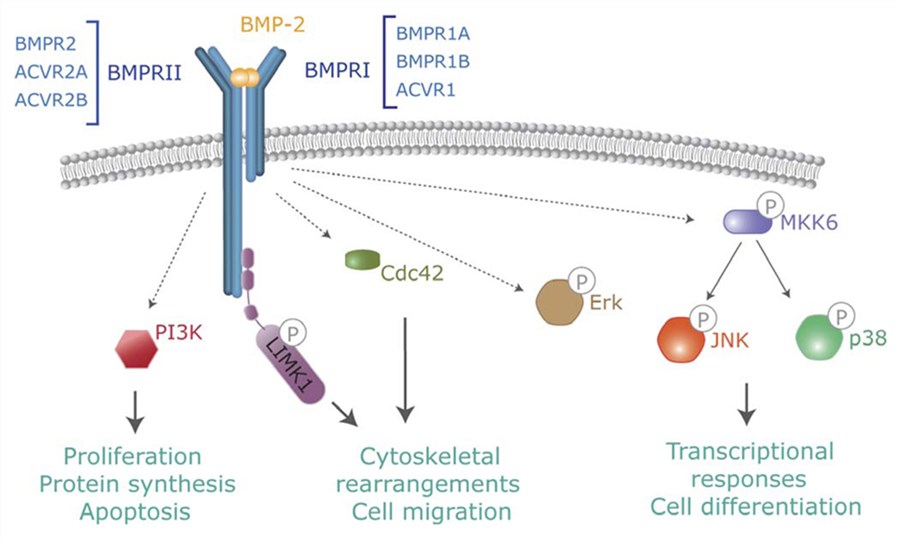 Fig.1 Proposed model of the szl transcriptional regulation by Bmp4 signaling via Smad1/Ventx1.1/Ventx2.1 axis.1
BMPR1A signalling exhibits broad scope across physiological and disease states:
Mechanical dissection of BMPR1A and pathway-modulating researches require high-quality protein modulators that preserve native folding, post-translational modifications, and ligand-binding competence. Creative Biolabs offers a full range of custom BMPR1A protein design services, from non-catalytic ligand-binding extracellular fragments to the catalytically active kinase domain and disease-relevant mutants. Our protein engineering group uses structure-guided design principles, codon-optimized gene synthesis, and high-throughput expression screening to screen constructs that maximize yield while retaining functional integrity. All projects commence with an in-depth consultation to discuss how best to tailor the expression package to your application.
Not finding the membrane protein product you need? Contact us to start your one-stop custom service!
In order to interrogate BMPR1A biology and study BMP signaling, robust cellular systems are essential. Creative Biolabs provides customized BMPR1A stable cell models designed to support consistent receptor expression and pathway-focused research. Cell model design, expression strategy, and characterization can be tailored according to specific project requirements. These stable cellular systems can provide a reliable basis for receptor biology, signaling studies, compound screening, and other longitudinal or high-throughput research applications while reducing variability associated with transient expression.
Not finding the stable cell line product you need? Contact us to start your one-stop custom service!
Sequence-defined recombinant antibodies can support the detection and characterization of BMPR1A in research samples and model systems. Creative Biolabs provides recombinant antibody discovery and development services targeting BMPR1A epitopes according to specific research requirements. Our antibody development workflow can support immunogen design, binder selection, recombinant expression, and sequence characterization to generate renewable research reagents. Antibody affinity, specificity, species reactivity, and suitability for individual applications are determined based on the characteristics and supporting data of each specific clone.
Not finding the recombinant antibody product you need? Contact us to start your one-stop custom service!
Creative Biolabs goes beyond catalog products and provides discovery services that integrate complete range of BMPR1A research needs. Such power is intended for investigators seeking mechanistic information that requires custom reagents, methodologically complex assay formats, or multi-component integrated workflows:
Yes. Using VLP encapsulation, nanodisc reconstitution, and optimized mammalian expression protocols that we have developed, application of this approach allowed us to routinely produce functional levels of full-length BMPR1A itself, as well as its disease-associated variants—even those that are notoriously resistant to similar soluble expression systems. In general, a structure-guided engineering approach that often includes rationale domain boundary modification or fusion partner selection to enhance solubility and stability while preserving biological potency.
No. Product Descriptions: All BMPR1A proteins, cell lines, antibodies, and custom services supplied by Creative Biolabs are for research use only. They haven't been validated, cleared, or approved for human use as a diagnostic, therapeutic or prophylactic. We advise clients to refer to relevant regulatory guidelines for transition of any such research reagent along the clinical development pipeline.
Yes, we did create bigenic lines that express full-length BMPR1A and BMPR2 from independent loci in a constitutive manner. All releases are documented with BMP4-stimulated SMAD1 phosphorylation and ligand-induced heteromeric complex formation data, to allow ongoing mechanistic exploration without the need for repeated transient transfection.
Yes, the immunogen corresponds to a region that is highly conserved across mammalian species, ensuring reliable detection in human, mouse, and rat tissue preparations and cell lysates without requiring multiple species-specific reagents.