
Creative Biolabs is offering the most comprehensive services for antibody development projects. With strict regulation and effective execution, we are dedicated to providing the most valuable solutions to complete your projects.
HighlightsCreative Biolabs is offering the most comprehensive services for antibody development projects. With strict regulation and effective execution, we are dedicated to providing the most valuable solutions to complete your projects.
HighlightsCreative Biolabs has established a broad range of platforms for developing novel antibodies or equivalents. These cutting-edge technologies enable our scientists to meet your demands from different aspects and tailor the most appropriate solution that contributes to the success of your projects.
HighlightsWith deep understanding in antibody-related realms and extensive project experience, Creative Biolabs offers a variety of references to help you learn more about our capacities and achievements, including infographic, flyer, case study, peer-reviewed publications, and all kinds of knowledge that can assist your projects. You are also welcome to contact us directly for more specific solutions.
HighlightsGet a real taste of Creative Biolabs, one of the most professional custom service providers in the world. We are committed to providing highly customized comprehensive solutions with the best quality to advance your projects.
Highlights
Antibody development doesn’t stop at binding—it begins there. How strong? How specific? How exclusive? Creative Biolabs turns these questions into measurable data. Powered by state-of-the-art technologies and expertly customized workflows, our platform translates complex molecular events into clear, decision-driving data.
Request a Quote







Trusted Insights. Proven Precision.

Advanced technologies like SPR, BLI, HDX-MS, MPA, peptide arrays

Customized assay development for challenging analytes and targets

Comprehensive data reporting with publication-ready figures

Flexible formats (IgG, Fab, scFv, VHH, label-free, label-based, cell-based)
A Seamless, Stepwise Process Built for Discovery

We initiate every project with a one-on-one consultation to understand your research goals, antibody format, and expected application.
Based on your sample, we select the most suitable assay type and platform, prepare test matrices, and confirm controls.

Using validated protocols, our experts run binding assays, epitope binning, and paratope mapping with precision instrumentation and real-time data collection.

You receive a full analysis report detailing binding affinity (KD, Ka, Kd), epitope classification, and off-target identification—backed by raw data and figures.
Assays to Address All Binding Questions
Antibody affinity defines the strength of interaction between an antibody and its target, which can directly impact the efficacy and specificity of therapeutic and diagnostic applications. Accurate measurement of antibody affinity is critical for lead selection, characterization of biologics, and biosimilar comparison. Our services use a combination of established gold-standard platforms such as Surface Plasmon Resonance (SPR), Bio-Layer Interferometry (BLI), and ELISA-based assays to measure kinetic parameters (Ka, Kd) and equilibrium binding constants (KD) for a broad range of antibody formats.
Paratope mapping is a technique used to identify specific residues in the antibody that are involved in antigen binding. Our paratope mapping services for antibodies use a combination of epitope-guided alanine scanning mutagenesis, cross-linking mass spectrometry (XL-MS), and hydrogen-deuterium exchange (HDX-MS) techniques to determine the precise binding regions of antibodies at an atomic level.
Epitope binning is a classification technique that groups a panel of monoclonal antibodies (mAbs) based on their ability to compete with each other for binding to a shared antigen target. It's typically done by measuring the binding activity of each antibody in the presence of other antibodies from the same panel, in a competitive binding assay.
CreMap™ is a high-throughput technology platform for epitope discovery developed and optimized for mapping linear epitopes. Using a tiled peptide library display of the entire antigen sequence, phage display, and mass spectrometry, CreMap™ can rapidly determine immunodominant regions across different species.
Membrane Proteome Array (MPA) platform is used to screen antibodies against a library of over 6,000 human membrane proteins, which are expressed on live human cells in their full-length, functional forms. The MPA platform can be used to comprehensively characterize antibody specificity and screen for off-target interactions.
We Deliver Results Using the Most Trusted Tools
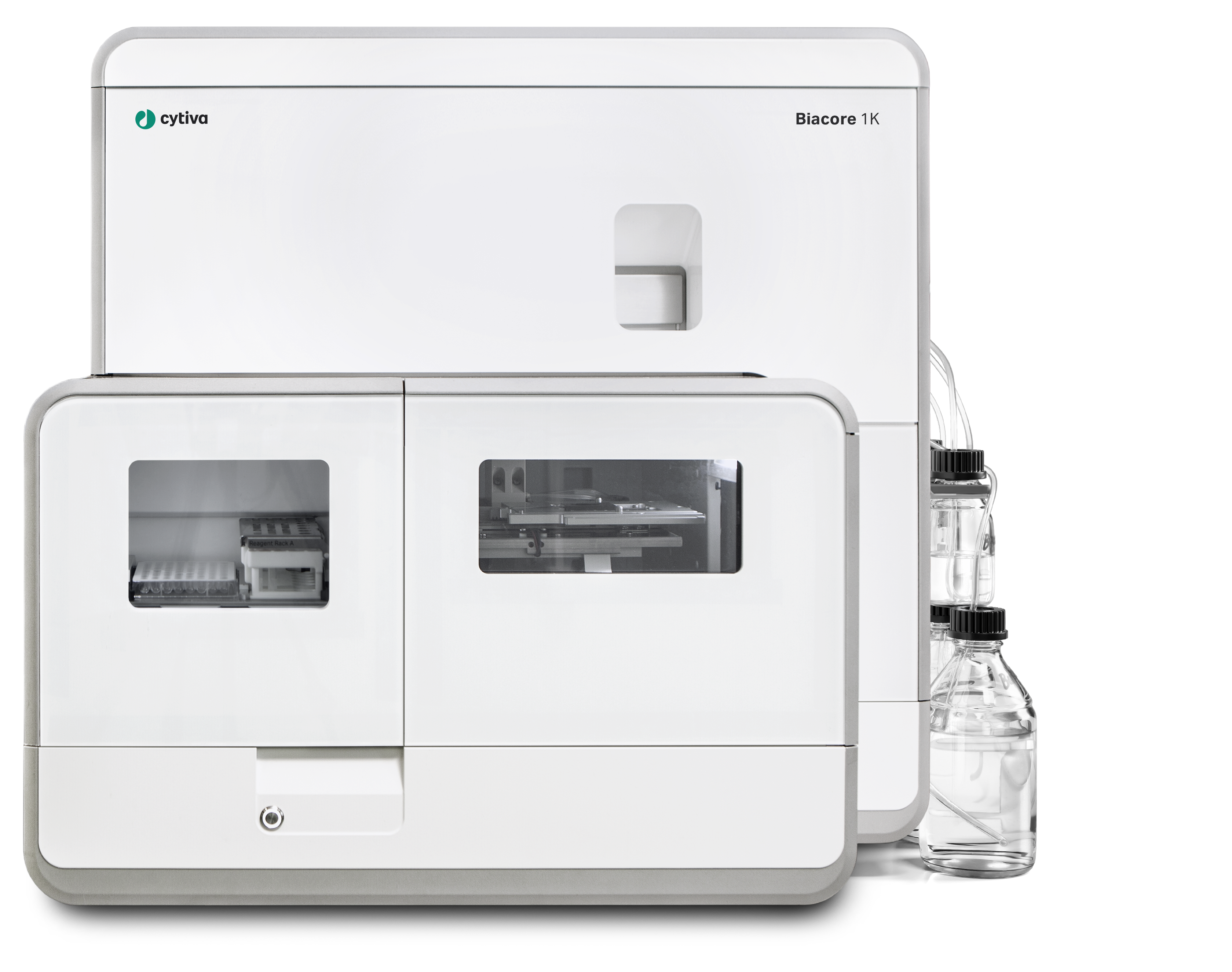
Gold-standard for real-time affinity measurement, ideal for monoclonal and bispecific antibodies.
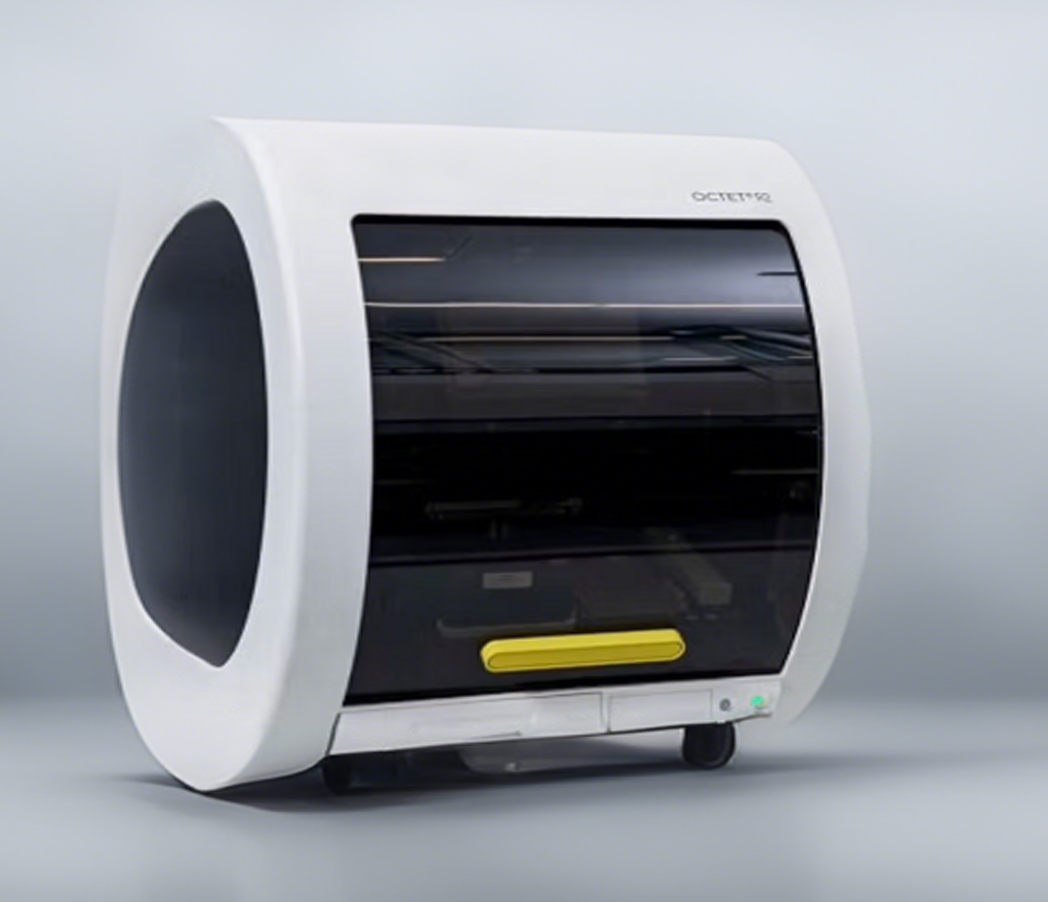
High-throughput kinetic analysis and epitope binning with multi-sample capability and flexibility.

A proprietary system combining phage display, peptide tiling, and mass spectrometry for epitope identification.
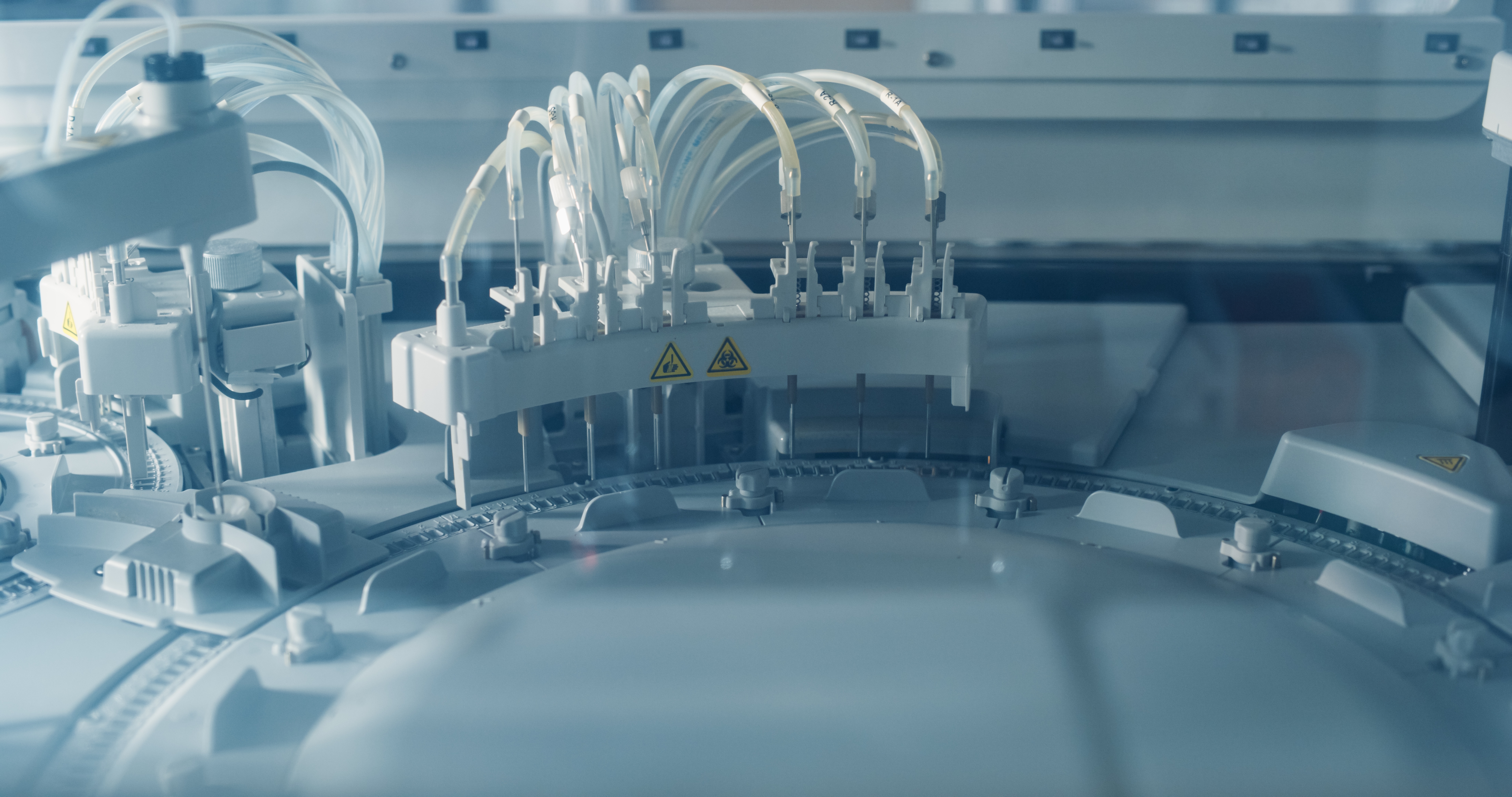
Validated against >6,000 membrane proteins expressed in live cells for accurate off-target analysis.
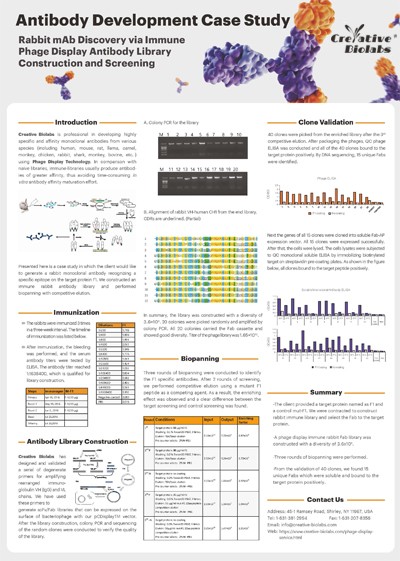
See how our tailored antibody development strategies delivered real-world results in this in-depth case study.
Download Now
We’re flexible! Whether you have purified antibody, hybridoma supernatant, or even an expression construct, we can work with it. Just let us know the concentration and volume, and our technical team will confirm the best format for your selected assays.
Not at all. While structural information can enhance interpretation, it's not a prerequisite. Our CreMap™ system uses tiled linear peptide libraries to probe your antibody's epitope space, even when the antigen is unknown or hard to express. Similarly, for paratope mapping, we can perform alanine scanning, HDX-MS, or XL-MS directly on the antibody, independent of antigen structural data.
Yes, we have extensive experience with bispecifics, dual-variable-domain antibodies, and other complex modalities. We can design assays that isolate the binding of each arm—either through sequential binding in SPR/BLI, competitive assays, or using distinct antigen immobilization strategies. This is particularly useful for confirming correct arm pairing, valency effects, and minimizing unwanted cross-reactivity.
Definitely. Our assays are conducted under standardized SOPs, and our reports are formatted to meet regulatory expectations. Many clients use our affinity, binning, and specificity data in pre-IND, IND, or BLA submissions. We provide raw datasets, analysis scripts (on request), and publication-quality figures.
We sure do. Once you have your binding data, we can support further antibody engineering, such as affinity maturation, humanization, or Fc engineering. Many clients transition directly into our optimization pipelines after completing binding characterization.
All listed services and products are For Research Use Only. Do Not use in any diagnostic or therapeutic applications.








