Creative Biolabs is offering the most comprehensive services for antibody development projects. With strict regulation and effective execution, we are dedicated to providing the most valuable solutions to complete your projects.
HighlightsCreative Biolabs is offering the most comprehensive services for antibody development projects. With strict regulation and effective execution, we are dedicated to providing the most valuable solutions to complete your projects.
HighlightsCreative Biolabs has established a broad range of platforms for developing novel antibodies or equivalents. These cutting-edge technologies enable our scientists to meet your demands from different aspects and tailor the most appropriate solution that contributes to the success of your projects.
HighlightsWith deep understanding in antibody-related realms and extensive project experience, Creative Biolabs offers a variety of references to help you learn more about our capacities and achievements, including infographic, flyer, case study, peer-reviewed publications, and all kinds of knowledge that can assist your projects. You are also welcome to contact us directly for more specific solutions.
HighlightsGet a real taste of Creative Biolabs, one of the most professional custom service providers in the world. We are committed to providing highly customized comprehensive solutions with the best quality to advance your projects.
HighlightsCreative Biolabs delivers custom T Cell Receptor (TCR) engineering services powered by professional yeast display technology, addressing the key bottlenecks in TCR research and development. We resolve four major challenges commonly encountered in TCR development:

Low TCR affinity that fails to meet therapeutic requirements

Limited diversity of mutant libraries, unable to achieve theoretical saturation
Poor soluble expression of engineered TCR variants
Low throughput in high-throughput validation of peptide-MHC binding activity
Our service consists of four core engineering modules:
From library construction to positive target validation, we deliver comprehensive data reports to fully support subsequent immunotherapy research.

Synthetic TCR gene constructs or customer-provided templates undergo sequence verification and expression testing prior to library construction.
Random mutagenesis is applied across complementary-determining regions (CDRs) followed by transformation into a competent yeast display strain. Culture under optimized induction conditions enables cell-surface presentation of TCR variants.


Multi-parameter flow cytometry sorting enriches for mutant TCRs exhibiting improved binding to target peptide-MHC complexes. Selection stringency is progressively increased across rounds.
Sorted clones are subjected to sequencing, followed by quantitative binding affinity determination and peptide-MHC functional binding assays.


Customers receive a comprehensive data report including clone sequences, binding affinity data, TCR expression level estimates, and technical protocols.
From material receipt to final deliverables,
Creative Biolabs' yeast display platform offers three core technical strengths for TCR engineering. First, it generates high-complexity libraries near the theoretical diversity limit, enabling full exploration of sequence space derived from parental TCR variants. Second, the well-validated yeast display system (proven across hundreds of engineering cycles) delivers consistent surface protein expression and efficient peptide-MHC loading. Third, its fully integrated workflow with fluorescence-activated cell sorting (FACS) and next-generation sequencing (NGS) allows rapid isolation of rare, high-affinity clones from large mutant libraries. This integrated workflow streamlines TCR engineering, cutting down a months-long bottleneck into an efficient discovery pipeline. Explore Platform Details.

Multiple completed yeast display projects target oncology, autoimmune disorders and infectious diseases. Standard workflows and hands-on experience are established for various TCR-peptide-MHC interaction systems.

The technology optimizes yeast display systems to resolve TCR α/β mispairing and cell surface aggregation, supporting high-abundance functional display of low-expression TCR molecules.
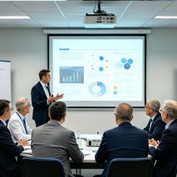
PhD-level scientists provide one-on-one guidance from experimental design, system setup to data interpretation. Direct communication with senior experts streamlines project progress.

Engineered TCR mutants can be directly used in downstream functional assays, including affinity analysis, cellular activity detection and T cell cytotoxicity evaluation.
for your experiment specifics.
Creative Biolabs devotes itself to delivering premium, fully tailored integrated solutions to accelerate global clients' research programs.
Receive a customized solution for your needs →
All listed services and products are For Research Use Only. Do Not use in any diagnostic or therapeutic applications.