Creative Biolabs is offering the most comprehensive services for antibody development projects. With strict regulation and effective execution, we are dedicated to providing the most valuable solutions to complete your projects.
HighlightsCreative Biolabs is offering the most comprehensive services for antibody development projects. With strict regulation and effective execution, we are dedicated to providing the most valuable solutions to complete your projects.
HighlightsCreative Biolabs has established a broad range of platforms for developing novel antibodies or equivalents. These cutting-edge technologies enable our scientists to meet your demands from different aspects and tailor the most appropriate solution that contributes to the success of your projects.
HighlightsWith deep understanding in antibody-related realms and extensive project experience, Creative Biolabs offers a variety of references to help you learn more about our capacities and achievements, including infographic, flyer, case study, peer-reviewed publications, and all kinds of knowledge that can assist your projects. You are also welcome to contact us directly for more specific solutions.
HighlightsGet a real taste of Creative Biolabs, one of the most professional custom service providers in the world. We are committed to providing highly customized comprehensive solutions with the best quality to advance your projects.
Highlights
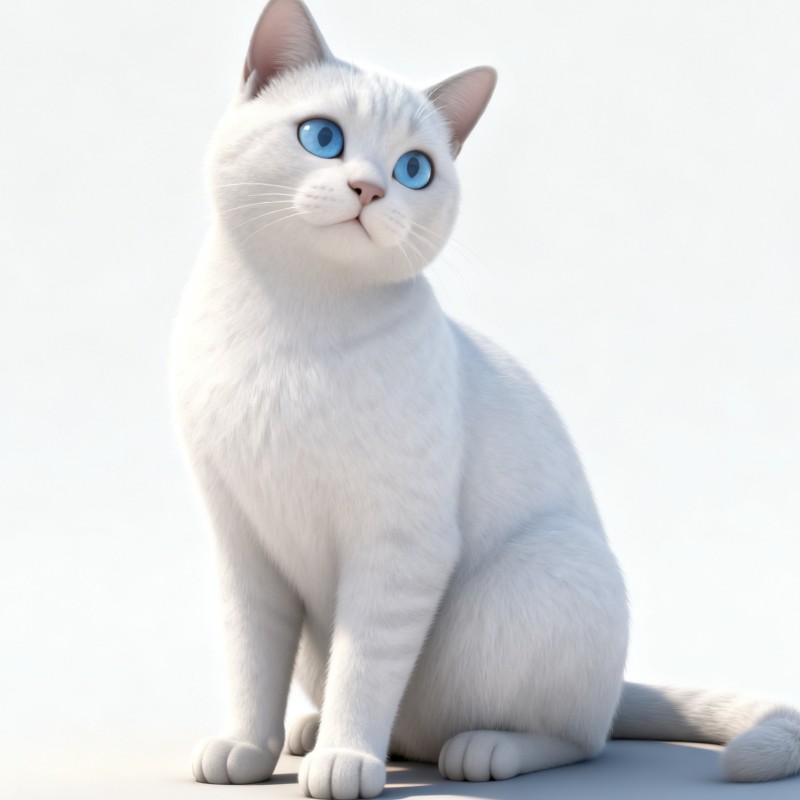
The domestic cat, Felis catus, occupies a unique position in biomedical science, serving not only as a cherished companion animal but also as an increasingly vital model for human disease. The feline immune system, which shares fundamental organizational principles with that of humans, including the V(D)J recombination mechanism for generating antibody diversity, presents a powerful paradigm for studying a range of pathologies. Despite this dual importance, a profound gap persists in our fundamental understanding of the feline humoral immune system.
| Uncharted BCR repertoire |
|
| Unique evolutionary divergence |
|
To address this critical lacuna, Creative Biolabs has developed a dedicated Feline (Cat) BCR Repertoire Profiling Service.
Unlock New Insights into Feline Immunity. .
The architecture combines advanced molecular biology techniques with the power of next-generation sequencing and a bespoke bioinformatics pipeline.
To ensure unbiased and comprehensive capture of the expressed BCR repertoire, we utilize a 5' Rapid Amplification of cDNA Ends (RACE)-based protocol. This is coupled with a proprietary set of multiplex primers designed with high specificity for the constant regions of feline immunoglobulin heavy (IGH) and light (IGK, IGL) chains, circumventing the primer bias inherent in V-gene-targeted multiplex PCR approaches.
Each individual cDNA molecule is tagged with a identifier prior to amplification. This critical step enables the bioinformatic correction of PCR amplification biases and sequencing errors, allowing for the precise quantification of BCR clonotypes and the confident identification of true somatic variants from technical artifacts.
Libraries are sequenced on cutting-edge Illuminating platforms, generating high-depth, paired-end reads. This strategy facilitates the accurate, full-length assembly of the V(D)J variable region, ensuring that the crucial CDR3 domain and flanking framework regions are captured with exceptional fidelity. The sequencing depth is scalable to meet the demands of detecting rare clones within complex repertoires.
The massive datasets generated are processed through our specialized bioinformatics suite, which is tailored to handle feline BCR sequences. It integrates reference-based gene annotation against the latest feline immunoglobulin gene databases, sophisticated error correction, and a suite of advanced analytical modules for comprehensive repertoire characterization.
Advance Your Research with Cat-Specific BCR Profiling. .
Creative Biolabs provides a complete end-to-end solution for Feline BCR Repertoire Profiling:
| STEP | ITEM | DETAIL |
| 1 | Total RNA Isolation and Quality Control | The process begins with the extraction of high-quality total RNA from client-provided B-cell populations, which can be sourced from diverse tissues such as peripheral blood mononuclear cells (PBMCs), spleen, lymph nodes, or bone marrow. RNA integrity and purity are rigorously assessed to guarantee that the starting material is suitable for downstream applications, preventing loss of repertoire complexity. |
| 2 | cDNA Synthesis and Feline-Specific Amplicon Generation | High-quality RNA is reverse-transcribed into complementary DNA (cDNA). Subsequently, the variable regions of both IGH and IGL chains are amplified using our optimized 5' RACE-based protocol. This targeted amplification generates a library of amplicons representing the expressed BCR repertoire, ready for high-throughput sequencing. |
| 3 | High-Throughput Sequencing and Quality Filtering | The prepared amplicon libraries are subjected to deep sequencing on our advanced platform. An uncompromising quality control protocol is applied to the raw sequencing data; only high-quality, successfully paired reads that can be assembled into full-length V(D)J sequences are retained for subsequent analysis, eliminating low-quality data that could compromise the integrity of the results. |
| 4 | Comprehensive Bioinformatic Analysis |
The curated sequence data is fed into our proprietary bioinformatics pipeline, which performs an in-depth analysis to extract key immunological insights. The final deliverables include, but are not limited to:
|
Bridge the Gap in Feline Immunology. .
The detailed repertoire data generated by our service provides a powerful tool to advance a wide spectrum of research and development activities. Key applications include:
Establishing a normative baseline for the healthy feline BCR repertoire, creating an essential reference for all future studies. This allows for the systematic investigation of how the repertoire is altered by age, vaccination, or environmental factors.
Delineating the immunological signatures of disease by comparing the BCR repertoires of healthy versus diseased animals. Such studies can reveal mechanisms of pathogenesis, identify public (shared) clonal responses, and uncover potential biomarkers.
Mining the natural feline immune repertoire for high-affinity, antigen-specific antibodies. By identifying natively optimized BCR sequences from convalescent or immunized animals, this approach can dramatically accelerate the development pipeline for feline therapeutic monoclonal antibodies, bypassing the need for extensive in vitro engineering.
Identifying unique BCR clonotypes or repertoire patterns strongly associated with specific disease states. These signatures can serve as highly specific biomarkers for early diagnosis, prognosis, or monitoring treatment efficacy.
Quantitatively assessing the fidelity of the feline immune response in models of human disease. By comparing the BCR repertoire dynamics in cats to those observed in human patients, researchers can obtain critical data to validate the relevance and predictive power of the animal model.
Transform Your Veterinary Research with High-Resolution BCR Analysis. .
Our core platform technology and analytical principles have been successfully adapted to a diverse array of species, reflecting our deep commitment to comparative immunology. We proudly offer specialized BCR repertoire profiling services for:
This broad capability enables cross-species immunological studies and supports veterinary and biomedical research across a wide phylogenetic spectrum.
 Species-Tailored Assay Design
Eliminates inefficiencies and analytical artifacts that arise from applying generic, non-feline-specific protocols, ensuring comprehensive and accurate repertoire capture.
Accelerated Discovery of Therapeutic Leads
Directly supports the development of feline-specific biologics, substantially reducing the timelines and costs associated with traditional antibody discovery methods.
Proprietary High-Fidelity Sequencing Platform
Provides the sensitivity and precision required to detect rare but functionally important B-cell clones and to accurately quantify repertoire dynamics, even in complex disease states.
Accessible High-Throughput Science
Lowers the barrier to entry for academic labs, veterinary clinics, and biotechnology companies, fostering broader engagement in feline immunology and therapeutic development.
Discover the Future of Feline-Specific Therapeutics. .
Leverage Our Profiling Expertise. .
All listed services and products are For Research Use Only. Do Not use in any diagnostic or therapeutic applications.