
Inorganic Nanoparticle–Based Delivery Systems: What They Are and Why They Matter
Inorganic nanoparticle-based delivery systems are transforming modern nanomedicine by offering precise targeting, powerful imaging capabilities, and smarter ways to release therapeutic molecules. These tiny, engineered particles—built from materials such as gold, iron oxide, or silica—bring unique magnetic and optical properties that traditional carriers cannot match. As researchers look for safer, more effective ways to deliver drugs and genes, inorganic platforms are becoming essential tools in next-generation targeted therapy. In this article, Creative Biolabs breaks down how these systems work, why they matter, and where they are making the biggest impact.
What Are Inorganic Nanoparticles in Drug Delivery?
Inorganic nanoparticles are very small particles, usually between 1 and 100 nanometers, made from metals, metal oxides, or other inorganic materials. In drug delivery, these tiny particles are used as carriers to transport drugs, genes, or imaging agents to specific locations in the body. Common core materials include gold, iron oxide, silica, titanium dioxide, quantum dots, and calcium phosphate. Because these cores are rigid and well defined, scientists can control their size, shape, and surface properties with high precision. This control is very important for targeting, circulation time, and safety. It is useful to compare inorganic nanoparticle-based delivery systems with more familiar organic systems like liposomes and polymeric micelles (Figure 1). Organic carriers often mimic biological membranes and can be very biocompatible. However, inorganic nanoparticles bring extra features such as strong magnetic behavior, high X-ray or electron density, and unique optical properties. These features make them ideal for applications where imaging and therapy need to work together.
Why Inorganic Nanoparticles Are Gaining Momentum in Modern Nanomedicine
The global nanomedicine and nano-drug-delivery markets are growing very fast. As drug molecules become more complex and precision medicine advances, researchers are looking for delivery tools that can do more than just carry a drug. Inorganic nanoparticle-based delivery systems fit this need very well. They can:
- Carry drugs and imaging agents at the same time
- Respond to light, heat, pH, or magnetic fields
- Offer strong and stable signals for MRI, CT, or optical imaging
- Support multivalent attachment of ligands for highly specific targeting
At the same time, industries such as oncology, cardiovascular medicine, and infectious disease research are pushing hard for better diagnostic and theranostic solutions. Therefore, inorganic platforms are gaining attention as part of advanced targeted delivery strategies that link diagnosis and treatment in one system.
How Inorganic Nanoparticles Enable Targeted Delivery
Passive targeting (EPR effect)
First, many inorganic nanoparticles rely on the enhanced permeability and retention (EPR) effect. Tumor blood vessels are often leaky, and lymphatic drainage is poor. Therefore, nanoparticles of the right size can pass through these vessels and remain in the tumor tissue longer than in normal tissues.
Active targeting with surface ligands
Second, active targeting is achieved when specific ligands are attached to the nanoparticle surface. These ligands can be antibodies, antibody fragments, peptides, aptamers, or sugars. They recognize receptors on tumor cells, inflamed endothelium, or other disease-related targets. As a result, the nanoparticle-drug complex accumulates more specifically where the disease is located.
Stimuli-responsive drug release (pH, heat, magnetic field, light)
Third, inorganic nanoparticle-based delivery systems can be engineered to respond to internal or external triggers. For example:
- Low pH in tumors or endosomes
- High levels of specific enzymes or redox conditions
- Applied heat, light, or alternating magnetic fields
These triggers can open pores, break linkers, or change coatings so that the payload is released only at the desired site.
Magnetically guided accumulation and hyperthermia
Finally, iron oxide nanoparticles and related hybrid systems can be guided using external magnets. They can also generate heat when exposed to alternating magnetic fields. This effect can boost drug penetration, damage tumor cells directly, or enhance the effect of radiotherapy.
Advantages and Limitations of Inorganic Nanocarriers
When evaluating inorganic nanoparticle-based delivery systems, it is important to consider both their powerful advantages and the practical limitations that shape their performance and safety.
Advantages
- High structural stability that protects sensitive drugs from premature degradation.
- Tunable size and shape, which help control circulation time and tissue distribution.
- Strong optical or magnetic properties, ideal for imaging and external-field control.
- High surface area, allowing dense loading of drugs and targeting ligands.
- Multimodal potential, enabling combined imaging and therapy in a single construct.
Limitations
- Long-term accumulation in the liver, spleen, or bone marrow occurs if particles are not degradable.
- Potential metal ion release and oxidative stress must be carefully assessed.
- Rapid uptake by the reticuloendothelial system (RES) if coatings are not optimized.
- Complex regulatory pathways, since regulators focus strongly on biodistribution, metabolism, and chronic toxicity.
In many programs, these pros and cons are balanced by using hybrid systems. For instance, an inorganic core may be coated with biocompatible polymers or lipids, which is very much aligned with the modular concept used in Creative Biolabs’ module delivery systems.
Types of Inorganic Nanoparticles Used for Drug and Gene Delivery
There are nine types of inorganic nanoparticles (Figure 1). Below, the major families of inorganic nanoparticle-based delivery systems will be introduced. Each type has its own strengths and ideal applications.
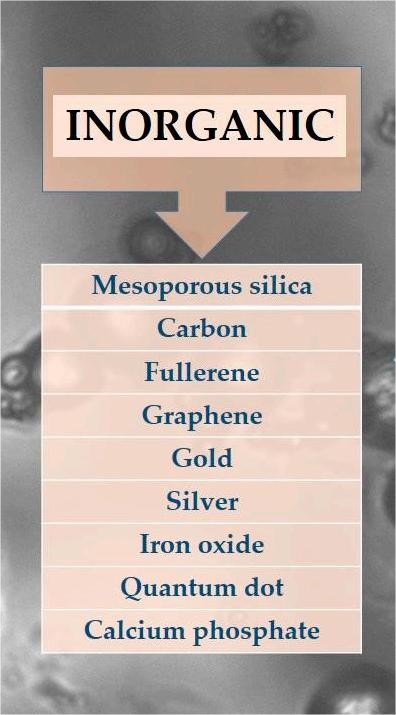 Fig.1 The classification of inorganic nanoparticles.1
-
Gold nanoparticles (AuNPs) and nanoshells
Often used for photothermal therapy, CT enhancement, and targeted chemotherapy. They convert light into heat and can be easily functionalized with thiol-linked ligands. -
Iron oxide nanoparticles (SPIONs/USPIOs)
Superparamagnetic iron oxide nanoparticles are well known as MRI contrast agents and as carriers for magnetically guided delivery and hyperthermia. -
Mesoporous silica nanoparticles (MSNs)
These have well-ordered pores and a high surface area. They can load large amounts of drugs or nucleic acids and can be designed for controlled or stimuli-responsive release. -
Quantum dots and upconversion nanoparticles
These particles have strong and tunable fluorescence or upconversion properties, making them useful for image-guided delivery and multiplexed imaging. -
Calcium phosphate and hybrid inorganic platforms
Calcium phosphate particles can dissolve under acidic conditions and are widely explored for gene and protein delivery. Hybrid systems combine inorganic cores with lipid or polymer shells to balance performance and safety.
Because each platform is different, many programs now consider "modular" strategies, where inorganic cores are combined with lipids, polymers, or targeting ligands. This idea fits well with Creative Biolabs’ module delivery systems, which allow flexible assembly of multiple functional modules around a chosen core.
Applications of Inorganic Nanoparticles
Applications of inorganic nanoparticles are rapidly expanding from advanced imaging to disease-specific delivery, making them a central focus in next-generation nanomedicine (Figure 2).
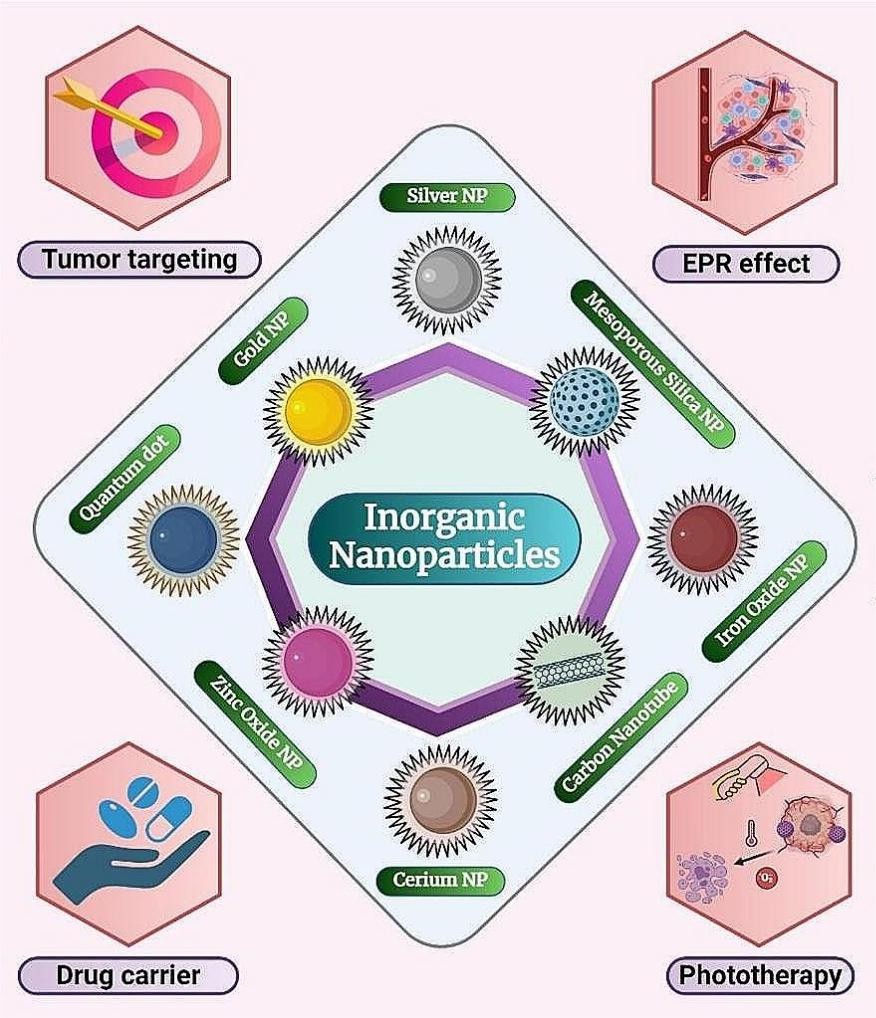 Fig.2 Applications of inorganic nanoparticles.2
Inorganic Nanoparticles for MRI and Multimodal Imaging
Inorganic nanoparticles have transformed how researchers think about MRI and multimodal imaging. Iron oxide nanoparticles act as T2 or T2* contrast agents by disturbing local magnetic fields. Gadolinium- or manganese-containing nanoparticles can act as T1 agents and provide bright contrast in specific tissues.
Because nanoparticles have larger surface areas than small-molecule chelates, they can carry many paramagnetic ions at once. This often results in higher relaxivity and stronger signals. In some designs, gadolinium chelates are grafted onto a nanoparticle surface, leading to improved performance at clinical field strengths.
Gold nanoparticles, high-Z metal oxides, and hybrid particles can also support CT or photoacoustic imaging. When combined with fluorescent dyes or quantum dots, one nanoparticle can carry multiple imaging modes at once. This multimodal concept is very powerful for image-guided surgery, real-time therapy monitoring, and biomarker validation.
Therapeutic Applications Across Diseases
Inorganic nanoparticle-based delivery systems are being explored in many disease areas.
-
Cancer therapy
They can deliver chemotherapy drugs, small interfering RNA (siRNA), microRNA, or gene-editing tools directly to tumor sites. Gold and iron oxide platforms also support photothermal and photodynamic therapy, radiosensitization, and image-guided surgery. -
Infectious disease and antimicrobial coatings
Silver and certain metal-oxide nanoparticles have strong antimicrobial properties. They can be incorporated into coatings, wound dressings, or local delivery systems to help manage difficult infections and biofilms. -
Cardiovascular and inflammatory disease
Targeted nanoparticles can carry anti-inflammatory agents, thrombolytic drugs, or lipid-lowering molecules to specific sites such as atherosclerotic plaques or inflamed vessels. -
Regenerative medicine and bone repair
Calcium phosphate and silica-based carriers can deliver growth factors, osteogenic agents, or nucleic acids to support bone and tissue regeneration.
Because of this broad scope, inorganic nanoparticle-based delivery systems are increasingly seen as core tools in advanced translational research.
Clinical and Regulatory Landscape of Inorganic Nanomedicine
Today, most approved nanomedicines are still based on liposomes, lipid nanoparticles, or polymeric carriers. However, inorganic platforms are moving forward, especially in imaging and oncology.
Iron oxide nanoparticles have already reached clinical use as MRI contrast agents in certain regions and indications. Other metal-oxide-enhanced agents and hybrid inorganic formulations are in various stages of clinical development. At the same time, regulators are cautious about long-term accumulation, unexpected immune responses, and chronic toxicity. Therefore, the successful development of inorganic nanoparticle-based delivery systems depends on solid pharmacokinetic studies, detailed tissue distribution analysis, and robust nanotoxicology data. Collaboration between industry, academia, and regulators is helping to build clearer paths to approval.
To see how these imaging, therapeutic, and translational advances can be integrated into custom project designs, visit Creative Biolabs’ targeted delivery service hub for inorganic nanoparticle-based platforms and related modalities.
Design Factors That Influence Safety and Performance
To build safe and effective inorganic nanoparticle-based delivery systems, several design factors must be considered.
-
Size and shape
Smaller particles may circulate longer but can also pass into off-target tissues. Rods, spheres, stars, and shells each have unique behavior in blood and tissues. -
Surface coating
PEGylation, zwitterionic polymers, or biomimetic cell-membrane coatings help reduce protein adsorption and RES uptake. These coatings also improve colloidal stability in blood. -
Bioconjugation strategies
Well-established chemistries such as thiol-gold interactions, silane coupling, and carbodiimide crosslinking allow stable attachment of antibodies, peptides, nucleic acids, or small molecules. -
Biodegradability and clearance
Increasing attention is now given to designing cores and coatings that break down into safe, excretable products. This supports long-term safety and smoother regulatory review.
Creative Biolabs’ Capabilities in Inorganic Nanoparticle Targeted Delivery
Creative Biolabs is well-positioned to support both discovery teams and development groups working with inorganic nanoparticle-based delivery systems. Our targeted delivery platform covers inorganic cores along with lipid, polymer, viral, and cell-based carriers.
Key capabilities include:
- Custom design of inorganic nanoparticle platforms: Gold, iron oxide, silica, quantum dots, calcium phosphate, and hybrid systems tailored to project needs.
-
Surface engineering and ligand conjugation
Attachment of antibodies, peptides, aptamers, sugars, or nucleic acids using robust and scalable chemistries. -
Payload loading and controlled release design
Encapsulation, adsorption, or covalent linkage of small molecules, biologics, and nucleic acids. -
In vitro profiling and mechanism studies
Cellular uptake, cytotoxicity, targeting efficiency, and stimuli-responsive behavior. -
In vivo proof-of-concept
Biodistribution, efficacy, and imaging readouts in relevant animal models.
By combining inorganic platforms with our module delivery systems, we can build flexible, modular constructs that scale from early feasibility to preclinical candidate selection.
Related Services You May Be Interested in
FAQs
What are inorganic nanoparticles in drug delivery?
Inorganic nanoparticles are tiny carriers made from metals, metal oxides, or other inorganic materials that deliver drugs or imaging agents to specific sites in the body.
Are inorganic nanoparticle-based delivery systems safe?
They can be safe when carefully designed, coated, and tested. However, long-term accumulation and metal ion release must always be evaluated.
How do inorganic nanoparticles compare with liposomes?
Liposomes are very biocompatible and membrane-like, while inorganic nanoparticles provide stronger imaging signals, higher stability, and more options for external control.
Are any inorganic nanoparticle-based therapies approved?
Iron oxide nanoparticles and some metal-based imaging agents have reached clinical use or advanced development, especially as MRI contrast agents.
Why use inorganic nanoparticles for MRI and imaging?
They offer higher relaxivity, longer circulation times, and easier targeting than many small-molecule contrast agents, which improves imaging quality.
Conclusion: The Future of Inorganic Nanoparticle Delivery Systems
Inorganic nanoparticle-based delivery systems are moving from "interesting tools" to "essential platforms" in nanomedicine. Their unique magnetic, optical, and structural features enable precise targeting, powerful imaging, and smart, stimuli-responsive drug release. As markets for nanomedicine and nano-drug-delivery continue to grow, inorganic carriers will play an even larger role in oncology, infection, cardiovascular disease, and regenerative medicine. However, success in this space requires careful balance between innovation and safety. Particle size, coating, biodegradability, and regulatory expectations all need to be considered from the very beginning of each project.
If you are exploring inorganic nanoparticle-based delivery systems for your next program, Creative Biolabs is ready to help. Our integrated targeted delivery services can allow you to design, test, and optimize custom inorganic nanocarriers with confidence.
Get in touch with our team today to discuss your project, and let us help you turn advanced nanomedicine concepts into robust, data-driven candidates.
References
- Gvozdeva, Y. "Nanotechnology-Based Delivery Systems for Enhanced Targeting of Tyrosine Kinase Inhibitors: Exploring Inorganic and Organic Nanoparticles as Targeted Carriers." Kinases and Phosphatases 3, 9 (2025). https://www.mdpi.com/2813-3757/3/2/9. Distributed under Open Access license CC BY 4.0, without modification.
- Narayana, S. et al. "Inorganic nanoparticle-based treatment approaches for colorectal cancer: recent advancements and challenges." J Nanobiotechnol 22, 427 (2024). https://jnanobiotechnology.biomedcentral.com/articles/10.1186/s12951-024-02701-3. Distributed under Open Access license CC BY 4.0, without modification.