Carbohydrate Ligand Synthesis Services for Targeted Drug Delivery
Targeted delivery systems must overcome complex biological barriers to reach their intended site of action while minimizing systemic toxicity. Creative Biolabs provides the most suitable solution through our advanced Carbohydrate Ligand Synthesis Services. By combining expert chemical synthesis with deep biological insights, we empower researchers to harness the specificity of lectin-carbohydrate interactions, transforming non-specific formulations into intelligent, receptor-targeted therapies. Creative Biolabs is your premier partner for developing high-purity, structurally defined carbohydrate ligands tailored for liver, immune, and tumor targeting.
Obtain Solutions for Carbohydrate Ligand Development
The Power of Carbohydrates Ligand-Mediated Targeting
The Mechanism of Receptor-Mediated Endocytosis
Carbohydrates (glycans) function as critical recognition elements in biological systems, acting as the "molecular vocabulary" for cell-cell communication. Specific cell surface proteins, known as C-type lectins (e.g., ASGP-R, CD206), exhibit high affinity for specific terminal carbohydrate residues. By functionalizing therapeutic carriers or active pharmaceutical ingredients (APIs) with these carbohydrate ligands, we facilitate receptor-mediated endocytosis. This active targeting mechanism ensures high-efficiency cellular uptake and intracellular trafficking, enhancing the bioavailability of the payload at the site of action while bypassing non-target tissues.
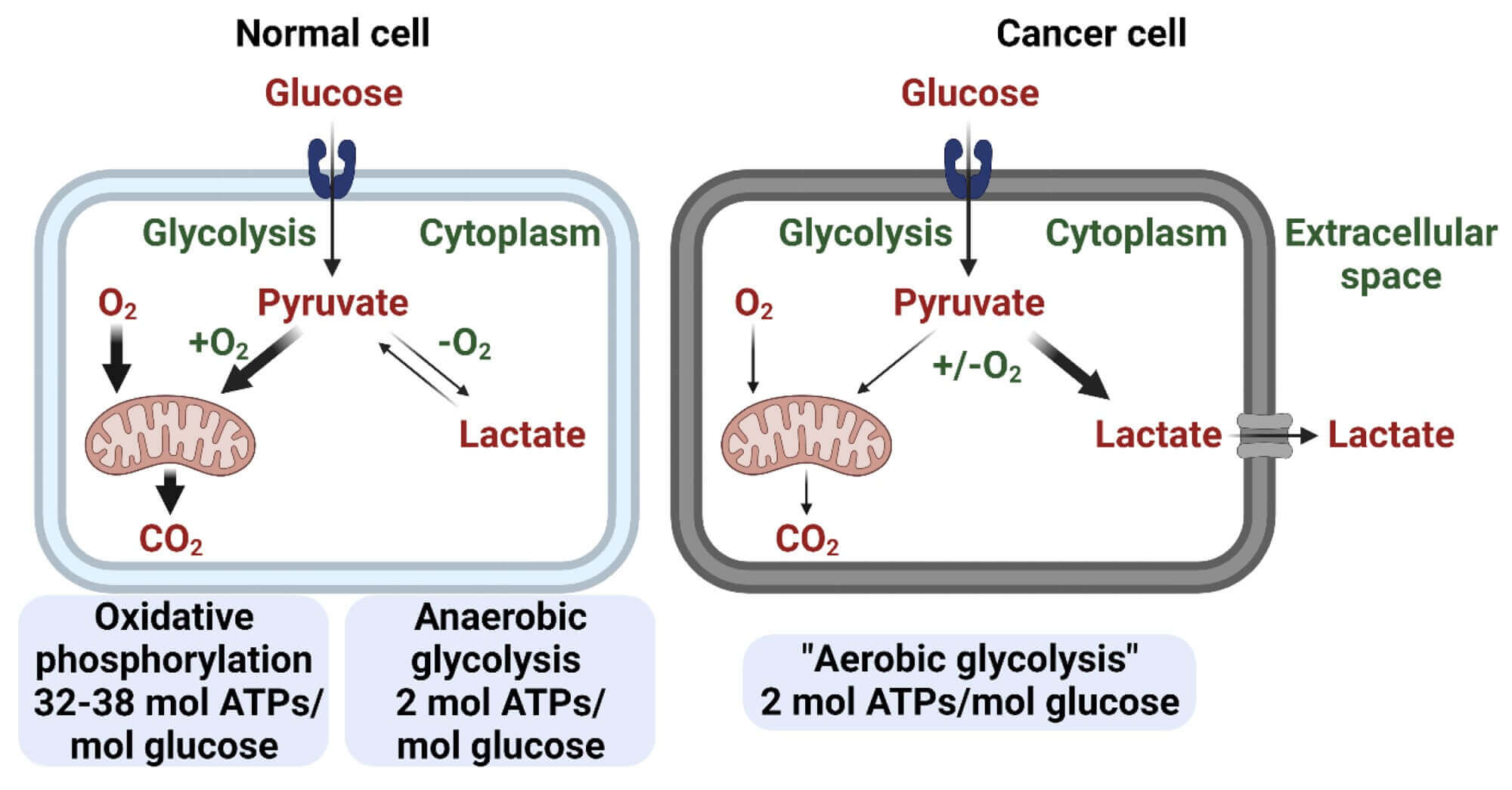 Fig. 1 Glucose metabolism in healthy and cancer-transformed cells.1,3
Strategic Architectures for Carbohydrates-Mediated Targeted Delivery
To translate the high specificity of lectin-carbohydrate interactions into therapeutic outcomes, Creative Biolabs employs two structural strategies. These engineering paradigms are tailored to accommodate diverse payloads, ensuring that the integration of targeting ligands enhances pharmacokinetics and facilitates rapid, receptor-driven cellular uptake without compromising the stability of the therapeutic agent.
Strategy A: Carbohydrate-Drug Conjugates
Carbohydrate-Drug Conjugates represent a precision medicinal chemistry approach where a specific carbohydrate moiety is covalently linked to a therapeutic payload (small molecule, peptide, or oligonucleotide) via a stable or cleavable linker.
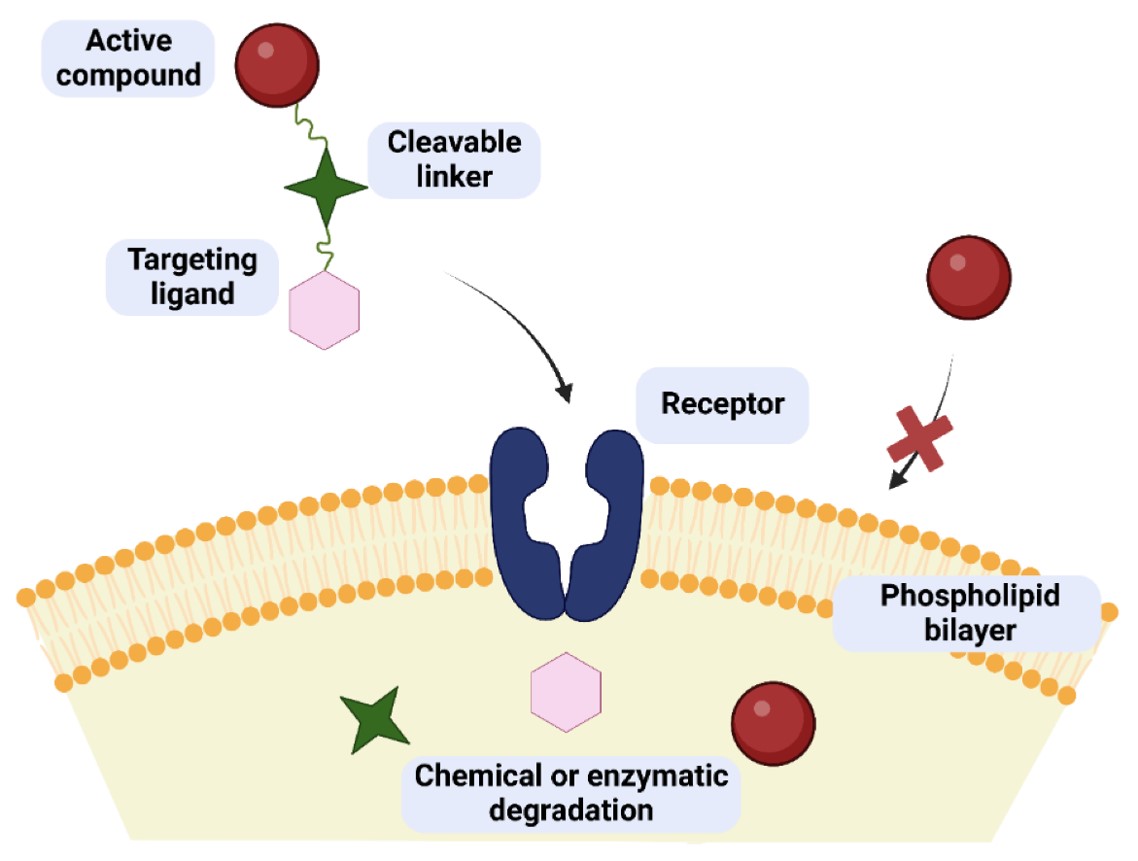 Fig. 2 Glucose metabolism in healthy and cancer-transformed cells.1,3
- Molecular Chaperoning: The carbohydrate acts as a "homing moiety," dictating the biodistribution profile of the conjugate.
- Stoichiometric Control: Defined chemical structures allow for precise control over the drug-to-ligand ratio (DAR), ensuring consistent potency.
- Physicochemical Optimization: The incorporation of hydrophilic carbohydrate moieties significantly improves the aqueous solubility and stability of hydrophobic small molecules or peptides, preventing aggregation and facilitating formulation.
Strategy B: Ligand-Coupled Delivery Systems
Carbohydrate ligands are strategically employed to functionalize the surface of diverse nanocarrier platforms, including Lipid Nanoparticles (LNPs), liposomes, and polymeric micelles, creating a bioactive "Glycan Corona."
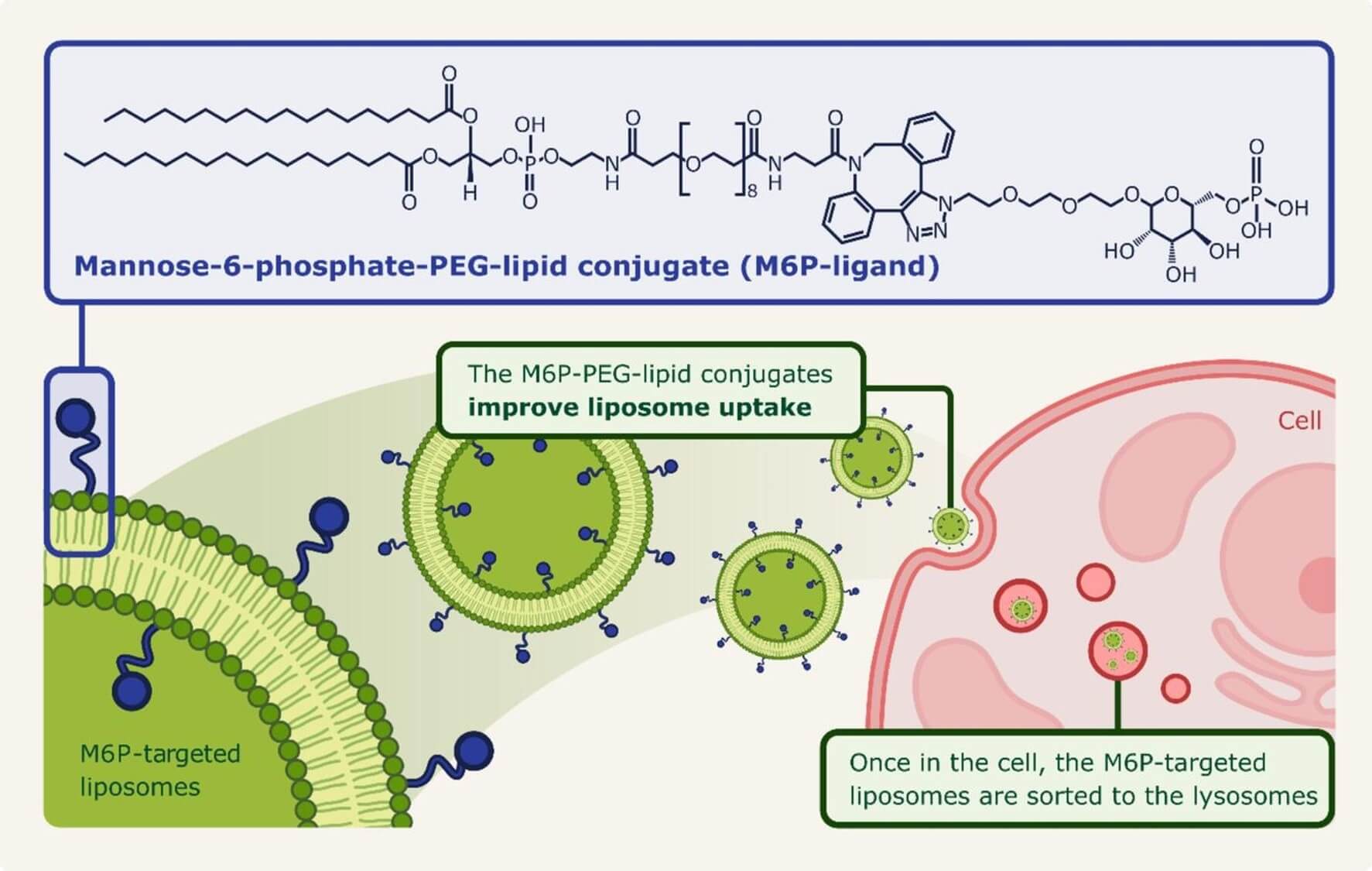 Fig. 3 Glucose metabolism in healthy and cancer-transformed cells.2,3
- Active Targeting: Unlike passive targeting (EPR effect), the glycan corona drives active cellular internalization through specific receptor binding.
- Tunable Surface Density: Precise control over the molar ratio of ligand-functionalized lipids allows for the fine-tuning of surface density. This capability enables the optimization of binding kinetics, ensuring efficient receptor engagement while maintaining formulation stability.
- Stealth Properties: Hydrophilic glycan coatings can also mimic host cell surfaces, potentially reducing immunogenicity and extending circulation half-life.
Common Carbohydrate Ligand in Targeted Drug Delivery
The efficacy of a targeted delivery system hinges on the precise matching of the carbohydrate ligand to the receptor expressed on the target tissue. Creative Biolabs supports rational drug design by providing a portfolio of ligands optimized for key physiological targets.
| Ligand Class | Specific Ligand | Target Receptor | Primary Target Tissue/Cell |
|---|---|---|---|
| Galactose/GalNAc | Galactose, N-Acetylgalactosamine | Asialoglycoprotein Receptor (ASGPR) | Hepatocytes (Liver) |
| Mannose | D-Mannose, Trimannose | Mannose Receptor (CD206), DC-SIGN | Macrophages, Dendritic Cells (Immune System) |
| Glucose | D-Glucose, 2-DG | Glucose Transporters (GLUT1, GLUT3) | Blood-Brain Barrier, Solid Tumors |
| Fucose | L-Fucose | Selectins (E-selectin, P-selectin) | Inflamed Endothelium, Metastatic Sites |
| Sialic Acid | Sialyl Lewis X | Selectins, Siglecs | Neutrophils, Tumor Vasculature |
| Polysaccharides | Hyaluronic Acid (HA) | CD44 Receptor | Cancer Stem Cells, Tumor Stroma |
Precision Ligand Engineering & Synthesis Services
Creative Biolabs offers a fully integrated workflow for the development of targeting modules, ensuring stereochemical integrity and chemical versatility. Beyond standalone ligands, we distinguish ourselves by offering a catalog of in-stock lipids conjugated with carbohydrates. These ready-to-use building blocks are essential for the rapid development of next-generation Lipid Nanoparticles (LNPs) and liposomal formulations, allowing you to bypass synthesis timelines and accelerate your research.
Custom Carbohydrate Ligand Discovery & Synthesis
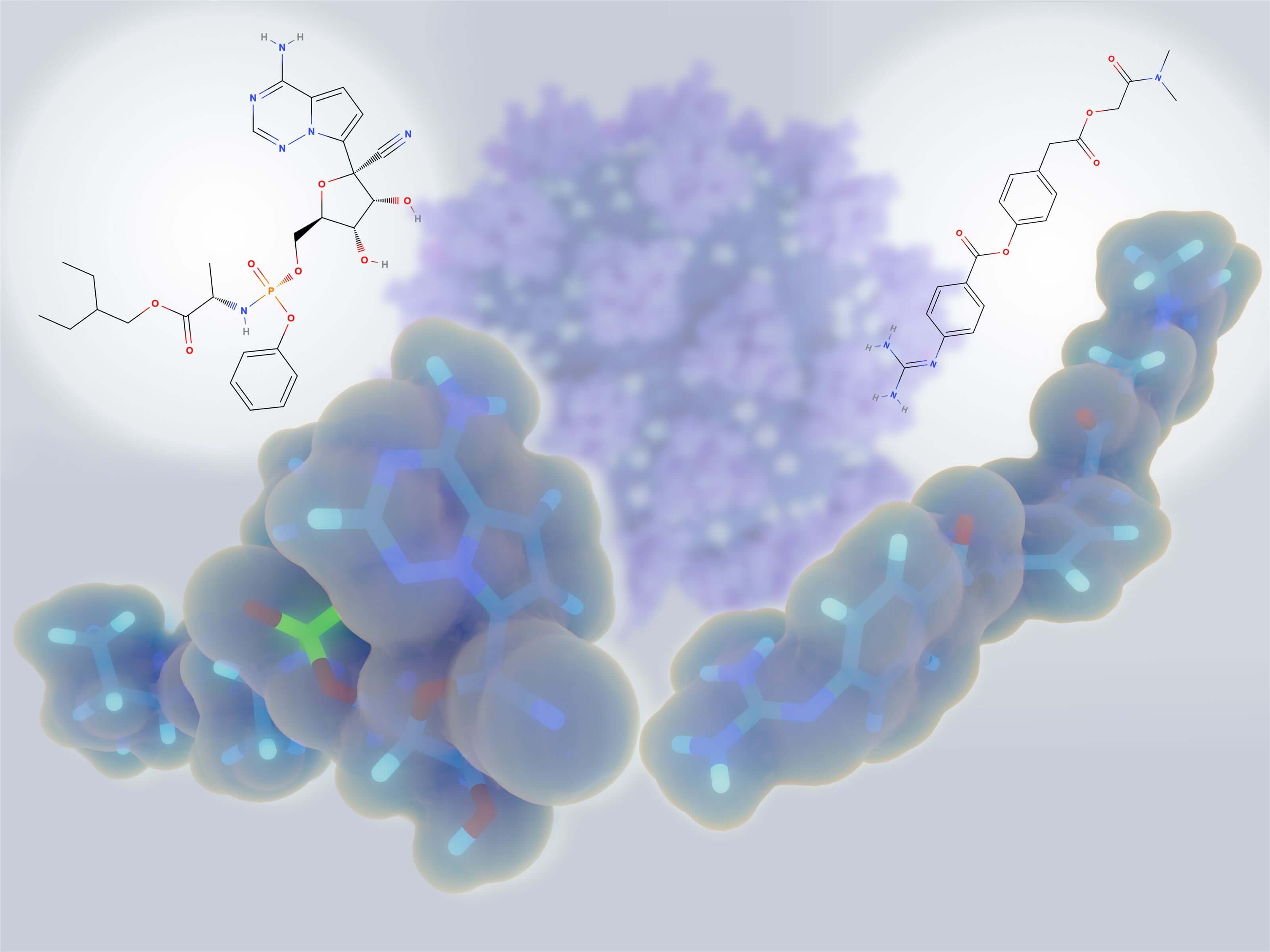
We provide end-to-end synthesis services for novel and standard carbohydrate ligands. Our platform is optimized to deliver high-purity targeting moieties with precise stereochemical control, critical for maximizing receptor binding affinity.
- Comprehensive Ligand Portfolio: We synthesize a vast array of targeting moieties to suit diverse biological applications. Our capabilities include, but are not limited to, GalNAc, Mannose and M6P, Glucose/Glucosamine, Sialic Acid, and Fucose derivatives.
- Stereochemical & Regiochemical Precision: We employ advanced synthetic methodologies to ensure absolute control over anomeric configurations and regio-selectivity, guaranteeing the biological integrity and receptor specificity of the ligand.
- De Novo Synthesis of Modified Sugars: Our team can generate non-canonical sugar derivatives, including azido-, and amino-sugars, as well as isotopically labeled variants for metabolic tracking, click chemistry, and mechanistic studies.
Workflow

Unlocking Therapeutic Potential with Carbohydrate Ligand
Hepatic Nucleic Acid Delivery (Therapeutics)
The GalNAc-ASGP-R axis is the gold standard for delivering oligonucleotide therapeutics. It facilitates rapid endocytosis into hepatocytes, enabling potent gene silencing (siRNA) or editing (CRISPR) for metabolic and genetic liver disorders.
Immuno-Oncology & Vaccine Delivery (Therapeutics)
Targeting C-type lectins on Antigen-Presenting Cells (APCs) using Mannose or Fucose motifs enhances antigen uptake. This strategy is pivotal for developing potent cancer vaccines and reprogramming the immunosuppressive tumor microenvironment (TME).
Molecular Diagnostics & Biosensing (Diagnostics)
Carbohydrate ligands are essential for developing high-sensitivity diagnostic tools. By immobilizing specific glycans on sensor surfaces, researchers can detect pathogenic bacteria, viruses, or toxins that utilize lectins for host invasion, enabling rapid point-of-care testing.
Targeted Imaging Agents (Imaging)
Glycan-functionalized contrast agents (e.g., for MRI or PET) allow for the non-invasive visualization of specific tissue types or metabolic states. For instance, Glucose-conjugated imaging probes can map metabolic hotspots in tumors, aiding in precise cancer staging.
Biomimetic Materials (Biotech)
In tissue engineering, scaffolds functionalized with carbohydrate ligands can mimic the extracellular matrix (ECM), promoting specific cell adhesion and differentiation. This is critical for developing advanced cell culture systems and regenerative medicine solutions.
Why Choose Creative Biolabs?
Stereochemical Mastery
Expert control of anomeric purity prevents off-target binding caused by isomeric impurities, ensuring safety and efficacy.
Advanced Analytical Characterization
Specialized detection provides absolute structural confirmation, overcoming standard QC bottlenecks for UV-inactive glycans.
Scalability
Process-optimized routes enabling seamless scale-up from milligram discovery to gram-scale preclinical batches without compromising purity.
Plug-and-Play Compatibility
Ligands with bio-orthogonal handles (Azide, DBCO, Maleimide) designed for seamless integration into standard bioconjugation workflows.
At Creative Biolabs, we bridge the gap between complex carbohydrate chemistry and translational biology. Our Carbohydrate Ligand Synthesis Services provide the essential molecular tools to unlock the potential of receptor-mediated drug delivery. Whether you are targeting the liver via ASGP-R, modulating immune responses via lectins, or enhancing tumor accumulation, we are your trusted partner for high-purity, structurally defined targeting modules.
Related Services & Products
Related Services
Chemical Synthesis Services
Related Products
| Product Name | Description | Inquiry |
|---|---|---|
| DSPE-Mannose | Mannose directly conjugated to DSPE phospholipid, ideal for macrophage targeting in non-stealth liposomes. | |
| DSPE-PEG-Mannose | PEGylated phospholipid with Mannose functionality, enabling CD206 targeting with extended circulation half-life. | |
| DSPE-TK-PEG-HA | ROS-responsive (Thioketal) PEG-lipid conjugated to Hyaluronic Acid (HA) for CD44 targeting and stimuli-responsive payload release. | |
| DMG-PEG-Mannose | Mannose-functionalized PEG-lipid with a DMG anchor, optimized for rapid dissociation and transfection in LNP formulations. | |
| DSPE-PEG-Galactose | Galactose-functionalized PEG-lipid for targeting ASGP-R on hepatocytes or Galectin receptors on tumor cells. |
FAQs
Can you support the synthesis of custom GalNAc-siRNA conjugates?
Yes. We offer reagents compatible with solid-phase synthesis (phosphoramidites) and can perform post-synthetic conjugation to deliver the fully constructed GalNAc-siRNA molecule.
What options do you have for linker length optimization?
We can synthesize ligands with discrete PEG spacers (e.g., PEG4, PEG8, PEG12) to optimize the hydrodynamic radius and ensure the ligand extends beyond the "protein corona" of a nanoparticle.
How should these ligands be stored to maintain stability?
Most carbohydrate ligands are hygroscopic. We supply them as lyophilized powders. We recommend storage at -20°C in a desiccated environment to prevent hydrolysis or degradation.
References
- Pastuch-Gawołek, Gabriela, et al. "A small sugar molecule with huge potential in targeted cancer therapy." Pharmaceutics 15.3 (2023): 913. https://doi.org/10.3390/pharmaceutics15030913.
- Sevarika, Boris, et al. "Mannose-6-phosphate-PEG-lipid conjugates improve liposomal uptake." European Journal of Pharmaceutics and Biopharmaceutics 209 (2025): 114665. https://doi.org/10.1016/j.ejpb.2025.114665
- Distributed under Open Access license CC BY 4.0, without modification.