
An exhaustive inventory of pre-engineered Modular Carrier Systems (liposomes, exosomes, LNPs, polymeric nanocarriers) and an assortment of certified Targeting Agents (aptamers, peptides, functionalized lipids, directed polymers, stimuli-reactive compounds), primed for your R&D requirements in microglia targeting.
Microglia Targeting Module Development Service
Overview Microglia Targeting Solution Targeting Module What We Can Offer? Workflow Our Advantages Published Data FAQs
Are you currently facing challenges in targeting specific cell types within the central nervous system, optimizing drug delivery to the brain, or developing precise therapies for neuroinflammatory and neurodegenerative diseases? Creative Biolabs' Microglia Targeting Module Development helps you achieve highly specific targeting of microglia, enhance therapeutic delivery across the blood-brain barrier, and refine treatment strategies for complex neurological conditions through innovative module design and conjugation techniques.
Overview
Microglia are the primary resident immune cells of the central nervous system (CNS), constituting approximately 5-12% of all CNS cells. These highly dynamic cells continuously survey their microenvironment, playing essential roles in CNS development, maintaining neuronal networks, synaptic pruning, and responding to injury and infection. In a healthy state, microglia exhibit a ramified morphology, constantly extending and retracting their processes to monitor neuronal activity and clear cellular debris. Upon pathological stimulation, such as infection, injury, or neurodegenerative processes, microglia rapidly activate, undergoing morphological and functional transformations.
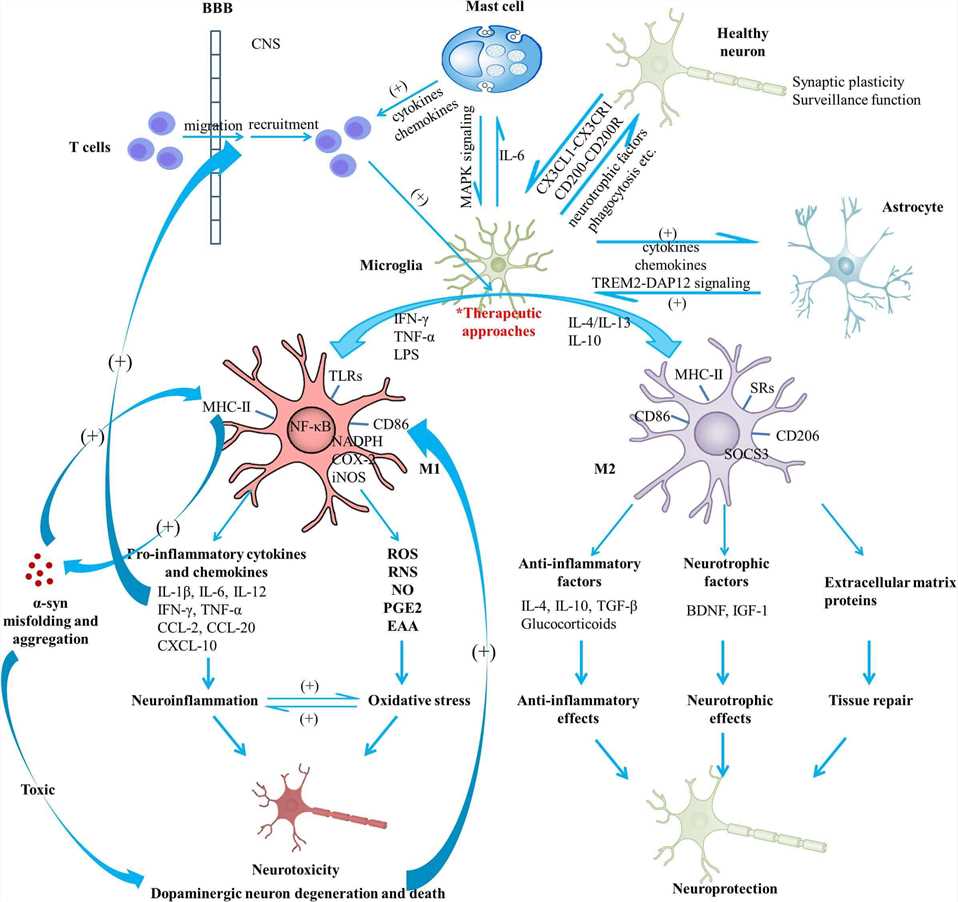 Fig.1 Microglial activation and reciprocal signaling dynamics between microglia and additional immune mediators in Parkinson's disease pathogenesis.1.4
Dysregulated microglial activation is implicated in the pathogenesis and progression of numerous neurological diseases, including Alzheimer's disease, Parkinson's disease, multiple sclerosis, stroke, and chronic pain. Their critical involvement in neuroinflammation and neurodegeneration makes microglia an attractive target for novel therapeutic strategies. However, the unique physiological barriers of the CNS, particularly the blood-brain barrier (BBB), pose significant challenges for delivering therapeutic agents specifically to microglia. Microglia targeting module development aims to overcome these hurdles by designing sophisticated delivery systems equipped with specific ligands that recognize and bind to microglial surface markers, enabling precise and efficient delivery of payloads to these crucial cells.
Creative Biolabs' Microglia Targeting Solution
Creative Biolabs' microglia targeting modules are central to our precision CNS delivery. These engineered components integrate into delivery systems (LNPs, liposomes, exosomes), functionalized with specific ligands that bind to microglial receptors or subsets.
Microglial uptake uses a dual approach:
Passive Targeting
Nanoparticles (100-200 nm) exploit the Enhanced Permeability and Retention (EPR) effect in compromised CNS areas, leading to microglial internalization.
Active Targeting
This core strategy uses high-affinity ligands on delivery systems that bind to overexpressed microglial receptors. This triggers receptor-mediated endocytosis, ensuring selective payload internalization. This maximizes efficacy and minimizes off-target effects, offering flexible solutions for neurological research.
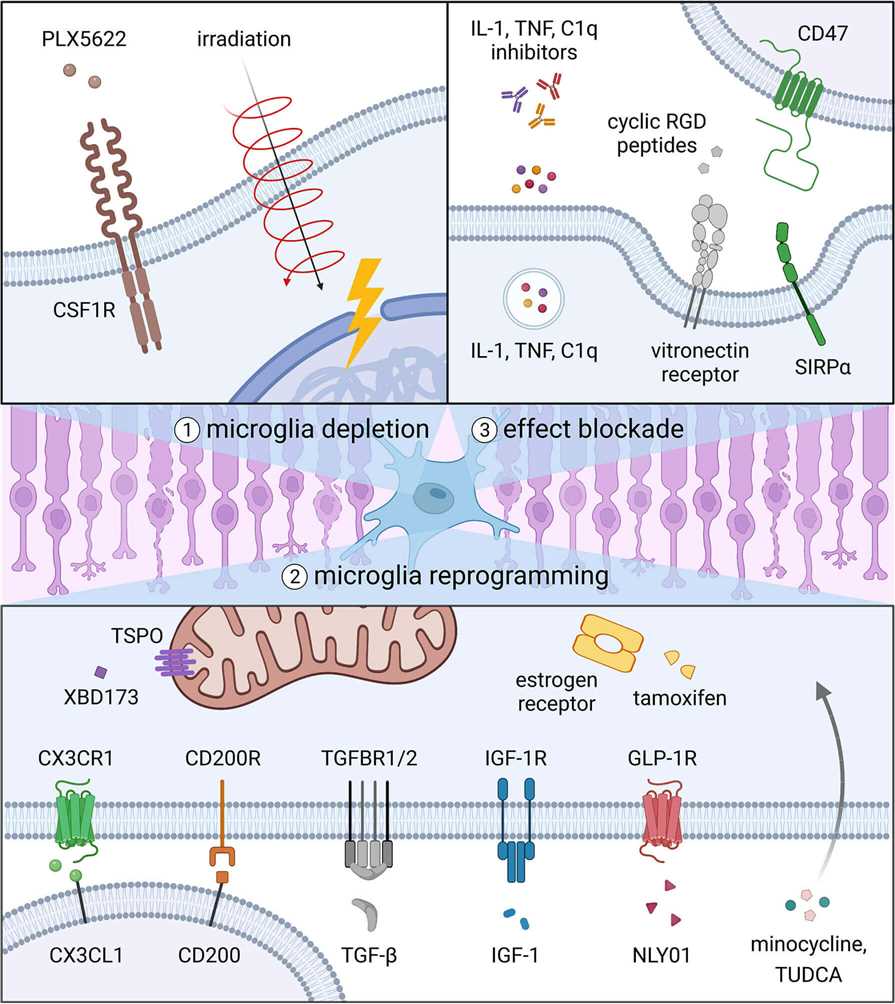 Fig.2 Strategies to target microglia in degenerative eye diseases.2,4
Microglia Targeting Module
Creative Biolabs' sophisticated microglia targeting modules precisely guide delivery systems to specific microglial types or activation states via high-affinity binding to unique surface markers. This ensures therapeutic payloads accumulate accurately in the CNS, maximizing efficacy and minimizing off-target effects. Our diverse module library offers flexibility, with each type selected for specificity, stability, and easy conjugation. Modules typically combine a high-affinity ligand (e.g., peptide, antibody) with a stable linker to a delivery vehicle (e.g., nanoparticles), allowing customization for neurological projects.
| Ligand Type | Mechanism of Action | Targeted Marker(s) | Advantages/Application |
|---|---|---|---|
| Antibodies | Highly specific proteins binding unique microglial antigens. |
|
Exceptional specificity and high affinity; robustly target specific microglial phenotypes or disease-associated populations. |
| Peptide | Short amino acid sequences binding specific microglial receptors. |
|
Small size, aids CNS penetration. Customizable, cost-effective; precisely target microglial activation states/functions. |
| Carbohydrates | Glycan structures interacting with microglial lectins. |
|
Leverage natural recognition for uptake; target specific glycosylation/lectin profiles. |
| Aptamers | DNA/RNA molecules binding specific microglial targets with high affinity. | Various surface proteins (e.g., specific ion channels, receptors) | Antibody-comparable specificity, stable, low immunogenicity, easy synthesis; versatile targeting agents. |
| Other | Diverse mechanisms (receptor binding, ion channel modulation). |
|
Broad design possibilities, optimized for BBB permeability. Unique targeting profiles based on microglial metabolic states/receptor expression. |
Contact Us About Microglia Targeting Module
What We Can Offer?
Creative Biolabs occupies a unique stance on the pioneering frontier of targeted therapeutic conveyance progress for neurotherapeutic applications. Our consortium of specialized biologists, chemists, and engineers contributes over twenty years of cumulative expertise in creating advanced targeting solutions.
Ready-to-Employ Offerings
Custom-Engineered Solutions
Our tailored program facilitates the development of personalized delivery platforms and innovative targeting elements from conception through verification, exactly aligning with your initiative's particular demands. This encompasses bespoke aptamer, peptide, or polymer production and linkage, plus refinement of carrier system properties for defined microglial populations or pathological conditions.
Ligand Coupling Capabilities
Proficiency in attaching chosen targeting moieties to diverse delivery vehicles (nanoparticles, liposomes, polymers, etc.) to accomplish effective microglia targeting.
Preclinical Assessment
Cellular and animal model evaluations appraising targeting precision, intracellular assimilation, CNS biodispersion, and treatment effectiveness for microglia-directed therapies.
Holistic Scientific Alliance
Partner with us to leverage our deep expertise, advanced technological resources, and rigorous quality frameworks for microglia-centric initiatives, encompassing experimental design to interpretive analytics.
Workflow

Why Choose Us?
Collaborating with Creative Biolabs signifies selecting a trajectory toward expedited neurological therapeutic advancement, amplified treatment effectiveness for CNS conditions, and substantial mitigation of non-specific interactions. Our dedication to pioneering solutions and research superiority guarantees your therapeutic compounds attain their microglial destinations with unmatched accuracy, revealing novel disease intervention prospects.
Demonstrated Proficiency
Our unit of exceptionally specialized biologists, chemists, and engineers commands profound technical acumen in therapeutic carrier platforms and targeting agent creation, concentrating specifically on microglia and central nervous system delivery.
Pioneering Methodology
We utilize cutting-edge systems for agent fabrication, coupling, and profiling, securing optimal quality and performance for microglial engagement.
Bespoke Adaptation & Versatility
We provide personalized aptamer/peptide engineering and carrier platform refinement to fulfill your distinct treatment objectives and microglial targeting specifications, including for distinct microglial phenotypic conditions.
Exacting Standards & Consistency
Our adherence to methodological rigor assures dependable, repeatable, and premium outcomes for pivotal initiatives, spanning initial conception through preclinical substantiation.
Published Data
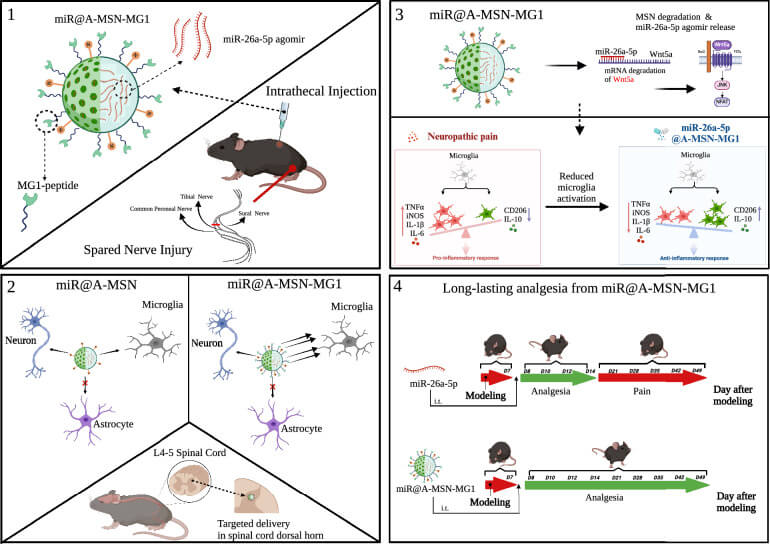 Fig.3 Microglia-targeting strategy based on nanoparticle-mediated delivery.3,4
A recent study details an innovative microglia-targeting strategy for sustained pain relief. Researchers developed a nanoparticle-mediated delivery system for miR-26a-5p, an analgesic microRNA, to overcome its rapid in vivo degradation. Electrostatic adsorption loaded miR-26a-5p into surface-aminated mesoporous silica nanoparticles, preventing premature release. The targeting peptide MG1, exhibiting potent binding selectivity for M1 microglia, was subsequently conjugated to the MSN surface for precise payload delivery. In vivo experiments in neuropathic, inflammatory, and chemotherapy-induced pain models showed this microglia-targeted system achieved remarkable, longer-lasting anti-allodynia (up to six weeks) by reducing microglial activation and inflammation via the Wnt5a pathway. This pioneering work highlights the potential of targeted microRNA delivery to microglia as a safe and effective therapeutic strategy for various chronic pain conditions.
FAQs
Q: Why is specific microglia targeting important for neurological disorders?
A: Microglia are critical players in neuroinflammation and neurodegeneration. Non-specific drug delivery to the brain often leads to widespread distribution and potential off-target effects. By specifically targeting microglia, we can precisely deliver therapeutic agents to the cells responsible for disease pathology, enhancing efficacy, minimizing adverse reactions, and improving patient outcomes in conditions like Alzheimer's or Parkinson's.
Q: Can you differentiate between various microglial activation states (e.g., M1 vs. M2)?
A: Yes, absolutely. Our expertise extends to developing highly specific targeting modules that differentiate between various microglial activation states. By leveraging distinct surface markers and receptor expression profiles unique to M1, M2, or other functional phenotypes, we can design solutions for highly nuanced and precise therapeutic interventions tailored to the specific pathological context.
Q: What types of targeting ligands are suitable for microglia?
A: We offer a diverse range of targeting ligands tailored for microglia, including but not limited to: peptides engineered for high affinity to microglial receptors, monoclonal antibodies and their fragments (e.g., Fab, scFv) targeting specific microglial surface markers, aptamers, and carbohydrate-based ligands that leverage natural recognition pathways.
Q: How do you ensure your microglia targeting modules cross the blood-brain barrier?
A: Achieving efficient CNS delivery is a key focus. Our strategies involve designing modules and delivery systems that can actively or passively cross the blood-brain barrier. This includes utilizing transport mechanisms expressed on brain endothelial cells, engineering small-sized and lipophilic components, and leveraging specific targeting ligands that facilitate transcytosis, ensuring your therapeutic payload reaches the microglia.
Q: Can your microglia targeting modules be integrated with different drug delivery systems?
A: Absolutely. Our module design considers compatibility with various drug delivery platforms from the outset. Whether it's liposomes, LNPs, polymer nanoparticles, exosomes, or other advanced systems, we can provide coupling strategies and technical support to equip your chosen delivery vehicle with microglia-targeting capabilities, aiming for enhanced drug delivery efficiency and specificity within the CNS.
Creative Biolabs is your dedicated partner in advancing neurological research and therapeutic development through our cutting-edge Microglia Targeting Module Development. We are committed to scientific innovation and precision, ensuring your projects achieve unparalleled accuracy and therapeutic potential in addressing complex brain disorders.
For detailed information, a personalized consultation, or to discuss the specific requirements of your next project involving microglia targeting, please do not hesitate to reach out to our expert team.
References
- Liu, Cai-Yun et al. "Pharmacological Targeting of Microglial Activation: New Therapeutic Approach." Frontiers in cellular neuroscience vol. 13 514. 19 Nov. 2019, DOI:10.3389/fncel.2019.00514.
- Wang, Sean K, and Constance L Cepko. "Targeting Microglia to Treat Degenerative Eye Diseases." Frontiers in immunology vol. 13 843558. 17 Feb. 2022, DOI:10.3389/fimmu.2022.843558.
- Lu, Yitian et al. "A novel microglia-targeting strategy based on nanoparticle-mediated delivery of miR-26a-5p for long-lasting analgesia in chronic pain." Journal of nanobiotechnology vol. 22,1 128. 23 Mar. 2024, DOI:10.1186/s12951-024-02420-9.
- Distributed under Open Access license CC BY 4.0, without modification.
Our services are For Research Use Only. We do not provide services to individuals.
Online Inquiry