
Mitochondria Targeting Module Development Service
Creative Biolabs' Mitochondria Targeting Module Development service helps you accelerate your research by providing advanced tools and expertise to precisely deliver your therapeutic payloads to mitochondria.
Contact our team to get an inquiry now!
Overview
Mitochondria, indispensable bioenergetic hubs in eukaryotic organisms, trigger irreversible apoptotic pathways when functionally compromised. Precision targeting of chemotherapeutic payloads to malignant cell mitochondria critically modulates apoptotic pathways in oncology. As eukaryotic bioenergetic hubs, these organelles principally generate cellular ATP through electron transport chain-coupled phosphorylation. Beyond orchestrating apoptosis, mitochondria modulate cytosolic Ca²⁺ buffering and maintain ATP synthesis machinery through electron transport chain-coupled oxidoreductase activity. Respiratory chain deficiencies are mechanistically linked to α-synucleinopathies (Parkinson's disease), endocrine dysregulation states (T2D, obesity), and multi-organ pathologies (retinal degeneration, sensorineural hearing loss, ischemic cardiomyopathy). Targeted pharmacologic strategies prioritize mitochondriotropic superoxide dismutase mimetics to counter Fenton reaction cascades or BH3-mimetic compounds to initiate caspase-9-mediated tumor cell elimination. Moreover, therapeutic proteins and peptides offer potential intervention strategies for diverse mitochondrial pathologies.
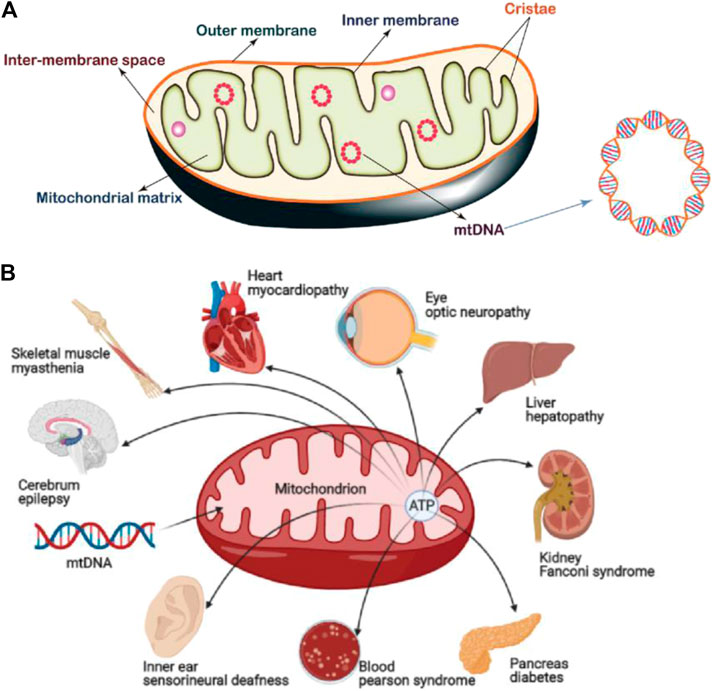 Fig 1. Mitochondrial structure and mitochondrial diseases.1,3
Mitochondria-Targeting Agents
- Mitochondria-Targeting Small Molecules
Current mitochondrial delivery agents encompass triphenylphosphonium (TPP), dequalinium, (E)-4-(1H-indol-3-ylvinyl)-N-methylpyridinium iodide, TMRE, guanidinium derivatives, TMRM, rhodamine analogs (19, 123), and JC-1 (5,5',6,6'-tetrachlorotetraethylbenzimidazolocarbocyanine iodide). These agents primarily operate as delocalized lipophilic cations (DLCs). Their amphiphilic nature permits traversal of plasma and mitochondrial membranes, while their cationic charge facilitates ΔΨm-driven mitochondrial accumulation, establishing precise targeting. Pathological tissues exhibit elevated ΔΨm compared to healthy counterparts, enabling DLCs to concentrate preferentially in malignant or transformed cells. First pioneered in the late 20th century, this mechanistic framework enables established implementation across therapeutic and diagnostic applications.
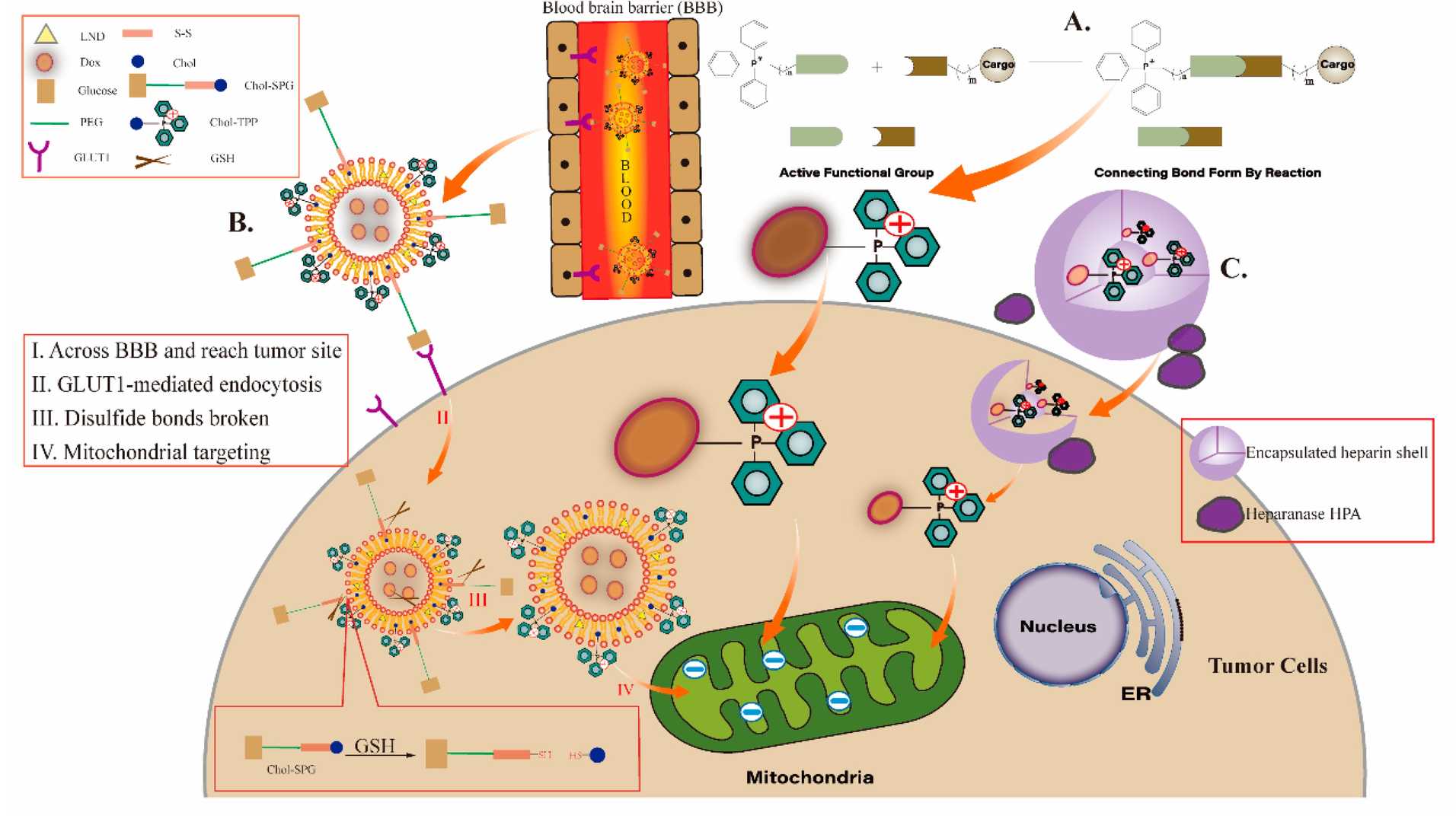 Fig.2 TPP-based mitochondria-targeted anticancer drugs.2,3
- Transition Metal Complex Targeting
Contemporary biomedical innovation has leveraged structurally tunable coordination compounds with customizable organic ligands, enabling organelle-precise therapeutic platforms. Over the past decade, researchers have integrated these metallo-organic architectures with antitumor agents via subcellular localization strategies, demonstrating enhanced pharmacological outcomes through targeted payload delivery.
- Mitochondria-Targeting Bioactive Molecule
Peptide agents are extensively employed across biological applications owing to their precise molecular recognition, potent bioactivity, and established solid-phase synthesis protocols. For organelle-specific delivery systems, short-chain peptides and synthetically designed polypeptides emerge as viable substitutes for traditional cationic liposomal carriers. Structural design integrates both hydrophobic/aromatic moieties (Phe, Tyr, Ile) and positively charged groups (Arg, Lys) to enable precise intracellular trafficking. Functional efficacy arises through ΔΨm-driven accumulation or engagement with membrane-bound protein assemblies unique to mitochondria. Despite significant research progress, mitochondrial homing peptides remain an underexplored modality with substantial potential for therapeutic innovation and mechanistic refinement.
- Mitochondria-Targeting Nanomaterials
Organelle-precise drug conjugates frequently face clinical translation barriers including hydrophobic limitations and systemic toxicity. Emerging nano-DDS platforms circumvent these constraints by enabling mitochondrial payload delivery via two mechanistic paradigms: i) functionalization with organelle-specific ligands (cationic motifs or peptide sequences), or ii) leveraging nanoarchitectures with intrinsic targeting capacities. Established mitochondrial nanocarrier classes include lipid-based vesicles, polymeric micellar assemblies, hyperbranched polymers, carbonaceous nanostructures, and transition metal clusters. A contemporary analysis systematically evaluates the therapeutic and diagnostic applications of these advanced subcellular delivery platforms.
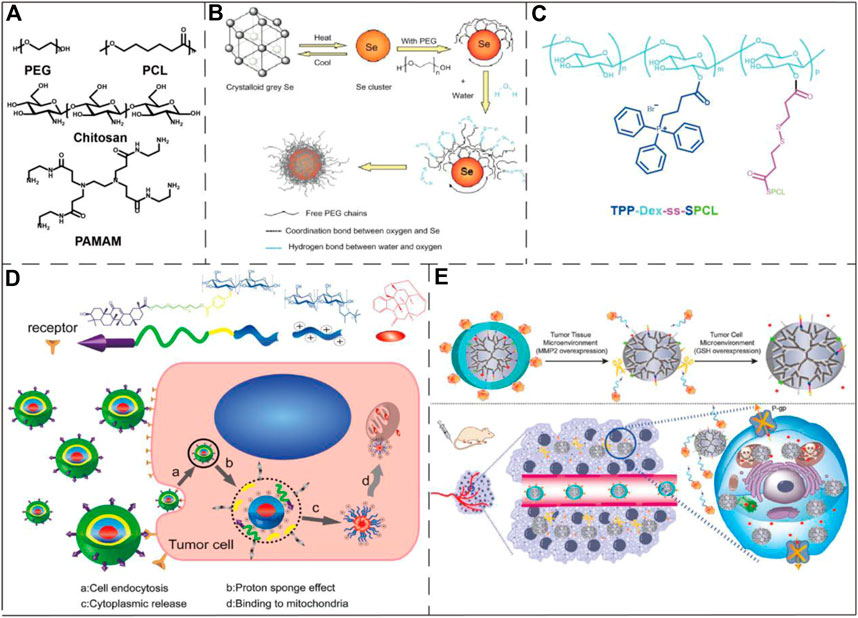 Fig 3. Examples of polymeric/polymer-coated nanoparticles and micelles in the application of drug delivery to mitochondria.1,3
What We can Offer?
Creative Biolabs offers a comprehensive suite of products and services to support your mitochondria-targeted research:
- Custom design and synthesis of mitochondria-targeting modules.
- Conjugation of targeting modules to a variety of therapeutic payloads / Module Delivery Systems.
- In vitro and in vivo validation of Targeted drug delivery system efficacy and specificity.
- Consultation and support throughout the project lifecycle.
We have a complete module delivery system and an experienced team of scientists. We can provide individual targeting modules or different types of module-payload/carrier complexes for specific subcellular organelles. We provide a wealth of corresponding products for you to choose from.
Experience the Creative Biolabs Advantage - Get a Quote Today
Why Choose Us?
Creative Biolab is your ideal partner for Mitochondria Targeting Module Development, offering a unique combination of expertise, technology, and client-focused service. We are committed to providing you with the highest quality tools and support to accelerate your research and development efforts.
- Expertise: Our team comprises experienced scientists with in-depth knowledge of mitochondrial biology, drug delivery, and chemical synthesis.
- Customization: We offer highly customized solutions tailored to your specific research needs, target molecule, and desired outcomes.
- Cutting-Edge Technology: Creative Biolabs utilizes state-of-the-art technologies and methodologies to ensure the efficient synthesis, characterization, and validation of mitochondria targeted drug delivery system.
- Quality and Reliability: We adhere to rigorous quality control standards to deliver reliable and reproducible results. Our modules are thoroughly characterized and validated to ensure their efficacy and specificity.
- Collaborative Approach: We work closely with our clients throughout the project, providing ongoing support and consultation to ensure your success.
Workflow

FAQs
How can I determine if mitochondrial delivery aligns with my therapeutic goals?
Subcellular targeting proves most effective for pathologies involving mitochondrial dysregulation, including neurodegeneration, metabolic syndromes, and oncological conditions. Our specialists analyze your compound's mechanism to validate targeting necessity and optimization potential.
What are the advantages of using your mitochondria-targeting modules compared to other targeting methods?
Our mitochondria-targeting modules are designed for high specificity and efficiency, minimizing off-target effects and maximizing therapeutic efficacy. We utilize advanced design principles and rigorous validation to ensure superior performance. Reach out to our team for a detailed comparison and data.
Are your delivery systems compatible with diverse molecular cargoes?
The platform demonstrates payload-agnostic functionality across small-molecule chemotherapeutics, biologics (peptides/proteins), and nucleotide-based therapies. Customizable linker chemistries (thiol-maleimide, click-chemistry) ensure covalent or non-covalent conjugation fidelity.
Creative Biolabs provides tailored targeted delivery solutions addressing unique research and therapeutic requirements. To explore these capabilities, contact our technical team for protocol specifications and collaborative development pathways.
References
- Wang, Haiwei, et al. "Recent advances in chemical biology of mitochondria targeting." Frontiers in Chemistry 9 (2021): 683220.
- Cheng, Xiaoxia, et al. "Application Prospects of Triphenylphosphine-Based Mitochondria-Targeted Cancer Therapy." Cancers 15.3 (2023): 666.
- Distributed under Open Access license CC BY 4.0, without modification.