We provide a comprehensive catalog of pre-formulated Module Delivery Systems, including liposomes, exosomes, LNPs, and polymeric nanoparticles. We also offer a selection of validated Targeted Modules, such as aptamers, peptides, functionalized lipids, and targeted polymers, ready for your research and development needs.
Cell Targeting Module Development Services
Overview Cell Targeting Solution Targeting Module What We Can Offer? Workflow Our Advantages Published Data FAQs
Are you currently facing challenges in achieving targeted delivery, experiencing low therapeutic efficacy, or struggling with off-target effects in your drug development projects? Our advanced Cell Targeting Module Development Services at Creative Biolabs help you overcome these hurdles and enhance drug specificity by designing and synthesizing innovative targeting ligands. By leveraging our expertise, you can ensure your therapeutic payloads reach their intended cellular destination with superior accuracy, unlocking new possibilities for disease treatment.
Overview
Cell Targeting Module Development is a cornerstone of modern drug delivery, offering a revolutionary approach to enhance therapeutic precision. At its core, this field focuses on engineering specific ligands—or "targeting modules"—that can selectively recognize and bind to unique surface markers on specific cell types. This strategy is particularly powerful for treating diseases where certain cell populations, such as macrophages, are central to the pathology, including inflammation, cancer, and autoimmune disorders. By integrating these high-affinity ligands with a drug delivery system (e.g., a nanoparticle carrying a therapeutic payload), it is possible to steer the payload directly to the intended target cells. This selective delivery mechanism not only maximizes the drug's therapeutic efficacy at the site of action but also significantly reduces systemic exposure and the risk of off-target side effects, a critical goal in the development of next-generation therapeutics. The ability to precisely control where a drug goes unlocks new avenues for personalized medicine and the treatment of previously intractable diseases.
Our service provides solutions for targeting cells in three key areas:
- Central Nervous System (CNS) Targets: We enable the delivery of therapeutics across the blood-brain barrier, a major challenge in treating neurological conditions. We offer targeted delivery to:
- Immune System Targets: By specifically targeting key immune cells, our platform can enhance immunotherapies, treat inflammatory diseases, and reduce systemic toxicity. We specialize in targeting:
- Vascular System Targets: Our technology allows for precise delivery to the inner lining of blood vessels, crucial for addressing cardiovascular diseases and conditions affecting vascular health. We offer targeted delivery to:
- Oncology Targets: We focus on delivering potent therapeutics directly to cancerous cells, a strategy that is vital for increasing treatment efficacy and minimizing systemic toxicity. We offer targeted delivery to:
Creative Biolabs' Cell Targeting Solution
Our targeting modules are the core of Creative Biolabs' precision delivery platform. These modules are engineered components designed to be integrated into various delivery systems, such as lipid nanoparticles (LNPs), liposomes, or exosomes. These systems are functionalized with targeting modules—specific ligands that recognize and bind to receptors or surface markers abundant on the target cells. The mechanism of uptake typically involves passive targeting for nanoparticles of certain sizes, followed by active receptor-mediated endocytosis once targeted modules engage with specific cell surface markers. This binding triggers uptake into the cell, ensuring selective delivery of the payload. Our modular design offers flexibility, allowing for customization to suit diverse research and therapeutic goals.
Passive Targeting
Nanoparticles of specific sizes (typically 100-200 nm) can passively accumulate in regions of compromised vasculature, such as tumors or inflamed tissues, due to the Enhanced Permeability and Retention (EPR) effect. Phagocytic cells, like macrophages, then readily internalize these passively accumulated nanoparticles.
Active Targeting
The cornerstone of our cell targeting module development is active targeting. This entails modifying delivery platforms with precise targeting moieties that engage receptors upregulated on target cells or distinct cellular subpopulations. This ensures precise cellular recognition and uptake.
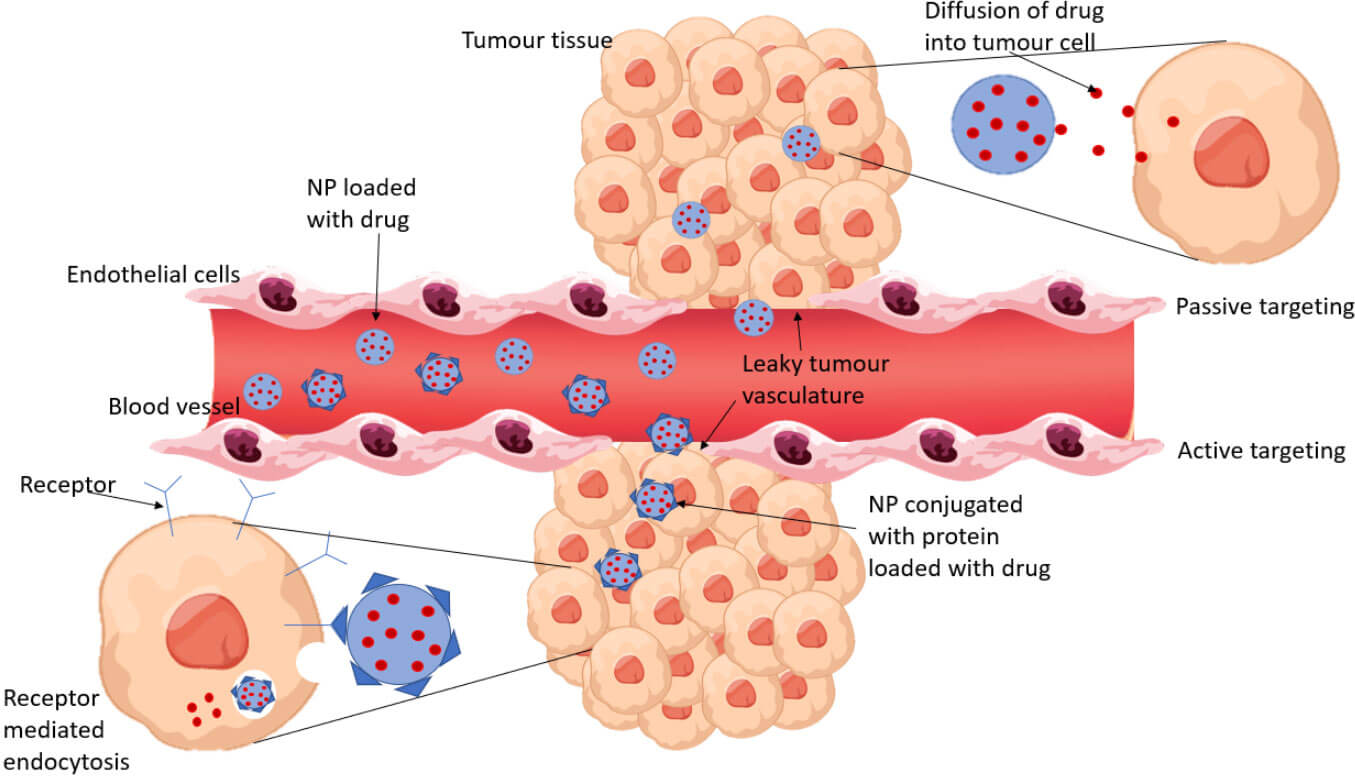 Fig.1 A comparison of passive and active drug targeting.1,3
Cell Targeting Module
The cornerstone of Creative Biolabs' precision drug delivery lies in our advanced targeting modules. These modules are designed to steer our delivery systems straight to particular types of cells, sometimes even specific subsets. This selective recognition is achieved through high-affinity binding to unique surface markers expressed on the target cells, ensuring that therapeutic payloads accumulate precisely where they are needed, minimizing off-target effects and maximizing therapeutic efficacy. Our diverse library of targeted modules provides unparalleled flexibility in achieving precise cellular delivery. Each module type offers distinct advantages in terms of specificity, stability, and ease of conjugation to our various delivery systems.
| Ligand Type | Mechanism of Action | Targeted Marker(s) | Advantages/Application |
|---|---|---|---|
| Antibodies | Precision-engineered polypeptides exhibiting potent affinity for exclusive epitopes. | CD64 (Fc gamma RI), CD14, CD206 (Mannose Receptor), CD301 (MGL1) | Exceptional specificity and well-established development pathways. Can offer robust and durable targeting for a wide range of cell types and diseases. |
| Peptide | Short amino acid sequences designed to bind to specific receptors. | RGD peptide (targeting αvβ3 integrin), GGP peptide, M2pep, UNO peptide, Muramyl tripeptide | Small size, good tissue penetration, high customizability, and relatively low cost. Can target specific cell activation states. |
| Carbohydrates | Sugars or sugar-based molecules that are recognized by lectins on the cell surface. | Mannose (recognized by the mannose receptor CD206), Fucose, Sialic acid | Innate biological compatibility and selective recognition of certain cell types, particularly those with high lectin expression. |
| Aptamers | Unfolded polynucleotide chains adopting distinctive spatial configurations to interact with defined molecular targets. | High specificity and affinity, easy to synthesize, and lower immunogenicity compared to antibodies. Highly customizable for various targets. | |
| Other | Other functionalized molecules, such as responsive materials or polymers. | Folate, Folate receptor (FR) | Versatile in their design, these can be tailored to respond to specific stimuli in the cellular environment, such as pH or enzyme activity, for controlled drug release. |
Contact Us About Cell Targeting Module
What We Can Offer?
Creative Biolabs commands a pioneering apex position in precision therapeutic conveyance advancement. Our team of expert biologists, chemists, and engineers brings over two decades of collective experience in developing sophisticated delivery solutions. We provide a comprehensive suite of solutions and technologies engineered to address varied project requirements:
Ready-to-Use Products
Customized Services
Our bespoke service allows us to develop tailored delivery systems and novel targeted modules from concept to validation, precisely meeting your project's unique specifications. This includes custom aptamer, peptide, or polymer synthesis and conjugation, as well as optimization of delivery system characteristics for specific cell subsets or disease contexts.
Conjugation Services
We have extensive expertise in conjugating selected ligands to various delivery platforms, including nanoparticles, liposomes, and polymers. Our advanced chemistry ensures stable and efficient attachment, maximizing the functional integrity of your final product.
Pre-Clinical Validation
We offer comprehensive in vitro and in vivo testing to assess key performance metrics of your targeting module, including targeting efficiency, cellular uptake, biodistribution, and therapeutic efficacy.
Comprehensive Scientific Support
Partner with us to leverage our deep scientific knowledge, state-of-the-art facilities, and rigorous quality control for your targeted delivery projects, from experimental design to data analysis.
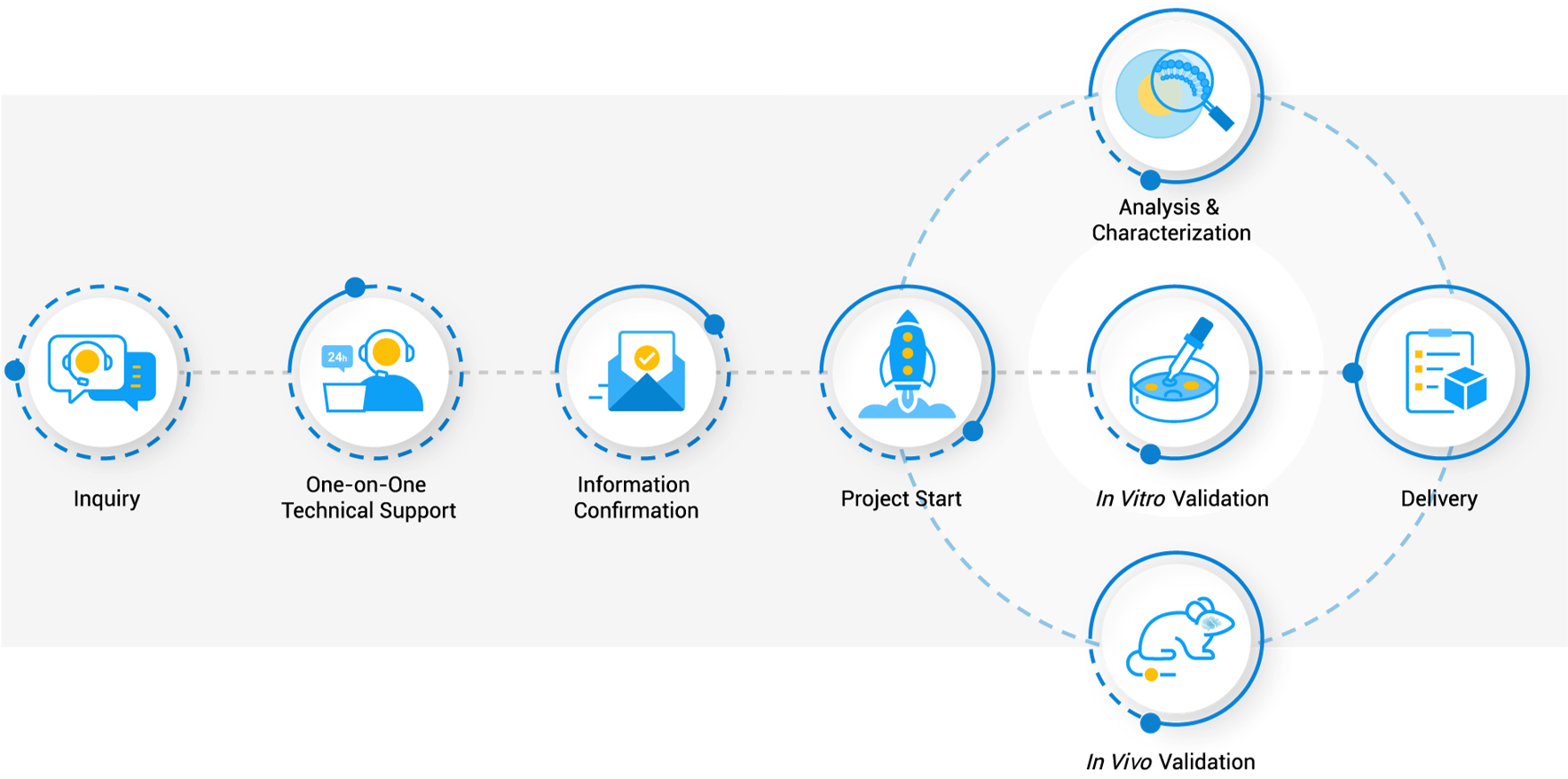
Workflow
Why Choose Us?
Choosing Creative Biolabs means choosing a path to accelerated drug development, enhanced therapeutic efficacy, and a significant reduction in off-target effects. Our commitment to innovation and scientific excellence ensures that your therapeutic agents reach their cellular targets with unprecedented precision, unlocking new possibilities for disease treatment.
Demonstrated Proficiency
Our multidisciplinary scientists command profound expertise in therapeutic conveyance systems and homing mechanism development, supported by 20+ years of aggregated industry experience.
Advanced Methodologies
We utilize cutting-edge platforms for molecular coupling, synthesis, and analytical profiling to engineer maximally selective functional homing solutions.
Bespoke Adaptation & Versatility
We provide personalized oligonucleotide/peptide engineering and carrier system refinement aligned with distinct therapeutic objectives and cellular targets.
Exacting Standards Assurance
Our dedication to methodological precision and uncompromising quality protocols guarantees dependable, consistent, and superior-grade outcomes for mission-critical initiatives.
Published Data
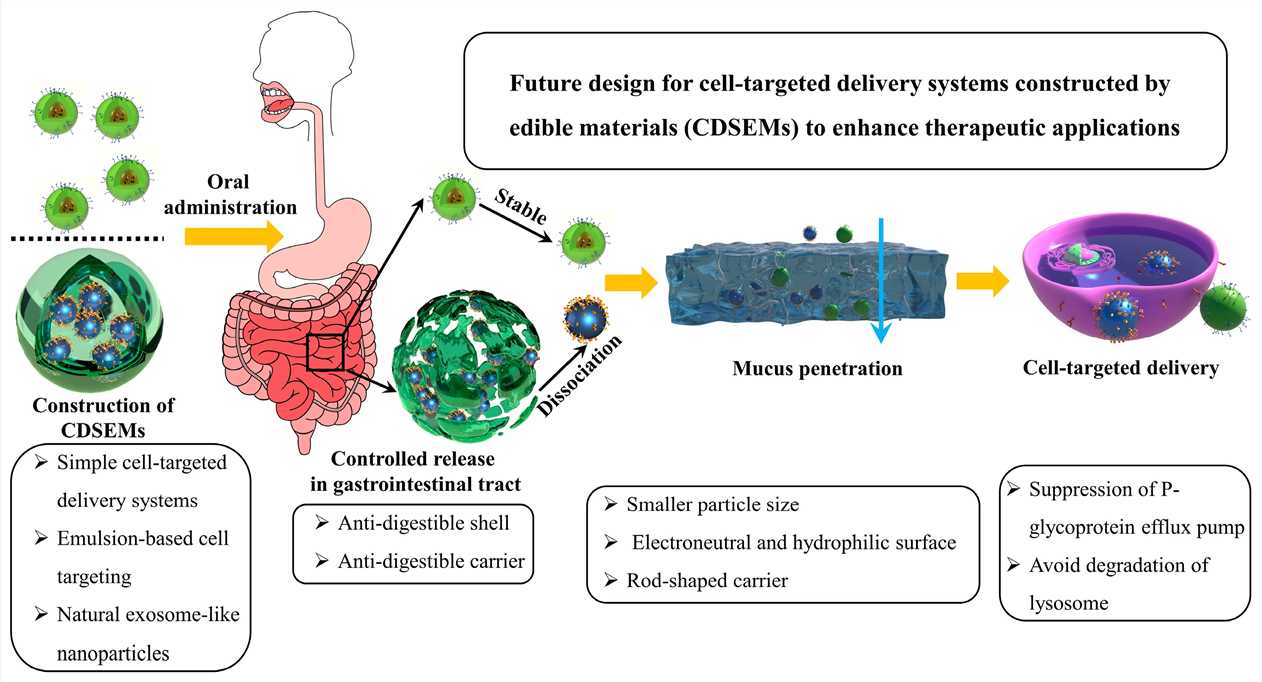 Fig.2 Multi-angle approaches for the development of cell-targeted delivery systems constructed of edible materials (CDSEMs) for advanced delivery.2,3
The research focuses on constructing oral delivery systems using edible materials, a strategy that leverages the body's own recognition mechanisms. These systems are functionalized with specific ligands to target cellular receptors in the gastrointestinal tract, ensuring that the payload is not randomly absorbed but actively taken up by the intended cells. The experiments utilized various ligands, such as VB12, which targets intrinsic factor receptors, biotin for SMVT, lactoferrin for its own receptor, and different glucans for Dectin-1 receptors, each chosen to bind with high specificity to their respective receptors on cell types like enterocytes and M cells. Through both in vitro cell cultures and in vivo animal models, the study demonstrated that these targeted delivery systems successfully enhanced the transport volume and cellular uptake of their cargo. The results showed that this precise, cell-targeted approach led to improved therapeutic outcomes, including enhanced anti-inflammatory and anti-oxidant activities. These findings not only validate the efficacy of using edible materials for precise, cell-targeted delivery but also suggest that these systems offer a promising strategy to enhance the therapeutic effects and bioavailability of various substances by directing them specifically to cells in the gut. This method holds significant potential for improving the efficacy of oral drugs and nutraceuticals.
FAQs
Q: How can I be sure the targeting module will work with my existing delivery system?
A: Our module design considers compatibility with various drug delivery platforms from the outset. We offer a range of coupling strategies and technical support to help you efficiently integrate our targeting solutions with your chosen delivery vehicle, whether it's a liposome, LNP, or polymer nanoparticle, aiming for enhanced drug delivery efficiency.
Q: Can you help me target specific cell subpopulations?
A: Yes, absolutely. Our expertise extends to developing highly specific targeting modules that differentiate between various cell subpopulations. By leveraging distinct surface markers and receptor expression profiles, we can design solutions for highly nuanced and precise therapeutic interventions.
Q: What is the typical development timeline for a custom targeting module?
A: The timeline can vary depending on the complexity of the project, including the target cell, the type of ligand, and the required validation. However, our streamlined process and expert team are dedicated to moving your project forward efficiently. We can provide a more accurate estimate after a detailed discussion of your project's specific needs.
Q: Are your targeting modules suitable for both in vitro and in vivo studies?
A: Our modules are designed and validated for both in vitro and in vivo applications. We provide comprehensive pre-clinical validation services to ensure your targeting module performs reliably in complex biological systems, assessing its targeting efficiency, biodistribution, and therapeutic effect.
Q: What types of targeting ligands can you provide?
A: We offer a diverse range of targeting ligands, including but not limited to peptides, monoclonal antibodies and their fragments, aptamers, and carbohydrate-based ligands. This variety allows us to find the most suitable and effective solution for your specific targeting requirements.
Creative Biolabs is your trusted partner in targeted drug delivery. Our comprehensive services, from ready-to-use products to customized solutions and rigorous validation, are designed to accelerate your research and therapeutic development. By leveraging our deep scientific expertise and innovative technologies, we help you achieve unprecedented precision and efficacy in your projects.
Connect with our experts for project-specific consultation and detailed insights.
References
- Holder, Jessica E et al. "The use of nanoparticles for targeted drug delivery in non-small cell lung cancer." Frontiers in oncology vol. 13 1154318. 9 Mar. 2023, DOI:10.3389/fonc.2023.1154318.
- Li, Xiaolong et al. "Oral Cell-Targeted Delivery Systems Constructed of Edible Materials: Advantages and Challenges." Molecules (Basel, Switzerland) vol. 27,22 7991. 17 Nov. 2022, DOI:10.3390/molecules27227991.
- Distributed under Open Access license CC BY 4.0, without modification.
Our services are For Research Use Only. We do not provide services to individuals.
Online Inquiry