Exosome Isolation & Purification Service for Targeted Drug Delivery
Exosomes, once viewed merely as cellular debris, are now recognized as sophisticated natural vectors capable of traversing biological barriers and delivering therapeutic payloads with precision. However, isolating these vesicles without compromising their structural integrity or biological activity remains a significant bottleneck. At Creative Biolabs, we provide comprehensive, scalable, and customizable isolation services designed to bridge the gap between benchtop discovery and clinical reality. Our expert team leverages advanced purification technologies to deliver high-purity, functional exosomes tailored specifically to your research and therapeutic development needs.
Request a Free Scientific Consultation
The Science of Exosomes
Understanding Exosome Structure & Characteristics
Exosomes are nanoscale extracellular vesicles (EVs), typically ranging from 30 to 150 nm in diameter, enclosed by a lipid bilayer. Their unique architecture and biological properties make them distinct from synthetic carriers:
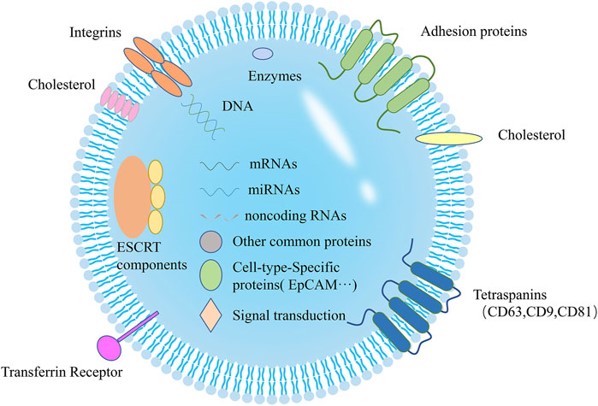 Fig. 1 Schematic of exosomal molecular composition.1,3
- Complex Membrane Composition: Unlike synthetic liposomes, their membrane is embedded with a rich repertoire of proteins, including tetraspanins (CD9, CD63, CD81), adhesion molecules, and cell-specific receptors.
- Bioactive Internal Cargo: They encapsulate a diverse array of bioactive molecules, including nucleic acids (mRNA, miRNA, DNA) and cytosolic proteins.
- Intercellular Communication: This unique composition allows exosomes to function as potent mediators, capable of modifying the physiological state of recipient cells.
Leveraging their unique biological properties, exosomes offer four distinct advantages as next-generation targeted drug delivery vehicles:
Low Immunogenicity: Their endogenous origin minimizes immune clearance, allowing for better biocompatibility and repeated administration without triggering severe immune responses.
The Biogenesis of Exosomes
The generation of exosomes is a tightly regulated process within the endosomal system. It begins with the invagination of the endosomal membrane to form Intraluminal Vesicles (ILVs) inside Multivesicular Bodies (MVBs). During this process, specific cytosolic constituents are sorted into the ILVs. Finally, the MVBs fuse with the plasma membrane, releasing the ILVs into the extracellular space as exosomes. Understanding this biogenesis is crucial for isolation, as it distinguishes exosomes from other EVs like microvesicles (which bud directly from the plasma membrane) and apoptotic bodies.
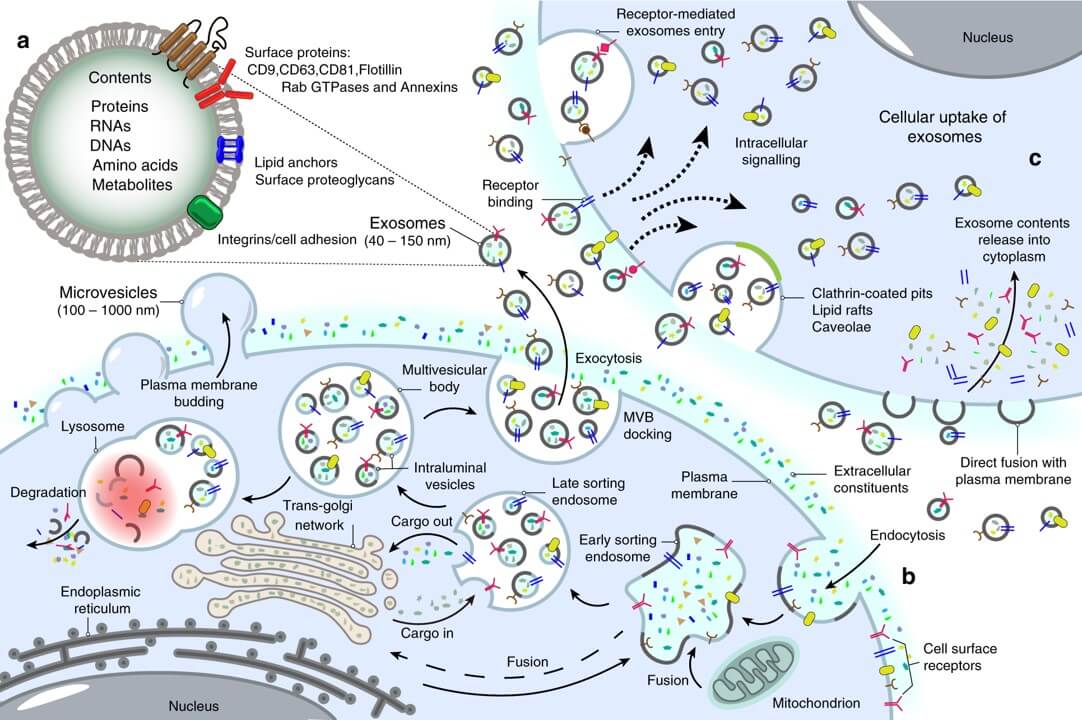 Fig. 2 Biogenesis of exosomes.2,3
Exosome Sources & Biological Diversity
Exosomes can be derived from a diverse spectrum of biological matrices, spanning complex biofluids to defined cell culture supernatants. The cellular origin is a critical determinant of the vesicle's molecular signature, influencing its surface marker profile and specific therapeutic utility.
| Category | Specific Sample | Key Characteristics | Potential Applications |
|---|---|---|---|
| Complex Biofluids | Plasma, Serum, Urine, Saliva, Cerebrospinal Fluid (CSF), Ascites, Amniotic Fluid, Tear Fluid | Rich in systemic biomarkers; high complexity due to lipoproteins (HDL/LDL) and albumin. | Liquid biopsy, cancer diagnostics, biomarker discovery. |
| Stem & Immune Cells | Mesenchymal Stem Cells (MSCs), iPSCs, Dendritic Cells, T-cells, Macrophages | Immunomodulatory properties; low immunogenicity; promotes tissue regeneration. | Regenerative medicine, graft-vs-host disease therapy, immunotherapy. |
| Immortalized Cell Lines | HEK293, HeLa, CHO, Hybridoma Supernatants | Controlled production environment; reproducible cargo; amenable to genetic engineering. | Engineered drug delivery vehicles, gene therapy vectors, large-scale manufacturing. |
| Solid Tissues | Tumor Tissue, Adipose Tissue, Brain Tissue, Liver Tissue | Reflects the local tissue microenvironment; requires enzymatic digestion for release. | Tumor microenvironment studies, tissue-specific pathology research. |
| Plant-Derived | Ginger, Grape, Aloe, Grapefruit, Broccoli | "Exosome-like nanovesicles"; high stability in GI tract; non-mammalian origin. | Oral drug delivery, nutritional therapeutics, anti-inflammatory studies. |
| Microbial Sources | Bacterial Culture (E. coli, Lactobacillus), Fungal Culture | Outer Membrane Vesicles (OMVs); distinct immunogenic profiles. | Vaccine development, adjuvant engineering, microbiome interaction studies. |
Exosome Extraction Methods
Achieving high-purity exosome isolation poses a significant technical challenge due to the intrinsic overlap in physicochemical properties—specifically hydrodynamic radius and buoyant density—between extracellular vesicles and abundant biological contaminants such as protein aggregates and lipoproteins.
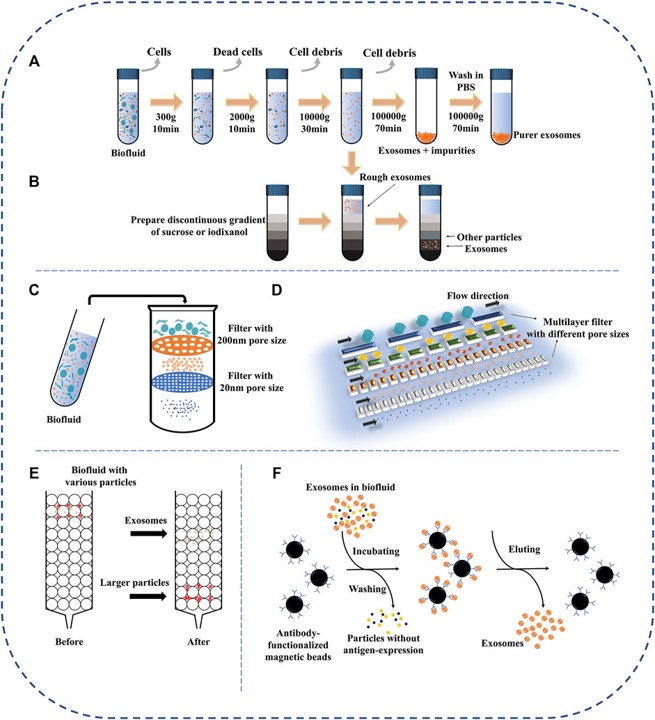 Fig. 3 Schematic representation of common exosomal separation techniques.1,3
Creative Biolabs boasts extensive expertise in exosome isolation workflows. We understand that every sample type is unique. Leveraging this deep technical knowledge, we have developed a comprehensive suite of Exosome Isolation & Purification Kits tailored for various sources (serum/plasma, urine, tissue, cell media), providing researchers with reliable, high-performance tools for in-house isolation.
The historical gold standard separating based on density and size, but often leads to vesicle aggregation and damage.
Separates based on hydrodynamic radius, preserving structure and effectively removing soluble proteins.
A scalable, filter-based method that concentrates vesicles while removing small impurities, ideal for large volumes.
Uses volume-excluding polymers (like PEG) to settle vesicles; high yield but lower purity.
Uses antibodies to isolate specific subpopulations based on surface markers.
Optimized, ready-to-use systems for rapid extraction from specific sample types without specialized equipment.
Premier Exosome Isolation & Purification Services
To meet the diverse needs of basic research and clinical translation, Creative Biolabs offers a comprehensive portfolio of isolation services engineered for precision and scalability. Complementing our service offerings, we also provide a wide range of off-the-shelf exosome-related products, including Exosome Standards and high-efficiency isolation kits.
Comprehensive Isolation from Complex Biological Matrices
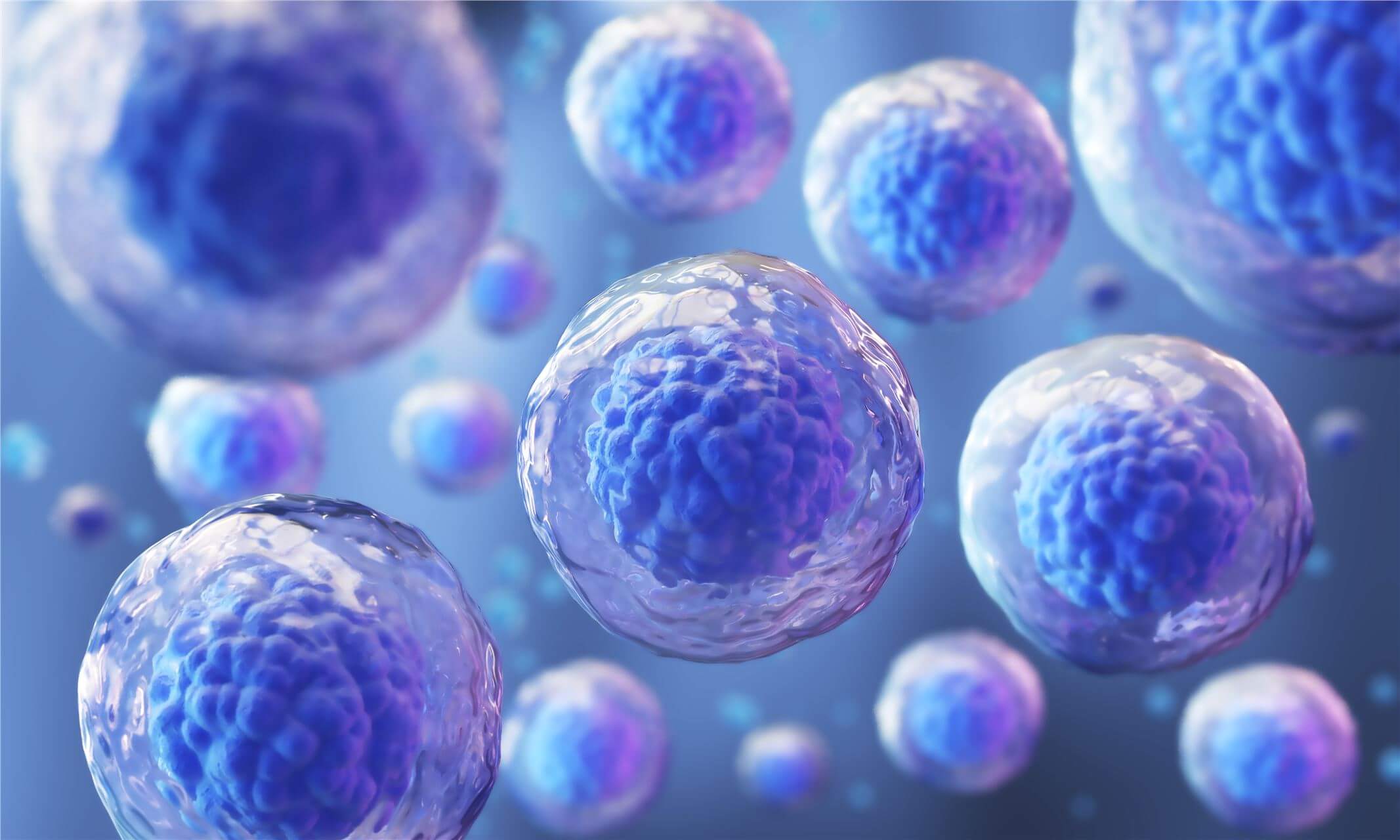
We deploy optimized protocols to maximize recovery from challenging matrices, ensuring high-fidelity isolation from viscous biofluids and solid tissues.
- Diverse Sample Capability: Robust processing of complex inputs including plasma, serum, CSF, amniotic fluid, and tears.
- Tissue Dissociation: Efficient enzymatic digestion strategies for maximum vesicle release from solid tumor or adipose tissues.
- Low-Volume Optimization: High-sensitivity protocols designed for precious, limited-quantity samples.
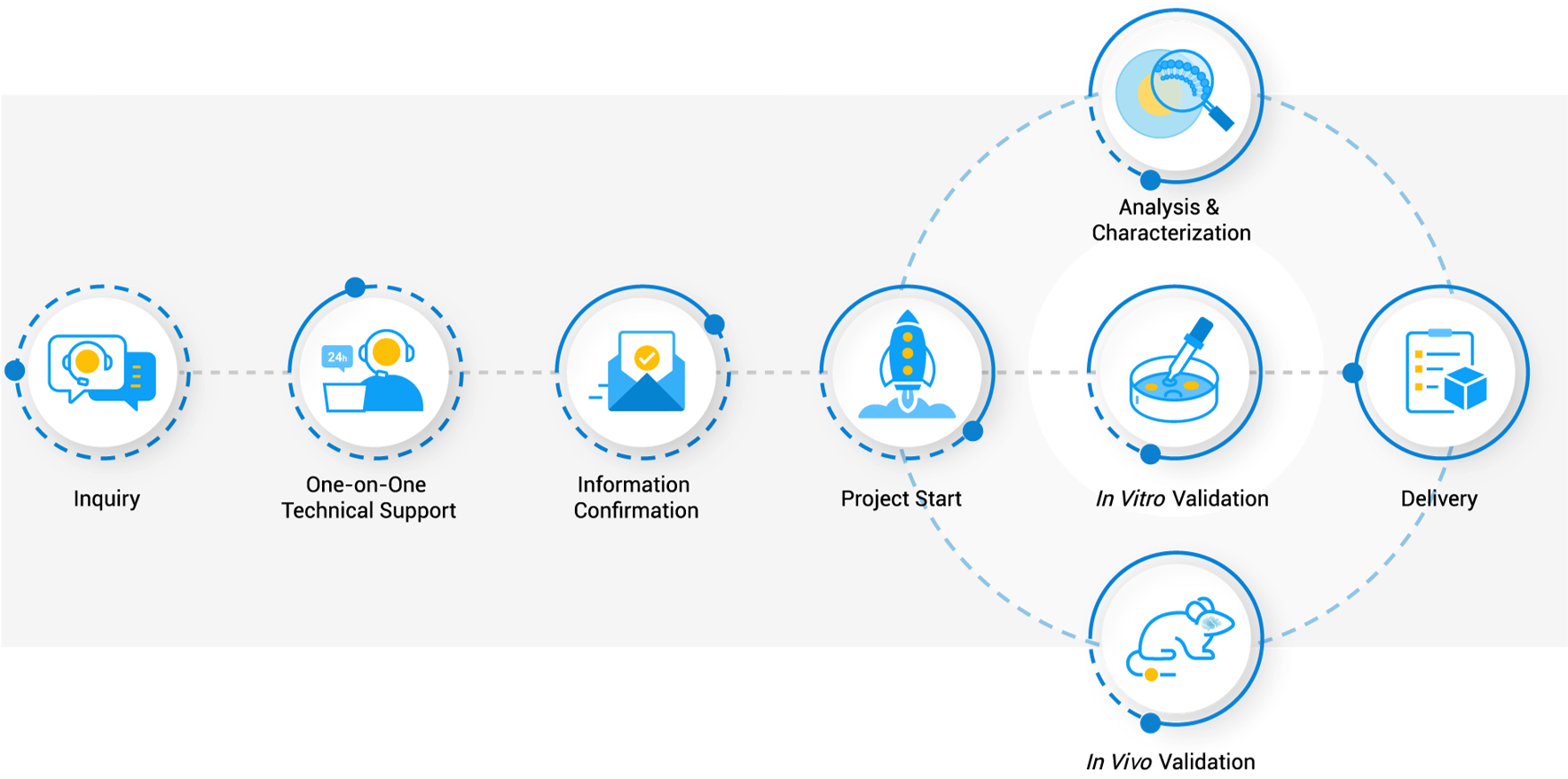
Workflow
Empowering Targeted Delivery & Precision Medicine
Our high-fidelity isolation services are engineered to provide the pristine starting material required for advanced therapeutic and diagnostic applications, particularly in the realm of targeted drug delivery.
- Optimized Therapeutic Loading: Facilitates high-efficiency encapsulation of chemotherapeutics, siRNA, miRNA, and mRNA by removing protein aggregates that interfere with electroporation or transfection.
- CNS & BBB Crossing: Exploits the natural transcytosis capability of functional exosomes to deliver neurotherapeutics across the Blood-Brain Barrier, addressing a critical unmet need in CNS drug development.
- Active Tumor Targeting: Provides a clean, intact surface for engineering targeting ligands (e.g., peptides, antibodies) to enhance accumulation in the Tumor Microenvironment (TME) and reduce off-target toxicity.
- Non-Viral Gene Editing: Acts as a biocompatible, non-immunogenic carrier for CRISPR/Cas9 RNP complexes, offering a safer alternative to viral vectors for gene therapy.
- High-Fidelity Biodistribution: Ensures in vivo tracking data represents true vesicle homing by eliminating dye-binding contaminants, critical for establishing accurate PK/PD profiles.
Why Choose Creative Biolabs?
Preservation of Native Morphology
We prioritize shear-free isolation techniques that maintain the lipid bilayer integrity, ensuring the vesicles remain functional for cellular uptake.
Scalability from Bench to Pilot
Our workflows are designed to scale seamlessly, allowing you to transition from small-volume discovery to large-volume pre-clinical production without changing methodologies.
Expertise in Complex Matrices
We possess specialized know-how in handling challenging samples, including plant tissues, microbial broths, and viscous biofluids, where standard kits often fail.
Rigorous Quality Assurance
Every batch is subjected to multi-parameter QC (NTA, WB, BCA, TEM) to validate size, concentration, purity, and marker expression.
Comprehensive Downstream Support
Beyond isolation, we are your partners in engineering, loading, and analyzing exosomes, offering an end-to-end solution for drug delivery research.
At Creative Biolabs, we advance targeted drug delivery by providing premium exosome tools and services. From expert isolation to a diverse portfolio of off-the-shelf Exosome Isolation Kits and validated Exosome Standards, we support every stage of your research. Trust our scientific expertise to handle the complexities of purification, allowing you to focus entirely on therapeutic innovation.
Related Services
Nucleic Acid Synthesis Services
Related Products
| Product Name | Description | Inquiry |
|---|---|---|
| Exosome Standard Products | Various exosomes in stock (ginger, grape, milk, human serum, human plasma, saliva, urine, MSC, 293 cells, etc.) available in liquid or freeze-dried form. | |
| Exosome Isolation & Purification Kit (Emulsion) | Specialized kit for isolating vesicles from emulsion-based samples. | |
| Exosome Isolation & Purification Kit (Serum/Plasma) | Optimized for high purity isolation from blood-derived fluids, minimizing lipoprotein carryover. | |
| Exosome Isolation & Purification Kit (Urine) | Designed for large volume concentration and purification from urine samples. | |
| Exosome Isolation & Purification Kit (Tissue) | Includes enzymatic digestion reagents for efficient release of vesicles from solid tissues. | |
| Exosome Isolation & Purification Kit (Cell Supernatant) | Scalable kit for processing conditioned media from adherent or suspension cells. |
FAQs
Do you offer isolation services for plant-derived nanovesicles?
Yes, we have specialized protocols for isolating exosome-like nanovesicles from various plant sources such as ginger, grape, and aloe. These services include tailored pre-processing steps to handle the unique composition of plant tissues.
Are your isolated exosomes suitable for in vivo animal studies?
Yes, our "High-Purity" isolation tier includes endotoxin testing and removal steps to ensure the final product is safe for animal injection. We can also formulate the exosomes in sterile PBS or your preferred injection buffer.
Can I perform RNA sequencing or Mass Spectrometry directly on the exosomes you deliver?
Absolutely. Our isolation workflows are designed to minimize protein carryover and preserve RNA integrity. We can also perform the lysis and extraction steps for you if requested as part of our downstream services.
References
- Chen, Jiaci, et al. "Review on strategies and technologies for exosome isolation and purification." Frontiers in bioengineering and biotechnology 9 (2022): 811971. https://doi.org/10.3389/fbioe.2021.811971
- Ni, Zhenhong, et al. "Exosomes: roles and therapeutic potential in osteoarthritis." Bone research 8.1 (2020): 25. https://doi.org/10.1038/s41413-020-0100-9
- Distributed under Open Access license CC BY 4.0, without modification.