LNP Design & Formulation Development Services
The successful clinical translation of nucleic acid therapeutics and complex biologics hinges on overcoming substantial delivery barriers. Lipid Nanoparticles (LNPs) have emerged as the gold standard for intracellular delivery. Creative Biolabs is your premier partner for overcoming biological barriers with precision-engineered nanomedicines.
Request a Free Scientific Consultation
The Science of Lipid Nanoparticles
Understanding LNP Structure & Composition
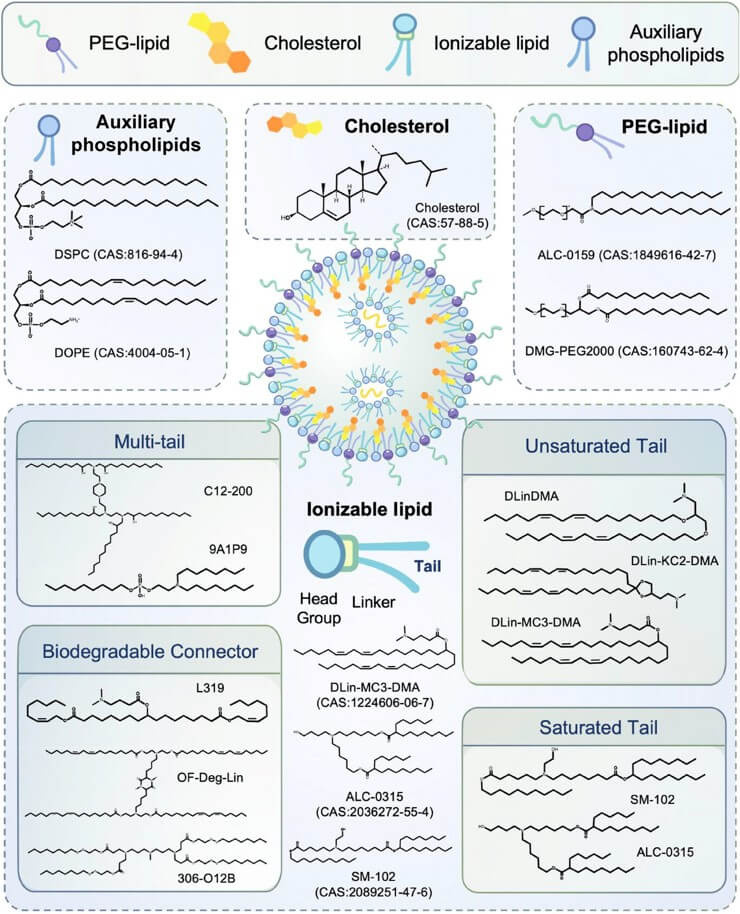 Fig. 1 Schematic diagram of the four-component structure of LNPs.1,3
Lipid Nanoparticles (LNPs) are sophisticated, multi-component delivery vehicles designed to encapsulate and protect fragile payloads—such as mRNA, siRNA, and CRISPR/Cas9—from enzymatic degradation while facilitating their transport across cell membranes. Unlike traditional liposomes, LNPs possess a solid core structure formed by the electrostatic interaction between the payload and ionizable lipids.
A typical clinical-grade LNP formulation consists of four key lipid components, each serving a distinct structural or functional role:
- Ionizable Lipids: The primary driver of encapsulation and endosomal escape.
- Helper Lipids (Phospholipids): Such as DSPC or DOPE, which provide structural stability and promote membrane fusion.
- Cholesterol: Enhances particle stability and modulates membrane fluidity.
- PEGylated Lipids: Provide a steric barrier to prevent aggregation and extend circulation half-life (stealth effect).
To provide a practical reference for formulation design, the table below outlines the specific lipid compositions and molar ratios of representative LNP formulations from clinical trials and the market.
Table 1 Composition of Clinically Approved LNP Formulations.
| Formulation ID | Payload | Composition | Application |
|---|---|---|---|
| LNP-1 | Linear mRNA | ALC-0315:ALC-0159:DSPC:Cholesterol (46.3:1.6:9.2:42.7) | COVID-19 |
| LNP-2 | Linear mRNA | SM-102:PEG2000-DMG:DSPC:Cholesterol (50:1.5:10:38.5) | COVID-19 |
| LNP-3 | sa-mRNA | ATX-126:PEG2000-DMG:DSPC:Cholesterol (50:7:40:3) | COVID-19 |
| LNP-4 | Linear mRNA | SM-102:PEG2000-DMG:DSPC:Cholesterol | Influenza |
| LNP-5 | siRNA | DLin-MC3-DMA:PEG2000-DMG:DSPC:Cholesterol (50:1.5:10:38.5) | hATTR |
| LNP-6 | Linear mRNA | SM-86:0L-5:DSPC:Cholesterol | Propionic acidemia Phenylketonuria |
Ionizable Lipid for Maximum Therapeutic Potency
Ionizable lipids serve as the functional cornerstone of Lipid Nanoparticles, determining both the stability of the drug product and the efficiency of intracellular delivery. At Creative Biolabs, we utilize a library of proprietary lipids designed with precise pH-responsive behaviors. This ensures robust encapsulation of nucleic acids during the manufacturing process and facilitates rapid cytosolic release upon cellular uptake, all while maintaining a neutral, non-toxic profile during systemic circulation.
These proprietary lipids function via a pH-dependent switch: they adopt a positive charge at acidic pH (~4.0) to efficiently condense and encapsulate nucleic acids, remain neutral at physiological pH (7.4) to ensure safe, prolonged circulation and minimize toxicity, and re-protonate within the acidic environment of the endosome to trigger membrane destabilization and cytosolic payload release.
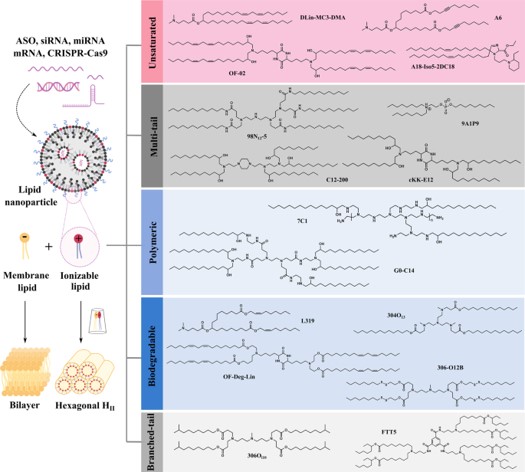 Fig. 2 Mechanism for endosome disruption by ionizable lipids.2,3
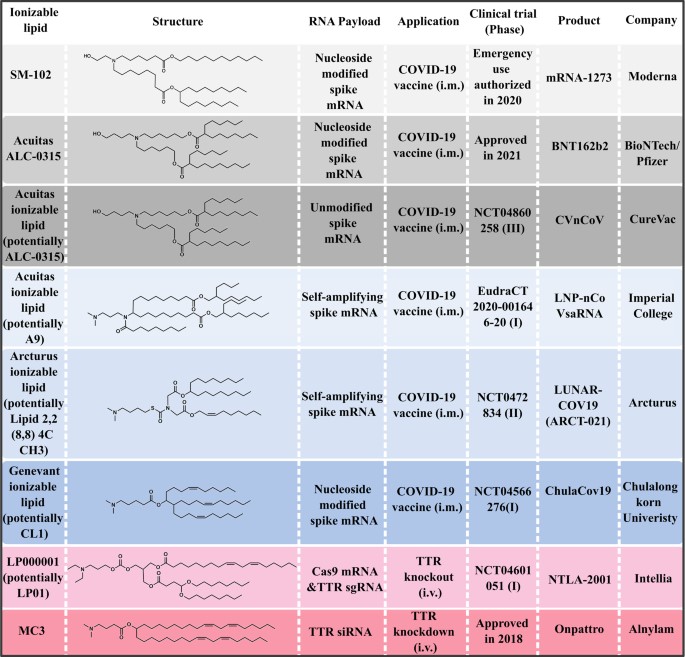 Fig. 3 Selected ionizable lipids under clinical development for COVID-19 mRNA vaccines and other RNA therapeutics.2,3
Advanced LNP Preparation Methodologies
The method of manufacture dictates the Critical Quality Attributes (CQAs) of the final product, such as size homogeneity (Polydispersity Index, PDI) and Encapsulation Efficiency (EE%). While traditional methods like Thin Film Hydration or simple Ethanol Injection are accessible, they often result in heterogeneous populations and low encapsulation efficiency, limiting their clinical utility. Modern LNP production relies on sophisticated mixing technologies to ensure reproducibility and stability.
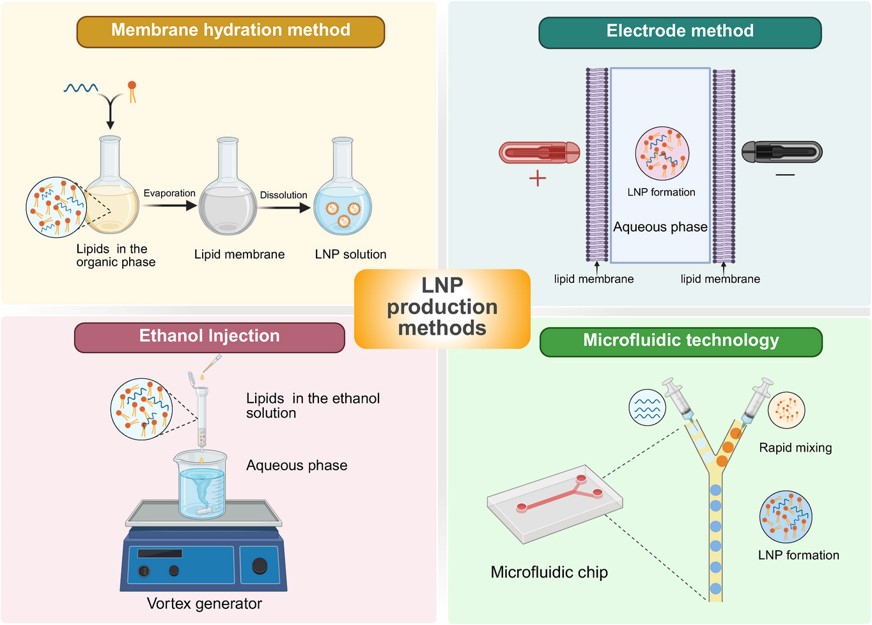 Fig. 4 Schematic illustration summarizes four common methods for LNP preparation.1,3
Microfluidic Mixing: The Industry Standard
Microfluidics has revolutionized LNP production by enabling the precise, millisecond-scale mixing of lipid and nucleic acid streams within engineered micro-channels. This rapid mixing causes the lipids to self-assemble around the nucleic acid cargo before aggregates can form, resulting in superior particle quality.
- Core Advantages: Superior monodispersity (PDI < 0.1), >90% EE, and seamless "numbering-up" scalability.
- Chip Architectures: Supports diverse geometries including T-type, Y-type, Serpentine, Toroidal micromixers, and V-type with staggered herringbone mixers.
- Critical Parameters: Precise modulation of Flow Rate Ratio (FRR) and Total Flow Rate (TFR) to dictate particle size and structural integrity.
Integrated LNP Design & Development Solutions
Creative Biolabs accelerates your therapeutic development with end-to-end LNP solutions. Beyond offering an extensive catalog of ready-to-use LNP products for immediate proof-of-concept studies, we provide comprehensive custom development services. From rational lipid design and high-throughput screening to GMP-ready scale-up, our team delivers the tailored, data-driven expertise needed to bridge the gap between discovery and clinical viability.
Custom Formulation Design & Optimization
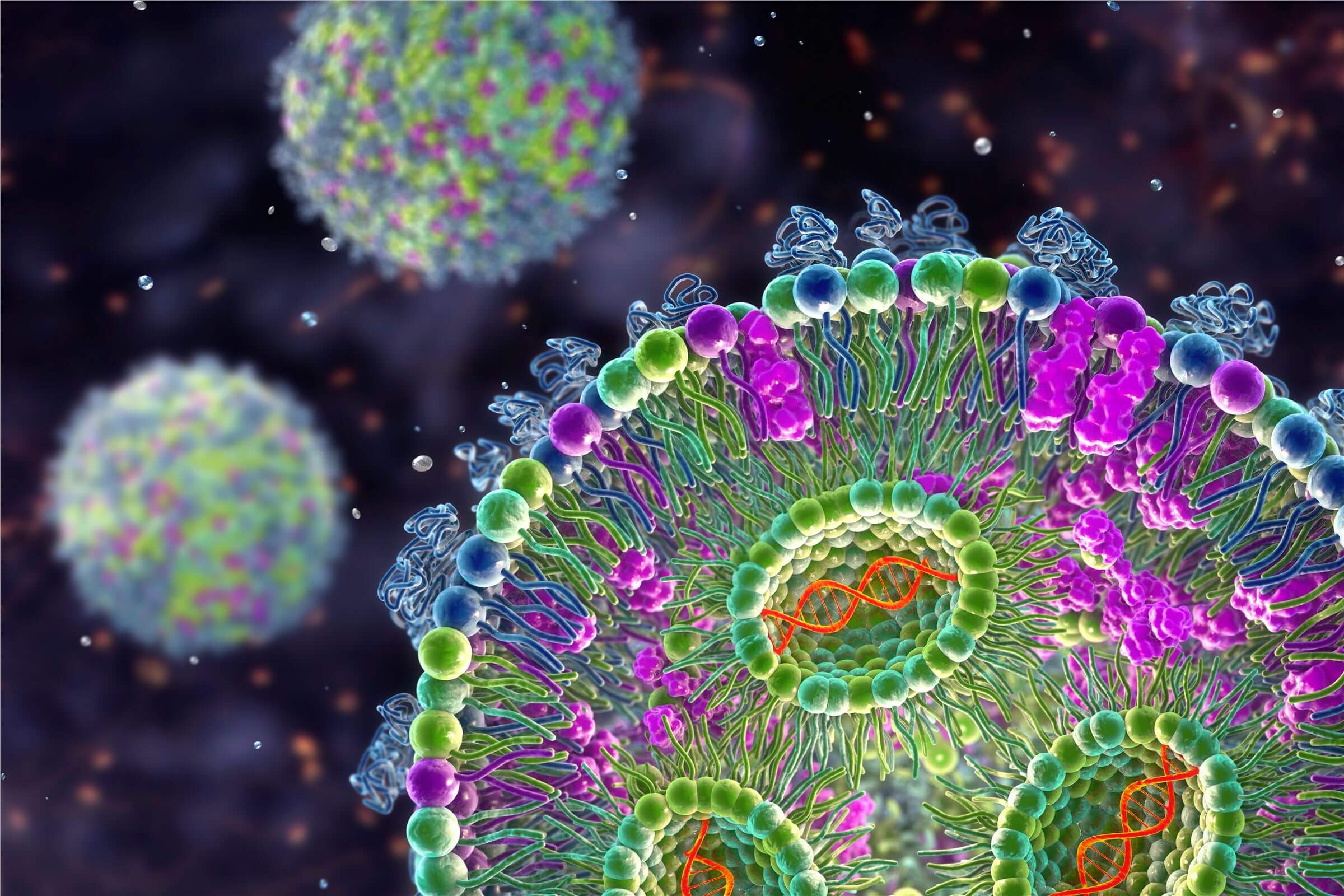
We move beyond standard recipes to create bespoke formulations tailored to your specific therapeutic goals. Leveraging our extensive library of ionizable lipids—including industry benchmarks like SM-102, DLin-MC3-DMA, LP-01, and ALC-0315, alongside our proprietary targeted lipids series—we engineer particles with precise physicochemical properties for your specific application.
- Versatile Payload Encapsulation: We specialize in the efficient loading of diverse therapeutic cargoes, including mRNA (linear, circular, self-amplifying), siRNA/miRNA, pDNA, Proteins/Peptides, and CRISPR-Cas9 RNP complexes, ensuring protection and functional delivery.
- Fluorescent Labeled LNP: Custom synthesis of LNPs incorporating fluorescent dyes (e.g., DiI, DiD, Rhodamine) or encapsulated reporter mRNA (GFP/Luciferase) for robust in vitro uptake assays and in vivo biodistribution tracking.
- Active Targeting LNP: Surface functionalization of LNPs with specific ligands (Antibodies, Aptamers, Peptides, Small molecule, or Carbohydrates) to facilitate receptor-mediated endocytosis and precise delivery to non-liver tissues such as tumors, immune cells, or the BBB.
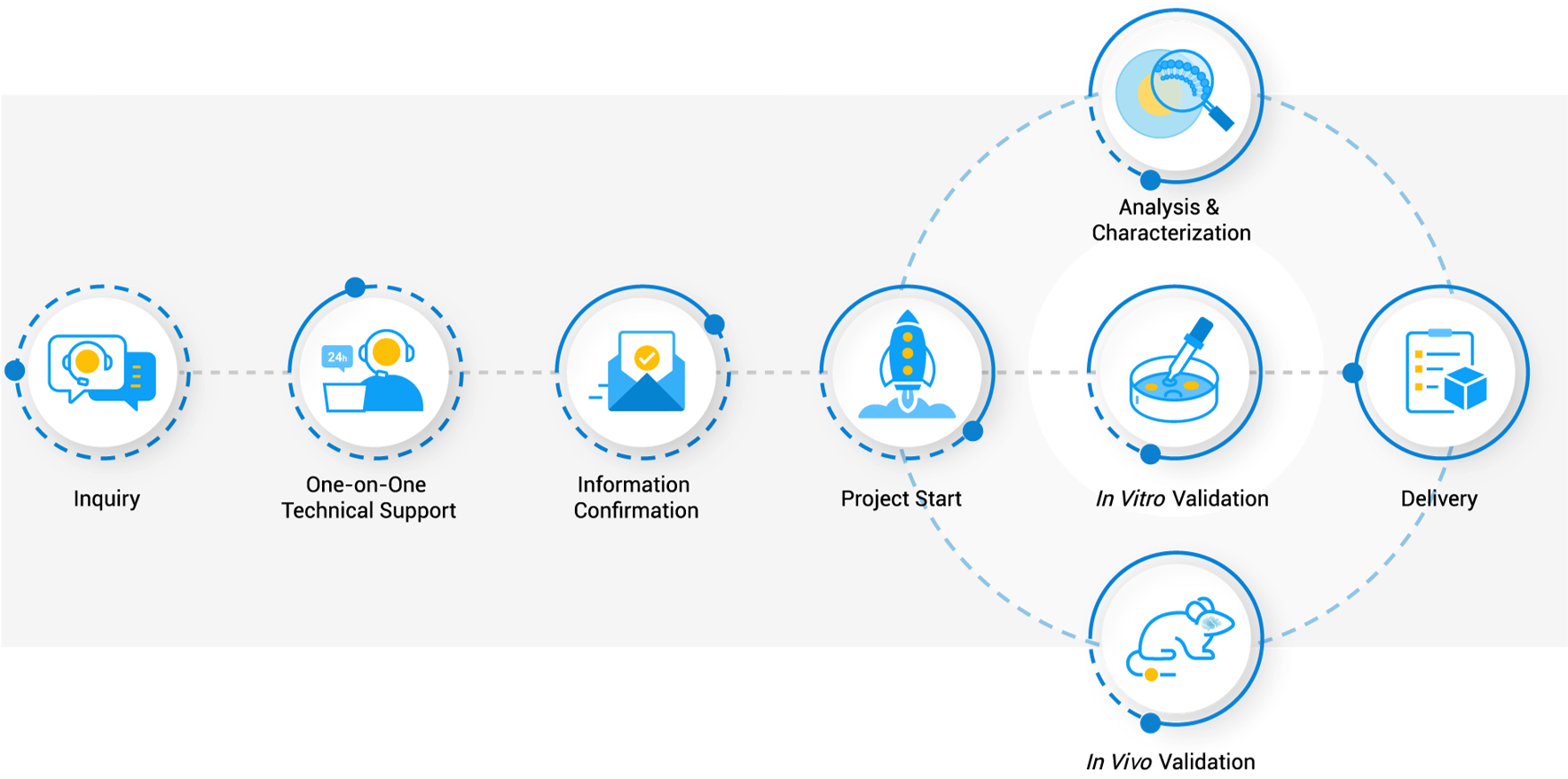
Workflow
Case Study
Case Study 1: Targeted CD5 Ab-LNP (Cat: TDLD-0825-LD66)
This targeted LNP platform is engineered for specific delivery to CD5-expressing T cells. By conjugating a high-affinity anti-CD5 antibody, we enable precise targeting, making it an ideal tool for studying T-cell modulation. The data below is from a specified configuration, showcasing our targeting capabilities.
Payload: EGFP mRNA (CAP 1, m1Ψ)
Lipid Formulation: SM102
mRNA Concentration: 0.1 mg/ml
Module Type: Anti-CD5 Antibody
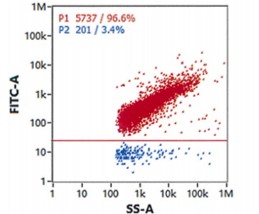 Fig. 4 Flow cytometry histogram of Targeted CD5 Ab-LNP.
| Z-Average | PDI | Zeta Potential | Encapsulation Efficiency | mRNA concentration |
|---|---|---|---|---|
| 69.7 nm | 0.140 | 96.6 mV | 91.0 % | 0.1 mg/mL |
Case Study 2: Targeted CD8 Ab-LNP
Developed for precise targeting of cytotoxic CD8+ T cells, this LNP is conjugated with a high-specificity anti-CD8 antibody. It is an essential tool for research into anti-tumor immunity, vaccine development, and strategies that require the specific manipulation of this critical immune cell population.
Payload: EGFP mRNA (CAP 1, m1Ψ)
Lipid Formulation: SM102
mRNA Concentration: 0.1 mg/ml
Module Type: Anti-CD8 Antibody
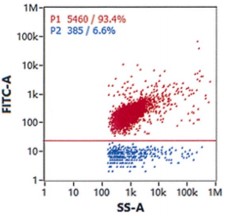 Fig. 5 Flow cytometry histogram of Targeted CD8 Ab-LNP.
| Z-Average | PDI | Zeta Potential | Encapsulation Efficiency | mRNA concentration |
|---|---|---|---|---|
| 84.08 nm | 0.08 | 93.4 mV | 90.1 % | 0.1 mg/mL |
Applications of Advanced LNP Formulations
Our design philosophy ensures that our LNPs are optimized not just for stability, but for functional performance in specific biological contexts.
- In Vivo CAR-T/NK Cell Engineering: Targeted LNPs encapsulating CAR-mRNA or Cas9 RNPs enable direct in vivo reprogramming of T-cells/NK-cells, eliminating complex ex vivo manufacturing. If you are interested in in vivo CAR-T therapies, we can meet these needs. Please browse our downloadable Brochure for more information.
- Emerging RNA Modalities (circRNA & saRNA): Specialized formulations engineered to stabilize complex circular and self-amplifying RNAs for durable, high-yield protein expression.
- Precision Gene Editing: Tissue-specific delivery of base/prime editors to extra-hepatic targets (lung, muscle, CNS), facilitating genetic correction at the source.
- Next-Generation Vaccines: Thermostable and multi-valent mRNA vaccine formulations designed for simplified distribution and broad-spectrum protection.
- Immuno-Oncology: Engineering LNPs with specific surface antibodies (Ab-LNP) to deliver STING agonists or checkpoint inhibitors directly to tumor cells or antigen-presenting cells (APCs).
- Protein Replacement Therapy: Systemic delivery of mRNA encoding therapeutic proteins, optimized with biodegradable lipids to allow for safe, repeat dosing regimens.
Why Choose Creative Biolabs?
Rational Design Architecture
We utilize a "Structure-Activity Relationship" (SAR) approach to lipid selection, ensuring that every component in the formulation serves a functional purpose for intracellular delivery.
Proprietary Lipid Access
Gain access to our exclusive library of high-performance ionizable lipids that offer superior endosomal escape compared to standard MC3 or SM-102 formulations.
Our team specializes in difficult-to-encapsulate cargoes, including large self-amplifying RNA (saRNA), circular RNA (circRNA), and anionic proteins.
Seamless Scalability
Our microfluidic process parameters are directly transferable from R&D scale to pilot scale, minimizing the risk of "batch failure" during scale-up.
End-to-End Support
We provide a cohesive workflow that includes synthesis, formulation, analytical characterization, and lyophilization under one roof.
Creative Biolabs accelerates your path to clinical success with robust, precision-engineered LNP solutions. Beyond our expert formulation services, we offer an extensive catalog of ready-to-use LNP products designed to streamline discovery—crucial for advancing cutting-edge applications like in vivo CAR cell engineering. Partner with us to unlock the full potential of your therapeutic candidates.
Related Services & Products
Related Services
Chemical Synthesis Services
Nucleic Acid Synthesis Services
Related Products
| Product Name | Description | Inquiry |
|---|---|---|
| In-Stock LNP | Pre-formulated LNP using SM-102, DLin-MC3-DMA, LP-01, or ALC-0315. Available with Empty, mRNA (eGFP/Fluc), or CAR-mRNA payloads. | |
| Pep-LNP | LNPs surface-functionalized with specific peptides (e.g., T7, YIGSR, R8, ANG, TAT, NGR, Asp8) for enhanced cellular uptake. | |
| Ab-LNP | LNPs conjugated with monoclonal antibodies (e.g., anti-CD3, CD5, CD7, CD8) for precise T-cell or specific cell-type targeting. | |
| Targeted LNP Formulation Kit | Selectable organ-specific kits: Liver, Lung, Spleen, Muscle, or Skin targeting. | |
| LNP Formulation Kit (Universal) | All-in-one reagent kit containing lipids and buffers optimized for both manual mixing and standard microfluidic preparation. | |
| LNP Screening Array Kit | A 96-well plate format containing diverse lipid compositions for high-throughput payload screening. | |
| RNA-LNP Encapsulation Assay Kit | Rapid fluorescence-based kit for determining EE% and mRNA concentration. |
FAQs
How do you determine the optimal N/P ratio for a new payload?
We conduct a systematic screening using our Microfluidic platform. By varying the N/P ratio (Nitrogen on lipid to Phosphate on RNA) from 3:1 to 10:1, we identify the "sweet spot" that maximizes encapsulation efficiency (>90%) while maintaining a particle size below 100 nm and minimizing zeta potential.
Can you formulate LNPs for circular RNA (circRNA)?
Yes. CircRNA presents unique structural challenges due to its lack of free ends. We have developed specialized protocols using modified ionizable lipids that effectively condense circular payloads, protecting them from degradation and ensuring efficient cytosolic release.
What distinguishes your "Targeted LNP Formulation Kits" from standard LNPs?
Standard LNPs rely on passive ApoE adsorption for uptake (primarily liver). Our Targeted Kits include specific Targeted Modules—such as functionalized lipid—that are pre-optimized to shift biodistribution to non-hepatic tissues like the lung (via selective charge) or spleen (via immune cell targeting).
What is the stability of your pre-formed LNP products?
Our liquid formulations are stable for up to 12 months at -80°C. Our lyophilized formulations, developed using our proprietary cryoprotectant cycles, are stable for 12+ months at 4°C, depending on the specific product.
References
- Li, Xiaochi, et al. "Design Strategies for Novel Lipid Nanoparticle for mRNA Vaccine and Therapeutics: Current Understandings and Future Perspectives." MedComm 6.10 (2025): e70414. https://doi.org/10.1002/mco2.70414.
- Han, Xuexiang, et al. "An ionizable lipid toolbox for RNA delivery." Nature communications 12.1 (2021): 7233. https://doi.org/10.1038/s41467-021-27493-0.
- Distributed under Open Access license CC BY 4.0, without modification.