Aptamer Synthesis Service for Targeted Drug Delivery
Aptamers, often referred to as "chemical antibodies," have emerged as a versatile and potent class of targeting ligands capable of overcoming the limitations of traditional protein-based biologics. They offer high affinity, low immunogenicity, and superior tissue penetration for complex delivery challenges. Creative Biolabs stands as a premier partner in this field, leveraging decades of expertise in nucleic acid chemistry to provide comprehensive aptamer discovery, optimization, and conjugation services.
Obtain Solutions for Aptamers Development
The Science of Aptamers
Aptamers: The "Chemical Antibodies" of Precision Medicine
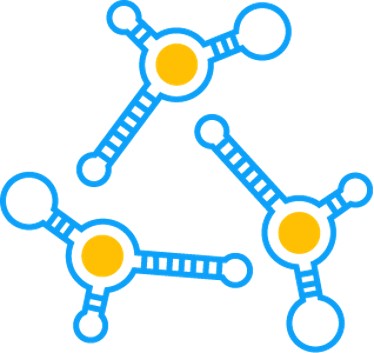
Aptamers are short, single-stranded oligonucleotides (DNA or RNA) or peptides that fold into distinct three-dimensional structures. This unique folding allows them to bind to specific targets—ranging from small ions to large cell-surface proteins—with high affinity and specificity. In the realm of targeted delivery, aptamers serve as the "GPS" for therapeutic cargoes, guiding drugs directly to the disease site. Unlike antibodies, which are produced biologically, aptamers are synthesized chemically, offering unparalleled control over their composition and modification.
To meet diverse research and clinical needs, aptamers are categorized into four primary types:
Cost-effective and chemically stable single-stranded DNA, suitable for diagnostics and delivery vehicles requiring minimal modification.
Capable of forming complex tertiary structures for high-affinity binding; we incorporate modifications to ensure biological stability.
Short synthetic amino acid sequences that bind with high specificity, particularly useful for disrupting intracellular protein-protein interactions.
Aptamers have established themselves as a "next-generation" alternative to monoclonal antibodies, effectively bridging the gap between small molecules and biologicals. Their unique combination of high specificity and chemical versatility makes them indispensable for overcoming complex biological barriers in targeted delivery.
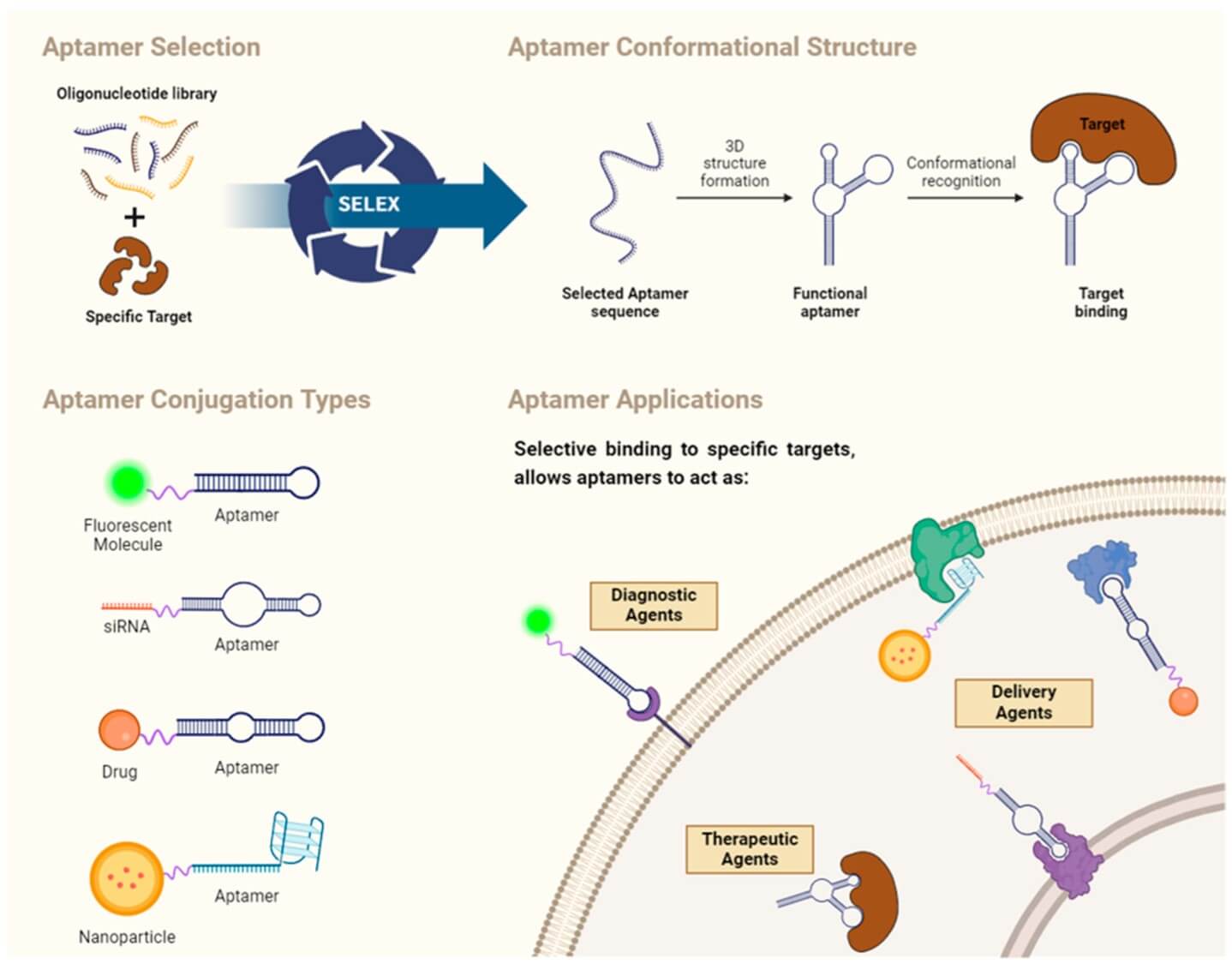 Fig. 1 The lifecycle of Aptamers: From Origin to Targeted Application.1,4
- Superior Tissue Penetration: Their small molecular weight (~10–15 kDa) enables rapid extravasation and deep penetration into dense solid tumors that are often impermeable to larger antibodies (~150 kDa).
- Low Immunogenicity: Unlike protein-based ligands which can trigger immune responses, nucleic acid aptamers are generally non-immunogenic, allowing for safer repeated administration.
- Exceptional Stability: Chemically robust, they maintain function across a wide range of pH and temperatures, facilitating long-term storage and easier transport compared to cold-chain dependent biologics.
- Versatile Conjugation: The ease of site-specific chemical modification allows for precise attachment of drugs, linkers, or nanoparticles without compromising binding affinity.
Aptamer-Based Targeting Strategies
In current pharmaceutical development, aptamers function as modular targeting ligands that can be seamlessly integrated into diverse drug delivery architectures. By capitalizing on their precise molecular recognition capabilities, they are strategically engineered into two primary therapeutic modalities:
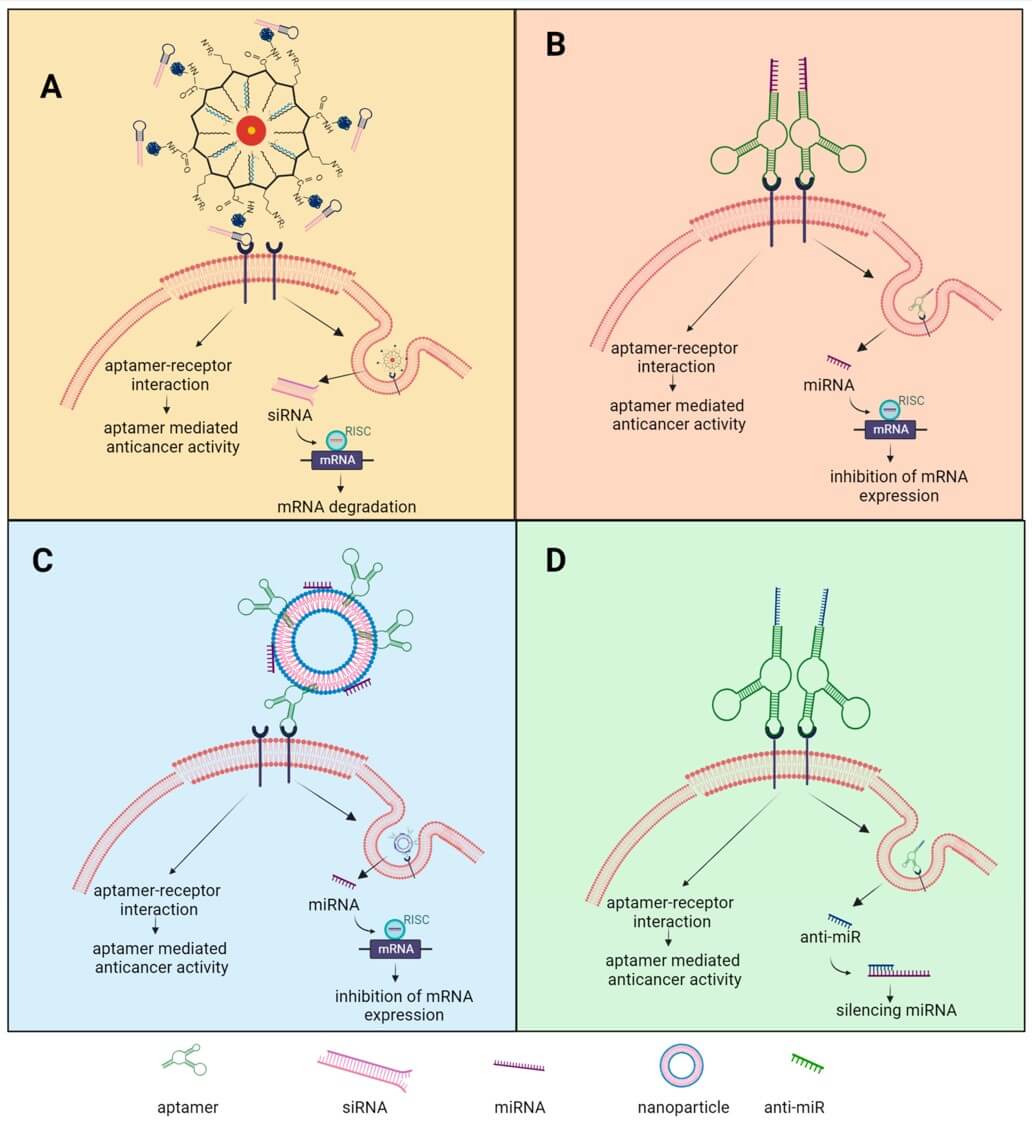 Fig. 2 Schematic illustration of the delivery of a therapeutic agent to a target cell.2,4
Aptamer-Drug Conjugates (ApDCs) represent a precision therapeutic strategy that harnesses the high specificity of aptamers to function as delivery vehicles for potent payloads. Analogous to Antibody-Drug Conjugates (ADCs) but offering superior tumor penetration and reduced immunogenicity, ApDCs involve the covalent attachment of a therapeutic agent (small molecule or nucleic acid) directly to the aptamer sequence. This targeted approach allows for the accumulation of high drug concentrations specifically within diseased tissues, thereby widening the therapeutic window and minimizing systemic toxicity.
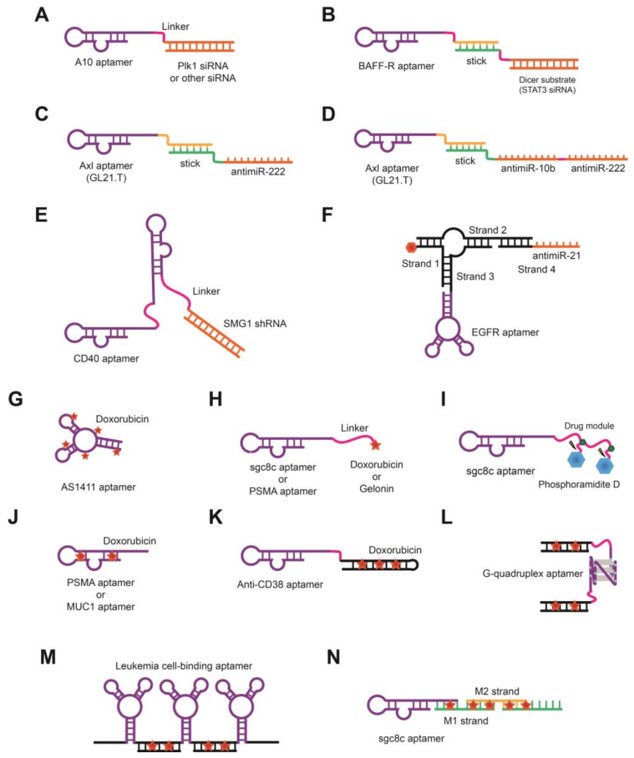 Fig. 3 Schematics of aptamer-oligonucleotides and aptamer-drug conjugates.3,4
Table 1 Representative Aptamer-Therapeutic Conjugates
| Target | Aptamer | Payload Type | Specific Payload | Disease Indication |
|---|---|---|---|---|
| PSMA | xPSM-A10 | siRNA | Plk1 siRNA | Prostate Cancer |
| EGFR | CL4 | siRNA | EGFR siRNA | Glioblastoma |
| PTK7 | sgc8c | Chemotherapy | Doxorubicin / Daunorubicin | T-cell ALL |
| EpCAM | EpCAM Aptamer | Toxin | Gelonin | Epithelial Cancers |
| CTLA-4 | CTLA-4 Aptamer | siRNA | STAT3 siRNA | Melanoma / T-cell lymphoma |
| MUC1 | 5TR1 | Chemotherapy | Doxorubicin | Adenocarcinoma |
| HER2 | HB5 | siRNA | Bcl-2 siRNA | HER2+ Breast Cancer |
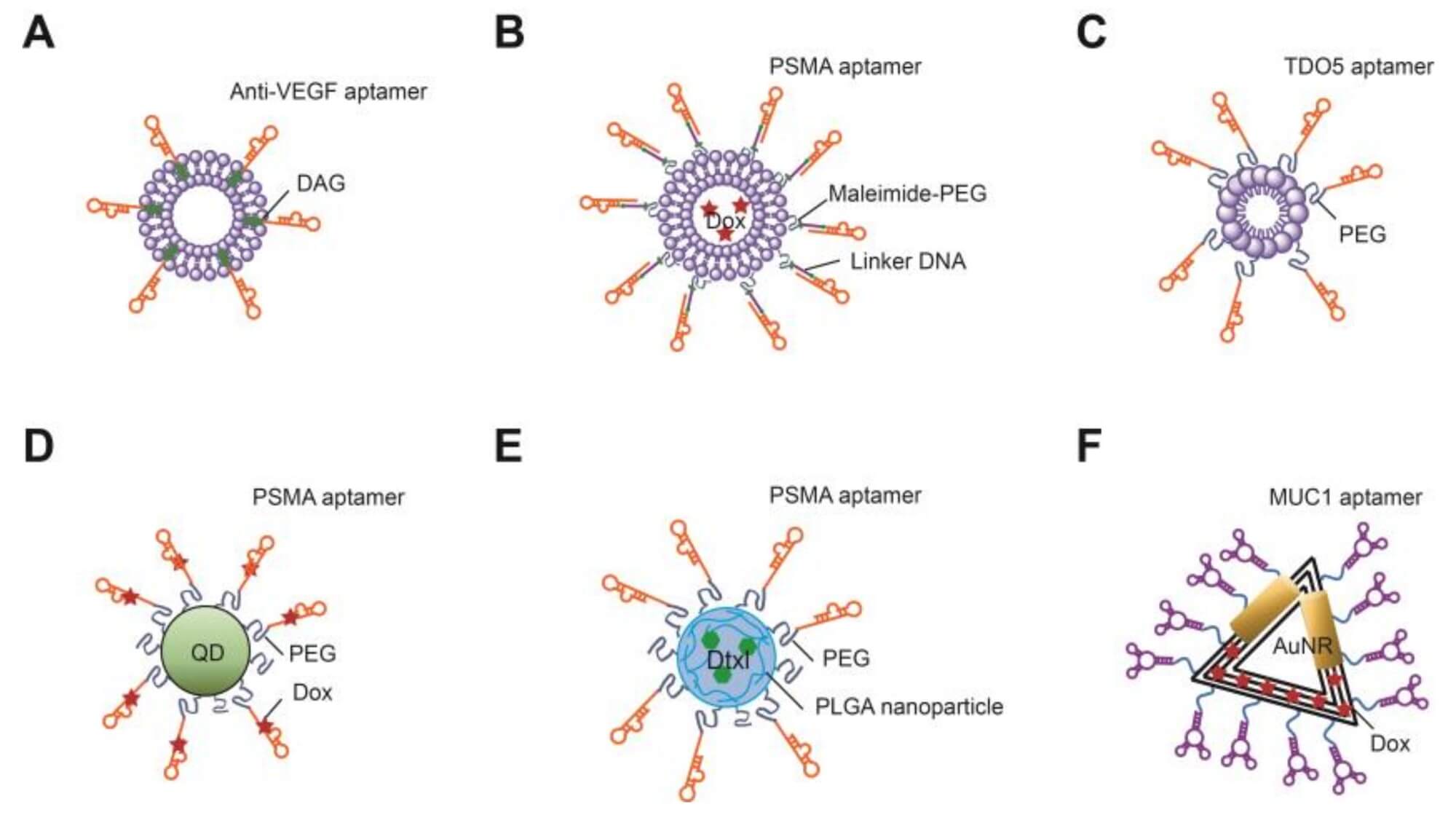 Fig. 4 Schematics of aptamer nano-vehicle conjugates.3,4
At Creative Biolabs, our integrated synthesis platform is optimized to support these diverse targeting strategies. Whether your program requires the precise conjugation of a small molecule payload via a custom linker or the surface functionalization of a lipid nanoparticle for gene therapy, we offer the robust chemistry and expertise to realize your specific delivery modality.
The Foundation of Discovery: Aptamer Screening Technology
The generation of high-affinity aptamers is driven by "systematic evolution of ligands by Exponential Enrichment", a powerful combinatorial chemistry technique that simulates natural selection in a controlled laboratory environment. By screening libraries containing trillions of random sequences, aptamer screening technology allows for the systematic identification and enrichment of rare nucleic acid ligands that bind to specific targets with high affinity and structural specificity, effectively "evolving" a functional targeting molecule from a vast pool of candidates.
The Evolutionary Cycle
The Aptamer Screening process simulates natural selection through iterative rounds of screening. At Creative Biolabs, we optimize each step to ensure the final aptamer is not just a binder, but a functional targeting ligand.
- Library Initiation (The "Primordial Soup"): We begin with a synthetic combinatory library containing trillions of unique single-stranded nucleic acid sequences (DNA or RNA).
- Target Incubation (The Challenge): The library is exposed to the target of interest (e.g., a purified protein or live cancer cell). Sequences with specific folding structures bind to the target; those that do not remain in solution.
- Partitioning (The Filter): This is the critical differentiation step. Unbound sequences are washed away, while bound sequences are recovered.
- Amplification (The Growth): The recovered "winning" sequences are amplified via PCR (for DNA) or RT-PCR (for RNA) to generate a new, enriched pool for the next round.
- Iteration: This cycle is repeated 8–15 times, with increasing stringency (e.g., lower target concentration, harsher wash conditions) to force the evolution of the highest affinity ligands.
For a comprehensive overview of our screening protocols and optimization strategies, [Download our Aptamer Screening Infographic].
Comprehensive Aptamer Discovery & Engineering Services
Creative Biolabs offer a seamless, end-to-end workflow for incorporating aptamers into your drug delivery systems. For researchers seeking immediate solutions, we also maintain a diverse inventory of high-affinity catalog aptamers targeting key clinical biomarkers, ready for rapid deployment in your studies.
Custom Aptamer Screening & Discovery
We employ high-fidelity screening protocols to isolate sequences with exceptional binding characteristics.
- Cell- & Protein- Screening: Flexible starting points based on whether your target is a purified protein or a complex membrane receptor on live cells.
- Negative Selection Protocols: Rigorous screening against "control" cell lines to remove non-specific binders, ensuring your aptamer only targets the diseased tissue.
- Binding Affinity Verification: Determination of Kd values using Flow Cytometry and Surface Plasmon Resonance (SPR) to validate candidates before synthesis.
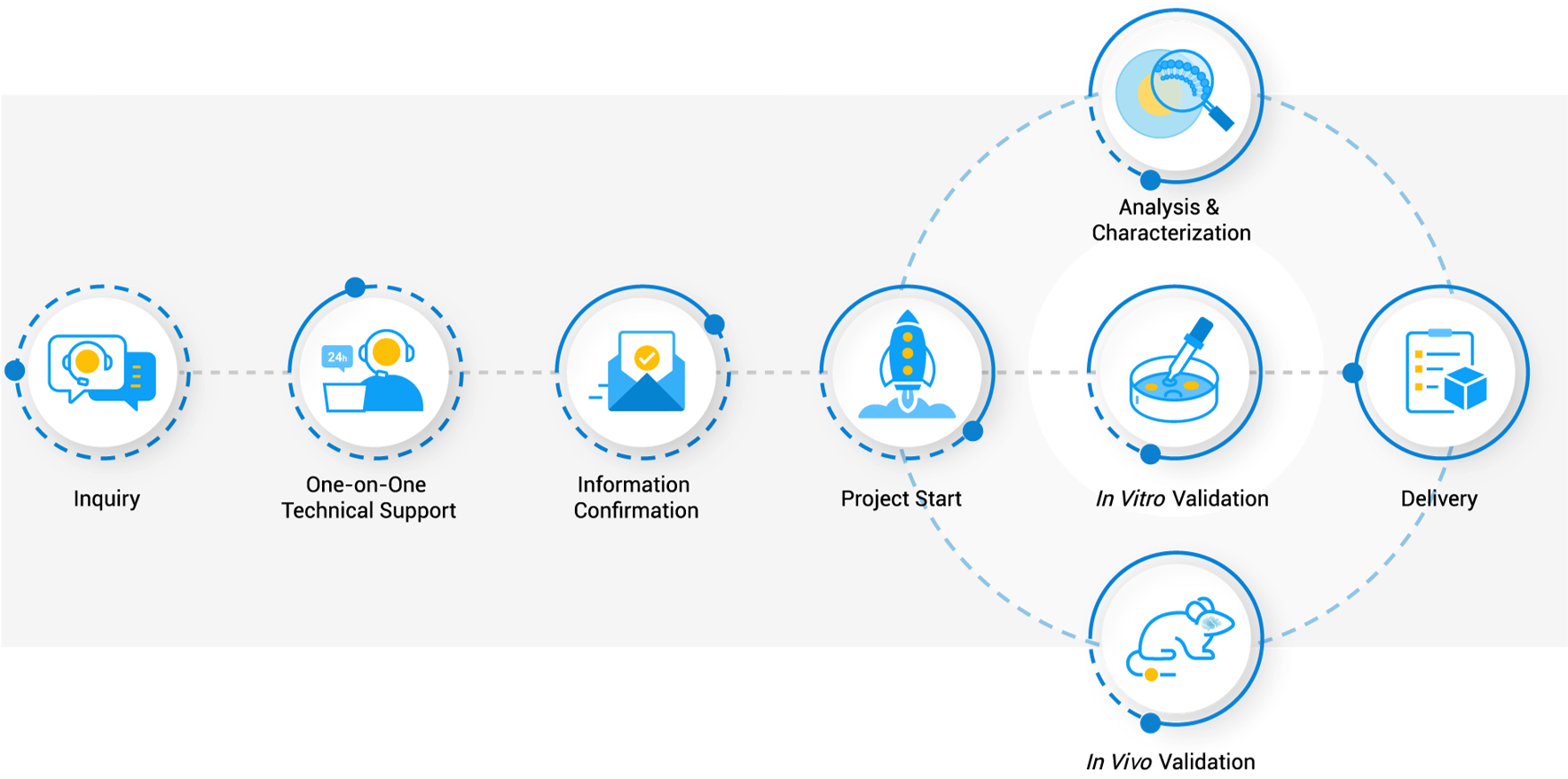
Workflow
Therapeutic Applications of Aptamer Technology
Our platform supports the targeted delivery of a vast array of therapeutic payloads, turning systemic treatments into precision medicines across multiple disciplines.
- Precision Oncology: Developing ApDCs to deliver potent cytotoxic agents (e.g., MMAE, Doxorubicin) specifically to tumor cells overexpressing targets like Nucleolin or HER2, significantly widening the therapeutic window.
- Targeted Gene Silencing: utilizing Aptamer-siRNA Chimeras to deliver RNA interference payloads to hepatocytes or tumor cells, overcoming the challenge of endosomal escape.
- Crossing Biological Barriers: Engineering aptamers that bind transcytosis receptors (like Transferrin) to facilitate the transport of enzymes or drugs across the Blood-Brain Barrier (BBB) for neurodegenerative diseases.
- Immunotherapy Modulation: Using multivalent aptamers to cluster immune checkpoint receptors (like 4-1BB or OX40) on T-cells, acting as synthetic agonists to boost anti-tumor immunity.
Why Choose Creative Biolabs?
Our integrated platform synergizes advanced scientific innovation with the rigorous quality standards of industrial manufacturing.
Proprietary Negative Selection
Unlike standard protocols, our aptamer screening workflow includes aggressive negative selection against healthy cells, minimizing the risk of off-target toxicity in your final application.
Integrated Chemistry & Biology
We don't just synthesize DNA; we understand drug delivery. We optimize sequences specifically for internalization and endosomal escape, not just surface binding.
Scalable Manufacturing
From microgram-scale discovery synthesis to gram-scale production for animal toxicity studies, we support your project's growth.
Advanced Analytics
Every aptamer is delivered with a comprehensive Certificate of Analysis (CoA).
Creative Biolabs provides more than just a synthesis service; we offer a strategic partnership to overcome the biological barriers limiting your therapeutic candidates. From high-affinity aptamer screening discovery to the precise engineering of Aptamer-Drug Conjugates, our comprehensive platform is dedicated to advancing your research from the bench to the clinic.
Related Services
Chemical Synthesis Services
FAQs
Can you help design the linker for an Aptamer-Drug Conjugate?
Absolutely. Our chemistry team can design and synthesize custom linkers (e.g., pH-sensitive, cathepsin-cleavable) tailored to your specific drug payload and release requirements
What is the process for requesting a quote?
You can submit an inquiry through our website form or email our sales team directly. Please provide target details, desired scale, and modification requirements if known. We typically respond with a formal quote within 24 hours.
Do you provide services to international clients?
Yes, Creative Biolabs serves a global client base. We have established logistics partners to ensure cold-chain shipping and customs clearance for stable delivery to North America, Europe, and Asia.
How does Creative Biolabs handle project confidentiality and IP?
We treat all client data with the utmost confidentiality. We are happy to sign a Non-Disclosure Agreement (NDA) prior to project discussion. All intellectual property generated during the service belongs to the client.
References
- Gamboa, Joana, et al. "Aptamers for the delivery of plant-based compounds: A review." Pharmaceutics 16.4 (2024): 541.https://doi.org/10.3390/pharmaceutics16040541
- Szymanowski, Wojciech, et al. "Aptamers as potential therapeutic tools for ovarian cancer: Advancements and challenges." Cancers 15.21 (2023): 5300.https://doi.org/10.3390/cancers15215300
- Kim, Minhee, et al. "Applications of cancer cell-specific aptamers in targeted delivery of anticancer therapeutic agents." Molecules 23.4 (2018): 830.https://doi.org/10.3390/molecules23040830
- Distributed under Open Access license CC BY 4.0, without modification.