Liposomes are often quickly recognized and removed from circulation by the Mononuclear Phagocyte System (MPS).
Liposome Formulation Development & Optimization Services
The ultimate frontier in modern medicine is targeted drug delivery, aiming to elevate the therapeutic index by maximizing drug concentration at the diseased site while sparing healthy tissues. Liposomes are a crucial enabler of this mission, offering a versatile platform for protective encapsulation and controlled release. However, developing a truly optimal system—one that achieves superior stability, high encapsulation efficiency (EE), and precise guidance—demands specialized scientific expertise. Creative Biolabs specializes in this intersection of science and precision, leveraging decades of experience to transform complex payload candidates into robust, highly effective delivery systems optimized for your specific research application.
Request a Free Scientific Consultation
Background
The Challenge: Navigating Biological Barriers
Developing a stable liposomal formulation is only the first step. The primary hurdle in achieving therapeutic success is overcoming intrinsic biological barriers:
Rapid Clearance
Instability
Payloads, particularly nucleic acids, are vulnerable to enzymatic degradation in vivo.
Targeting Specificity
Achieving sufficient local drug concentration requires navigating dense tissue environments and achieving specific interaction with target cell receptors (e.g., maximizing the EPR effect in oncology).
Endosomal Escape
For intracellularly active drugs, delivery requires successful escape from the endolysosomal pathway into the cytosol.
What Are Liposome?
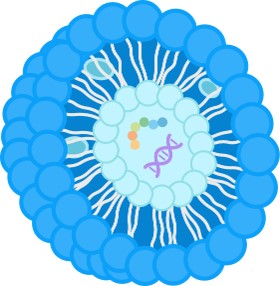
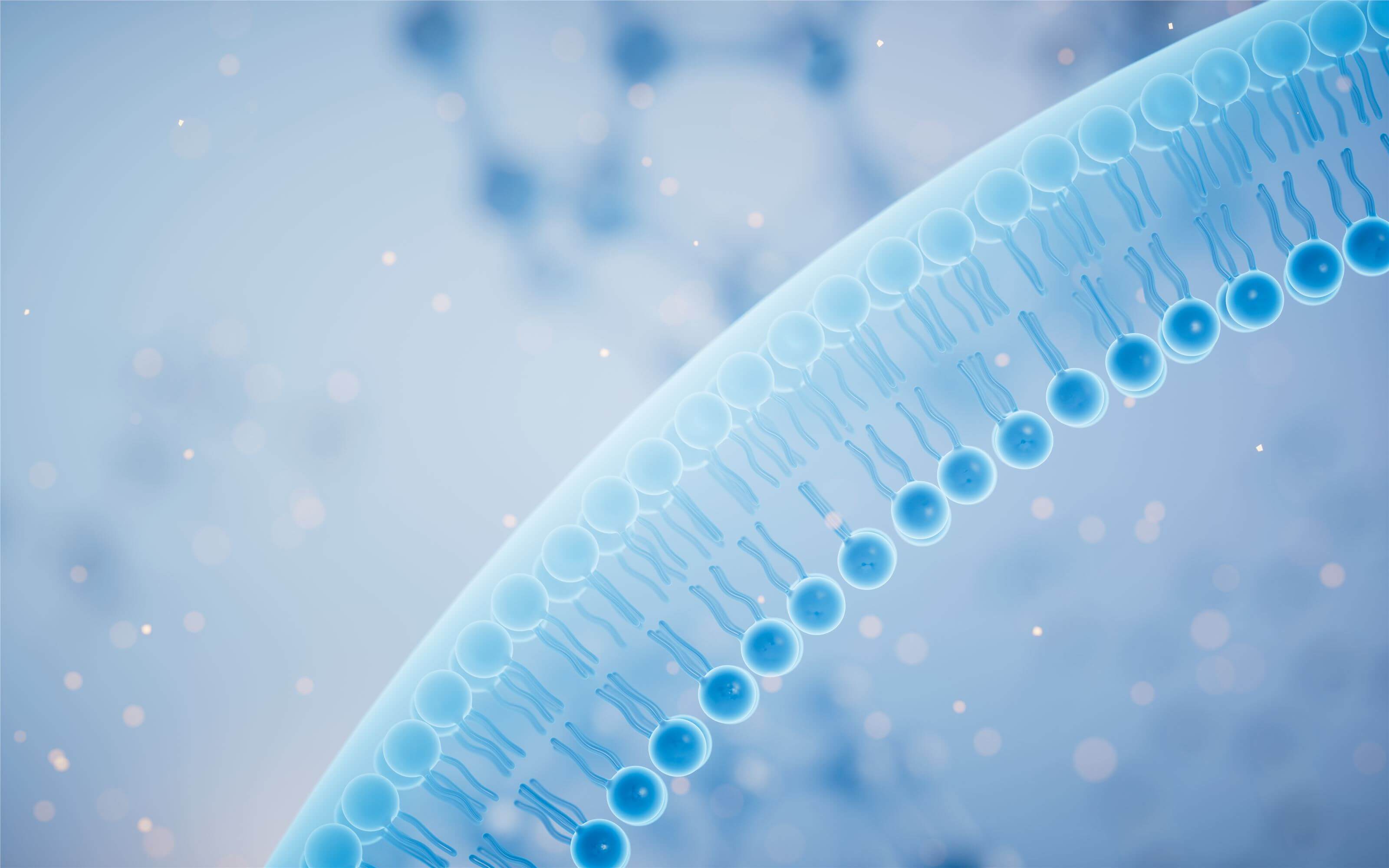
Liposomes are microscopic vesicles composed of one or more concentric lipid bilayers enclosing an aqueous core. This amphiphilic structure allows them to encapsulate both hydrophilic (in the core) and lipophilic (within the bilayer) therapeutic agents, ranging from small molecules to complex nucleic acids. Their high biocompatibility, low immunogenicity, and structural versatility make them the most clinically successful class of nanocarriers, essential for reducing systemic toxicity and enhancing drug efficacy.
The performance of a liposomal system—specifically its ability to retain the drug and control its release—is directly governed by its lipid composition.
| Lipid Property | Effect on Drug Loading (Retention) | Effect on Drug Release Rate (Permeability) |
|---|---|---|
| Lipid Chain Length | Longer chains promote retention | Shorter chains increase permeability |
| Cholesterol Content | Lower cholesterol promotes retention | Higher cholesterol increases permeability |
| Phase Transition Temp (TC) | Higher TC lipids promote retention (Gel State) | Lower TC lipids increase permeability (Fluid State) |
| Lipid Saturation | Higher degree of saturation promotes retention | Higher degree of unsaturation increases permeability |
Rational Liposome Formulation Development
This crucial starting phase establishes the fundamental stability and architecture of liposome, tailored to the cargo's unique properties. Key considerations include:
- Payload Compatibility Screening: Determining the optimal lipid-to-drug ratio based on the cargo's pKa, hydrophobicity, and molecular size to maximize initial loading.
- Smart Lipid Selection: Precise selection of phospholipids, charge-modulating lipids, and cholesterol concentration to control membrane rigidity and stability.
- Loading Strategy Design: Developing high-yield Active Loading protocols (e.g., pH gradient, sulfate gradient) for small molecules or passive encapsulation methods for large biologics.
Data-Driven Formulation Optimization
Optimization is a rigorous, iterative process applying Quality by Design (QbD) principles to refine the product for predictable in vivo performance:
- Narrow PDI Guarantee: Fine-tuning critical process parameters (CPPs) to achieve a sub-0.3 Polydispersity Index—essential for reproducible biodistribution and successful targeting.
- Zeta Potential Engineering: Precisely adjusting surface charge (Zeta Potential) to enhance colloidal stability, minimize aggregation, and tune cell/membrane interactions.
- Enhanced Stability Profiling: Incorporating stabilizers (e.g., antioxidants, cryoprotectants) and optimizing lyophilization cycles to ensure long-term, verifiable shelf-life.
Advanced Liposome Development Platforms
Creative Biolabs offers customized liposome formulations tailored to your specific payload and target. Furthermore, to facilitate rapid research, we maintain a selection of off-the-shelf liposome products and kits in stock, which can help customers quickly select suitable components for immediate use.
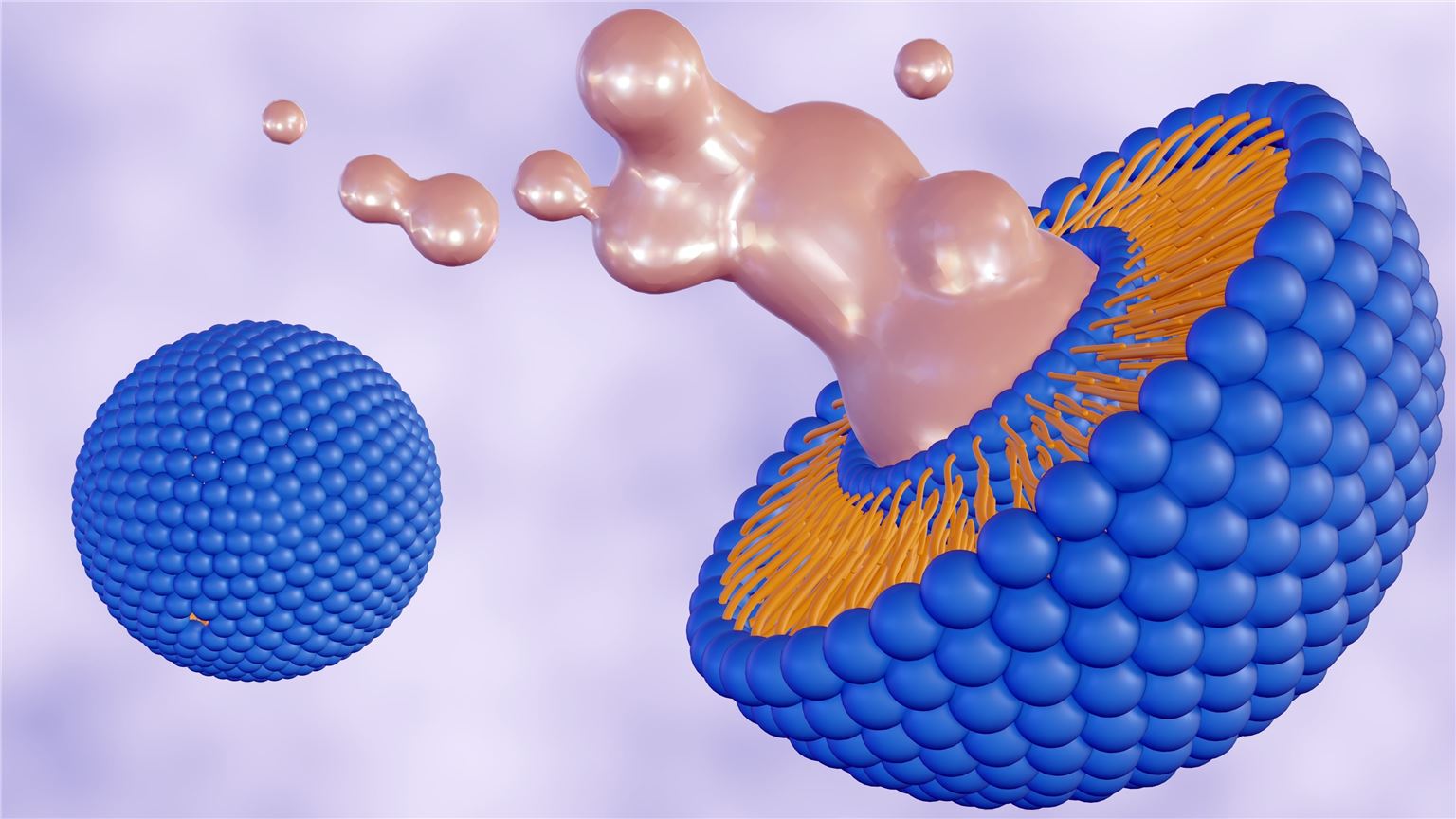
We develop standard, high-quality systems optimized for fundamental parameters:
Drug-Loaded Liposomes
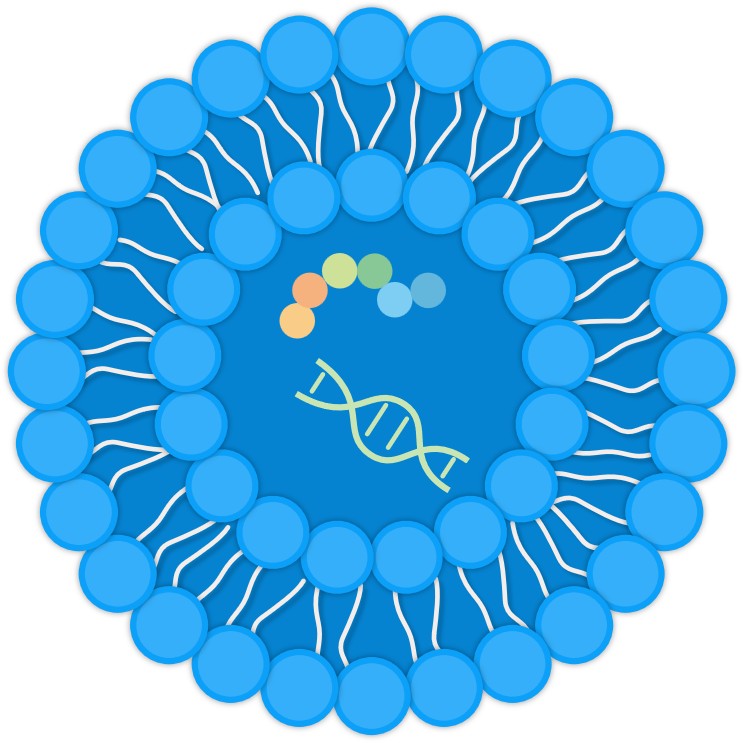
Optimization for maximum EE of small molecule drugs using passive or active loading methods.
Long-Circulating Liposomes
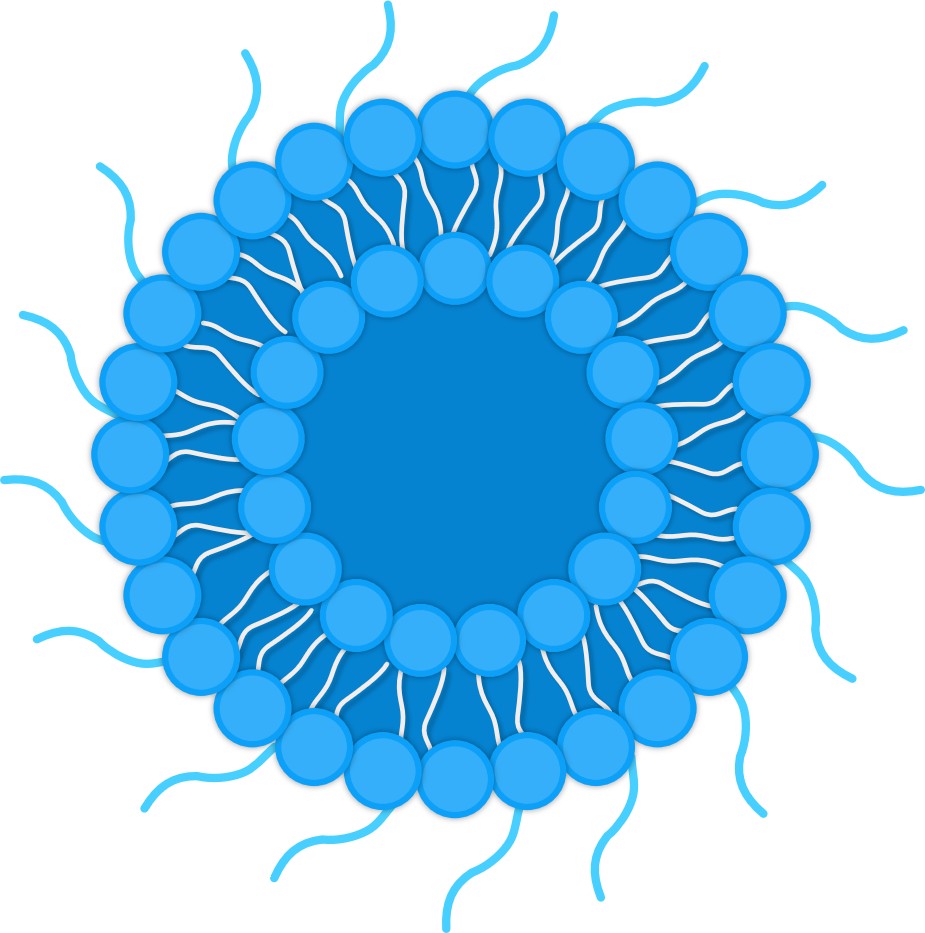
Utilizing PEGylation and other surface modifications to minimize MPS uptake and maximize plasma half-life.
Charged Liposomes
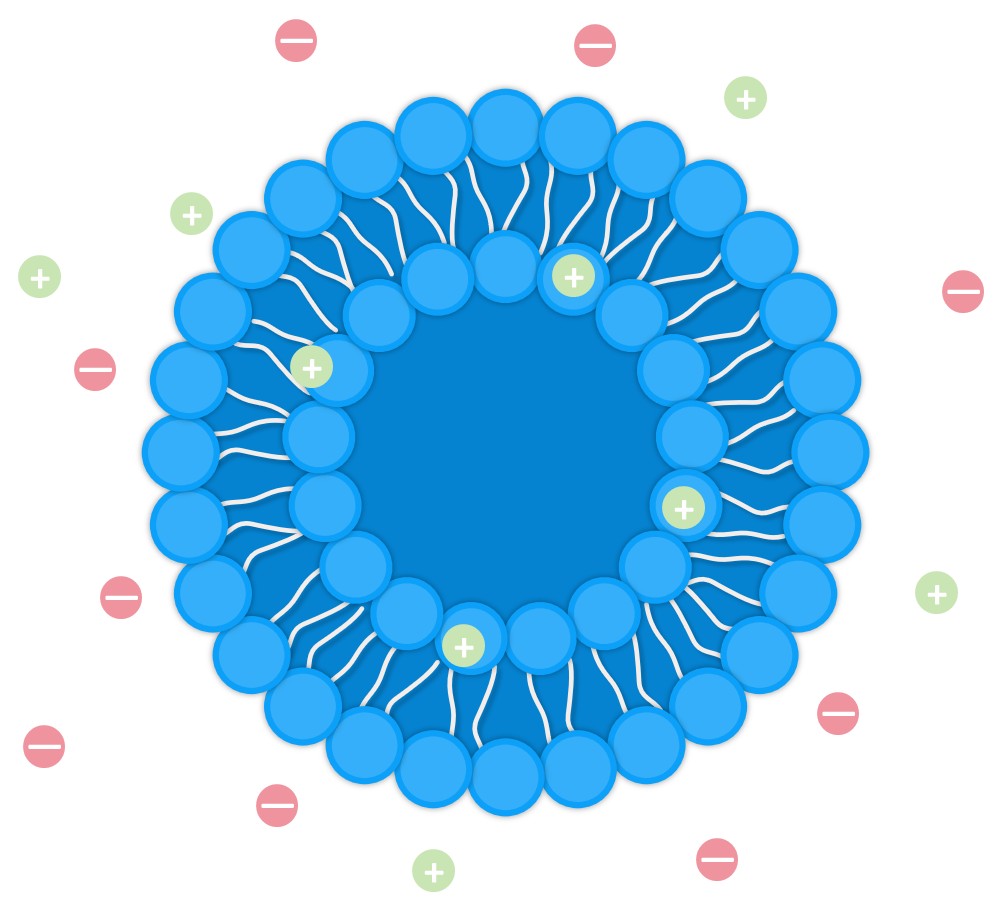
Controlling surface charge (neutral, cationic, anionic) to modulate stability, interaction with biological membranes, and transfection efficiency.
Fluorescent Liposomes
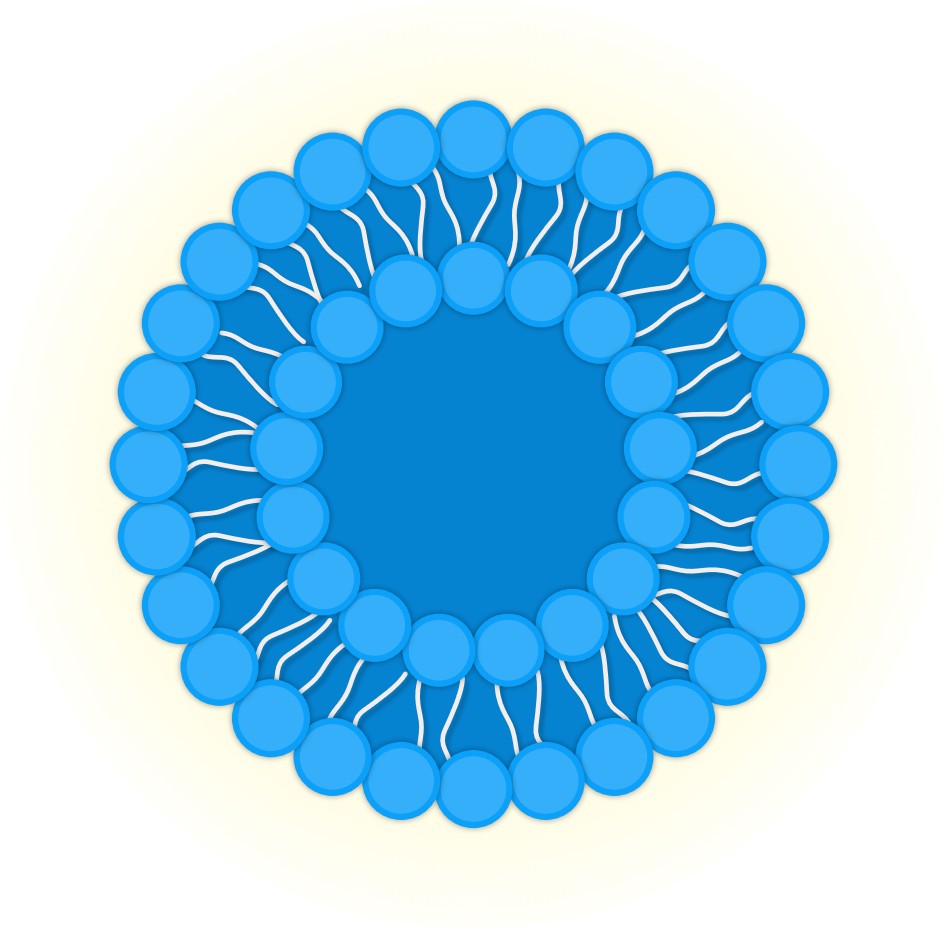
Incorporation of fluorescent tags or probes for in vitro and in vivo imaging and tracking studies.


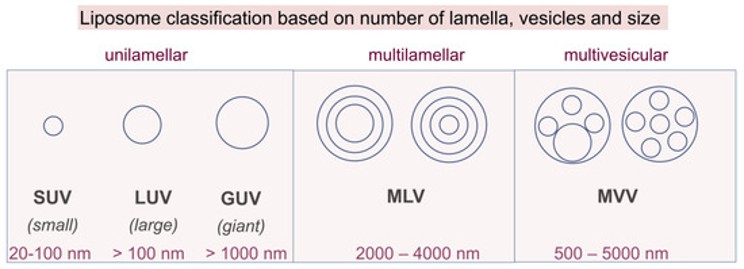 Fig. 1 Types of liposomes based on structure and size.1
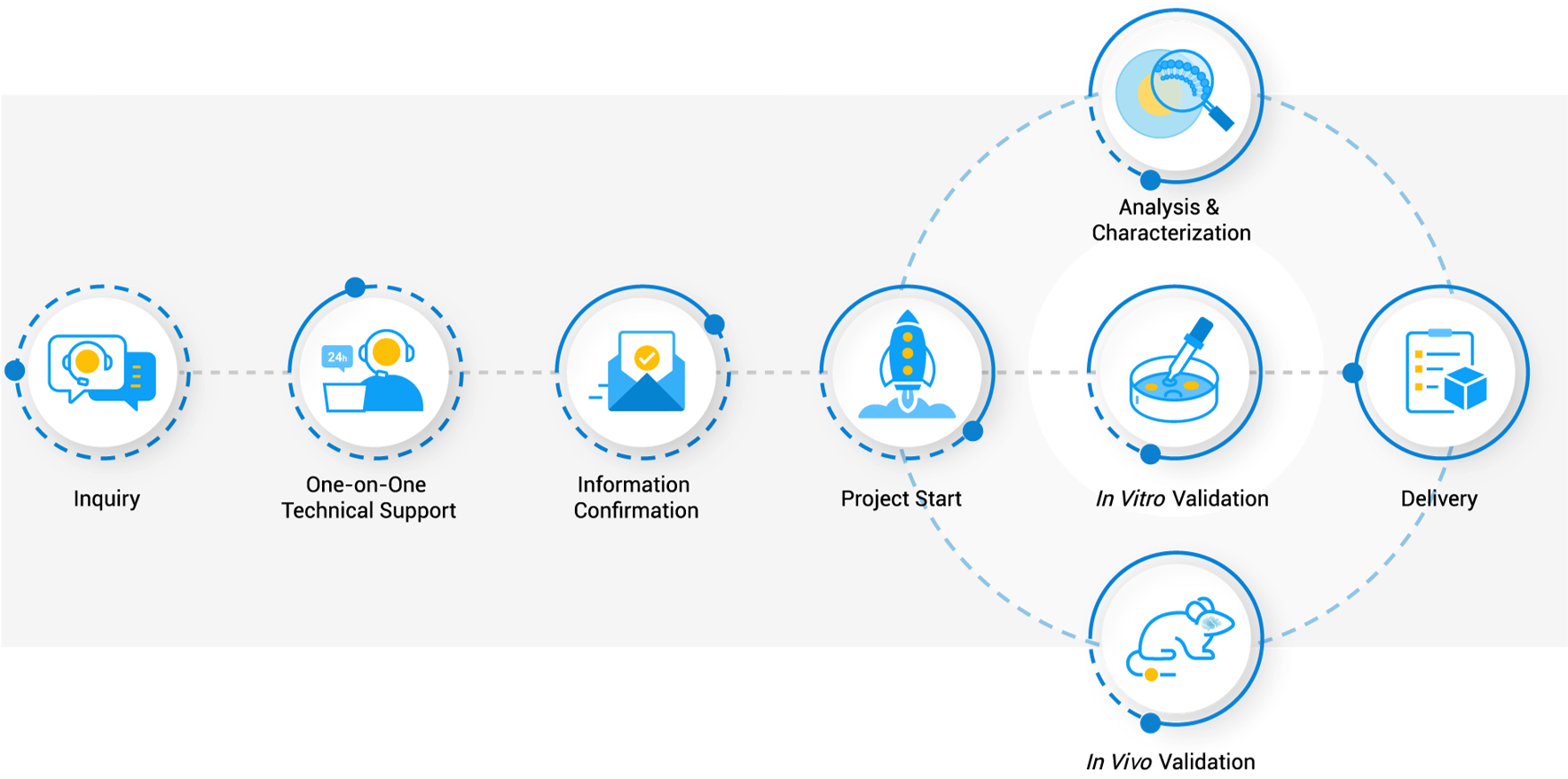
Workflow
Applications of Targeted Liposomes in Modern Research
Creative Biolabs' liposome services empower researchers to tackle complex delivery challenges across high-impact therapeutic fields.
- Oncology: Engineering Immunoliposomes and Stimuli-Responsive systems to achieve active targeting and enhanced accumulation within solid tumors (EPR effect), dramatically improving the safety profile of chemotherapy and radiopharmaceuticals.
- Nucleic Acid Therapeutics: Designing highly stable LNPs and liposomes essential for the successful delivery of fragile mRNA (vaccines/protein replacement), siRNA, and CRISPR-Cas9 components to the cytosol, enabling genetic therapies.
- Neurotherapeutics: Developing specialized, surface-modified liposomes capable of crossing the Blood-Brain Barrier (BBB), unlocking treatments for Alzheimer's, Parkinson's, and other CNS disorders.
- Advanced Drug Modalities: Providing reliable delivery for novel, highly potent agents such as protein degraders, ensuring stability and efficient intracellular uptake for functional effect.
- Vaccinology: Formulating liposomal adjuvants and delivery systems that enhance immune response by optimizing antigen presentation and stability.
Why Choose Creative Biolabs?
QbD-Driven Development
We guarantee reproducibility and robustness. Our systematic application of Quality by Design principles ensures every Critical Quality Attribute (CQA) is linked to a controlled process, streamlining your path to IND filing.
Payload-Agnostic Expertise
Our modular system is flexible enough to formulate virtually any therapeutic payload—from small molecules to next-generation biologics like mRNA and Protein degrader.
Scalability-First Approach
All optimization and validation steps are performed with future manufacturing scale-up in mind.
Comprehensive Analytical Characterization
We provide granular, auditable data, including DLS (Size/PDI), Zeta potential measurement, and validated EE assays (HPLC/UV-Vis).
Creative Biolabs empowers researchers by providing the tools and expertise to achieve targeted delivery, ensuring your pioneering science reaches its full therapeutic potential. Contact our dedicated scientific team today to discuss your specific liposome challenge.
Related Services
FAQs
What data do you require to start a liposome project?
We require information about your payload's chemical structure, stability profile, intended therapeutic application.
What is the typical lead time for a full liposome optimization project?
A typical comprehensive project, spanning initial design through stability assessment and Tech Transfer documentation, ranges from 8 to 12 weeks, depending on the complexity of the payload and the required targeting modules.
Can you functionalize my liposomes with a proprietary peptide/antibody?
Absolutely. We specialize in developing robust conjugation chemistries (e.g., thiol-maleimide or click chemistry) to attach your proprietary ligands (peptides, antibodies, aptamers) to the liposome surface with high yield and stability.
What characterization data is included in the final report?
Every project culminates in a Comprehensive Characterization Report, including DLS (Mean Size and PDI), Zeta Potential, EE (via validated HPLC or UV-vis).
Reference
- Amarandi, Roxana-Maria, et al. "Liposomal-based formulations: A path from basic research to temozolomide delivery inside glioblastoma tissue." Pharmaceutics 14.2 (2022): 308. https://doi.org/10.3390/pharmaceutics14020308. Distributed under Open Access license CC BY 4.0, without modification.
Our services are For Research Use Only. We do not provide services to individuals.
Online Inquiry