Exosome Cargo Loading Service for Targeted Drug Delivery
The therapeutic potential of potent biological molecules is often limited by their inability to cross biological barriers or escape endosomal entrapment. To address this, the field is shifting toward "nature's delivery vehicles"-exosomes-as a superior alternative to synthetic carriers. At Creative Biolabs, we provide a comprehensive Exosome Cargo Loading Service designed to overcome these hurdles. By leveraging advanced active and passive loading technologies, we transform extracellular vesicles into precision-guided therapeutics.
Request a Free Scientific Consultation
The Science of Exosomes-based Drug Delivery System
Why Choose Exosomes as Drug Carriers?
Exosomes are nanosized extracellular vesicles (30-150 nm) originating from the endosomal pathway. While initially considered cellular waste disposal units, they are now recognized as critical mediators of intercellular communication with diverse biological functions:
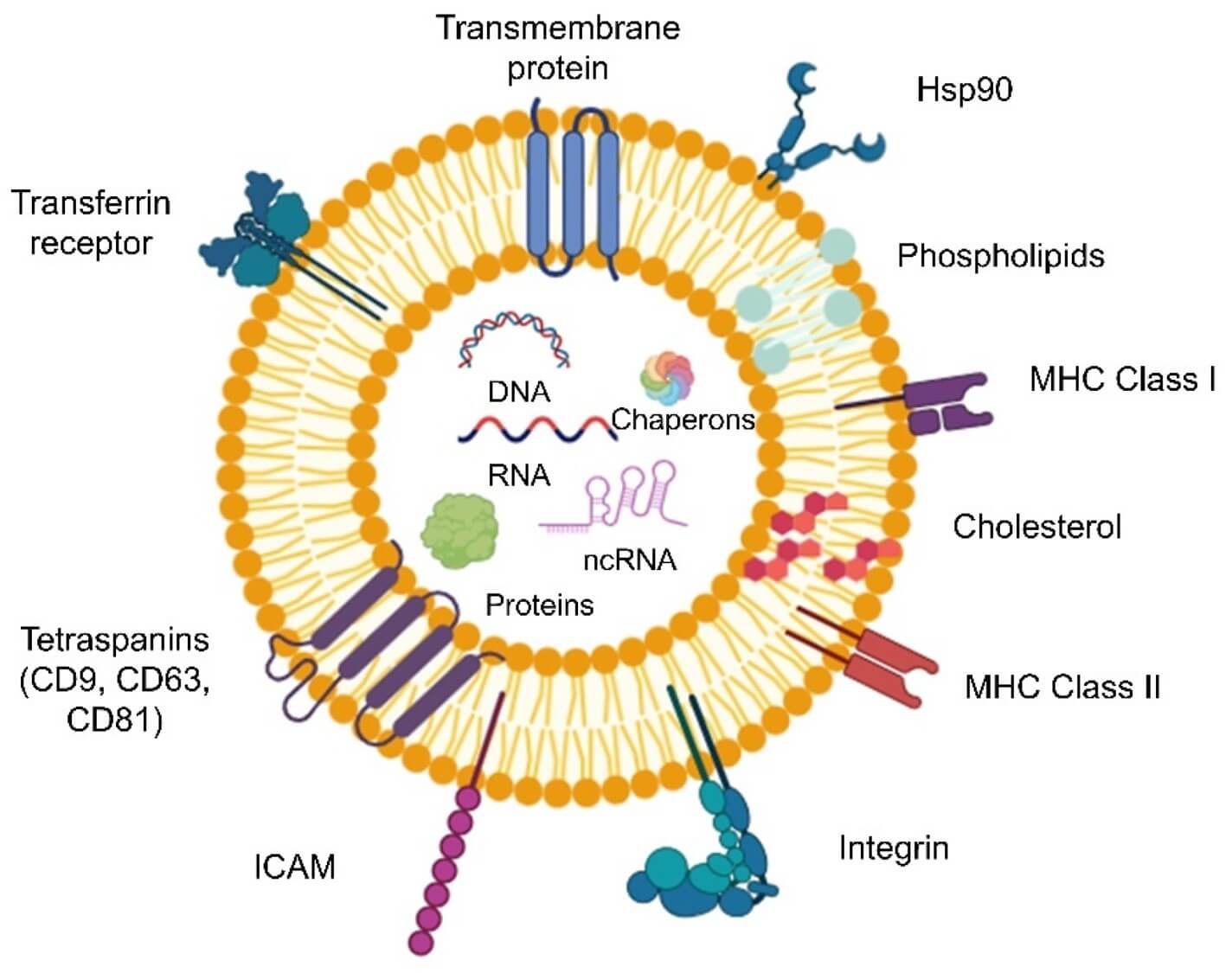 Fig. 1 Schematic representation of exosome composition.1
- Intercellular Cargo Transport: Traffics molecular payloads (proteins, lipids, nucleic acids) to regulate recipient cell phenotypes.
- Immune Regulation: Modulates immune responses via antigen presentation or immunosuppression.
- Tissue Regeneration: Promotes tissue repair, angiogenesis, and inflammation reduction.
- Biological Barrier Penetration: Crosses tight physiological barriers (e.g., BBB) for efficient delivery.
- Intrinsic Homing Capabilities: Exhibits natural tissue tropism for targeted therapeutic distribution.
Strategies for Exosome-based Drug Delivery
Effective drug loading is the cornerstone of exosome therapeutics. We employ two primary strategies to incorporate therapeutic cargo, selecting the optimal approach based on the molecule's physiochemical properties.
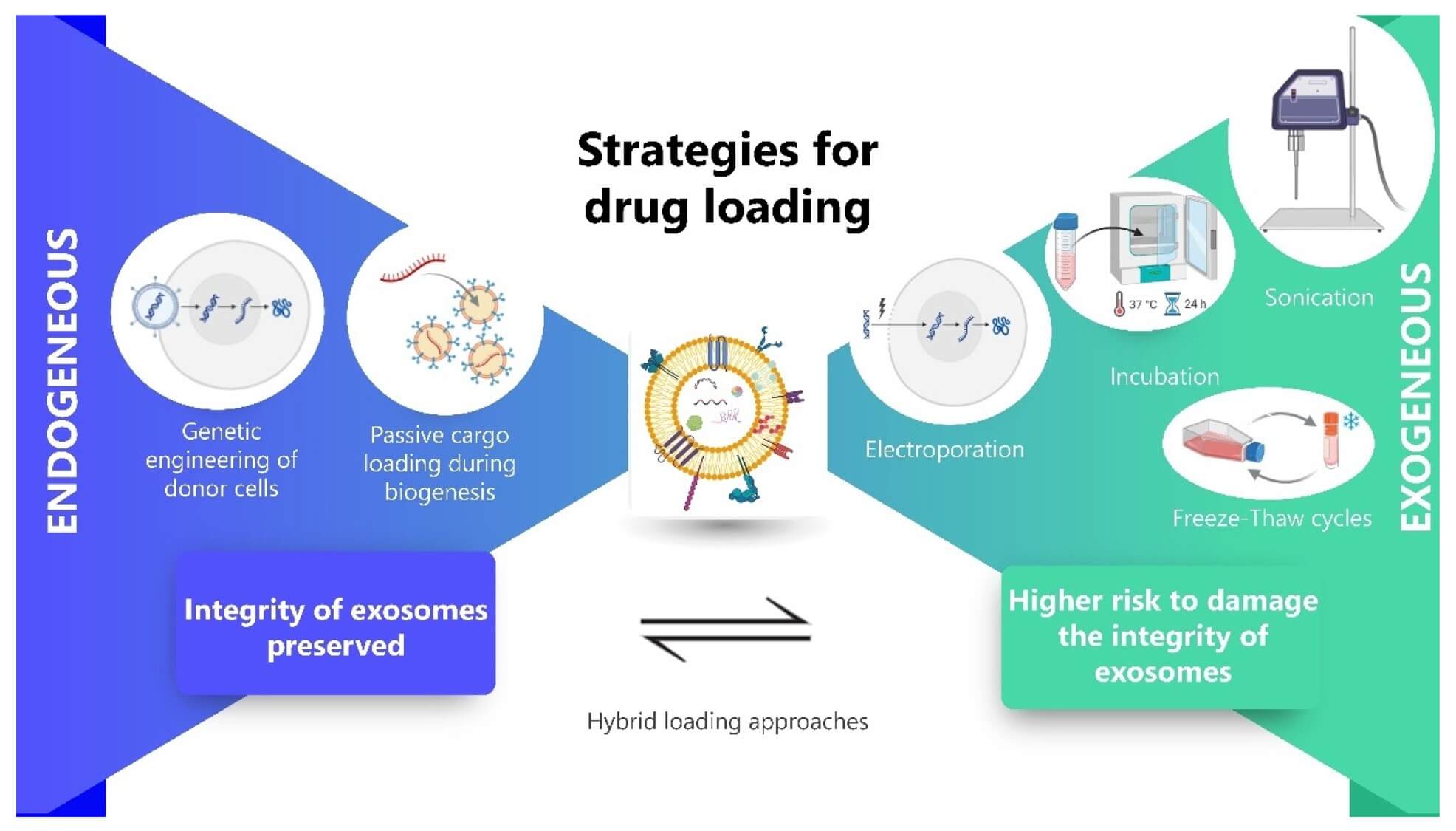 Fig. 2 Endogenous vs. Exogenous Loading Strategies.1
This strategy involves manipulating the donor cells to package the therapeutic cargo into exosomes during biogenesis.
Transfecting donor cells with plasmid DNA or viral vectors to overexpress specific RNA (miRNA, mRNA) or proteins, which are then sorted into exosomes.
Incubating donor cells with small molecule drugs, allowing the cells to uptake and package the drug into shedding vesicles.
Therapeutic Modalities Suitable for Exosome Delivery
Exosomes represent a paradigm shift in pharmacotherapy, offering a versatile platform for the encapsulation and targeted delivery of a broad spectrum of bioactive payloads. By mimicking natural intercellular communication pathways, exosomes facilitate the transport of therapeutic agents across biological membranes-including the blood-brain barrier-while preserving payload stability and mitigating systemic immunogenicity. This "nature-inspired" delivery system is compatible with diverse molecular classes, overcoming distinct pharmacological limitations for each.
Classes of Compatible Drugs:
Small Molecule Drugs
Enhances solubility and bioavailability of poorly water-soluble compounds. Encapsulation alters pharmacokinetics, reducing systemic toxicity while improving accumulation at target sites.

Nucleic Acids
Protects genetic material from serum nucleases and facilitates efficient endosomal escape, maximizing cytosolic delivery for siRNA, miRNA, and mRNA.

Proteins & Peptides
Preserves tertiary structure and enzymatic activity within a native-like environment, enabling the effective intracellular delivery of functional macromolecules like transcription factors.
The following table details specific therapeutic cargoes that have been successfully optimized for exosome delivery, highlighting their mechanisms of action and the distinct advantages provided by vesicular transport.
Table 1 Examples of Therapeutic Cargo for Exosome Delivery
| Drug Category | Specific Examples | Mechanism | Exosome Delivery Advantages |
|---|---|---|---|
| Small Molecules | Doxorubicin (DOX) | Anthracycline chemotherapy for various cancers. | Significantly reduces cardiotoxicity; improves tumor accumulation via the Enhanced Permeability and Retention (EPR) effect. |
| Paclitaxel (PTX) | Microtubule stabilizer used in chemotherapy. | Overcomes poor solubility without toxic solvents (Cremophor EL); bypasses P-gp efflux pumps to reverse Multi-Drug Resistance (MDR). | |
| Linezolid | Synthetic antibiotic for Gram-positive infections. | Enhances intracellular delivery to macrophages, effectively treating intracellular pathogens like MRSA. | |
| Curcumin | Anti-inflammatory and antioxidant polyphenol. | Drastically increases solubility and stability; enables Blood-Brain Barrier (BBB) crossing for Alzheimer's treatment. | |
| Triptolide | Bioactive compound with immunosuppressive properties. | Reduces severe systemic toxicity and hepatotoxicity; improves bioavailability and targeted delivery to inflammatory sites. | |
| Dapagliflozin | SGLT2 inhibitor for Diabetes and kidney disease. | Improves bioavailability and offers potential for kidney-targeted delivery, reducing off-target effects. | |
| Clodronate | Bisphosphonate for osteolysis and macrophage depletion. | Naturally targets the mononuclear phagocyte system (MPS), significantly enhancing macrophage depletion efficiency in research models. | |
| Nintedanib | Tyrosine kinase inhibitor for pulmonary fibrosis. | Improves lung tissue accumulation; reduces gastrointestinal side effects associated with systemic administration. | |
| Dopamine | Neurotransmitter for Parkinson's Disease treatment. | Crosses the BBB to deliver dopamine directly to the brain, protecting it from oxidation in the systemic circulation. | |
| Chlorin e6 | Photosensitizer for Photodynamic Therapy (PDT). | Enhances cellular uptake and tumor retention, leading to higher reactive oxygen species (ROS) generation upon irradiation. | |
| Proteins & Enzymes | Catalase | Antioxidant enzyme that decomposes hydrogen peroxide. | Delivers functional enzyme across the BBB to protect neurons from oxidative stress in Parkinson's and Alzheimer's models. |
| beta-glucuronidase | Lysosomal enzyme for Mucopolysaccharidosis VII. | Facilitates lysosomal trafficking and cellular uptake for effective Enzyme Replacement Therapy (ERT). | |
| Insulin | Peptide hormone for blood glucose regulation. | Protects insulin from proteolytic degradation in the GI tract, enabling non-invasive oral or intranasal delivery routes. | |
| Cas9 RNP complexes | Ribonucleoprotein complex for genome editing. | Enables direct cytosolic delivery without transcription/translation lag; significantly lower immunogenicity compared to viral vectors. | |
| hCG | Human Chorionic Gonadotropin hormone. | Enhances stability and provides controlled release kinetics for sustained therapeutic effect. | |
| Therapeutic Nucleic Acids | Bcl-2 siRNA | Small interfering RNA targeting the anti-apoptotic Bcl-2 gene. | Protects siRNA from RNases; efficiently silences Bcl-2 to sensitize drug-resistant tumor cells to chemotherapy. |
| BCL6 siRNA | siRNA targeting B-cell lymphoma 6 protein. | When combined with targeted exosomes (e.g., iRGD-modified), effectively silences BCL6 in Diffuse Large B-Cell Lymphoma (DLBCL). | |
| miRNA-126 | MicroRNA regulating angiogenesis and vascular integrity. | Delivers mature miRNA to endothelial cells to promote tissue repair or inhibit pathological angiogenesis in cancer. |
Comprehensive Exosome Cargo Loading Solutions
At Creative Biolabs, we provide end-to-end solutions for engineered exosomes, utilizing "fit-for-purpose" methodologies to maximize loading efficiency and preserve vesicle integrity.
Precision Nucleic Acid Encapsulation
We specialize in the delivery of genetic material, addressing the challenge of charge repulsion between the negative nucleic acid backbone and the exosome surface.
- Optimization of electroporation parameters (voltage, pulse length) to balance loading efficiency with membrane recovery.
- Utilization of cation-complexed loading strategies to enhance mRNA and siRNA entrapment.
- Removal of unencapsulated RNA to ensure accurate quantification of delivery.
- Protection assays to verify resistance to RNase degradation.
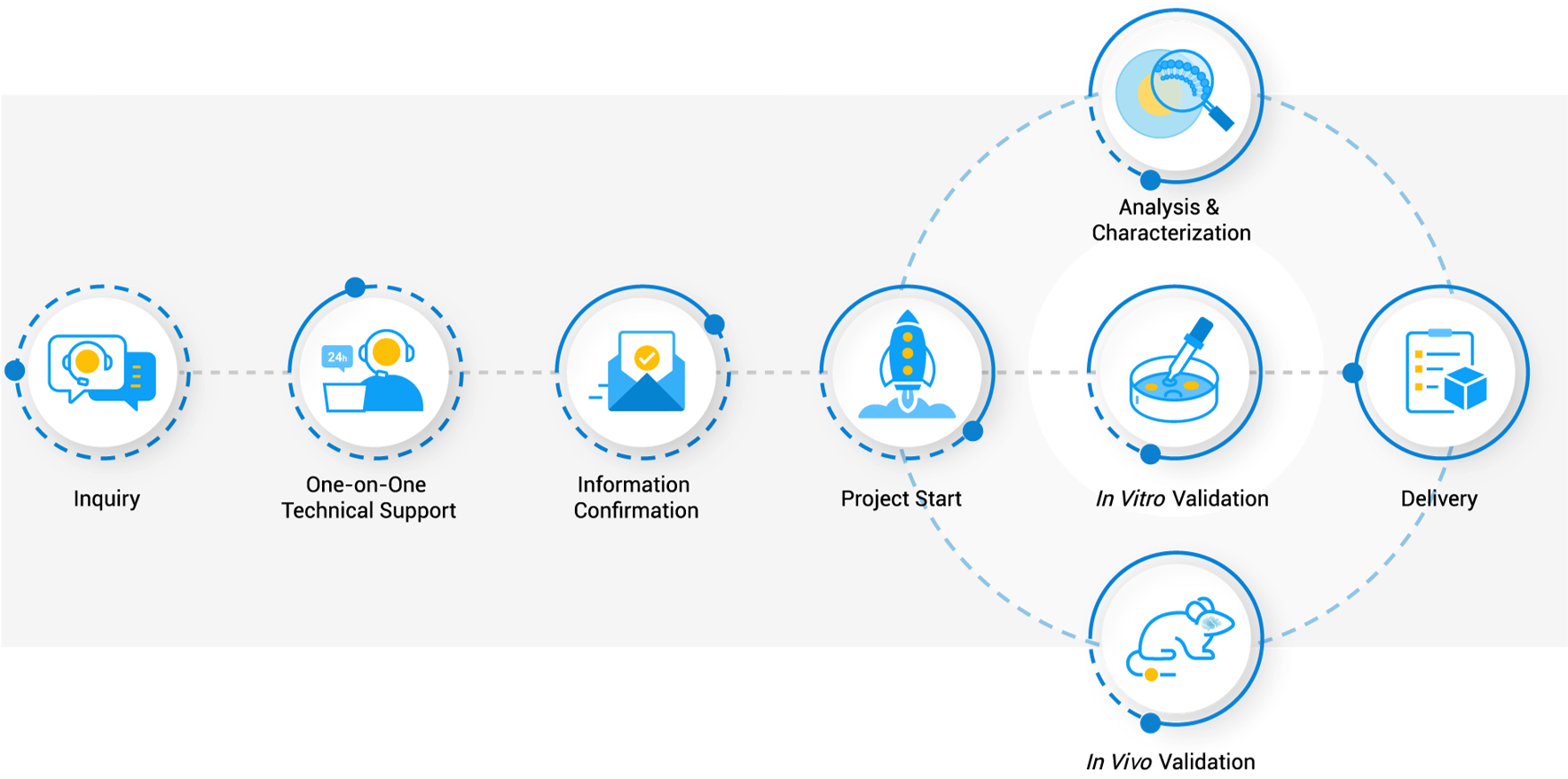
Workflow
Applications of Exosome Drug Delivery Systems
Our exosome-based drug delivery service empowers researchers to breach traditional biological barriers and achieve targeted therapeutic effects.
- Precision Oncology: Delivering chemotherapeutics specifically to tumor cells to minimize systemic side effects and overcome multi-drug resistance (MDR).
- CNS Therapeutics: Utilizing surface-modified exosomes to transport neurotrophic factors or gene silencing agents across the Blood-Brain Barrier (BBB) for Alzheimer's and Parkinson's disease.
- Immunomodulation: Delivering anti-inflammatory miRNAs or cytokines to specific immune cells to treat autoimmune diseases or suppress cytokine storms.
- Regenerative Therapies: Transporting mRNA or proteins that stimulate tissue repair and angiogenesis in cardiac or hepatic injury models.
Why Choose Creative Biolabs?
Optimized Loading Efficiency
We utilize proprietary buffers and protocols that consistently achieve superior loading rates compared to standard commercial kits.
Integrity Preservation
Our workflows are rigorously tested to ensure that loading methods (like electroporation) do not compromise the exosome membrane or surface markers.
Advanced Purification
We implement stringent purification steps (SEC, TFF) to ensure that observed therapeutic effects are due to encapsulated cargo, not free drug contaminants.
Customizable Solutions
From small pilot studies to scalable processes, we tailor our approach to your specific molecule and therapeutic target.
Comprehensive Analytics
We provide robust physicochemical and functional characterization data to support your IND-enabling studies.
Creative Biolabs is dedicated to advancing the frontiers of precision medicine through superior exosome-based drug delivery solutions. Whether you need to deliver complex nucleic acids, stable proteins, or potent small molecules, our expert team provides the technology and guidance to ensure your therapeutic reaches its target.
Related Services & Products
Related Services
Chemical Synthesis Services

Nucleic Acid Synthesis Services
Related Products
| Product Name | Description | Inquiry |
|---|---|---|
| Exosome Nucleic Acid Loading Kit | Rapidly and conveniently introduces small nucleic acids (siRNA, miRNA, ASO) into exosomes with high throughput and superior loading capacity. | |
| Ready-to-Use Control Exosomes | Purified, characterized exosomes from HEK293 or MSCs, serving as ideal negative controls or optimization standards. |
FAQs
How do you determine the best strategy for exosome drug delivery for my specific compound?
We evaluate the physiochemical properties of your cargo (molecular weight, hydrophobicity, charge). For hydrophobic small molecules, we often recommend passive incubation. For hydrophilic macromolecules like RNA, active methods like electroporation or hybrid systems are typically required to achieve sufficient loading.
What is the advantage of using exosomes over liposomes for drug delivery?
Exosomes possess superior biocompatibility and a "self" marker profile (e.g., CD47) that reduces clearance by the immune system. Additionally, their unique lipid and protein composition allows for more efficient cellular uptake and natural barrier penetration, such as crossing the BBB.
Can you scale up the exosome loading process for pre-clinical studies?
Yes. Our workflows are designed with scalability in mind. We utilize scalable technologies such as flow electroporation and tangential flow filtration (TFF) to produce larger batches of drug-loaded exosomes suitable for animal studies.
How do you quantify the amount of drug encapsulated in the exosomes?
We use rigorous analytical methods. For small molecules, we disrupt the exosomes and measure drug content via HPLC or LC-MS/MS. For nucleic acids, we use qPCR or fluorescent assays after eliminating unencapsulated genetic material to ensure accurate quantification.
Does Creative Biolabs offer surface modification to enhance targeting?
Absolutely. Effective drug delivery often requires targeting. We offer services to conjugate aptamers, peptides, or antibodies to the exosome surface, directing your therapeutic payload to specific cell types (e.g., cancer cells) and enhancing the therapeutic index.
References
- Serrano, Dolores R., et al. "Exosome-based drug delivery: a next-generation platform for cancer, infection, neurological and immunological diseases, gene therapy and regenerative medicine." Pharmaceutics 17.10 (2025): 1336. https://doi.org/10.3390/pharmaceutics17101336. Distributed under Open Access license CC BY 4.0, without modification.