
Solid colloidal particles that encapsulate or adsorb the therapeutic agent, often utilizing biodegradable materials like poly(lactic acid), poly(glycolic acid) (PGA), or their co-polymer PLGA.
Advanced Polymer based Targeted Drug Delivery Solutions
The path toward truly transformative therapeutics frequently encounters a major hurdle: precise delivery to the target site. Shielding sensitive nucleic acids, increasing the solubility of highly water-insoluble small molecules, and directing pharmaceuticals to their intended location are formulation challenges that often determine a project's viability. At Creative Biolabs, we view these developmental difficulties not as obstacles for you, but as our core specialty. We collaborate with top researchers and biopharmaceutical enterprises, providing an integrated portfolio of bespoke polymer-based formulation expertise, including the critical support and advanced compositions needed to turn your therapeutic concept into reality. Together, we can realize the full efficacy of your drug candidates.
Click Here to View more about our Service
Polymer-based Delivery System
Advanced polymer-based delivery solutions utilize synthetic, natural, or semi-synthetic polymers to create nanoscale carriers (typically 1–1000 nm) designed to modulate the pharmacokinetics (PK) and biodistribution of therapeutic agents. These systems represent a significant evolution from conventional drug formulations.
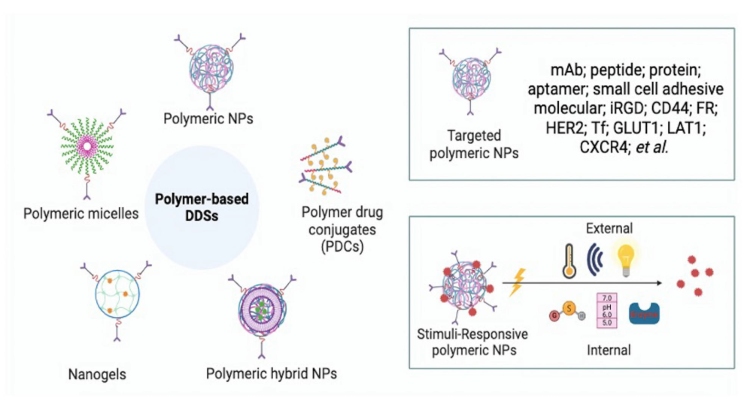 Fig.1 Polymer-Based Drug Delivery Systems.1
These carriers can take multiple forms, including:
Polymeric Nanoparticles (PNPs)
Polymeric Micelles
Amphiphilic block copolymers that self-assemble into core-shell structures in aqueous environments, ideal for solubilizing highly hydrophobic drugs in the core. The hydrophilic shell, often composed of poly(ethylene glycol) (PEG), enhances circulation time.
Polymer-Drug Conjugates (PDCs)
Systems where the drug is covalently attached to a soluble polymer backbone (e.g., PEG, HPMA). This modification significantly alters the drug's physicochemical properties, facilitating passive accumulation in tumor tissues via the Enhanced Permeability and Retention (EPR) effect.
The rational design of these systems allows for unprecedented control over drug release mechanisms, including diffusion, degradation, and swelling. Contemporary literature supports that these systems are pivotal in overcoming biological barriers, leading to improved drug efficacy and reduced overall toxicity by improving bioavailability and circulation profiles. The ability to precisely tune molecular weight, biodegradability, and surface charge is the cornerstone of successful polymer formulation in the 21st century.
Explore the complete range of polymer-based delivery systems below to find the perfect match for your most complex therapeutic payload.
Dendrimers Hydrogels Chitosan Nanofibers Microneedles PLGA Hyaluronic Acid Polymeric Microspheres Micelles Electrospun Polymeric Nanofibers Cellulose Polymeric Nanoparticles
Applications
The versatility of advanced polymer-based delivery systems makes them essential tools across numerous therapeutic and diagnostic applications, dramatically increasing the druggability of previously challenging molecules.
Oncology & Targeted Therapy
This is arguably the most impactful field. PNPs and PDCs are designed to accumulate preferentially in solid tumors, either passively via the EPR effect or actively through ligand-mediated targeting to overexpressed cancer receptors (e.g., folate receptor, EGFR). This localized delivery enhances efficacy while significantly reducing myelosuppression and cardiotoxicity associated with free cytotoxic agents.
Gene Therapy & Nucleic Acid Delivery
Cationic polymers are vital for condensing and protecting anionic nucleic acids (siRNA, mRNA, plasmid DNA). Polyplexes facilitate endosomal escape, ensuring the genetic material reaches the cytoplasm or nucleus intact to exert its therapeutic function (e.g., gene silencing or protein expression).
Chronic Disease & Sustained Release
For diseases like diabetes or chronic pain, biodegradable polymer implants (e.g., hydrogels or microparticles) can be formulated to release the active pharmaceutical ingredient (API) over weeks or months, greatly improving patient compliance and maintaining stable therapeutic blood concentrations.
Transdermal & Mucosal Delivery
Innovative mucoadhesive or skin-permeable polymers can facilitate non-invasive routes of administration, such as topical insulin delivery, bypassing the need for injections for certain peptides and proteins.
What We Can Offer
Creative Biolabs provides comprehensive, end-to-end solutions designed to translate complex therapeutic payloads into clinically relevant polymer-based nanomedicines. Our assistance focuses on solving the three critical challenges facing modern drug development: stability, targeting, and controlled release. We offer a comprehensive portfolio of high-quality products to support your targeted drug delivery research.
Solving Stability Issues
We engineer polymers that effectively encapsulate sensitive molecules, such as fragile mRNA, plasmid DNA, or degradable proteins, shielding them from enzymatic degradation and clearance by the reticuloendothelial system (RES), thereby drastically increasing their systemic half-life.
Achieving Precision Targeting
Utilizing advanced conjugation chemistry, we functionalize polymeric carriers with specific targeting ligands (peptides, antibodies, small molecules) to facilitate receptor-mediated endocytosis, ensuring high accumulation and therapeutic efficacy precisely at the diseased site (e.g., tumor microenvironment).
Enabling Controlled Release
Our platforms leverage "smart" polymers that are stimuli-responsive (pH, temperature, redox potential, or specific enzyme activity) to facilitate on-demand, precise drug release only when physiological triggers are met. This maximizes drug concentration at the target and minimizes systemic toxicity.
Our deliverables extend beyond simple particle generation, encompassing comprehensive physicochemical characterization, advanced analytical testing, and rigorous in vitro functional validation, giving you a submission-ready package.
FAQs
How do I choose between encapsulating my therapeutic agent in a polymeric nanoparticle versus conjugating it to a polymer backbone?
The choice depends on the drug's nature. Highly potent or unstable drugs, especially large biologics or nucleic acids, benefit from encapsulation within a particle for maximum protection. Drugs requiring controlled release or passive tumor accumulation (EPR effect) with modified PK profiles are better suited for conjugation, where a precise chemical bond to a soluble polymer ensures controlled release kinetics. We typically perform feasibility screens to determine the optimal approach for your specific cargo.
What is the primary factor that dictates the shelf-life and biological efficacy of these polymer carriers?
The critical factor is the particle's physicochemical stability in biological media and its storage environment. This includes resistance to aggregation, maintenance of the intended particle size and zeta potential, and most importantly, the retention of the encapsulated payload or the stability of the conjugation linker. Formulations must be robust enough to withstand systemic circulation until reaching the target site.
Are polymer-based nanocarriers suitable for crossing complex biological barriers, such as the blood-brain barrier (BBB)?
Yes, they offer a significant advantage here. By controlling particle size (typically below 200 nm), tuning surface chemistry (e.g., using PEGylation for stealth), and incorporating specific targeting ligands (e.g., transferrin receptor ligands) that facilitate active transport, polymer systems can be engineered to efficiently navigate and cross the BBB, which is impossible for most conventional drugs.
How do these systems address the issue of multi-drug resistance (MDR) often seen in cancer therapies?
Polymeric nanoparticles can circumvent drug resistance in several ways. They facilitate endocytosis, bypassing efflux pumps (like P-glycoprotein) that reside on the cell membrane. Furthermore, they can achieve high intracellular drug concentrations in a sustained manner, allowing the therapeutic agent to overcome resistance pathways more effectively.
What regulatory concerns should I anticipate when developing a polymer-based nanomedicine?
Regulatory considerations center on the polymer's safety, specifically its biocompatibility and biodegradability. Demonstrating that the polymer degrades into non-toxic, easily excretable components (especially for synthetic polymers like PLGA) is crucial. Comprehensive characterization data on residual monomers, excipients, and purity are always required, necessitating a strong focus on high-quality analytical testing from the outset.
Creative Biolabs' Advanced Polymer-Based Delivery Solutions offer the precision, stability, and control required to bring complex and sensitive therapeutics to market. From smart conjugation chemistry to scalable nanoparticle formulation, we provide the scientific foundation for your clinical success.
Reference
- Ding, Ling et al. "Polymer-Based Drug Delivery Systems for Cancer Therapeutics." Polymers vol. 16,6 843. 19 Mar. 2024, Distributed under Open Access license CC BY 4.0, without modification. https://doi.org/10.3390/polym16060843.
Our services are For Research Use Only. We do not provide services to individuals.
Online Inquiry