Functionalized Lipid Synthesis Service for Targeted Drug Delivery
The efficacy of modern therapeutics, from mRNA vaccines to gene-editing tools, relies heavily on precise delivery. At Creative Biolabs, we specialize in overcoming biological barriers through advanced lipid chemistry. Our functionalized lipids synthesis Service provides researchers with custom-engineered targeting modules designed to enhance cellular uptake, facilitate endosomal escape, and ensure tissue-specific accumulation. Whether you require ligand-conjugated lipids for active targeting or stimuli-responsive lipids for controlled release, Creative Biolabs leverages decades of expertise in conjugation chemistry to accelerate your drug delivery innovations.
Obtain Solutions for Functionalized Lipids Development
Functionalized Lipids in Targeted Delivery
The Role of Functionalized Lipids
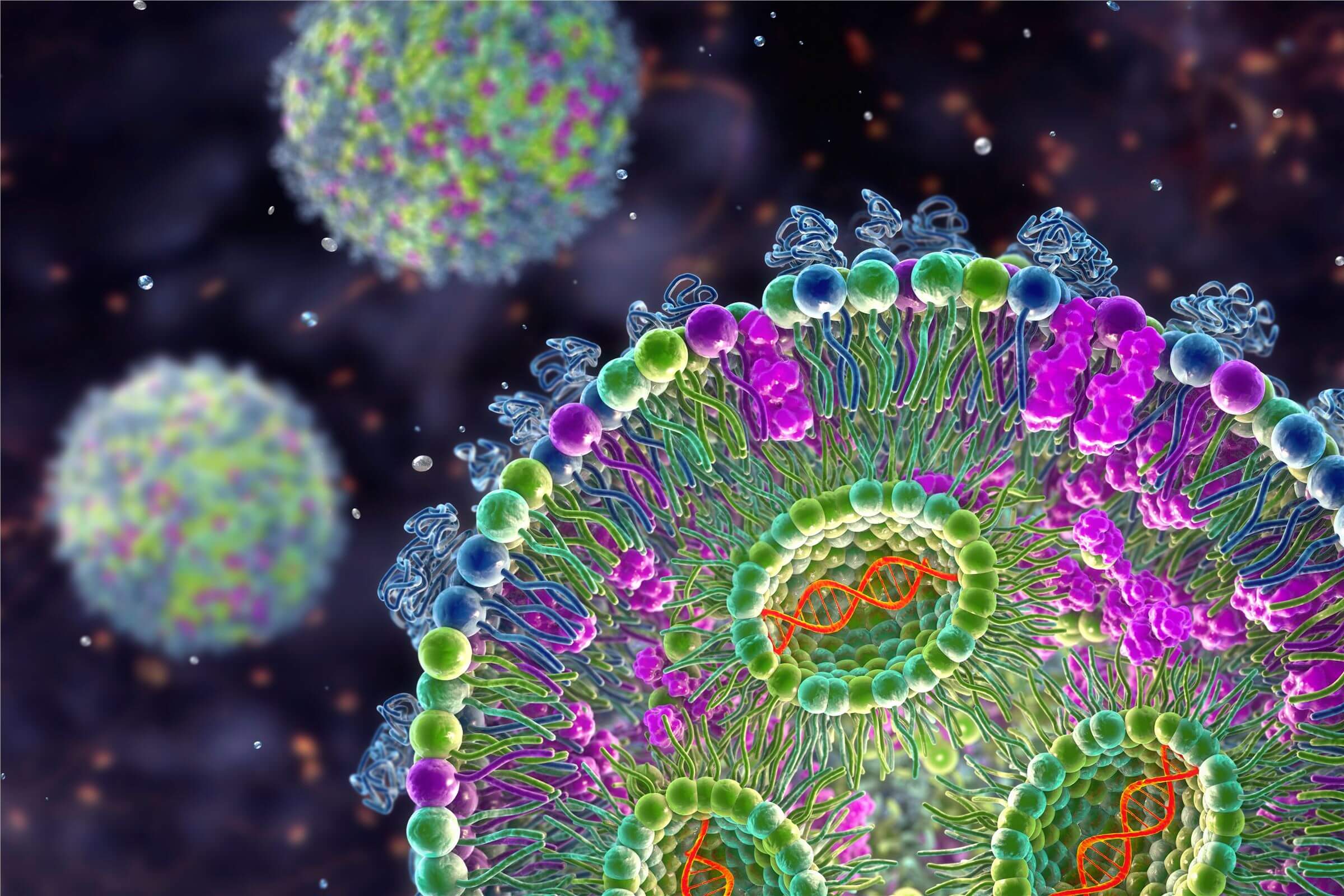
Functional lipids are the cornerstone of "smart" drug delivery systems. Unlike conventional inert lipids that merely form the structural bilayer of a liposome or lipid nanoparticle (LNP), functionalized lipids are engineered with specific chemical moieties to perform active biological tasks. They transform passive carriers into intelligent vehicles capable of recognizing target cells, responding to microenvironmental triggers (such as pH or enzymes), and stabilizing payloads against physiological degradation. By precisely modifying the lipid headgroup or hydrophobic tail, researchers can fine-tune the biodistribution and pharmacokinetics of their therapeutics.
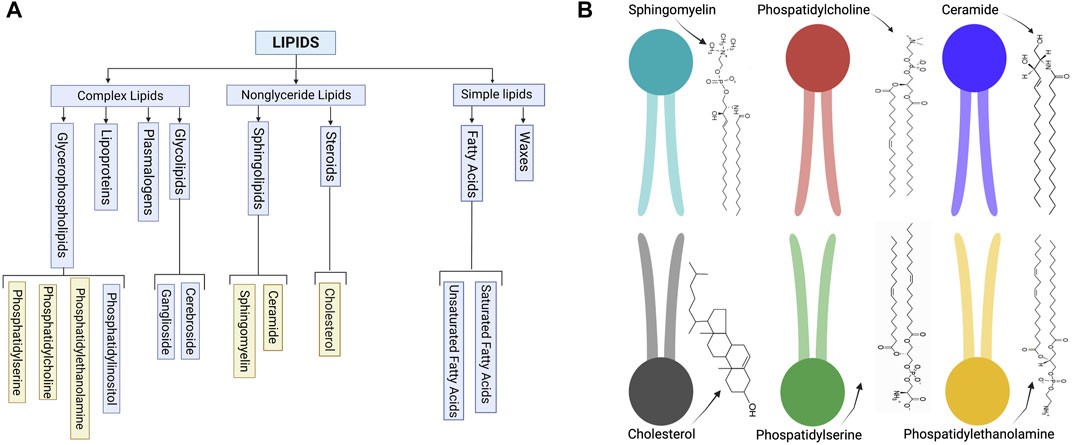 Fig. 1 Common lipid classification and structural diagrams.1,3
Common Lipid Anchor
The hydrophobic anchor, commonly referred to as the lipid anchor, acts as the structural determinant of a functionalized lipid's performance. Its physicochemical properties—specifically chain length and degree of saturation—govern the thermodynamic stability, phase transition temperature (Tm), and membrane fluidity of the resulting nanoparticle. Careful selection of the lipid skeleton is therefore critical, as it directly impacts the carrier's circulation half-life, payload retention, and fusogenicity with target cell membranes.
| Lipid Skeleton | Full Chemical Name | Characteristics | Typical Application |
|---|---|---|---|
| DSPE | Distearoyl-sn-glycero-3-phosphoethanolamine | Saturated, High Tm (>74°C) | Provides rigidity and stability; most common anchor for PEGylation. |
| DOPE | Dioleoyl-sn-glycero-3-phosphoethanolamine | Unsaturated, Cone-shaped | "Fusogenic" lipid; promotes endosomal escape by destabilizing membranes. |
| DPPE | Dipalmitoyl-sn-glycero-3-phosphoethanolamine | Saturated, Medium Tm (~63°C) | Balanced stability; used in temperature-sensitive liposomes. |
| DMPE | 1,2-Dimyristoyl-sn-glycero-3-phosphoethanolamine | Saturated (C14), Medium Tm (~50°C) | Thermosensitive formulations; balance between stability and fluidity. |
| DLPE | Dilauroyl-sn-glycero-3-phosphoethanolamine | Saturated, Short Chain | Increases membrane fluidity and permeability. |
| DSPC | 1,2-Distearoyl-sn-glycero-3-phosphocholine | Saturated, High Tm (~55°C) | Structural lipid; provides high stability and rigidity to LNPs. |
| DOPC | 1,2-Dioleoyl-sn-glycero-3-phosphocholine | Unsaturated, Very Low Tm (-17°C) | Highly fluid bilayer former; standard reference lipid for liposomes. |
| POPC | 1-Palmitoyl-2-oleoyl-glycero-3-phosphocholine | Mixed Saturated/Unsaturated | Mimics natural cell membrane fluidity; versatile for liposomes. |
| DPPS | 1,2-Dipalmitoyl-sn-glycero-3-phosphoserine | Anionic (Negative charge) | Mimics phosphatidylserine exposure (apoptotic signal); targets macrophages. |
| DMG | 1,2-Dimyristoyl-rac-glycero-3-methoxypolyethylene glycol | Short acyl chain (C14) | Used in LNPs for rapid PEG shedding to facilitate cell uptake. |
| DSG | Distearoyl-rac-glycerol | Saturated Dialkyl (C18) | Alternative PEG-lipid anchor providing longer circulation than DMG. |
Categories of Functionalized Lipid
Targeted delivery is not a one-size-fits-all approach; it requires a modular toolkit of specialized lipids. These molecules act as the functional interface between the therapeutic payload and the biological environment. Whether facilitating site-specific attachment, responding to intracellular triggers, or extending circulation time, each category of functional lipid plays a distinct role in enhancing the therapeutic index. We classify these advanced materials into the following strategic platforms:
Reactive Lipids for Bioconjugation
These specialized reagents provide a versatile molecular bridge for attaching biological ligands to lipid carriers. Featuring high-fidelity reactive groups like NHS, Maleimide, or Click chemistry handles, they enable precise, post-insertion functionalization. This modular approach ensures optimal ligand orientation and preserves the bioactivity of sensitive antibodies and peptides on the nanoparticle surface.
The table below lists some frequently requested reactive lipids. For a comprehensive list of available chain lengths and functional groups, please visit our Functionalized Lipids Product Page.
| Reactive Lipids | Lipid Anchors | Reactive Group | Application |
|---|---|---|---|
| DSPE-PEG-NHS | DSPE | N-Hydroxysuccinimide | Amine-reactive; conjugates primary amines on proteins/antibodies. |
| DSPE-PEG-Mal | DSPE | Maleimide | Thiol-reactive; conjugates cysteine residues or thiolated ligands. |
| DSPE-PEG-DBCO | DSPE | Dibenzocyclooctyne | Click chemistry; copper-free reaction with azide-tagged molecules. |
| DSPE-PEG-Azide | DSPE | Azide (N3) | Click chemistry; reacts with Alkyne or DBCO groups. |
| DSPE-PEG-Alkyne | DSPE | Alkyne | Click chemistry; reacts with Azide groups (CuAAC). |
| DSPE-PEG-PDP | DSPE | Pyridyldithiopropionate | Reversible disulfide linkage; reacts with thiols. |
| DSPE-PEG-Amine | DSPE | Primary Amine (NH2) | Conjugation to carboxyl groups via EDC/NHS activation. |
| DSPE-PEG-COOH | DSPE | Carboxyl (COOH) | Conjugation to amine groups; creates peptide bonds. |
| DSPE-PEG-Biotin | DSPE | Biotin | Non-covalent, high-affinity binding to Avidin/Streptavidin. |
| DOPE-NHS | DOPE | N-Hydroxysuccinimide | Direct conjugation to fusogenic helper lipids. |
Advanced Functionalized Delivery Systems: Enabling Precision Medicine
Beyond simple encapsulation, we enable the engineering of biomimetic nanocarriers through modular lipid functionalization. By integrating stealth polymers, targeting ligands, and responsive linkers, researchers can construct intelligent delivery architectures that navigate biological barriers, ensuring site-specific accumulation and controlled payload release for maximized therapeutic efficacy.
Versatile carriers surface-modified with antibodies for active targeting or integrated with imaging agents (e.g., DSPE-DTPA) to enable simultaneous diagnosis, therapy, and real-time monitoring.
Systems utilizing ionizable lipids (e.g., DLin-MC3-DMA) to encapsulate nucleic acids, ensuring efficient endosomal escape and cytosolic release for gene therapy.
Self-assembling PEG-lipid structures (e.g., DSPE-TK-PEG) that solubilize hydrophobic drugs and can disintegrate in tumor microenvironments (ROS/Acidic pH) for targeted release.
Composite carriers merging polymer structural integrity with lipid biocompatibility, providing sustained release profiles and enhanced stability for complex payloads.
Extracellular vesicles modified with reactive lipids to impart specific targeting capabilities while maintaining their natural low-immunogenicity and biological compatibility.
Integrated Functionalized Lipid Solutions
Creative Biolabs provide an integrated ecosystem for functional lipid development, extending from complex synthesis to rigorous characterization and formulation support.
Custom Functionalized Lipid Synthesis
We offer a unified, comprehensive platform for the design and synthesis of advanced functional lipids. Whether you need to attach a targeting ligand, engineer a responsive trigger, or modify the hydrophobic anchor, our team delivers precise chemical solutions tailored to your delivery goals.
- Multimodal Bioconjugation: Covalent attachment of antibodies (IgG/Fab), peptides (RGD/CPP), aptamers, and carbohydrates (GalNAc/Mannose) to lipid headgroups.
- Smart Chemistry Integration: Synthesis of stimuli-responsive lipids featuring ionizable amines, pH-labile hydrazones, or redox-sensitive disulfide/thioketal linkers.
- Reactive Precursor Supply: Production of high-fidelity lipids with NHS, Maleimide, DBCO, or Azide groups for flexible post-insertion functionalization.
- Skeleton Optimization: Fine-tuning of hydrophobic tails (chain length C14-C24, saturation) to control phase transition temperatures (Tm) and bilayer stability.
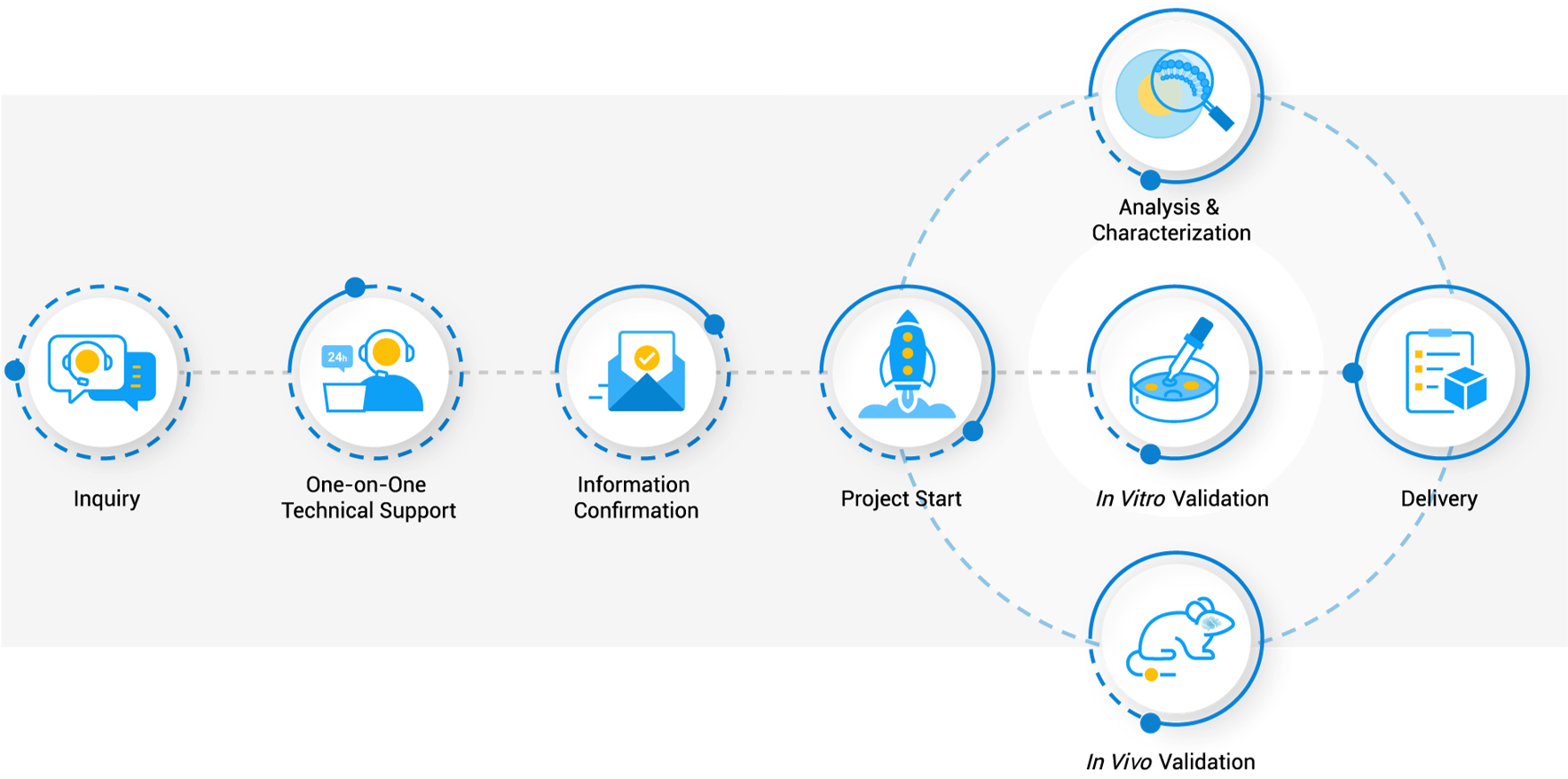
Workflow
Applications of Functionalized Lipids
Our engineered lipids are currently powering research in the most demanding fields of nanomedicine:
- Brain-Targeted Drug Delivery: utilizing Transferrin or Angiopep-conjugated lipids to facilitate receptor-mediated transcytosis of LNPs across the Blood-Brain Barrier for treating glioblastoma or neurodegenerative diseases.
- Hepatic Gene Silencing: Deploying GalNAc-functionalized lipids to deliver siRNA or ASOs specifically to hepatocytes for the treatment of metabolic disorders, achieving potent silencing at low doses.
- Solid Tumor Immunotherapy: Using RGD or Folate-targeted liposomes to deliver chemotherapeutics or immunomodulators deep into the tumor stroma, reducing systemic side effects.
- Intracellular Protein Delivery: Leveraging pH-responsive and fusogenic (DOPE-based) lipids to deliver Cas9 RNPs or therapeutic proteins directly into the cytosol, bypassing lysosomal degradation.
Why Choose Creative Biolabs?
Unmatched Synthetic Expertise
Our team excels in difficult conjugations, including highly hydrophobic peptides and sensitive antibodies, ensuring high yield and activity.
Broad Linker Library
Access a vast selection of stable and cleavable linkers (SS, TK, Hydrazone, Enzyme-cleavable) to fine-tune drug release profiles.
Pharma-Grade Quality
We implement rigorous Quality Control (NMR, HPLC, MS) to ensure >95% purity, minimizing batch-to-batch variation in your formulations.
Scalable Manufacturing
Seamless transfer from milligram-scale R&D synthesis to multi-gram scale-up for pre-clinical toxicology studies.
Integrated Formulation Support
Beyond synthesis, we offer LNP formulation and lyophilization services to test your new lipid in a real-world drug delivery system.
Creative Biolabs is dedicated to advancing the frontiers of drug delivery through precision chemistry. Our Functionalized Lipids Synthesis Service combines deep synthetic expertise with a robust understanding of biological barriers to provide you with the tools needed for next-generation therapeutics.
Related Services
Chemical Synthesis Services
FAQs
Can you synthesize lipids with dual-functionality (e.g., fluorescent and targeting)?
Yes, we can synthesize multi-functional lipids. For example, we can conjugate a targeting ligand to the distal end of PEG and label the headgroup with a fluorophore to allow simultaneous targeting and tracking.
How do I choose the right PEG chain length for my functionalized lipid?
Shorter PEG chains (MW 1000-2000) are typically used for "brush" conformations to evade the immune system, while longer chains (MW 3400-5000) provide greater steric hindrance but may reduce cellular uptake. We can guide you based on your specific application.
What is the stability of cleavable lipids like DSPE-SS-PEG?
Disulfide-linked lipids are stable in blood circulation but cleave rapidly in the reducing environment of the cytosol (high Glutathione). We provide storage/handling protocols to prevent premature cleavage during formulation.
Do you offer custom synthesis of novel ionizable lipids found in recent literature?
Absolutely. If you provide the CAS number or chemical structure from a publication (e.g., novel biodegradable ionizable lipids), we can synthesize it for your research needs.
What is the typical purity of your ligand-conjugated lipids?
We aim for >95% purity. However, for large biomolecules (like antibodies), we focus on the purity of the conjugate fraction (free of unconjugated lipid and free protein) using Size Exclusion Chromatography (SEC).
Can you lyophilize LNPs made with these functionalized lipids?
Yes. Our Lyophilization Service optimizes cryoprotectants to ensure your functionalized LNPs retain their particle size, PDI, and encapsulation efficiency after reconstitution.
Reference
- Ghadami, Samaneh, and Kristen Dellinger. "The lipid composition of extracellular vesicles: applications in diagnostics and therapeutic delivery." Frontiers in molecular biosciences 10 (2023): 1198044. https://doi.org/10.3389/fmolb.2023.1198044. Distributed under Open Access license CC BY 4.0, without modification.