A comprehensive catalog of pre-formulated Module Delivery Systems (liposomes, exosomes, LNPs, polymeric nanoparticles) and a selection of validated Targeted Modules (aptamers, peptides, functionalized lipids, targeted polymers, responsive materials) ready for your research and development needs.
Selective Organ Targeting (SORT) LNP Development Platform
Overview Solution Application What We Can Offer? Workflow Our Advantages Published Data FAQs
Are you currently facing challenges in achieving precise and efficient drug delivery? Does off-target toxicity and limited therapeutic efficacy hinder your biopharmaceutical projects? Our Selective Organ Targeting (SORT) LNP Development service at Creative Biolabs helps you overcome these hurdles by enabling highly specific and potent delivery of your therapeutic payloads to the desired organs. We achieve this through our innovative approach to designing and optimizing lipid nanoparticles (LNPs), ensuring your agents reach their targets with unprecedented precision.
Selective Organ Targeting (SORT) LNP Development
Selective Organ Targeting (SORT) Lipid Nanoparticle (LNP) Development is an advanced method for targeted drug delivery that uses engineered nanoparticles to direct therapeutic payloads to specific organs. Unlike traditional LNPs, which are often limited to liver delivery, SORT technology allows for precise control over biodistribution. The foundation of this technology lies in the ability to modify the LNP's surface to alter its interaction with plasma proteins. The LNPs are typically composed of four key components: an ionizable cationic lipid, a helper lipid, cholesterol, and a PEGylated lipid. This structure provides a stable and biocompatible vehicle for delivering various nucleic acid-based therapeutics, including mRNA, siRNA, and gene-editing complexes.
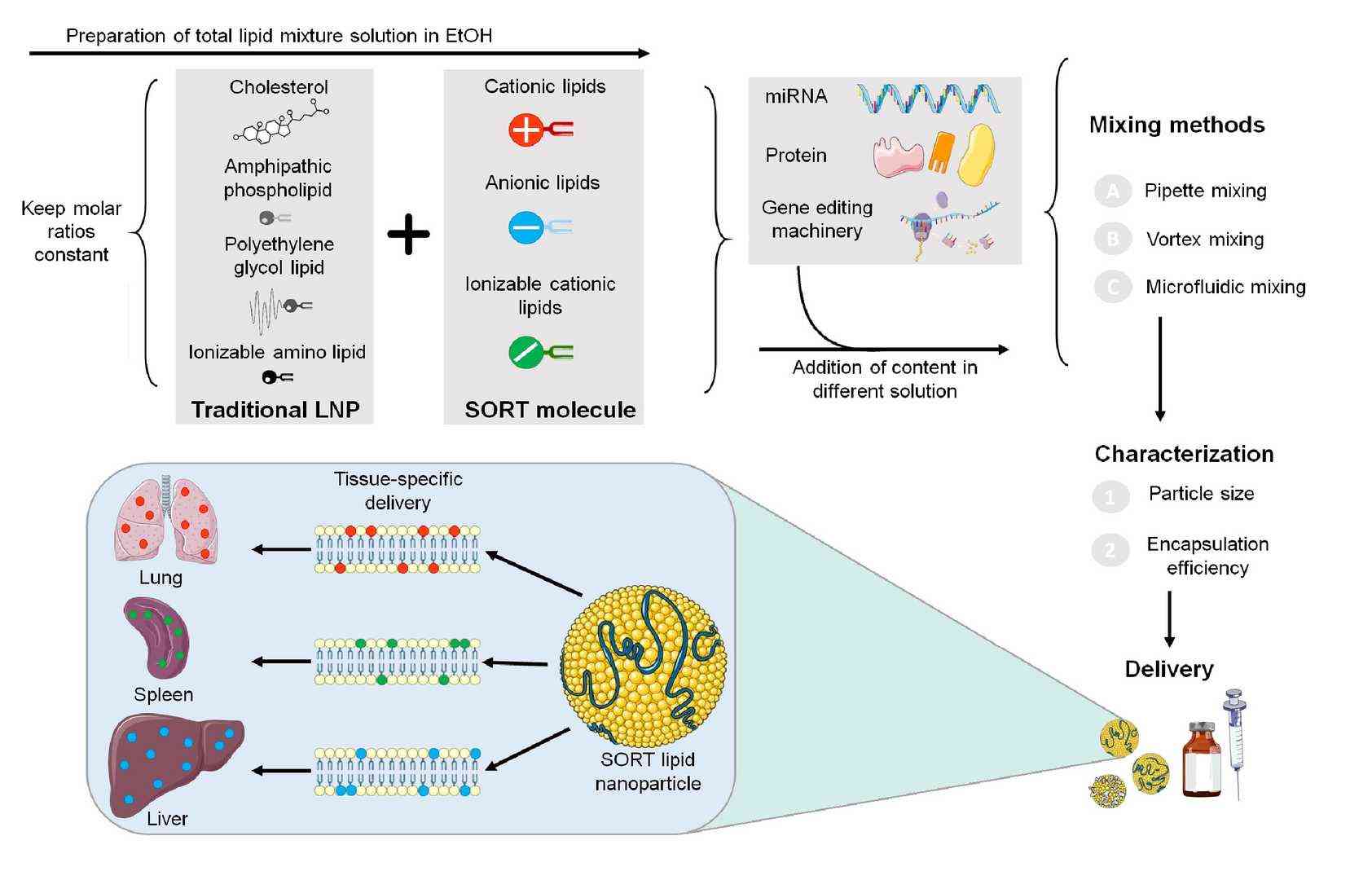 Fig.1 SORT LNP formulation and targeted delivery.
Our SORT LNP Development Solution
Our SORT LNP Solution at Creative Biolabs provides a systematic approach to developing lipid nanoparticles with a high degree of organ specificity. We leverage the principle that small changes in the LNP's composition can lead to significant changes in its biodistribution.
- Commonly Used SORT Molecules: Core SORT constituents frequently comprise ionizable lipids, including DLin-MC3-DMA (MC3) for hepatic targeting, alongside permanently charged cationic or anionic lipids such as DOTAP or 18PA that reroute LNPs toward splenic or pulmonary sites.
-
Classification of SORT LNPs:
SORT LNPs can be classified based on their targeting mechanism, which is determined by the specific SORT molecule incorporated into the lipid nanoparticle. This modification dictates how the LNP interacts with plasma proteins and, consequently, which organs it will accumulate in.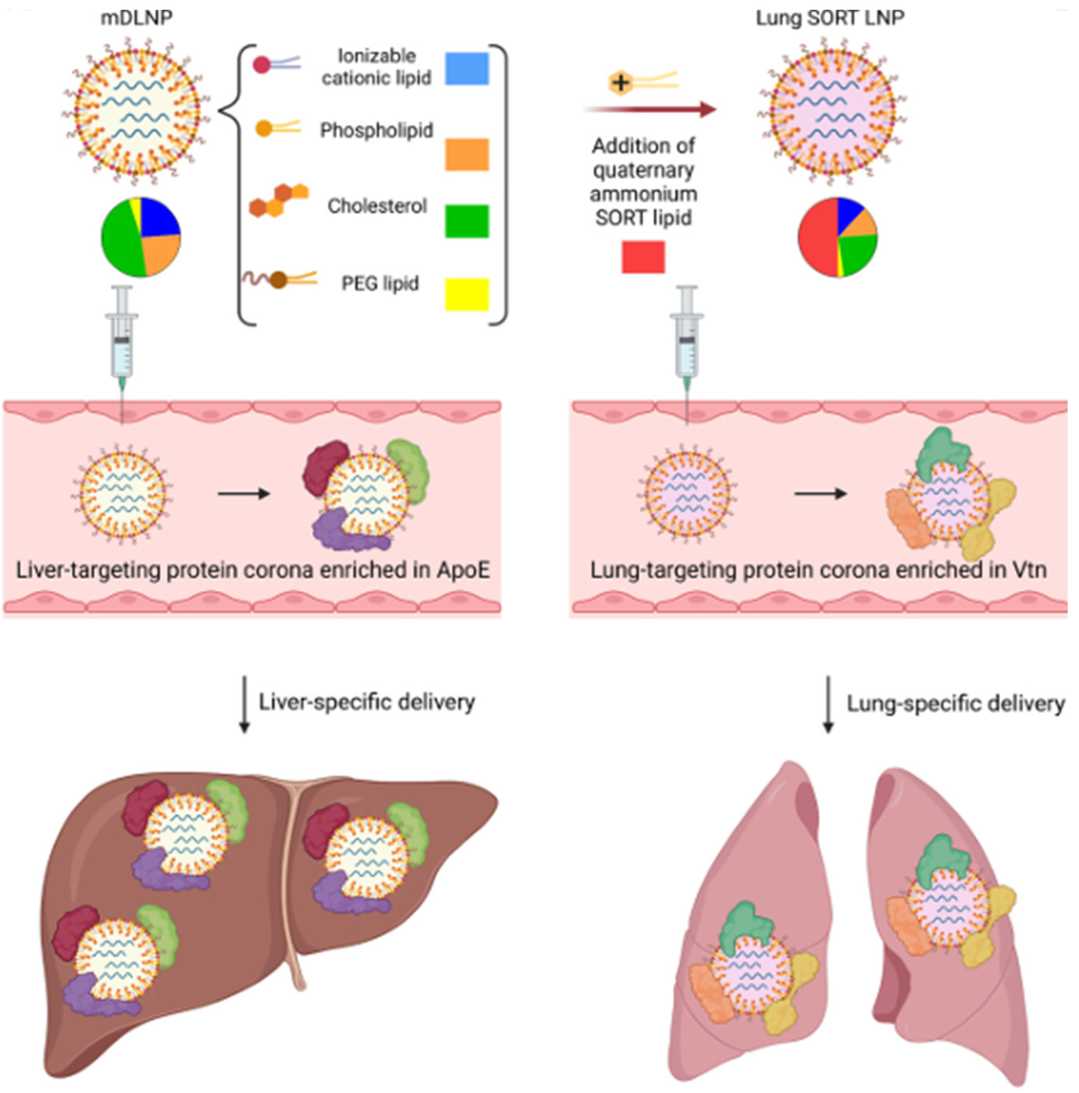 Fig.2 Selective organ targeting (SORT) technology achieves liver- and lung-specific mRNA delivery.1,3
- Liver-Targeting LNPs: These are the most common type of LNPs. They are designed to mimic very-low-density lipoprotein (VLDL), which naturally targets the liver. Their surface properties, often including a pKa in the slightly acidic to neutral range, facilitate binding to apolipoprotein E (ApoE) in the bloodstream. ApoE then serves as a ligand, guiding the LNP to low-density lipoprotein receptors (LDLR) on liver cells (hepatocytes), where they are taken up through endocytosis.
- Spleen/Lung-Targeting LNPs: These nanoparticles are specifically engineered to avoid the liver and target other organs. This is achieved by adjusting the LNP's composition to change its affinity for plasma proteins. For example, incorporating a permanently cationic or anionic lipid as the SORT molecule alters the LNP's surface charge and properties. This shifts the protein corona from ApoE to other proteins, such as β2-glycoprotein I (β2-GPI). The interaction with β2-GPI or other yet-to-be-identified proteins then mediates the LNP's uptake by cells in the spleen and lungs, allowing for targeted delivery to these tissues.
- Other Organ-Targeting LNPs: While liver, spleen, and lung targeting are the most established, research is ongoing to expand SORT to other organs. For example, the incorporation of specific targeting ligands, such as antibodies or peptides, on the LNP surface can facilitate delivery to a wider range of tissues, including the brain, heart, or tumors. These ligands recognize and bind to unique receptors or markers on the surface of the target cells, enabling highly specific delivery. This approach is key to developing therapies for diseases that are not treatable by targeting the liver, spleen, or lungs.
- Targeting Mechanisms: The primary mechanism involves modulating the pKa of the ionizable lipid. At acidic pH within the endosome, the ionizable lipids become positively charged, enabling them to disrupt the endosomal membrane and release their cargo into the cytoplasm. By carefully adjusting the pKa and surface charge, we can control the LNP's interaction with plasma proteins, thus dictating its ultimate destination within the body.
Application
The applications of targeted drug delivery are vast and continue to expand with the advancement of technologies like SORT. These implementations prove transformative in therapeutic contexts where off-target actions pose significant risks.
- Genetic Disorders: Delivery of therapeutic mRNA to specific organs can correct deficiencies in protein expression, as seen in diseases like tyrosinemia and transthyretin amyloidosis.
- Gene Editing: The precise delivery of gene-editing components to affected tissues allows for targeted gene correction, offering new hope for Duchenne muscular dystrophy and other genetic diseases.
- Cancer Therapy: Targeted delivery of immunomodulatory agents or cytotoxic drugs to tumor cells can enhance efficacy while sparing healthy tissue.
- Infectious Diseases: LNPs can deliver mRNA vaccines to immune cells, stimulating a robust immune response against pathogens.
Contact Us About Bioconjugation Services
What We Can Offer?
Creative Biolabs is uniquely positioned at the forefront of targeted drug delivery innovation. Our team of expert biologists, chemists, and engineers brings over two decades of collective experience in developing sophisticated delivery solutions. We provide an integrated portfolio of solutions to advance your scientific investigations:
Ready-to-Use Products
Customized Services
Our bespoke service allows us to develop tailored delivery systems and novel targeted modules from concept to validation, precisely meeting your project's unique specifications. This includes custom aptamer, peptide, or polymer synthesis and conjugation, as well as optimization of delivery system characteristics for specific disease contexts.
Conjugation Services
Expertise in conjugating selected ligands to various delivery platforms (nanoparticles, liposomes, polymers, etc.).
Pre-Clinical Validation
In vitro and in vivo testing to assess targeting efficiency, cellular uptake, biodistribution, and therapeutic efficacy.
Comprehensive Scientific Support
Partner with us to leverage our deep scientific knowledge, state-of-the-art facilities, and rigorous quality control for your targeted delivery projects, from experimental design to data analysis.
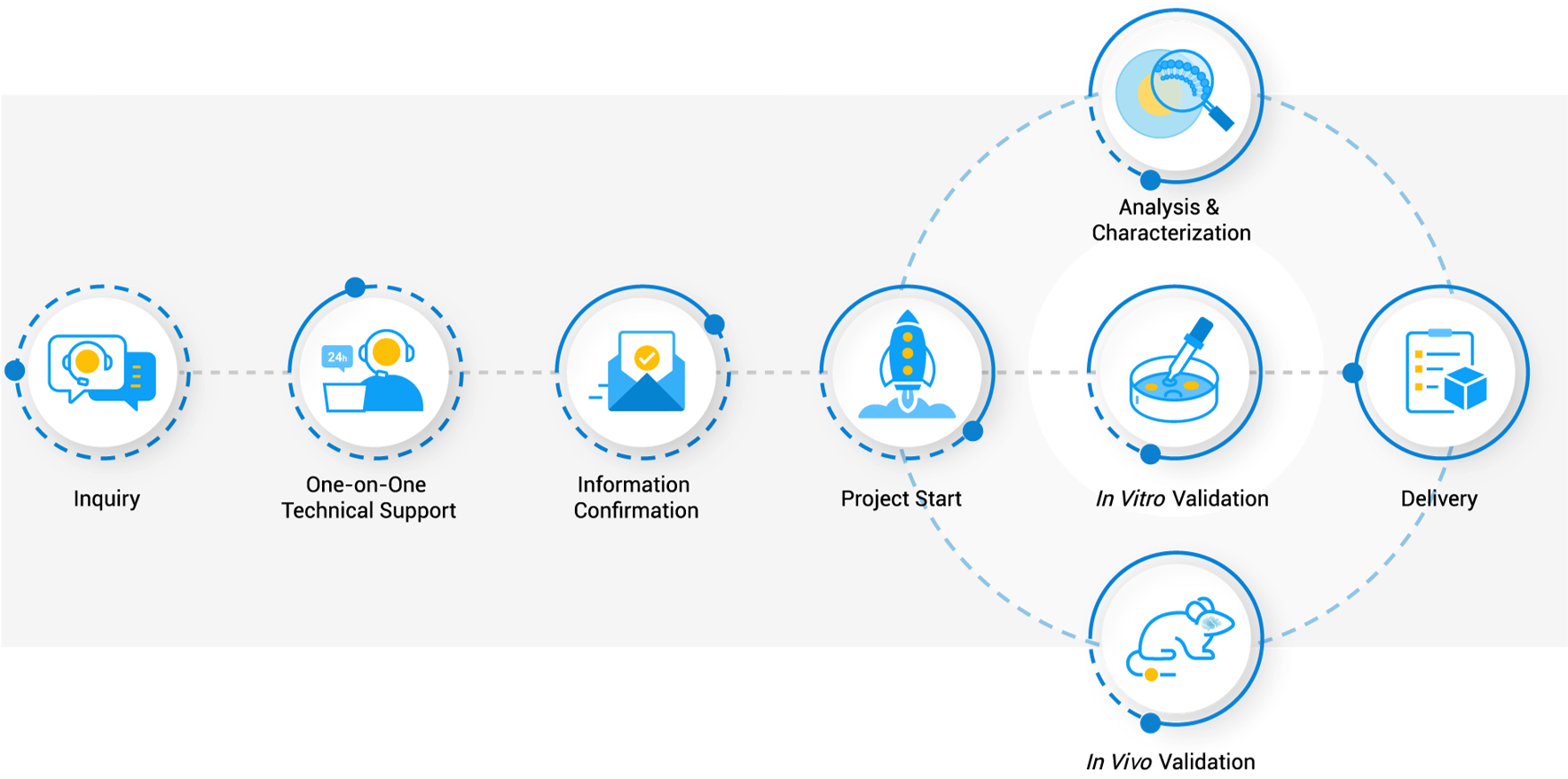
Workflow
Why Choose Us?
Partnering with Creative Biolabs means choosing a path to accelerated drug development, enhanced therapeutic efficacy, and a significant reduction in off-target effects. Our commitment to innovation and scientific excellence ensures that your therapeutic agents reach target area with unprecedented precision, unlocking new possibilities for disease treatment.
Proven Expertise
Our team of highly specialized biologists, chemists, and engineers possesses deep scientific knowledge in drug delivery systems and targeting module development.
Innovative Technology
We leverage state-of-the-art platforms for module synthesis, conjugation, and characterization, ensuring your LNPs are at the cutting edge of delivery technology.
Tailored Customization & Flexibility
We offer customized aptamer/peptide design and delivery system optimization to precisely align with your therapeutic goals.
Rigorous Quality & Reliability
Our commitment to scientific rigor ensures reliable, reproducible, and high-quality results for your critical projects. Our extensive internal validation and published data provide a strong foundation of confidence.
Published Data
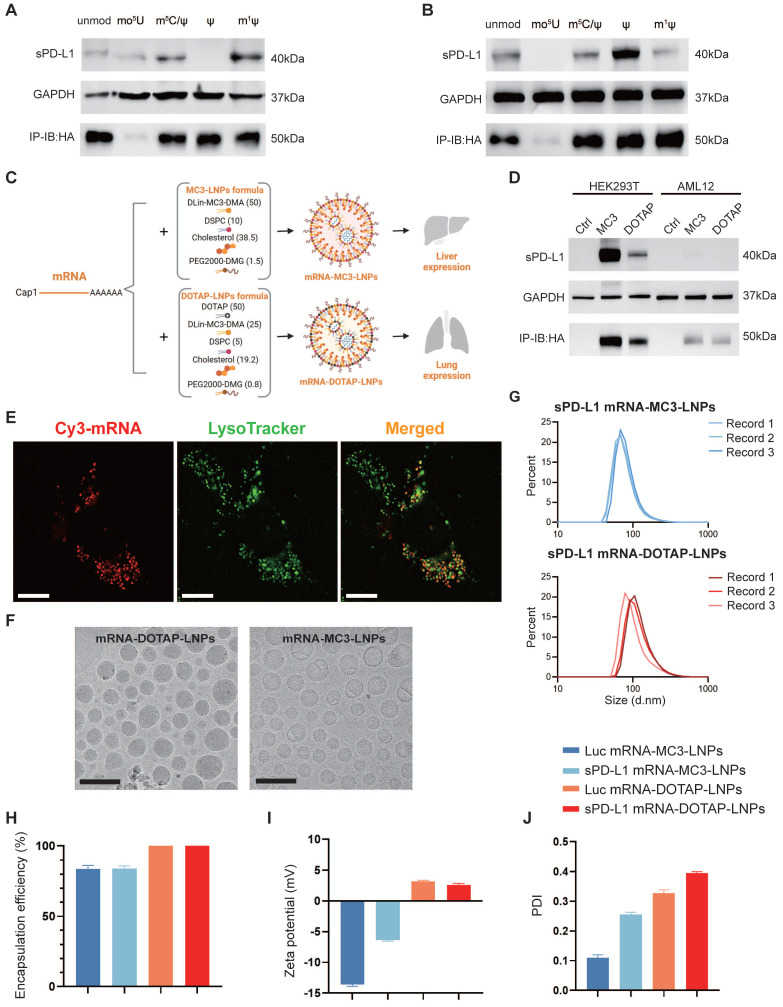 Fig.3 sPD-L1 mRNA expression in vitro and biophysical profiling mRNA-MC3-LNPs and mRNA-DOTAP-LNPs.2,3
The study titled "Engineered Lipid Nanoparticles for Liver- and Spleen-Specific Delivery of Ribonucleoproteins" provides a compelling demonstration of the principles behind SORT. The researchers successfully developed a methodology to produce LNPs capable of delivering a ribonucleoprotein (RNP) complex to the liver and spleen. The experiment involved creating a library of ionizable lipids with a focus on modulating the pKa and overall charge of the LNPs. The researchers systematically varied the lipid composition and the molar ratio of the ionizable lipid, which is a core component of the LNP, to control the biodistribution. They found that by adjusting these parameters, they could significantly alter the delivery profile of the RNPs. For instance, LNPs with a high pKa were found to preferentially accumulate in the liver, while those with a lower pKa were redirected to the spleen. The results showed that these engineered LNPs effectively delivered the RNP to the intended organs, leading to successful gene editing as confirmed by in vivo experiments. The study's conclusion highlights that this rational design strategy for LNPs is a powerful tool for achieving tissue-specific delivery of therapeutic payloads, thus supporting the core tenets of Selective Organ Targeting.
FAQs
Q: How can I ensure the LNP will target the specific organ I am interested in?
A: The targeting capability of an LNP is determined by a combination of its lipid composition and the physical properties of the "SORT molecule." By carefully engineering these components, researchers can direct the LNP to specific organs like the liver, lungs, or spleen. We recommend a thorough consultation to define your project's needs and determine the most effective targeting strategy.
Q: Are these targeted delivery systems compatible with different types of payloads?
A: Yes, these systems are highly versatile. They can be engineered to encapsulate and deliver various therapeutic payloads, including mRNA, siRNA, and gene-editing complexes. The composition is engineered for preserving both LNP durability and therapeutic payload integrity.
Q: What are the primary advantages of using a selective organ targeting approach over traditional systemic delivery?
A: The main advantage is a significant improvement in both efficacy and safety. By delivering the therapeutic agent directly to the target organ, you can use a lower dose, reduce off-target effects, and minimize potential toxicity to healthy tissues, leading to a more potent and safer therapeutic outcome.
Q: How do you validate the targeting efficiency of the nanoparticles?
A: Targeting efficiency is validated through a combination of in vitro and in vivo studies. In vitro assessments can include cellular uptake assays, while in vivo studies typically involve biodistribution analysis using labeled LNPs to track their accumulation in different organs. We use established and rigorous methods to ensure the accuracy of our validation data.
Q: Can these nanoparticles be used for both research and preclinical applications?
A: This platform enables seamless integration throughout the R&D continuum. The principles of SORT are used for both fundamental research and preclinical studies.
Creative Biolabs offers a comprehensive suite of services for Selective Organ Targeting (SORT) LNP Development, designed to support your journey from concept to clinical validation. Our expertise, innovative technologies, and commitment to quality ensure that your therapeutic agents reach their intended targets with precision.
Connect with our experts for project-specific consultation and detailed insights.
References
- Liu, Yaping et al. "Development of mRNA Lipid Nanoparticles: Targeting and Therapeutic Aspects." International journal of molecular sciences vol. 25,18 10166. 22 Sep. 2024, https://doi.org/10.3390/ijms251810166
- Sun, Han et al. "Application of Lung-Targeted Lipid Nanoparticle-delivered mRNA of soluble PD-L1 via SORT Technology in Acute Respiratory Distress Syndrome." Theranostics vol. 13,14 4974-4992. 4 Sep. 2023, https://doi.org/10.7150/thno.86466
- Distributed under Open Access license CC BY 4.0, without modification.
Our services are For Research Use Only. We do not provide services to individuals.
Online Inquiry