Smart Polymer Synthesis Service for Targeted Drug Delivery
The efficacy of modern therapeutics, from small molecules to advanced nucleic acids, is often limited not by potency, but by delivery. Traditional passive carriers struggle to navigate biological barriers or release payloads at the site of disease. To bridge this gap, precise engineering of carrier materials is essential. At Creative Biolabs, we specialize in the custom synthesis of smart, stimuli-responsive polymers that actively sense and react to physiological cues.
Obtain Solutions for Smart Polymer Development
The Science of Intelligent Delivery Systems
Strategies for Targeted Delivery Using Smart Polymers
Targeted delivery is the pinnacle of nanomedicine, aiming to concentrate therapeutics specifically at the site of action. Smart polymers play a pivotal role in this strategy by utilizing two distinct mechanisms: Passive Targeting, which relies on the physicochemical properties of the polymer (molecular weight, surface charge) to exploit the Enhanced Permeability and Retention (EPR) effect; and Active Targeting, where polymers are engineered to recognize specific cell surface receptors.
To achieve these targeted strategies, a diverse array of polymeric materials acts as the structural foundation. These materials are selected based on their biocompatibility, biodegradability, and mechanical properties:
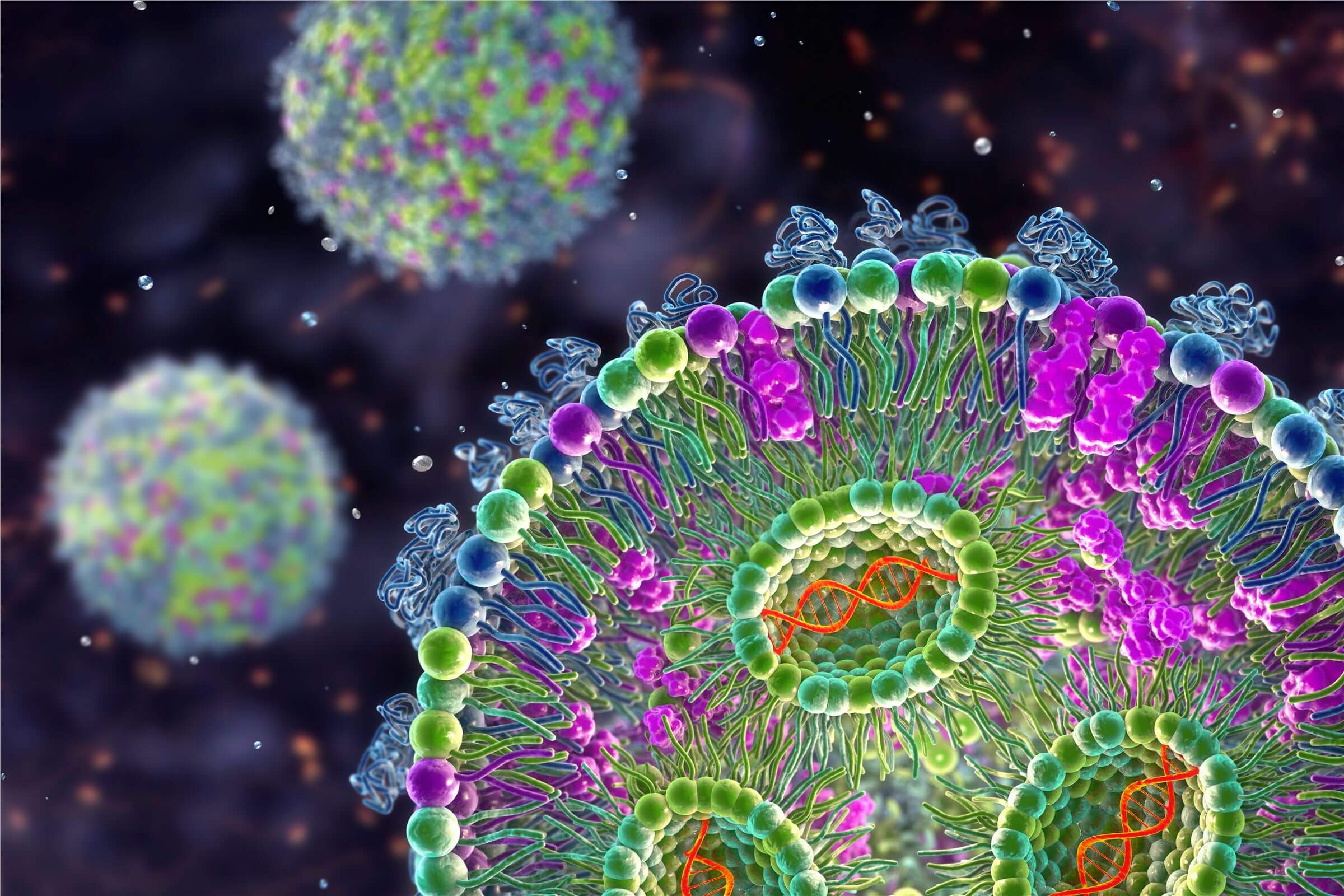
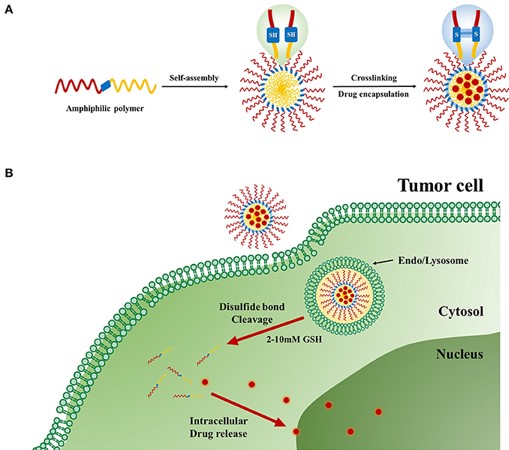 Fig. 1 Common lipid classification and structural diagrams.1
- Synthetic Biodegradable Polymers: Polyesters (PLGA, PLA, PCL) known for their hydrolytic degradation and regulatory approval history.
- Natural Polymers: Polysaccharides (Chitosan, Hyaluronic Acid, Dextran) that offer inherent biocompatibility and receptor-targeting capabilities.
- Cationic Polymers: Poly(beta-amino esters) (PBAEs) and Polyethylenimine (PEI) derivatives designed specifically for nucleic acid condensation and intracellular delivery.
- Amphiphilic Block Copolymers: Materials like PEG-b-PPS or PEG-b-PLA that self-assemble into core-shell micelles, protecting hydrophobic drugs during circulation.
- Dendrimers & Hyperbranched Polymers: Highly branched architectures (PAMAM) offering high-density surface functionalization for multivalency.
Stimuli-Responsive Strategies: Unlocking Controlled Release
Stimuli-responsive materials, often referred to as "smart" or "intelligent" materials, represent a paradigm shift in drug delivery. Unlike conventional carriers that release drugs via passive diffusion, these systems are engineered to undergo a dramatic physicochemical change (such as swelling, disassembly, or bond cleavage) in response to a specific trigger. This "on-demand" release mechanism ensures that the payload is protected during transport and released only when the carrier encounters the unique signature of the pathological site, thereby maximizing the therapeutic index.
We classify these triggers into two primary categories:
These triggers are inherent to the pathological microenvironment of the disease, such as cancer or inflammation.
- pH Gradients: Exploiting the acidity of the Tumor Microenvironment (pH 6.5–6.8) or the endosomal/lysosomal compartments (pH 4.5–5.5).
- Redox Potential: Utilizing the high concentration of Glutathione (GSH) in the cytosol of tumor cells compared to the extracellular space.
- Enzyme Overexpression: Targeting specific enzymes like Matrix Metalloproteinases (MMPs) or Cathepsins that are upregulated in metastatic tissues.
- ROS Levels: Responding to elevated Reactive Oxygen Species found in inflamed tissues and tumors.
These triggers are applied remotely by the clinician to induce release at a specific location.
- Temperature: Utilizing materials that undergo phase transitions at hyperthermic temperatures.
- Light: Using UV, visible, or Near-Infrared (NIR) light to trigger photo-cleavage or photothermal effects.
- Ultrasound & Magnetic Fields: Using physical energy to disrupt carriers or generate localized heat.
- Electric Field: Employing conductive polymers (e.g., Polypyrrole) that undergo oxidation/reduction or swelling upon application of a weak external voltage, allowing for pulsatile release control.
Available Stimuli-Responsive Materials
We offer synthesis services for materials that respond to the unique biological signatures of disease states. To streamline your selection process, we have consolidated our library of smart polymers into the master table below, categorized by their specific trigger mechanisms.
| Stimulus | Representative Material | Response Mechanism | Key Application |
|---|---|---|---|
| Temperature | Poly(N-isopropylacrylamide) (PNIPAM), Pluronics, ELPs | LCST/UCST phase transition causing sol-gel formation or precipitation. | Injectable hydrogels; Tissue engineering scaffolds. |
| Light | Azobenzene, Nitrobenzyl, Spiropyran derivatives | Photo-isomerization or photo-cleavage alters hydrophilicity/conformation. | Spatiotemporally controlled release; Ophthalmic systems. |
| Ultrasound | PEO-PPO-PEO, THP-derived polymers | Acoustic cavitation disrupts micelle structure or cleaves labile bonds. | Deep tissue triggering; Blood-brain barrier opening. |
| Electric Field | Polyaniline, Polypyrrole, Hydrogels | Electro-responsive swelling/deswelling or bending deformation. | Bio-actuators; Implantable drug delivery devices. |
| pH (Acidic) | PBAE, PDPA, Poly(acrylic acid) | Protonation/Deprotonation leads to charge repulsion, swelling, or disassembly. | Endosomal escape; Tumor TME targeting; Oral delivery. |
| Redox (GSH) | Disulfide (-S-S-) & Diselenide Polymers | Cleavage of crosslinkers by high intracellular glutathione levels. | Cytosolic release of siRNA/proteins; Gene delivery. |
| ROS (Oxidative) | Poly(propylene sulfide) (PPS), Phenylboronic esters | Oxidation causes hydrophobic-to-hydrophilic phase shift or degradation. | Inflammation targeting; Ischemia-reperfusion injury. |
| Glucose | Phenylboronic Acid (PBA) Polymers | Reversible binding with glucose causes swelling or solubility change. | Closed-loop insulin delivery (Artificial Pancreas). |
| ATP | ATP-aptamer functionalized hydrogels | Competitive binding leads to structure dissociation at high ATP levels. | Intracellular cargo release based on metabolic state. |
Advanced Polymer Engineering & Custom Synthesis
Creative Biolabs bridges the gap between molecular design and clinical application. We provide robust, scalable synthesis of functional polymers, ensuring precise control over architecture and physicochemical properties for your specific research needs. In addition to our bespoke services, we also offer a comprehensive catalog of ready-to-use polymers available for immediate selection to accelerate your research timeline.
Precision Synthesis of Functional Copolymers
We use advanced synthetic strategies to deliver bespoke polymer architectures with exacting specifications, tailored to your precise delivery or material science requirements.
Custom Block Copolymer Types
- Diblock Copolymers (AB Type): Ideal for simple micelle or vesicle formation.
- Triblock Copolymers (ABA or ABC Type): For hydrogels and complex multi-compartment assemblies.
- Multi-block & Star Polymers: For advanced architectural control and high drug loading capacity.
- Stimuli-Responsive Polymers: Integrating smart blocks for environmental sensitivity.
Customizable Parameters
- Polymer Composition: Wide selection including PEG, PLGA, PEI, Poly(amino acids), and responsive monomers.
- Molecular Weight & Ratio: Precise tuning of block lengths and HLB for optimal assembly size.
- Functional Groups: Reactive termini (NHS, Maleimide, Azide, Thiol, Biotin) for easy conjugation.
- Polymerization Methods: Ensuring low polydispersity (PDI < 1.1) and high batch consistency
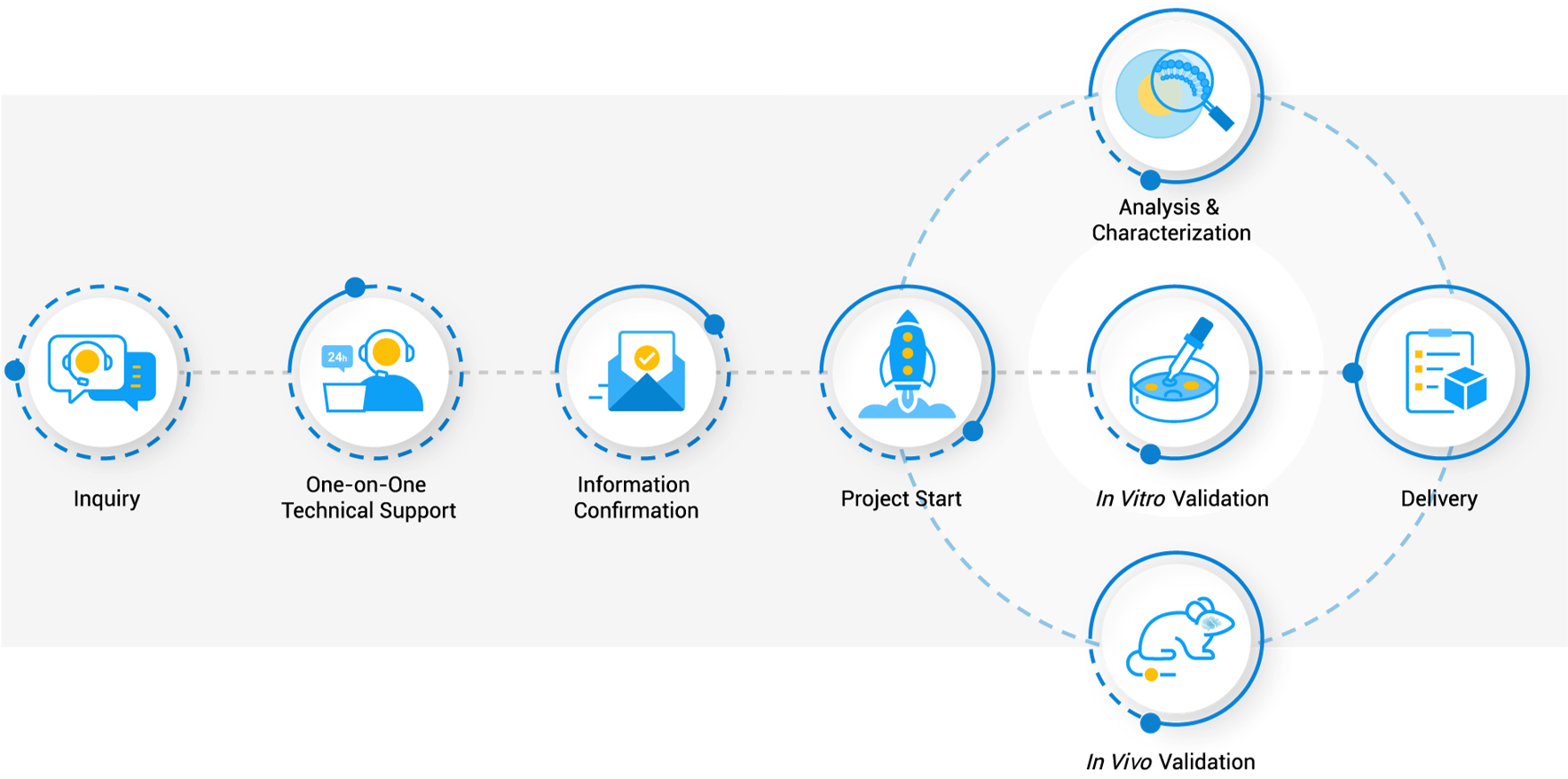
Workflow
Applications: Powering Innovation Across Disciplines
Our targeted & stimuli-responsive polymer synthesis services enable versatile solutions for advanced biomedical and industrial challenges.
- Drug Delivery: Designing intelligent nanocarriers (micelles, polymersomes) for the targeted and controlled release of chemotherapeutics, minimizing systemic toxicity.
- Gene Therapy: Engineering safe and efficient cationic polymers (e.g., PEI, PBAE derivatives) and responsive polyplexes for the delivery of genetic material (siRNA, mRNA, pDNA).
- Biosensors: Developing smart polymer coatings and interfaces that undergo detectable physicochemical changes in the presence of specific biological analytes for diagnostic precision.
- Biodegradable Packaging: Synthesizing eco-friendly, compostable polymers with tunable mechanical properties and degradation rates to address environmental sustainability.
- Actuators: Creating stimuli-responsive hydrogels that expand or contract in response to environmental cues, acting as artificial muscles for soft robotics.
- Shape Memory Polymers: Designing advanced materials capable of returning to a pre-defined permanent shape upon stimulation, ideal for smart medical implants and stents.
Why Choose Creative Biolabs?
Expertise in Dual-Functionality
We excel at integrating both targeting and responsiveness into a single polymer chain without compromising stability.
Our conjugation chemistry is compatible with a vast array of targeting modules, from small molecules to complex biologics.
Custom Tuning
We don't just provide standard polymers; we fine-tune the chemical structure to achieve the exact release kinetics and targeting affinity your project requires.
Scalable Processes
Our synthesis protocols are designed with scale-up in mind, supporting your transition from discovery to pre-clinical development.
Data-Driven Quality
We provide comprehensive characterization data, ensuring you have a complete understanding of your material's structure-property relationships.
Creative Biolabs is your premier partner for navigating the complex landscape of targeted polymer & responsive materials. By combining precision synthesis, intelligent design, and advanced bioconjugation, we deliver solutions that transform how drugs are delivered. Whether you are targeting a specific receptor or exploiting a unique tumor microenvironment, we have the expertise to engineer the ideal vehicle for your therapeutic.
Related Services & Products
Related Services
Chemical Synthesis Services
Related Products
| Product Name | Description | Inquiry |
|---|---|---|
| PCL-TK-PEG-NHS | ROS-responsive thioketal-linked block copolymer with reactive NHS ester for ligand conjugation. | |
| PLA-TK-PEG-Folate | ROS-cleavable biodegradable polymer functionalized with Folate for targeted cancer cell delivery. | |
| PLGA-TK-PEG-Folate | Dual-functional (ROS & Folate) PLGA copolymer designed for precise tumor microenvironment targeting. | |
| PCL-PEOz-Amine | pH-responsive amphiphilic block copolymer containing Poly(2-ethyl-2-oxazoline) with amine terminus. |
FAQs
Can you synthesize polymers with multiple targeting ligands for dual-targeting strategies?
Yes, we can design heterobifunctional polymers or mixed-micelle systems to incorporate two different ligands (e.g., Transferrin and RGD), enhancing specificity and overcoming receptor saturation.
What is the stability of redox-responsive polymers in the bloodstream?
Disulfide bonds are generally stable at the low concentration of glutathione found in blood plasma (approx. 2-20 μM) but cleave rapidly in the cytosol (2-10 mM GSH), ensuring minimal premature release during circulation.
Can you help select the appropriate targeting ligand for my specific cell line?
Absolutely. Our team has extensive knowledge of receptor expression profiles and can recommend optimal ligands (aptamers, peptides, small molecules) for your target tissue.
References
- Rao, N. Vijayakameswara, et al. "Recent progress and advances in stimuli-responsive polymers for cancer therapy." Frontiers in bioengineering and biotechnology 6 (2018): 110. https://doi.org/10.3389/fbioe.2018.00110. Distributed under Open Access license CC BY 4.0, without modification.